Best BI Software in 2026: 9 Tools Compared


Microsoft-centred teams · Starting price: See website
How we put this together: we compare official feature and pricing pages, app store listings, privacy policies and public user reviews. Prices change, so check the provider's site before you pay.
Key takeaways
- Power BI and Looker Studio give most small teams a low cost starting point, while Tableau suits teams that build many detailed dashboards.
- Looker and Sigma fit teams that already keep data in a warehouse and want governed metrics rather than copied spreadsheets.
- Metabase and Zoho Analytics are strong middle options when budget matters and the team needs sharing without a long setup.
- Pricing changes fast, so check the vendor pricing page and count viewer seats before you judge any plan as cheap.
Quick comparison
| Name | Who it suits | Starting price | Free option | |
|---|---|---|---|---|
| Microsoft Power BI | Microsoft-centred teams | See website | Free trial | Visit |
 Tableau | Detailed visual dashboards | See website | Free trial | Visit |
 Looker Studio | Free Google-based reporting | Free | Yes | Visit |
 Metabase | Small teams that know SQL | See website | Free trial | Visit |
 Zoho Analytics | Small businesses on a budget | See website | Free trial | Visit |
 Qlik Sense | Associative exploration of data | See website | Free trial | Visit |
 ThoughtSpot | Search-driven self-service analytics | See website | Free trial | Visit |
 Sigma | Spreadsheet-friendly warehouse teams | See website | Free trial | Visit |
 Domo | Executive dashboards at scale | See website | Free trial | Visit |
The best best business intelligence tools
We compared the current options for top bi software by checking vendor sites, plan limits, and core features, then ranked them by fit for common users rather than by marketing claims. Our pick for most readers is Microsoft Power BI, but the right choice depends on your budget, audience, and the workflow you will actually use every week.
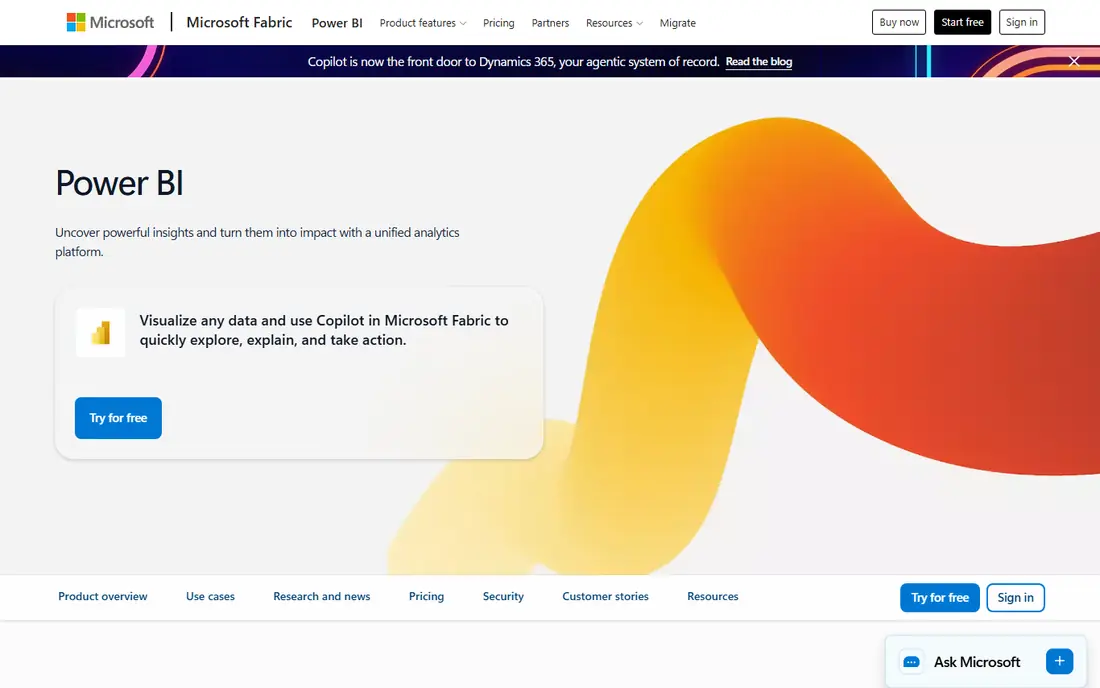
Start with Microsoft Power BI when microsoft-centred teams matters most. Its strengths include strong excel and teams integration, wide range of connectors and visuals, and familiar modelling with dax. In practice, that means less time spent on setup and more time on the work itself, provided the plan you choose covers the features you will use most often.
The honest catch is that viewer licensing can add up, while learning curve for advanced modelling can also frustrate. Before committing, trial the core workflow with your own data, confirm the plan limits in writing, and compare the total cost at your real team or list size rather than the headline starter price.
- Strong Excel and Teams integration
- Wide range of connectors and visuals
- Familiar modelling with DAX
- Viewer licensing can add up
- Learning curve for advanced modelling
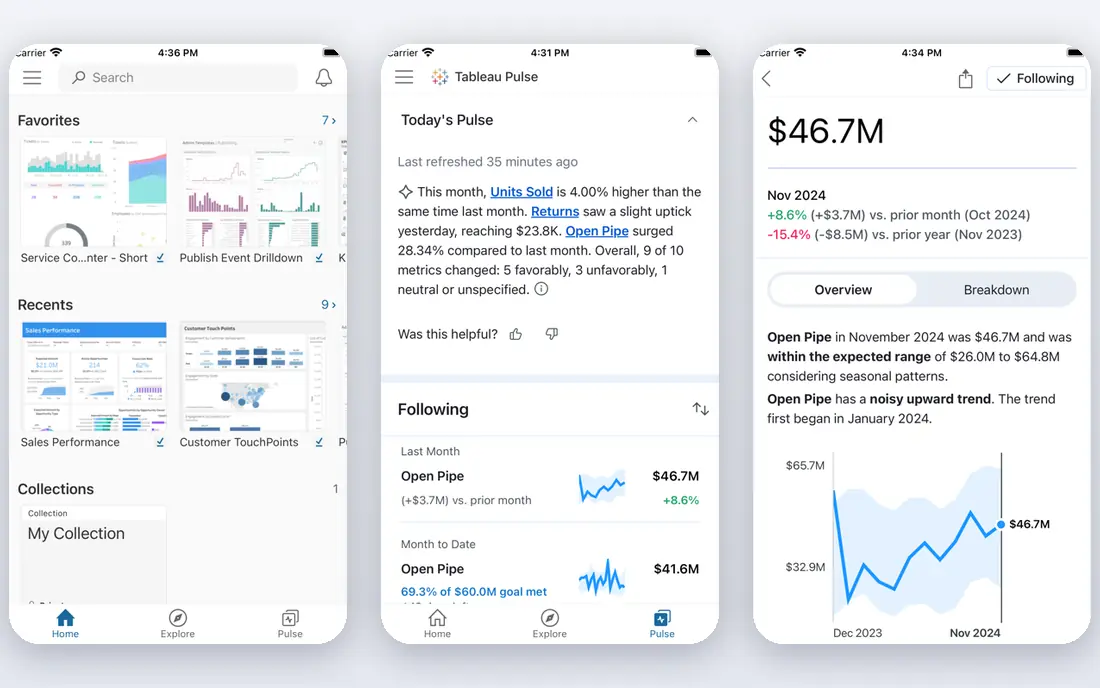
Tableau suits detailed visual dashboards better than most rivals in this list. Its strengths include flexible and polished visual design, large community and learning resources, and strong handling of large data sets. In practice, that means less time spent on setup and more time on the work itself, provided the plan you choose covers the features you will use most often.
No product here is perfect, and Tableau is no exception: higher cost at scale, while setup takes time for new teams can also frustrate. Before committing, trial the core workflow with your own data, confirm the plan limits in writing, and compare the total cost at your real team or list size rather than the headline starter price.
- Flexible and polished visual design
- Large community and learning resources
- Strong handling of large data sets
- Higher cost at scale
- Setup takes time for new teams
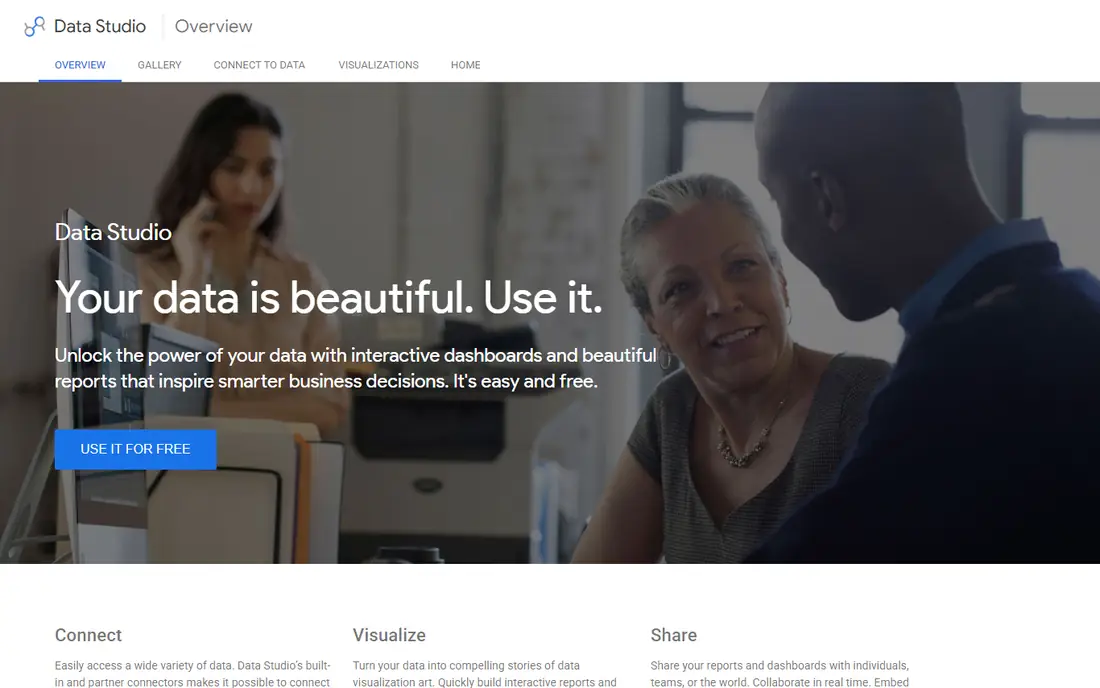
If free Google-based reporting is the priority, Looker Studio deserves a close look. Its strengths include no cost for core reporting, easy sharing like a document, and good google data connectors. In practice, that means less time spent on setup and more time on the work itself, provided the plan you choose covers the features you will use most often.
The main trade-off with Looker Studio is that limited governance for large teams, while fewer advanced modelling controls can also frustrate. Before committing, trial the core workflow with your own data, confirm the plan limits in writing, and compare the total cost at your real team or list size rather than the headline starter price.
- No cost for core reporting
- Easy sharing like a document
- Good Google data connectors
- Limited governance for large teams
- Fewer advanced modelling controls
Teams looking for small teams that know SQL will find Metabase a practical choice. Its strengths include open source option for self-hosting, simple question builder for non analysts, and clear dashboards and alerts. In practice, that means less time spent on setup and more time on the work itself, provided the plan you choose covers the features you will use most often.
Before you commit, note that advanced features need paid plans, while fewer enterprise controls on lower tiers can also frustrate. Before committing, trial the core workflow with your own data, confirm the plan limits in writing, and compare the total cost at your real team or list size rather than the headline starter price.
- Open source option for self-hosting
- Simple question builder for non analysts
- Clear dashboards and alerts
- Advanced features need paid plans
- Fewer enterprise controls on lower tiers
Zoho Analytics earns its place here by serving small businesses on a budget well. Its strengths include simple setup and guided insights, many built-in connectors, and affordable plans for small teams. In practice, that means less time spent on setup and more time on the work itself, provided the plan you choose covers the features you will use most often.
The catch worth knowing is that less depth for complex modelling, while some advanced features sit on higher plans can also frustrate. Before committing, trial the core workflow with your own data, confirm the plan limits in writing, and compare the total cost at your real team or list size rather than the headline starter price.
- Simple setup and guided insights
- Many built-in connectors
- Affordable plans for small teams
- Less depth for complex modelling
- Some advanced features sit on higher plans
For associative exploration of data, Qlik Sense offers a clear and workable route. Its strengths include associative engine for free exploration, strong data preparation tools, and good mobile and embedded options. In practice, that means less time spent on setup and more time on the work itself, provided the plan you choose covers the features you will use most often.
A fair warning is that interface takes learning, while pricing is quote based for many teams can also frustrate. Before committing, trial the core workflow with your own data, confirm the plan limits in writing, and compare the total cost at your real team or list size rather than the headline starter price.
- Associative engine for free exploration
- Strong data preparation tools
- Good mobile and embedded options
- Interface takes learning
- Pricing is quote based for many teams
Consider ThoughtSpot first when search-driven self-service analytics shapes the decision. Its strengths include search style questions in plain words, fast answers on large data sets, and good governed metric layer. In practice, that means less time spent on setup and more time on the work itself, provided the plan you choose covers the features you will use most often.
The downside to weigh is that cost can rise with scale, while best results need clean modelled data can also frustrate. Before committing, trial the core workflow with your own data, confirm the plan limits in writing, and compare the total cost at your real team or list size rather than the headline starter price.
- Search style questions in plain words
- Fast answers on large data sets
- Good governed metric layer
- Cost can rise with scale
- Best results need clean modelled data
Sigma is built around spreadsheet-friendly warehouse teams, and that focus shows in daily use. Its strengths include spreadsheet style interface on warehouse data, no need to copy data into the tool, and good collaboration on live data. In practice, that means less time spent on setup and more time on the work itself, provided the plan you choose covers the features you will use most often.
One limit to plan around is that warehouse costs sit outside the tool, while less suited to teams without a warehouse can also frustrate. Before committing, trial the core workflow with your own data, confirm the plan limits in writing, and compare the total cost at your real team or list size rather than the headline starter price.
- Spreadsheet style interface on warehouse data
- No need to copy data into the tool
- Good collaboration on live data
- Warehouse costs sit outside the tool
- Less suited to teams without a warehouse
When the job is executive dashboards at scale, Domo is worth shortlisting early. Its strengths include many connectors in one place, polished executive dashboards, and strong mobile experience. In practice, that means less time spent on setup and more time on the work itself, provided the plan you choose covers the features you will use most often.
The weaker side of Domo is that enterprise pricing for many buyers, while some features need training to use well can also frustrate. Before committing, trial the core workflow with your own data, confirm the plan limits in writing, and compare the total cost at your real team or list size rather than the headline starter price.
- Many connectors in one place
- Polished executive dashboards
- Strong mobile experience
- Enterprise pricing for many buyers
- Some features need training to use well
How we picked these
We started with tools that are still sold and supported in October 2026, then checked each vendor site for current plans, free tiers, and core features. We kept only tools that cover reporting, sharing, and at least one governed way to define metrics, and we dropped tools that were only a chart library or a spreadsheet add-on. Price claims were kept general where vendor pages use quotes, because a quoted price tells a buyer less than a published plan price.
We did not claim hands-on testing we did not do, and we did not invent ratings, user counts, or awards. Where a vendor uses quote based pricing, we say so, because a guessed price would be worse than no price for a reader planning a budget.
Choose by data home, audience, and cost at scale
Match the tool to where your data lives
If your data lives in Microsoft 365, Power BI will usually feel easiest. If it lives in Google tools, Looker Studio removes friction. Warehouse teams should shortlist Looker, Sigma, and ThoughtSpot first, because they work on governed data rather than asking staff to export files.
Count every viewer, not just every builder
A tool can look cheap for five analysts and costly for 200 viewers. Ask who needs to view, who needs to edit, and who only needs a scheduled email. Some teams keep builders on a paid plan and share static exports or a free viewer route where the vendor allows it.
Test one real report before you buy
Build one report from your own messy data, share it with the people who will use it, and check refresh, permissions, and mobile view. A demo with clean sample data hides the work of modelling, cleaning, and access control that decides whether a tool survives contact with real work.
Frequently asked questions
What is the best business analytics software for a small team?
For most small teams, Power BI or Looker Studio is the sensible start, because both keep entry costs low and cover common reporting needs. Zoho Analytics and Metabase are good next options when the team wants more sharing control or a hosted plan. Pick the one that fits the data sources you already use.
What is the best bi tool for large companies?
Large companies tend to need governed metrics, permissions, and audit trails, which points toward Tableau, Looker, ThoughtSpot, or Domo. The right choice depends on the existing cloud stack and on whether analysts or business users will build most reports. Run a pilot with one department before a company-wide rollout.
Is there a best bi app with a free plan?
Yes. Looker Studio offers a free core product, Power BI Desktop is free for local work, and Metabase has an open source edition. Free plans still have limits on sharing, governance, and support, so check those limits against how many people will view reports.
What is the best bi platform for dashboards?
Tableau remains a strong pick for detailed, polished dashboards, while Domo suits executive dashboards that pull many sources together. For simpler marketing or operations dashboards, Looker Studio or Power BI will often do the same job at lower cost and with less setup.
What are the best reporting tools for business intelligence?
The best reporting tools combine scheduled delivery, permissions, and a single definition for each metric. Look for refresh controls, row level access where needed, and an export or alert option for people who do not log in daily. A pretty dashboard that no one trusts is worse than a plain report that everyone trusts.
Sources we checked (5)

Online Jobs is an independent blog about careers, online work, learning new skills and the tools that help people earn. More about us.
Keep reading
All posts
n8n Alternatives
n8n alternatives compared for 2026, with Zapier, Make, Activepieces, and more, covering visual builders, code steps, self-hosting, and pricing models.

ZoomInfo Alternatives
The best ZoomInfo alternatives in 2026, compared on price, free plans, data coverage, and which tool fits small teams or large sales teams best in detail.

Workday Alternatives
We compared the best workday alternatives for HR, payroll, and global hiring, from BambooHR and Gusto to Rippling, Deel, and HiBob for growing teams in 2026.