Best NetSuite Alternatives in 2026: 8 ERP Systems Compared

How we put this together: we compare official feature and pricing pages, app store listings, privacy policies and public user reviews. Prices change, so check the provider's site before you pay.
Key takeaways
- Acumatica suits teams that want unlimited users and consumption based pricing instead of per seat fees.
- Sage Intacct suits finance led firms that need strong reporting and multi entity close work.
- Dynamics 365 Business Central suits firms already using Microsoft 365 and Outlook.
- Odoo suits smaller teams that want many apps at a lower starting price and are willing to configure the system.
- ERP choice is a long term decision, so test reporting, inventory, and approval workflows with your own data before you sign.
Quick comparison
| Name | Who it suits | Starting price | Free option | |
|---|---|---|---|---|
 Acumatica | Unlimited user ERP | See website | No | Visit |
 Sage Intacct | Finance led firms | See website | No | Visit |
 Microsoft Dynamics 365 Business Central | Microsoft 365 firms | $80 per month | Free trial (30 days) | Visit |
 SAP Business One | Small manufacturers | See website | No | Visit |
 Odoo | Modular low cost ERP | See website | Yes | Visit |
 Epicor Kinetic | Discrete manufacturers | See website | No | Visit |
 Infor CloudSuite Industrial | Engineer to order firms | See website | No | Visit |
 SAP S/4HANA Cloud | Large standardised firms | See website | No | Visit |
The best NetSuite alternatives
NetSuite is a strong cloud ERP for mid market firms that want finance, inventory, CRM, and operations in one system. Some firms leave NetSuite because of per user pricing, renewal increases, or a need for deeper manufacturing, Microsoft integration, or a lower cost start. Others simply want to compare options before they commit to a system they may use for years. The alternatives below cover different sizes, industries, and pricing models.
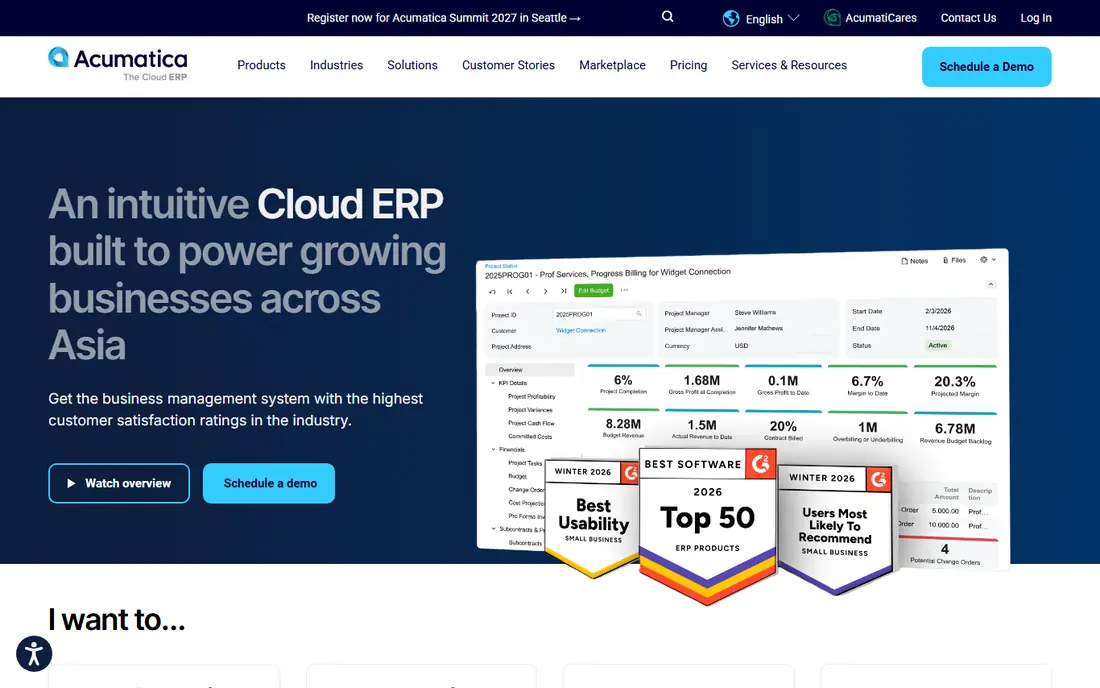
Acumatica is often the first alternative firms test when NetSuite per user fees grow with headcount. Instead of charging for every user, Acumatica prices by resources used, such as transactions and data, and allows unlimited users. That model helps distributors, manufacturers, and project firms where many staff need occasional access without a full licence each. The system covers financials, distribution, manufacturing, project accounting, and CRM, with dashboards and workflows that suit mid market operations. Mobile access helps warehouse and field staff check stock, orders, and jobs without returning to a desk. Acumatica also offers industry editions that preconfigure common processes for distribution and manufacturing. Quote based pricing means you will need a partner proposal to compare total cost with NetSuite. Implementation time, partner experience in your industry, and data migration work matter as much as the licence model. Ask for a total cost estimate over three years, including implementation and support.
- Unlimited users under consumption pricing
- Strong distribution and manufacturing
- Cloud and mobile access
- Pricing is quote based
- Partner quality varies
- Implementation still needs planning

Sage Intacct is a finance first cloud system that suits services, software, nonprofit, and multi entity firms. Its reporting, dimensions, and close tools help finance teams produce management reports without heavy spreadsheet work. Multi entity consolidation and multi currency handling are strengths for groups with several companies or locations. The system also supports revenue recognition, project accounting, and subscription billing, which matter for software and services firms. Dashboards give managers a clear view of cash, revenue, and spend by department, project, or location. That finance depth is why many firms choose Sage Intacct even when they do not need full manufacturing. Inventory and manufacturing depth is thinner than NetSuite or Epicor, so product firms should test stock, order, and production workflows carefully. Pricing is quote based and often sold through partners, so ask for a clear list of modules, users, and support costs before you compare it with other ERPs.
- Strong financial reporting
- Multi entity and multi currency close
- Good for services firms
- Weaker inventory and manufacturing
- Quote based pricing
- Add ons can add cost
Microsoft Dynamics 365 Business Central
Who it suits: Microsoft 365 firms
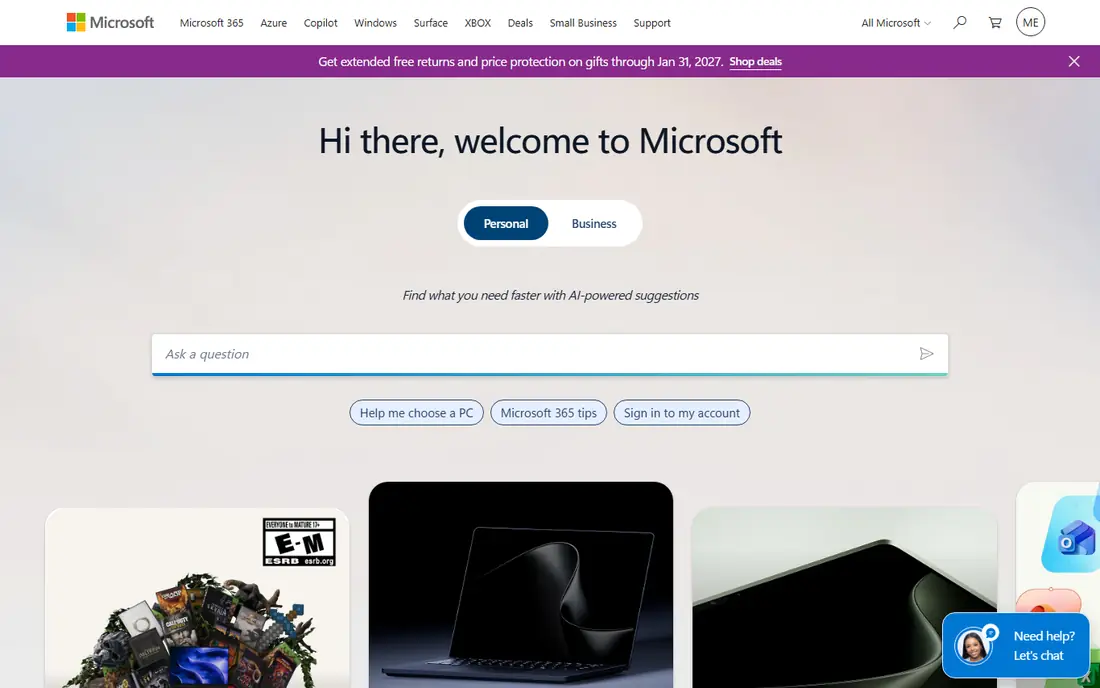
Business Central is a natural fit for firms already using Microsoft 365, Outlook, Teams, and Excel. Users can work with invoices, orders, and reports inside familiar Microsoft tools, which shortens training time. Published per user pricing, with Essentials and Premium tiers, also makes early comparison easier than quote only systems. The system covers financials, sales, purchasing, inventory, and project work, with Premium adding manufacturing and service management. Small and mid sized firms can start with core finance and add modules as they grow. Integration with Power BI helps managers build reports from ERP data without a separate reporting tool. Setup is usually partner led, and complex manufacturing or warehouse needs may require extensions or custom work. Firms should test the Premium tier if they need production, and they should check how Business Central handles multi entity work for their group structure. For Microsoft centred firms, it is a strong NetSuite alternative.
- Tight Microsoft 365 and Teams links
- Published per user pricing
- Familiar Office style interface
- Manufacturing needs Premium tier
- Partner led setup
- Customisation needs developer help
SAP Business One serves small and mid sized manufacturers and distributors that need finance, sales, purchasing, inventory, and production in one system. It has a long history in manufacturing, with bills of material, production orders, and stock control that suit make to stock and make to order work. A large partner network supports implementation in many countries. The system can run on premise or hosted by a partner, which gives firms a choice that pure cloud ERPs do not offer. That flexibility helps firms with specific data or integration needs, though it also means hosting and upgrade paths vary by partner. Firms should ask who hosts the system, how upgrades work, and what support is included. The interface feels older than newer cloud ERPs, and customisation can add cost and time. For firms that value SAP depth and partner support over a modern cloud interface, Business One remains a credible alternative, especially for manufacturing and distribution.
- Integrated finance and operations
- Manufacturing and distribution depth
- Large partner network
- Partner hosted in many cases
- Interface feels older
- Customisation can be costly
Odoo offers a wide set of apps for sales, accounting, inventory, manufacturing, projects, and websites, all under one platform. Small teams can start with a few apps and add more as they grow, which keeps early costs lower than a full ERP suite. A free option with one app and an open source edition also appeal to technical teams that want to configure the system themselves. The modular approach is both a strength and a risk. Core apps are strong, but depth varies, and a firm may need partner help to configure manufacturing, multi warehouse, or complex accounting rules. Upgrades between major versions need planning, since custom code and third party apps may need updates. Odoo suits budget aware firms that are willing to invest time in setup or partner help, and that want a single platform for many business areas. Firms that need deep multi entity finance or large scale manufacturing should test those workflows early and compare Odoo with Sage Intacct or Epicor before they commit.
- Many apps in one platform
- Lower starting price
- Open source option for technical teams
- Depth varies by app
- Upgrades need care
- Support quality varies by partner
Epicor Kinetic is built for discrete manufacturers, including firms that make to order, configure to order, or engineer to order. It covers quoting, engineering, production planning, shop floor control, quality, and supply chain work in depth. That manufacturing focus is why many industrial firms choose Epicor over a general ERP like NetSuite. Shop floor tools, scheduling, and costing help managers see job progress, material use, and margin by job. Integration with CAD and engineering data supports firms where product design and production must stay linked. Epicor also offers cloud deployment, which reduces the need for on premise servers. Outside manufacturing, Epicor can feel heavy and costly. Services firms and simple distributors will find more value in Sage Intacct, Business Central, or Odoo. Manufacturers should ask for a demo using their own bills of material and routing data, since generic demos can hide gaps in complex production work.
- Deep discrete manufacturing
- Make to order support
- Strong shop floor tools
- Quote based pricing
- Overkill outside manufacturing
- Implementation can be long
Infor CloudSuite Industrial, formerly SyteLine, serves manufacturers that build complex, configured, or engineered products. It handles engineering change, project manufacturing, advanced planning, and supply chain work for firms where each order may differ. That depth suits aerospace suppliers, industrial equipment makers, and other engineer to order businesses. Planning tools help firms balance capacity, materials, and lead times across many jobs, while project tools link costs to specific orders. Infor also offers industry specific workflows that can reduce customisation compared with a generic ERP. Cloud deployment brings updates and infrastructure handling from Infor, though implementation still needs careful planning. Projects tend to be enterprise style, with longer timelines and higher services costs than smaller ERPs. Firms should budget for data cleansing, process design, and training, and they should test engineering change and project costing with real orders before they sign.
- Engineer to order depth
- Strong planning tools
- Industry focused design
- Enterprise style projects
- Quote based pricing
- Longer implementation for complex firms
SAP S/4HANA Cloud, also called SAP Cloud ERP, suits larger firms that are willing to standardise processes to gain scale, control, and global reporting. It covers finance, procurement, manufacturing, sales, and supply chain in one enterprise system, with strong controls for multi country and multi currency groups. Firms that outgrow mid market ERPs often test S/4HANA Cloud next. The public cloud edition uses standard processes and regular updates, which keeps the system current but limits customisation. Firms must adapt some workflows to SAP standards rather than changing the software to match old habits. That discipline can improve consistency, but it requires change management and executive support. Cost and project scope are higher than mid market alternatives, so S/4HANA Cloud is not a like for like NetSuite replacement for small firms. It fits larger, growing firms that need enterprise controls and that can support a structured implementation with SAP or a certified partner.
- Deep enterprise finance and operations
- Standardised processes
- Global scale
- High cost
- Limited customisation in public edition
- Needs process discipline
How we picked these
We compared official feature pages, pricing pages, app store listings where relevant, and public reviews for ERP systems that serve as NetSuite alternatives today. We looked at finance depth, inventory and manufacturing strength, pricing model, deployment options, industry fit, and implementation effort. We used first person plural language for our method, and we did not claim hands on testing that did not happen. We also weighed pricing model, since per user, consumption, and quote based models lead to very different three year costs. A system that looks cheap per user can become costly as headcount grows, while a consumption model can grow with transaction volume instead. That view shaped our best for labels and our advice to test workflows with real data.
Choosing a NetSuite alternative
Map your core processes first
List the processes you cannot compromise on, such as multi entity close, inventory control, production planning, or subscription billing. Remove any system that fails a core process, even if it wins on price or interface. A shortlist of two or three systems that pass core tests is better than a long list of general options.
Compare three year total cost
Ask each vendor or partner for licence, implementation, data migration, training, and support costs over three years. Include the cost of add ons, integrations, and user growth. A low first year price can hide renewal increases, module fees, or partner charges that appear later.
Test with your own data
Run a pilot with real products, customers, orders, and financial data. Test month end close, stock checks, order fulfilment, and management reports. A demo with vendor sample data can look smooth while hiding gaps in your own workflows, pricing rules, or approval chains.
Plan migration and change
ERP change affects finance, operations, sales, and warehouse teams. Plan data cleansing, process training, and a cutover period where old and new systems run in parallel where possible. Assign an internal owner for each process, and agree on success measures before go live, such as close time, order accuracy, and report availability.
Frequently asked questions
Is Acumatica cheaper than NetSuite?
It can be, especially for firms with many occasional users, since Acumatica does not charge per user. Total cost depends on transaction volume, modules, implementation, and partner fees, so compare three year costs with real usage data rather than headline licence prices alone.
Which NetSuite alternative is best for manufacturing?
Epicor Kinetic and Infor CloudSuite Industrial lead for discrete and engineer to order manufacturing. SAP Business One suits smaller manufacturers, while Acumatica suits distributors and mid sized manufacturers that want unlimited users. Test production, scheduling, and costing with your own data.
Which alternative is best for finance teams?
Sage Intacct is a strong finance first choice for services and multi entity firms. Dynamics 365 Business Central also offers solid finance with Microsoft integration, while SAP S/4HANA Cloud suits larger firms that need enterprise controls and global reporting.
Can Odoo replace NetSuite for a small business?
Yes, for many small firms, especially if they want a lower starting price and are willing to configure apps or use a partner. Odoo may fall short for deep multi entity finance or large scale manufacturing, so test those areas before you migrate a complex business.
How long does ERP implementation take?
Small Odoo or Business Central projects can take weeks to a few months, while mid market Acumatica, Sage Intacct, or Epicor projects often take several months. Large SAP projects can take a year or more. Timeline depends on data quality, process complexity, and how much customisation you need.
Should I switch from NetSuite or renegotiate?
Renegotiation can work if your main issue is price and you are happy with the system. Switching makes more sense if you need deeper manufacturing, a different pricing model, or Microsoft integration that NetSuite does not offer well. Compare renewal terms with a full alternative proposal before you decide.
Sources we checked (7)

Online Jobs is an independent blog about careers, online work, learning new skills and the tools that help people earn. More about us.
Keep reading
All posts
ZoomInfo Alternatives
The best ZoomInfo alternatives in 2026, compared on price, free plans, data coverage, and which tool fits small teams or large sales teams best in detail.
Workday Alternatives
We compared the best workday alternatives for HR, payroll, and global hiring, from BambooHR and Gusto to Rippling, Deel, and HiBob for growing teams in 2026.
Which SaaS Tools Have the Best Customer Support
Which SaaS tools have the best customer support? Compare eight popular tools on help centres, live help, response options and overall support quality.