iPhone Alternatives in 2026: 9 Phones Compared


Best all-round iPhone alternative · Starting price: See website
How we put this together: we compare official feature and pricing pages, app store listings, privacy policies and public user reviews. Prices change, so check the provider's site before you pay.
Key takeaways
- Samsung Galaxy phones are the closest all-round alternative to an iPhone, with strong cameras, long software support, and wide carrier availability.
- Google Pixel phones are the best alternative for clean Android software and computational photography.
- OnePlus and Xiaomi offer flagship speed for less money, but camera tuning and US carrier support vary by model.
- Budget picks from Samsung and Motorola can match daily iPhone use for far less, if you accept a simpler camera and slower charging.
Quick comparison
| Name | Who it suits | Starting price | Free option | |
|---|---|---|---|---|
| Samsung Galaxy S25 | Best all-round iPhone alternative | See website | No | Visit |
 Google Pixel 10 | Clean Android and smart cameras | See website | No | Visit |
 OnePlus 13 | Fast charging and flagship speed | See website | No | Visit |
 Xiaomi 15 | Camera hardware for the price | See website | No | Visit |
 Samsung Galaxy A56 | Mid-range value with long support | See website | No | Visit |
 Motorola Edge 50 Pro | Clean software at a mid-range price | See website | No | Visit |
 Nothing Phone 3 | Distinct design and clean software | See website | No | Visit |
 Sony Xperia 1 VI | Camera controls and headphone jack | See website | No | Visit |
 Fairphone 6 | Repairability and long-term ownership | See website | No | Visit |
The best iPhone alternatives
Leaving an iPhone is less about finding one perfect replacement and more about choosing which trade-offs matter to you. Some people want the best camera, others want battery life, a lower price, or a phone they can repair. We compared official product pages, specifications, and carrier availability, and we focused on phones you can actually buy and use in the US or widely internationally in 2026.
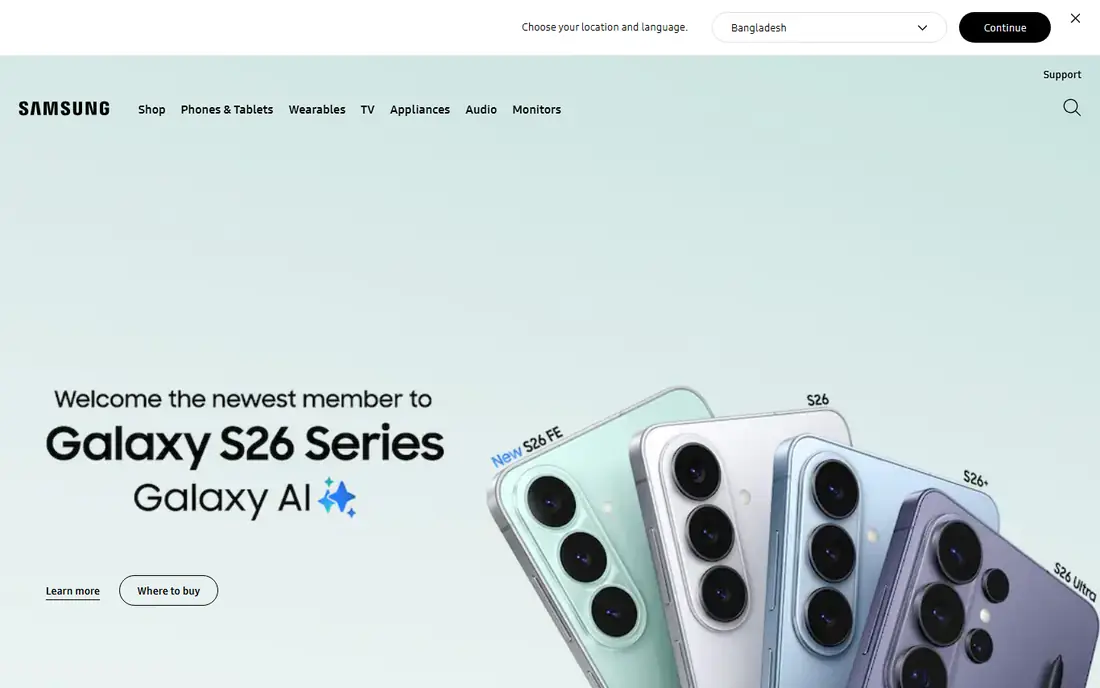
The Galaxy S25 is the safest switch from an iPhone. It is compact, fast, and well supported, with a bright display, reliable cameras, and years of software updates promised by Samsung. Accessories, cases, and carrier deals are easy to find, which removes much of the friction of switching. If you use a Galaxy Watch or Galaxy Buds, the integration is a bonus rather than a requirement.
The main annoyance is software duplication. Samsung ships its own versions of several apps alongside Google apps, and cleaning that up takes time. Storage upgrades also cost more than many buyers expect. Even so, for most switchers, the S25 gives the closest thing to an iPhone experience on Android, without forcing you into one ecosystem.
- Strong cameras and display
- Long software support
- Wide carrier and accessory support
- Software includes duplicate Samsung and Google apps
- Price rises with storage
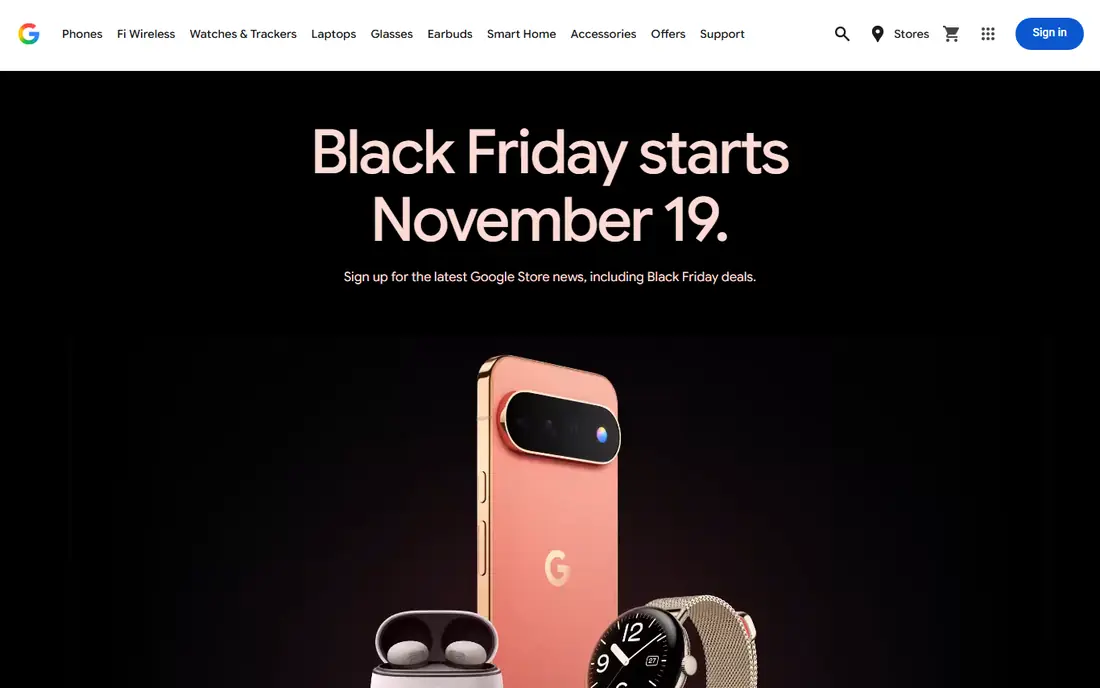
Pixel phones are the best choice if you want Android without extra layers. The software is clean, updates arrive quickly, and Google features for spam call screening, photo editing, and voice typing are genuinely useful day to day. The camera is a particular strength: photos look balanced in mixed light, and portrait and night modes are reliable without manual tweaking.
Battery life is good rather than outstanding, and charging speeds lag behind OnePlus and Xiaomi. Some users also report weaker signal in marginal coverage areas. If camera quality and software simplicity matter more than raw charging speed, the Pixel 10 is the iPhone alternative we would pick first.
- Clean Android with fast updates
- Excellent photo processing
- Useful AI features for calls and photos
- Charging is slower than rivals
- Modem and battery life can vary by use
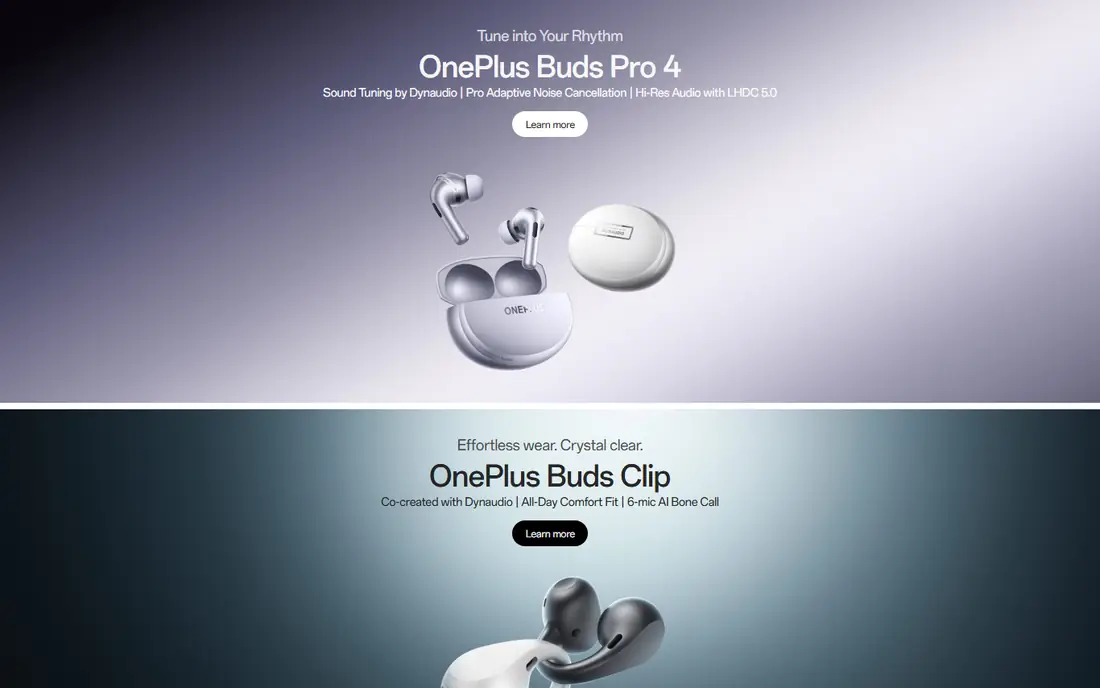
OnePlus built its name on speed, and the OnePlus 13 keeps that focus. It charges far faster than an iPhone, lasts well thanks to a large battery, and feels fluid in daily use. The display is bright and smooth, and the price undercuts Samsung and Apple flagships in many markets. For people who hate waiting for a charge, this is a clear advantage.
The camera is good but not class-leading in every scene, and colour tuning can differ from what Pixel or Samsung produce. US buyers should also check carrier compatibility and 5G bands for their network before ordering. If those checks pass, the OnePlus 13 is a strong value flagship.
- Very fast wired and wireless charging
- Large battery
- Smooth high-refresh display
- Camera tuning is less consistent than Pixel or Samsung
- US carrier support is narrower
Xiaomi 15 offers camera hardware that would cost more from Apple or Samsung, with Leica tuning that many photographers like for colour and detail. Build quality is premium, charging is fast, and performance handles demanding apps without fuss. In markets where Xiaomi sells officially, it is one of the best value flagships available.
The catch for US readers is availability. Xiaomi does not sell this model officially through US carriers in the same way, so warranty, bands, and support need checking before importing. Software also varies by region. Outside the US, or for buyers who understand those limits, it is a compelling alternative.
- Strong Leica-tuned camera system
- Fast charging
- Premium build
- Limited official US availability
- Software includes extra apps and ads in some regions
The Galaxy A56 is the pick for switchers who do not want flagship prices. It covers daily tasks well, has a bright screen, and Samsung promises years of updates, which is rare at this price. Battery life is solid, and you still get Samsung ecosystem features and wide accessory support.
You give up flagship camera quality, especially in low light, and charging is slower. The frame also feels less premium than the S series. Those are fair trade-offs for the saving. If your iPhone use is mainly messaging, photos in good light, maps, and video, the A56 handles it comfortably.
- Long software support for the price
- Good display
- Reliable daily performance
- Camera and charging trail flagships
- Plastic frame feels less premium
Motorola keeps Android close to stock, which makes the Edge 50 Pro feel clean and easy to learn after an iPhone. Charging is fast, the display is smooth, and the phone is well priced for what it offers. Motorola gestures, such as twisting for the camera, are small touches that many owners keep using.
Software support is the weakness. Motorola typically promises fewer years of major updates than Samsung or Google, so long-term owners should weigh that. Low-light photos also lag behind Pixel. If you upgrade every two or three years and want a clean, fast mid-range phone, this is a strong option.
- Near-stock Android
- Fast charging
- Good display for the price
- Update policy is shorter than Samsung or Google
- Camera is mixed in low light
Nothing Phone 3 stands out in a sea of similar phones. The transparent back, light interface, and clean software give it character, and performance is strong for the price. It suits buyers who want something different without paying flagship money or learning a heavy software skin.
The risks are practical. Camera results are good but not top tier, US carrier support needs checking, and Nothing has a shorter track record for long-term updates than Samsung or Google. If design and a clean feel matter to you and you accept those checks, it is a fun and capable alternative.
- Distinct transparent design and light interface
- Clean software
- Competitive price
- Camera and carrier support vary
- Brand is newer, so long-term support is less proven
Sony Xperia phones are made for people who want control. Manual camera settings, a shutter button, a headphone jack, and expandable storage set it apart from iPhone and most Android flagships. Video creators also value Sony colour science and stabilisation options. It is a specialist phone, and it owns that niche well.
That focus comes with a high price and a tall, narrow shape that some hands dislike. Availability and carrier deals are also thinner than Samsung or Google. Buy the Xperia if you will actually use the manual controls and the jack. If not, a Galaxy or Pixel gives you more for less.
- Manual camera controls
- Headphone jack and microSD slot
- Tall 4K-capable display heritage
- High price
- Tall shape is not for everyone
- Availability is limited in some markets
Fairphone 6 is the alternative for buyers who keep phones for years and want to repair them. Battery, screen, and other parts are designed to be replaced with basic tools, and Fairphone aims for long software support. That combination can keep a phone useful far longer than a sealed flagship, and it reduces waste.
Performance and camera quality are mid-range, not flagship, and the phone is thicker than an iPhone. It is also less widely available in the US. If repairability and longevity are your top priorities, those trade-offs are worth it. If camera or speed come first, look at Pixel or Samsung instead.
- User-replaceable parts
- Long software support aims
- Fair materials focus
- Camera and performance trail flagships
- Thicker and heavier than rivals
How we picked these
We compared official product pages, specifications, and availability information for phones that serve as real alternatives to an iPhone, covering flagship, mid-range, and specialist choices. We favoured phones with current software support, a usable camera, and a clear reason to choose them over an iPhone, rather than listing every Android phone on sale. Prices vary by storage, carrier, and region, so we wrote See website for starting prices and suggest checking the vendor store for your exact model.
What to check before you switch
Switching is easier than it used to be, but a few checks prevent regret. Confirm the phone works on your carrier, including 5G bands, and check whether your bank, work apps, and smartwatch will work the same way. Move photos, messages, and contacts with the official transfer tool for the phone you choose, and test it before wiping your old iPhone.
Camera, battery, and ecosystem
Decide what you will miss most. Pixel leads for point-and-shoot photos, Samsung for all-round balance, and OnePlus for charging speed. Battery claims vary by use, so read real-world battery notes for your pattern of use, not just the battery size. If you own an Apple Watch, AirPods, or a Mac, remember that some features will not transfer fully, even if the devices still connect by Bluetooth.
Frequently asked questions
What is the best alternative to an iPhone?
For most people, the Samsung Galaxy S25 or Google Pixel 10 is the best alternative to an iPhone. Samsung is the safer all-round switch, while Pixel suits buyers who want clean software and strong cameras.
What are the best iPhone alternatives for photography?
Google Pixel phones lead for easy, reliable photos, Samsung Galaxy flagships are close behind with more zoom options, and Xiaomi and Sony appeal to photographers who want more hardware control.
Can I switch from iPhone to Android without losing photos?
Yes, in most cases. Use the transfer tool on your new Android phone during setup, back up photos to Google Photos or another cloud service first, and check messaging apps separately, since iMessage history does not transfer directly.
Are Android phones cheaper than iPhones?
Many are, especially mid-range models such as the Galaxy A56 and Motorola Edge 50 Pro. Flagship Android phones can cost as much as an iPhone, so the saving depends on the model you choose, not on Android itself.
Do Android phones get updates as long as iPhones?
It varies. Google and Samsung now promise long update periods for recent flagships, close to Apple in practice, while some mid-range brands promise fewer years. Check the update promise for the exact model before you buy.
Sources we checked (8)

Online Jobs is an independent blog about careers, online work, learning new skills and the tools that help people earn. More about us.
Keep reading
All posts
Who Has the Best Home Internet Service
Find who has the best home internet service for your address, with fiber, cable, 5G, and satellite providers compared on price, speed, and coverage here.

Best Robotics Companies
Compare the best robotics companies in 2026, from humanoids to factory robots, with focus areas, deployments, and honest limits for buyers and pilots.
Best Phone Company to Switch To
Compare the best phone company to switch to, from low-cost Visible and Mint Mobile to full-service T-Mobile, Verizon and AT&T, with prices and trade-offs.