Best Robotics Companies in 2026: 8 Companies Compared


Mobile and humanoid research · Starting price: See website
How we put this together: we compare official feature and pricing pages, app store listings, privacy policies and public user reviews. Prices change, so check the provider's site before you pay.
Key takeaways
- Boston Dynamics, Figure AI, and Tesla lead humanoid work, but most humanoids are still in pilots, not open sale to the public.
- Agility Robotics leads on real warehouse deployments with Digit, while ABB, FANUC, KUKA, and Universal Robots lead on factory robots you can buy today.
- The best company depends on the job: factory automation, warehouse logistics, surgery, or research, not on headlines alone.
- Humanoid prices, timelines, and capabilities change fast, so check the company site for current deployment status before you plan a purchase.
Quick comparison
| Name | Who it suits | Starting price | Free option | |
|---|---|---|---|---|
| Boston Dynamics | Mobile and humanoid research | See website | No | Visit |
 Figure AI | Humanoid factory pilots | See website | No | Visit |
 Tesla Optimus | Large-scale humanoid plans | See website | No | Visit |
 Agility Robotics | Warehouse humanoids | See website | No | Visit |
 ABB Robotics | Factory automation | See website | No | Visit |
 FANUC | Industrial robots | See website | No | Visit |
 KUKA | Automotive and industrial robots | See website | No | Visit |
 Universal Robots | Collaborative robots | See website | No | Visit |
The best robotics companies
Robotics in 2026 splits into two worlds. One world is humanoid robots in factories and warehouses, still mostly in pilots. The other world is industrial and collaborative robots that factories buy, install, and run today. The companies below cover both worlds, and we compared official company pages, deployment news, and public reviews.
Boston Dynamics suits a buyer or researcher who values mobility and whole-body control above all else. Spot, the quadruped robot, is in commercial use for inspection, mapping, and remote monitoring in industrial sites. Atlas, the humanoid, moved from hydraulic to fully electric actuation, with a focus on dynamic movement and manipulation in factory settings. The catch is availability. Spot can be bought or leased through Boston Dynamics channels, but Atlas remains in development and deployment with partners such as Hyundai, not a product you can order online. Boston Dynamics earns its place on mobility and research depth, not on open humanoid sales. Check current Spot pricing and Atlas deployment status on the company site before you plan around either robot.
- Long record in legged robots
- Spot in commercial use for inspection
- Electric Atlas in development for factory work
- Atlas is not sold as a general consumer product
- Pricing is project based
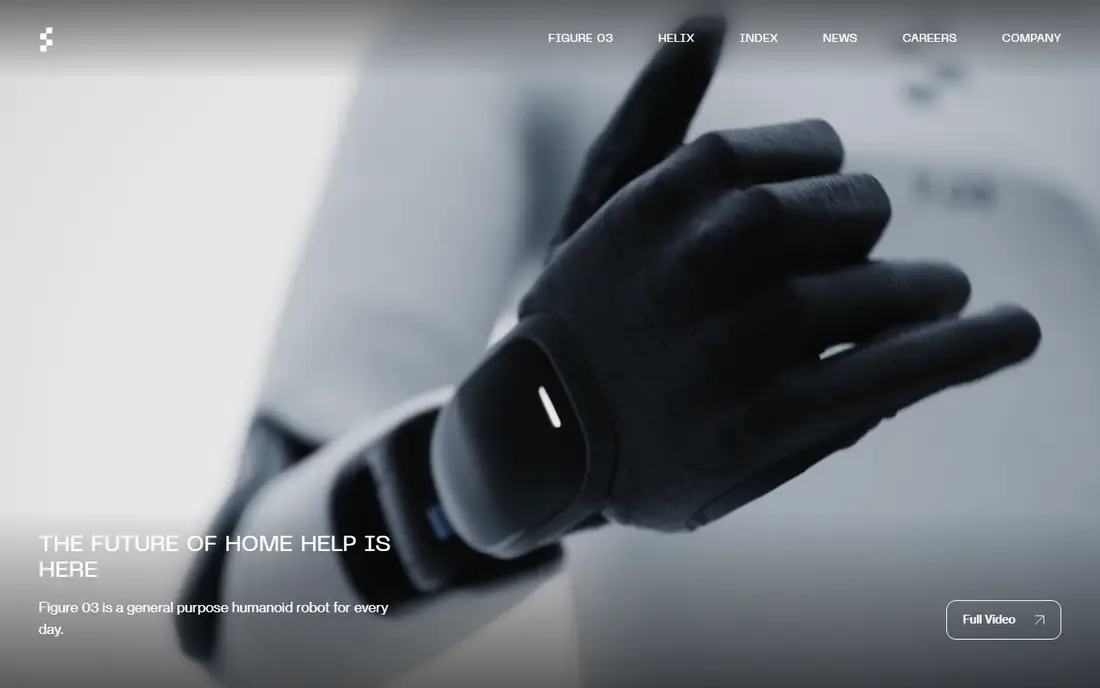
Figure AI fits a manufacturer that wants to pilot a general-purpose humanoid for factory and warehouse tasks. Figure 02 and later Figure 03 models show language-guided manipulation, such as picking, placing, and handling parts in structured settings. Pilots with BMW gave Figure real factory data, which matters more than a lab demo. The limit is access. Figure robots are deployed through partnerships and pilots, not sold to individual buyers, and pricing is not published. A factory team should contact Figure about pilot criteria, safety requirements, and integration work. A home buyer or small business should not plan a purchase around Figure in 2026, because the product is not on open sale.
- Strong AI manipulation and language-guided tasks
- Pilots with BMW and other partners
- Rapid hardware iterations
- Not sold to the public
- Pricing and timelines are not published as a consumer list price
Tesla Optimus suits a watcher who cares about scale. Tesla aims to build humanoids at automotive volumes, with a stated ambition for a much lower unit cost than rivals if production reaches scale. Internal deployments in Tesla facilities test factory tasks, and later generations add dexterity and smoother movement. The honest catch is that Optimus remains an internal project in 2026, not a product with a public price or order page. Published ambitions for a $20,000 to $30,000 unit cost are targets, not a list price. Treat Tesla as the scale bet in this list, not as a robot you can buy today, and check Tesla company updates for deployment news.
- Huge manufacturing capacity if production scales
- AI work linked to Tesla vehicle programs
- Clear low-cost ambition
- Optimus is not sold to the public in 2026
- Timelines and final price are not confirmed
Agility Robotics fits a logistics operator that wants a humanoid for a defined warehouse job today, not a general-purpose robot for every task. Digit handles totes, moves items between stations, and works alongside people in warehouse settings. Deployments with Amazon and other logistics partners give Digit the strongest commercial deployment record among humanoids in this list. That focus is also the limit. Digit is built for logistics tasks, not for home use or general factory work. Pricing is project based, tied to deployment size, integration, and support. A warehouse team should ask about throughput per shift, safety certification, and integration with existing conveyors and warehouse systems before a pilot.
- Digit in real warehouse deployments, including Amazon pilots
- Focus on tote handling and logistics
- Human-safe design focus
- Narrower task range than a general humanoid
- Pricing is project based
ABB Robotics suits a manufacturer that needs a proven industrial robot with global support. The range covers articulated arms, collaborative robots, and specialized cells for welding, assembly, painting, and material handling. ABB robots run in automotive plants, electronics factories, and food facilities worldwide, with service networks to support them. The trade-off is project cost. A robot arm price is only part of the total, with integration, safety fencing or collaborative safety setup, programming, and maintenance adding cost. ABB earns its place on breadth and support, not on low entry price. Work with an ABB partner to size the robot, payload, and reach for your exact task before you buy.
- Broad industrial and collaborative robot range
- Global service network
- Strong automotive and electronics coverage
- Enterprise purchase with integration costs
- Robot choice needs expert sizing
FANUC fits a manufacturer that values reliability and a large support ecosystem. FANUC robots handle welding, assembly, handling, and precision tasks in automotive and electronics plants, with a huge installed base that makes parts, training, and integrators easier to find. That ecosystem matters when a line must run with little downtime. The catch is complexity for a first-time buyer. Robot selection, programming, and safety setup need skilled staff or an integrator partner. FANUC is not a plug-and-play purchase for a small workshop without automation experience. It is our pick for a plant that needs proven industrial performance at scale and can support integration properly.
- Very large installed base
- Strong reliability record
- Broad range for automotive and precision work
- Enterprise purchase
- Programming and integration need skilled staff or a partner
KUKA suits an automotive, aerospace, or electronics manufacturer that needs heavy-duty industrial robots with precise motion control. KUKA arms handle welding, assembly, handling, and machining support, and the company also offers collaborative robots for tasks that need closer human interaction. The integrator network helps plants design cells around KUKA robots. As with ABB and FANUC, total cost includes integration, safety, programming, and maintenance, not just the arm. KUKA earns its place on industrial depth and automotive experience. A buyer should compare payload, reach, repeatability, and service coverage for the exact task, rather than choosing on brand alone.
- Strong automotive and aerospace coverage
- Broad industrial and collaborative range
- Global integrator network
- Enterprise purchase with integration costs
- Product choice needs careful sizing
Universal Robots fits a small or mid-size manufacturer that wants automation without a full safety cage or a large integration project. Collaborative robots, often called cobots, handle pick-and-place, machine tending, assembly, and packaging tasks near people, with safety settings that slow or stop the arm on contact. Programming is simpler than many industrial arms, which helps a small team. The limit is payload and speed. A cobot cannot replace a large industrial arm for heavy welding or high-speed automotive work. Universal Robots earns its place as the most accessible industrial robot in this list for small teams. Check payload, reach, and safety risk assessment for your task, and start with one cell before you automate a whole line.
- Collaborative robots designed to work near people with safety setup
- Easier programming than many industrial arms
- Strong small-business fit
- Lower payload than large industrial arms
- Not suited to heavy or high-speed industrial tasks
How we picked these
We compared official company pages, deployment news, and public reviews, and we checked that each homepage loads and matches the company named. We kept companies with real products or real deployments in 2026, from factory robots on sale today to humanoids in pilots, and we marked pilot status clearly where a robot is not on open sale. Prices are shown as See website because industrial and humanoid robots are priced by project, payload, and deployment size, not by a single consumer list price.
What to check before you buy or pilot
Start with the task, not the robot type. Write down the item, weight, cycle time, and workspace for the job. A humanoid is the wrong tool for a heavy welding cell, and a large industrial arm is the wrong tool for tote handling in a warehouse aisle.
Check safety and integration first
Ask for safety certification, risk assessment guidance, and integration requirements. Humanoids and cobots need clear rules for working near people, and industrial arms need fencing or safety systems. Budget for integration, training, and maintenance, not just the robot.
Run a pilot on your own work
Test the robot on your real parts, in your real workspace, at your real cycle time. A demo video with ideal parts hides grip, lighting, and layout problems. A pilot with your parts gives a true throughput figure and a true failure rate.
Compare total cost per task
Compare purchase or pilot cost, integration, maintenance, downtime, and labor saved per task. A cheaper robot that needs constant fixes can cost more than a pricier robot that runs reliably. Keep the comparison tied to one task, not to general claims about automation.
Frequently asked questions
What is the best robotics company in 2026?
There is no single best company, because factory robots and humanoids serve different jobs. ABB, FANUC, and KUKA lead factory automation, Universal Robots leads accessible cobots, and Agility Robotics leads warehouse humanoid deployments. Boston Dynamics, Figure AI, and Tesla lead humanoid research and pilots.
What is the best robot company for warehouses?
Agility Robotics suits warehouse tote handling with Digit in real deployments. ABB and FANUC also offer warehouse automation through industrial arms and mobile robots, depending on the task. Test throughput and safety on your own warehouse layout before you choose.
What is the best robotic company for home use?
No humanoid in this list is sold as a general home product in 2026. Home buyers should watch Figure AI, Tesla Optimus, and Boston Dynamics Atlas for future consumer plans, but plan purchases around products that are actually on sale today, such as home cleaning robots from other makers.
Can I buy a humanoid robot today?
You can buy Spot from Boston Dynamics and some research humanoids from other makers, but Figure, Tesla Optimus, and Atlas are not on open public sale as general products in 2026. Research humanoids from makers such as Unitree are sold to researchers and developers, subject to availability and export rules.
Which robotics company is best for small manufacturers?
Universal Robots suits small manufacturers that need cobots for pick-and-place, machine tending, and packaging. ABB also offers smaller collaborative models. Start with one cell, check payload and safety needs, and expand only after the first cell runs reliably.
How much does an industrial robot cost?
Industrial robot costs vary widely by payload, reach, integration, and support, and humanoid pricing is project based. Get a written quote for your exact task, including integration, safety setup, programming, and maintenance, rather than relying on a headline arm price.
Sources we checked (8)

Online Jobs is an independent blog about careers, online work, learning new skills and the tools that help people earn. More about us.
Keep reading
All posts
Best Phone Company
Looking for the best phone company in 2026? We compared 9 US carriers on price, coverage, data and perks so you can pick the right plan for your line.
Best Online Tools to Measure Ping Time
Looking for the best online tools to measure ping time? We compare 9 free tools for latency, jitter, and global reach, so you can find slow connections fast.
Best Machine Learning Platform
Compare the best machine learning platform options for teams and learners, with cloud, AutoML, open source and pricing trade-offs explained in full detail.