I Hope This Email Finds You Well Alternatives in 2026: 8 Options Compared

How we put this together: we compare official feature and pricing pages, app store listings, privacy policies and public user reviews. Prices change, so check the provider's site before you pay.
Key takeaways
- The best replacement for a tired opening is a specific first line about the reader, the project or the reason for writing.
- Formal openings work best when they are short and respectful, not when they add extra pleasantries before the point.
- Warm openings suit people you already know, while direct openings suit cold outreach and busy recipients.
- Writing tools can polish tone and grammar, but they cannot replace a first line that shows you know who you are writing to.
- Keep the opening to one line, then state your reason for writing in the next sentence.
Quick comparison
| Name | Who it suits | Starting price | Free option | |
|---|---|---|---|---|
 Grammarly | Polishing tone and grammar in email | Free | Yes | Visit |
 ProWritingAid | Deep style checks for longer messages | See website | Free trial | Visit |
 LanguageTool | Multilingual grammar checking | Free | Yes | Visit |
 QuillBot | Rephrasing a stiff opening | Free | Yes | Visit |
 Wordtune | Rewriting a sentence in a warmer tone | Free | Yes | Visit |
 Flowrite | Turning short notes into full emails | See website | Free trial | Visit |
 Lavender | Sales and outreach email coaching | See website | Free trial | Visit |
 Hemingway Editor | Cutting wordy openings down to size | Free | Yes | Visit |
The best i hope this email finds you well alternatives
The phrase "I hope this email finds you well" is not rude, but it is so common that readers skim past it. The options below pair a practical opening style with a tool that helps you write it cleanly, so you can pick the tone that fits each recipient.
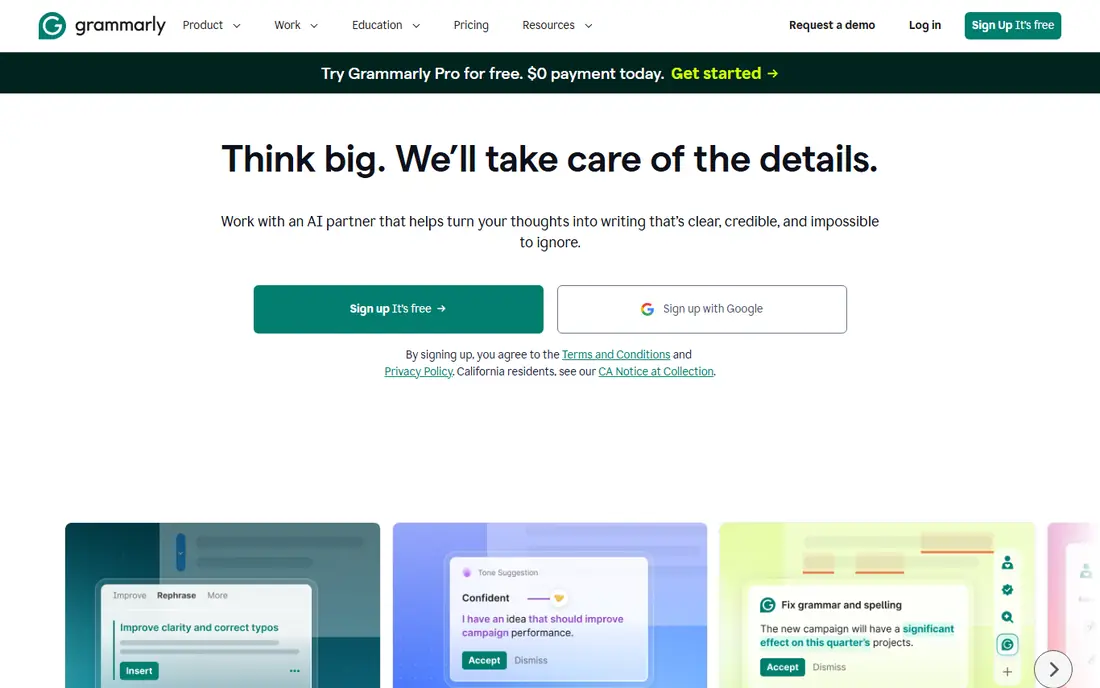
Start with a direct opening such as "I am writing about our Tuesday meeting" and let Grammarly check the grammar and tone around it. The browser extension and email integrations catch awkward phrasing before you send, and tone detection helps you spot when a message reads colder than you meant. That matters most in formal email, where a small wording slip can change the whole impression.
The catch is over-acceptance. If you accept every suggestion, your opening can end up sounding generic again, just in a grammatically perfect way. Use Grammarly as a second pair of eyes, not as the author. Write the specific first line yourself, then let the tool tidy it.
- Works inside Gmail and Outlook
- Tone suggestions
- Free plan covers basic grammar
- Premium features sit behind a paid plan
- Suggestions can flatten a personal voice if accepted blindly
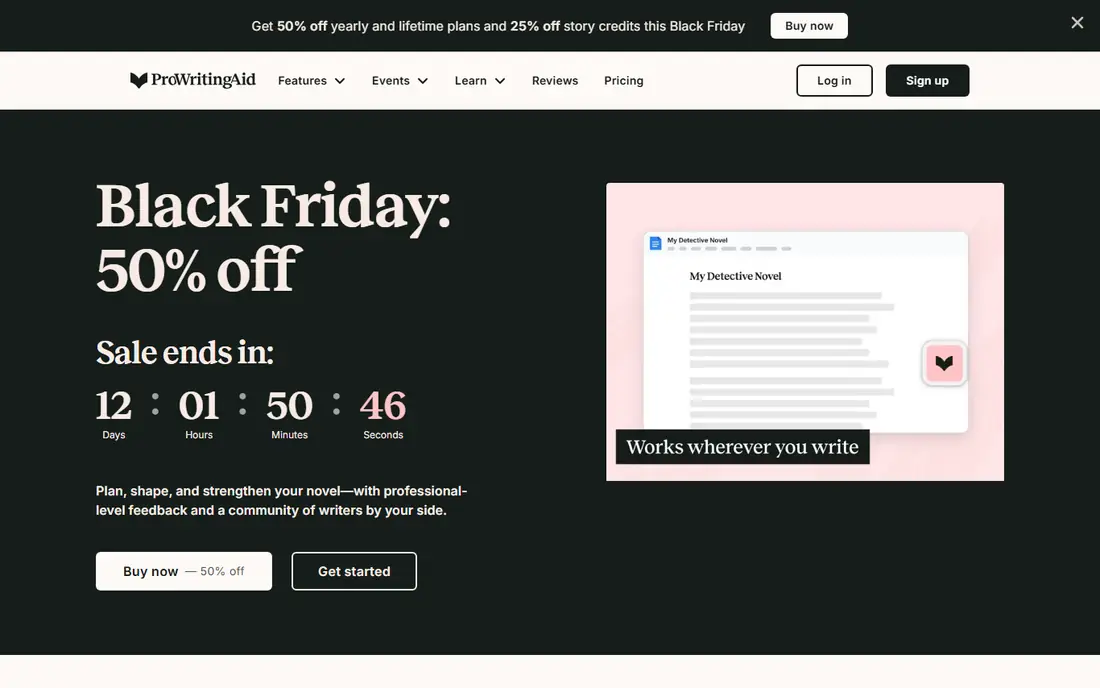
ProWritingAid suits the longer formal email where the opening is only the start of a careful message, such as a proposal or a complaint. Its reports flag wordy sentences, repeated phrases and readability problems, which helps you replace a vague pleasantry with a clear first paragraph. For a short note to a colleague, that depth is more than you need.
Use it when the stakes are higher. Draft your opening as "Thank you for your time last week" followed by the point, then run the full message through ProWritingAid and cut any sentence that does not add information. The result is formal without being stiff, which is exactly what a good alternative opening should achieve.
- Detailed style and readability reports
- Good for longer formal messages
- Integrates with Word and browsers
- Depth can feel heavy for a short email
- Full features need a paid plan
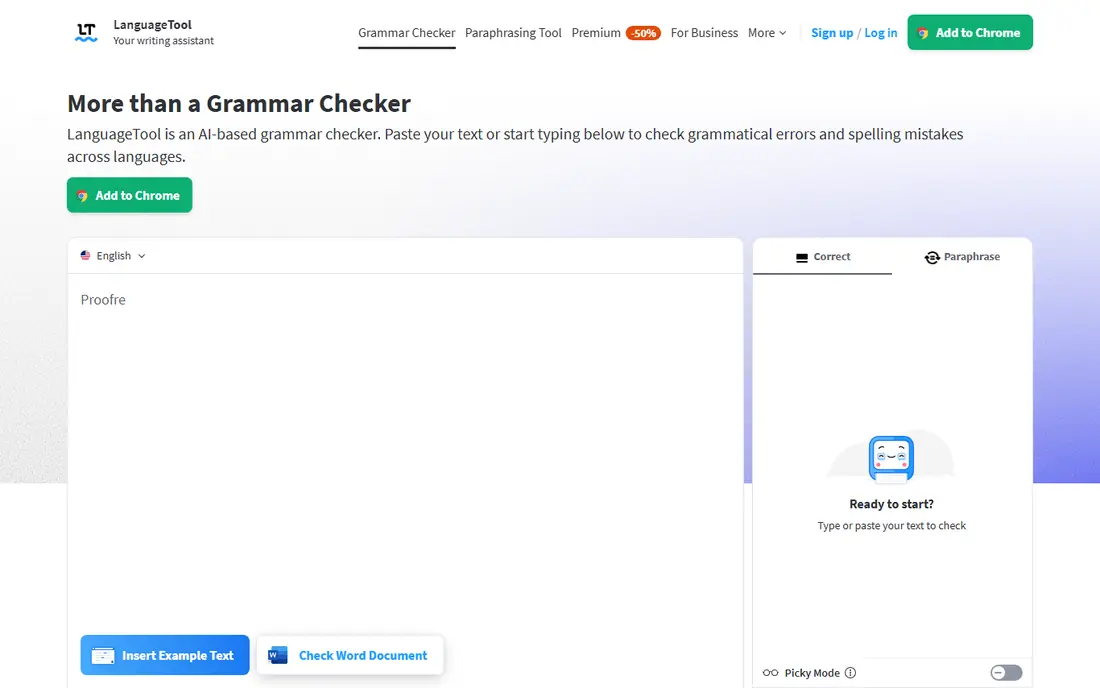
LanguageTool is the best pick if you write professional email in more than one language, or if English is not your first language. A formal alternative such as "I hope you are having a good week" is easy to get slightly wrong in tone, and LanguageTool catches grammar slips that change meaning. Its free plan is genuinely useful for everyday email.
The limit is style depth. LanguageTool checks correctness well but offers less tone coaching than Grammarly or Lavender, so the choice of opening still rests with you. Pair it with a specific first line about the reader's work, such as "Following up on your note about the budget", and LanguageTool will keep the rest of the message clean.
- Strong free plan
- Supports many languages
- Browser extension available
- Style suggestions are lighter than Grammarly
- Premium features need a paid plan
QuillBot helps when you know your opening sounds stiff but you cannot find a better version. Paste in "I hope this email finds you well" and try the paraphraser in formal and standard modes, then pick the version that sounds most like you. It often produces lines such as "I wanted to reach out about" or "I am getting in touch regarding", which are plainer and faster to read.
Do not send the first paraphrase untouched. QuillBot gives you raw material, not a finished opening, and the best result usually comes from editing its suggestion into something specific, such as "I am getting in touch about the contract draft you shared". Use it to break the blank-page problem, then make the line your own.
- Paraphraser offers several tones
- Free plan usable
- Good for unsticking a draft
- Rephrased text still needs a human edit
- Premium modes need a paid plan
Wordtune is useful for the middle ground between formal and friendly. If your draft opens with a stiff pleasantry, Wordtune can suggest a warmer version in one click, and you can compare formal and casual rewrites side by side. That makes it a good tool for messages to people you know well but still need to address professionally, such as a client you have worked with for months.
Watch for drift. A rewrite that sounds warmer can also soften a request until it is unclear, so read the new version as the recipient would. The best use is narrow: rewrite the opening line only, keep the request sentence exactly as you wrote it, and you get warmth without losing clarity.
- Sentence-level rewrites
- Casual and formal tones
- Works in browsers and documents
- Free plan has daily limits
- Rewrites can drift from your intended meaning
Flowrite suits routine emails where the opening is the hardest part because the message itself is simple. Give it short notes such as "ask for meeting, next week, project update" and it drafts a full email with a polite opening and a clear close. That saves time on the tenth similar email of the week, when a fresh opening is hard to invent.
The risk is sameness. Flowrite drafts can sound polished but generic, which defeats the purpose of replacing a stock phrase. Always add one specific detail before you send, such as the project name, the last conversation or the deadline. With that detail in place, Flowrite is a fast way to produce a clean, professional opening.
- Turns bullet notes into a full email draft
- Tone options
- Good for routine outreach
- Needs a paid plan for full use
- Drafts still need a personal edit before sending
Lavender is the most opinionated tool on this list, and that is its strength for cold outreach. It scores your email as you write, flags filler phrases and pushes you toward a shorter, more specific opening. A cold email that starts "I saw your team's work on" will score better than one that starts with a generic pleasantry, and Lavender shows you why.
Lavender is less useful for internal or formal correspondence, where its sales framing can feel out of place. It also works best inside Gmail and Outlook, so writers on other platforms get less value. Use Lavender when the email needs to earn a reply from a stranger, and use a simpler checker for everyday internal mail.
- Email scoring and coaching inside Gmail and Outlook
- Helps cut filler
- Outreach-focused
- Built for sales outreach, so less useful for internal email
- Full features need a paid plan
Hemingway Editor is the simplest tool here, and sometimes the most effective. Paste your opening paragraph and it highlights long sentences, passive voice and adverbs, which are the usual hiding places for filler. An opening such as "I hope this email finds you well and that you are having a productive week" will be flagged as wordy, and the fix is obvious: cut it to the point.
Hemingway does not check grammar, so pair it with Grammarly or LanguageTool for a final pass. Its blunt advice is the point, though. If your opening survives Hemingway without highlights, it is probably short and clear enough to send. That is a good test for any alternative opening, formal or friendly.
- Free browser version
- Highlights hard sentences and passive voice
- Forces shorter writing
- No grammar checking
- Desktop app is paid
- Style advice is blunt by design
How we picked these
We compared official feature and pricing pages, plus public reviews, and kept only tools that are live and actively sold in October 2026. We paired each tool with a practical opening style so the list works as writing guidance, not just as software reviews. Where a price could not be verified on the vendor's own page, we wrote "See website" rather than guessing. We did not claim hands-on testing; our comparison rests on published features, pricing and integrations.
Choosing the right opening for each email
Match the opening to the relationship. For a stranger, use a specific observation: "I read your article on" or "I am writing about the role you posted". For a known contact, a brief warm line works: "Good to speak last week" or "Thanks for sending that over". For a formal recipient, keep it respectful and short: "I am writing to ask about" or "Thank you for your time".
A simple formula that replaces the stock phrase
Use one line of context, then your reason for writing. For example: "Following our call on Thursday, I am writing to confirm the start date." That formula works for formal, friendly and cold email alike, because the context line does the work that a generic pleasantry only pretends to do. Keep the whole opening under two sentences, and put the request or question early.
Frequently asked questions
What are good alternatives to "I hope this email finds you well"?
Good alternatives include "I am writing about", "Following up on", "Thank you for your time last week" and "Good to speak on Tuesday". The best choice is a specific line about the reader or the project, followed straight away by your reason for writing.
What are formal alternatives to "I hope this email finds you well"?
Formal alternatives include "I am writing to enquire about", "Thank you for your recent message" and "I wanted to follow up on our recent discussion". Keep formal openings short and respectful, and avoid adding extra pleasantries before the point of the email.
Is "I hope this email finds you well" rude?
No, it is polite but overused, so many readers skim past it without registering warmth. It is not a mistake to use it occasionally, but a specific opening usually makes a better impression and gets to the point faster.
How do I start a cold email without this phrase?
Start with something specific to the recipient, such as their work, a recent post or a shared connection, then state why you are writing in the next sentence. Tools such as Lavender and Flowrite can help shape that opening, but the specific detail must come from you.
Should I use a greeting at all in a short email?
A brief greeting still helps in most professional email, even a short one. One line such as "Hi Sarah," followed by your point is enough. The greeting shows respect, while the opening line should carry real information rather than filler.
Sources we checked (8)

Online Jobs is an independent blog about careers, online work, learning new skills and the tools that help people earn. More about us.
Keep reading
All posts
Zoom Alternatives
Zoom alternatives compared for 2026: Google Meet, Microsoft Teams, Webex, Jitsi and more for free calls, large meetings and webinars for teams and classrooms.
Which Software Is Best for PDF Page Removal
Which software is best for PDF page removal? We compare free and paid tools for deleting pages quickly, safely, and without harming your file in this guide.

Which Software Is Best for Data Entry
Compare the best data entry software for forms, OCR scanning, and spreadsheets, with free plans, pricing, and honest limits for each tool before you commit.