HeyGen Alternatives in 2026: 8 Tools Compared

How we put this together: we compare official feature and pricing pages, app store listings, privacy policies and public user reviews. Prices change, so check the provider's site before you pay.
Key takeaways
- Synthesia is the closest like-for-like HeyGen replacement, with strong governance features for business and training teams.
- Colossyan is the best pick for training courses, with SCORM export and quizzes built in.
- D-ID is the cheapest paid entry point, and its API suits developers building avatar features into their own products.
- Elai is best for turning slides, PDFs and articles into presenter videos quickly.
- Hedra, Vidnoz, VEED and Tavus cover different niches, from photo lip-sync to short-form ads and live conversational avatars.
Quick comparison
| Name | Who it suits | Starting price | Free option | |
|---|---|---|---|---|
 Synthesia | Business and training video | $18 per month | Yes | Visit |
 Colossyan | Training courses and SCORM | $59 per month | Yes | Visit |
 D-ID | Budget photo avatars and API | $4.70 per month | Free trial (14 days) | Visit |
 Elai | Slides and documents to video | $23 per month | Yes | Visit |
 Hedra | Photo lip-sync and characters | $20 per month | Yes | Visit |
 Vidnoz | Generous free tier | See website | Yes | Visit |
 VEED | Avatars inside a video editor | $12 per month | Yes | Visit |
 Tavus | Live conversational avatars | $22 per month | Yes | Visit |
The best heygen alternatives
HeyGen is popular for realistic AI avatars and fast video creation, but it is not the right fit for everyone. Some teams need training features such as SCORM export, some need a cheaper entry point, and some want avatars inside a full video editor rather than a standalone tool. We compared official pricing pages and feature lists to find alternatives that cover each reason people look elsewhere, and we note where credit or minute systems make headline prices hard to compare.
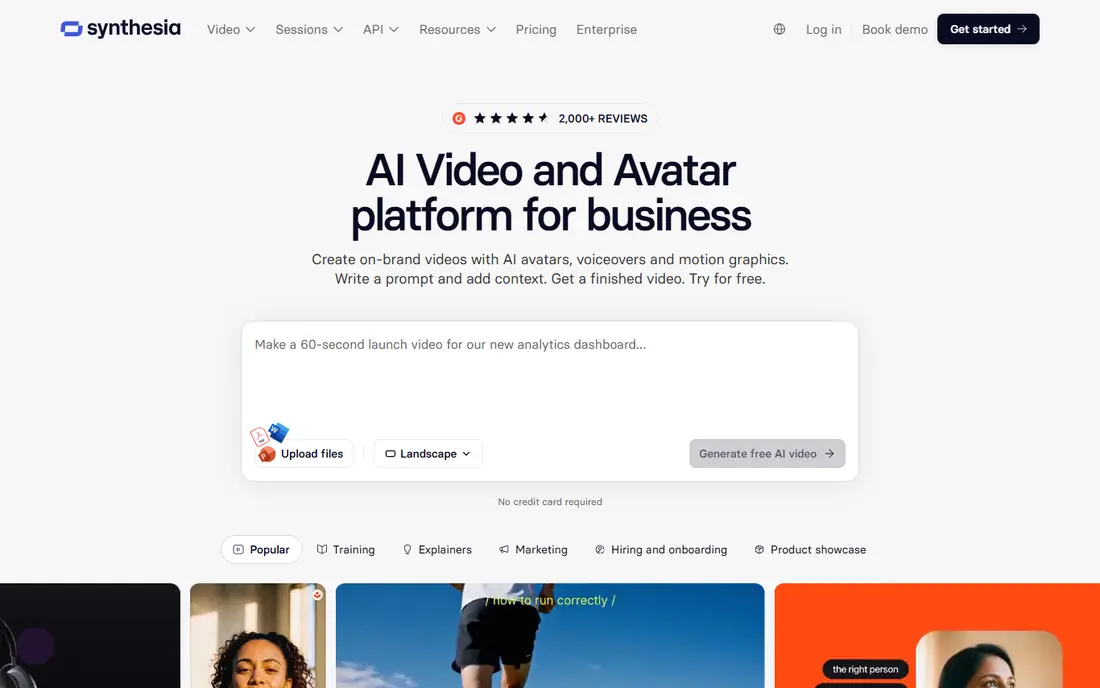
Synthesia is the most direct HeyGen replacement, with a similar workflow: type a script, pick an avatar, and generate a presenter video in many languages. It adds business features that matter at scale, including brand kits, roles and approvals, analytics, and SCORM export for learning systems. The Starter plan costs $18 per month billed annually, or $29 month to month, with around 10 minutes per month included.
The free plan is useful for testing but produces watermarked videos, and heavy users will need higher tiers as minutes accumulate. If you want a polished, well-governed alternative to HeyGen for internal communications and training, Synthesia is the first tool to try.
- Large avatar and language range
- Strong governance and approvals
- SCORM publishing
- Free plan videos are watermarked
- Paid minutes add up at volume
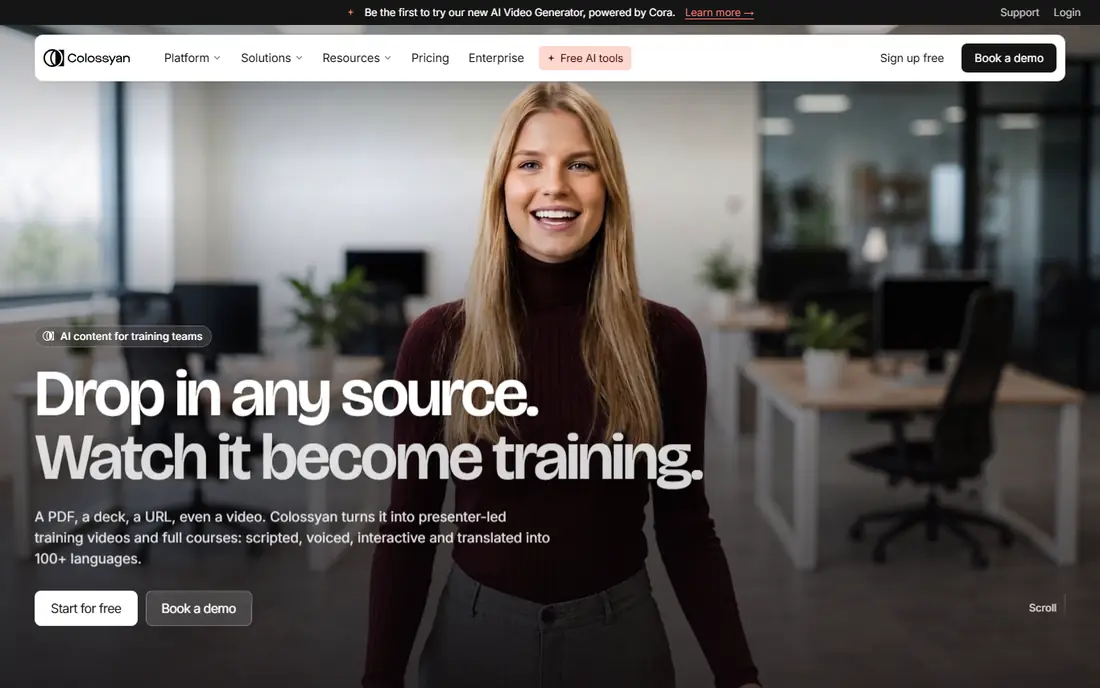
Colossyan is built for learning teams rather than marketers. It turns documents, decks and URLs into presenter-led training videos and full courses, adds interactive elements such as quizzes and branching scenarios, and exports to SCORM for learning management systems. A free Starter tier offers 20 NEO minutes per month, while the Professional plan costs $59 per month billed annually.
That entry price is higher than HeyGen or Synthesia, and the tool is less focused on snappy social ads. For onboarding, compliance and course creation, though, Colossyan covers the training workflow more completely than any other alternative here.
- Built for training and courses
- SCORM export
- Quizzes and branching
- Higher entry price
- Less suited to short marketing clips
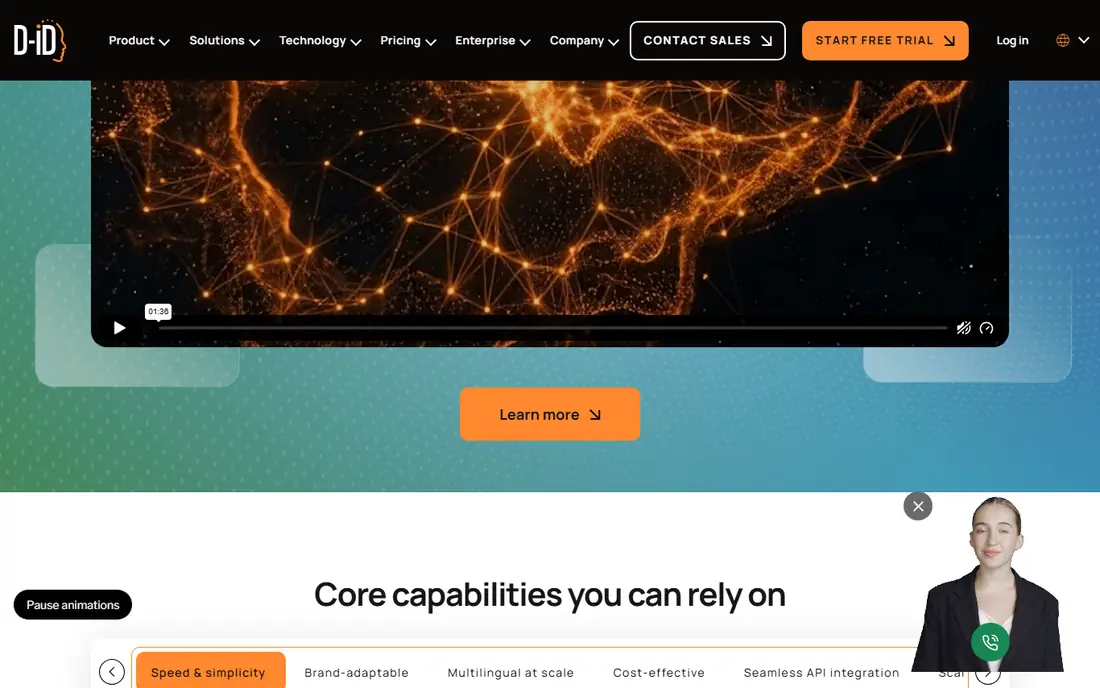
D-ID takes a different approach: it animates photos and portraits into talking avatars, which suits personalised marketing, training presenters and product integrations. Its Lite plan costs $4.70 per month billed annually, or $5.90 month to month, with 10 minutes per month, making it the cheapest paid route on this list. A mature API and integrations with PowerPoint, Canva and Google Slides extend it further.
Video length is capped at five minutes per video, and premium presenters need higher plans. If you want affordable photo avatars, or you are a developer adding avatars to your own app, D-ID is excellent value.
- Cheapest paid entry
- Photo-to-video avatars
- Mature API and integrations
- Shorter video limits
- Premium presenters not on Lite plan
Elai shines when you already have content and need it as video. Upload a PowerPoint deck, a PDF or a URL, and Elai turns it into a presenter video with slides, narration and translation in many languages. Voice cloning in 28 languages and an article-to-video converter add to its usefulness for content teams. The Creator plan costs $23 per month billed annually, or $29 month to month, with 15 minutes per month included.
Its avatar range is smaller than Synthesia or HeyGen, and extra minutes cost around $2 each, so volume adds up. For teams converting existing documents into training or marketing videos, Elai saves the most time.
- PPTX, PDF and URL to video
- Voice cloning
- Article-to-video conversion
- Smaller avatar library than Synthesia
- Extra minutes cost $2 each
Hedra is a favourite for character work: start from one photo, add audio, and get a talking character with convincing lip-sync. That makes it popular with creators making short-form content, memes and character videos rather than corporate training. The Basic plan costs $20 per month with 2,000 credits per month, and a free tier offers a small one-time credit grant.
It is not a training platform with SCORM or LMS features, and its credit system takes care to understand before committing. If your goal is expressive character video rather than presenter-led training, Hedra is a strong creative alternative to HeyGen.
- Strong lip-sync from a single photo
- Character-focused tools
- Creative flexibility
- Less of a business training platform
- Credit system needs watching
Vidnoz offers one of the most usable free tiers among HeyGen alternatives, with short videos at 720p and a broad set of avatars and templates. Beyond avatars, it bundles other AI video tools such as voice cloning, translation and talking photos, which makes it a handy all-in-one for small creators. Paid plans are credit-based, so check the current pricing page before buying.
The credit system means the cost per finished minute depends on which avatar engine you choose, and premium expressive avatars cost more than standard ones. For trying AI avatar video without paying, or for low-volume use, Vidnoz is the easiest free starting point.
- Usable free tier
- Large avatar and template range
- Many AI video tools in one place
- Credit-based pricing can confuse
- Premium avatars cost more
VEED is a full online video editor that also offers AI avatars, which suits creators who need editing, subtitles, captions and avatars in one place. You can generate an avatar clip, cut it with other footage, add text and captions, and export for social platforms without switching tools. The Creator plan costs around $12 per month billed annually, and a free plan covers basic use with a watermark.
Avatar quality and range are not as deep as dedicated tools such as Synthesia or HeyGen, since avatars are one feature among many. If editing matters as much as the avatar itself, VEED is the most practical alternative.
- Full video editor around avatars
- Subtitles and editing tools
- Easy sharing
- Avatars are one feature, not the whole product
- Watermark on free plan
Tavus is a different kind of alternative: instead of recorded presenter videos, it builds real-time conversational avatars that can talk with users, answer questions and carry out tasks. That suits customer onboarding, sales outreach, coaching and support, where a two-way conversation matters more than a polished one-way video. Plans start at around $22 per month, with a free tier offering roughly 20 minutes.
It is not the tool for recording a standard training video, and its pricing and setup suit teams building interactive experiences. If your HeyGen use case involves live interaction rather than recorded clips, Tavus is the alternative that actually fits.
- Real-time conversational video agents
- Personalisation at scale
- API-first
- Different category from presenter video
- Less suited to static training clips
How we picked these
We compared official pricing pages, feature lists and plan details, and checked that each homepage loads and belongs to the product named. We included tools that cover the main reasons people leave HeyGen: training features, lower prices, document-to-video conversion, editing, character work and live conversation. Where pricing is credit-based or changes often, we pointed to the vendor pricing page rather than stating a figure we could not confirm.
What to check before you switch
Start by measuring your real monthly output: number of videos, average length, and which avatar quality you need. Credit and minute systems differ widely, and a cheap plan can become expensive if premium avatars burn credits several times faster. Next, check export needs: SCORM for training systems, download rights, watermark removal and commercial use terms all vary by plan.
Also test avatar realism and voice quality with your own script, since demos flatter every tool. Pay attention to language support if you localise content, and to consent and disclosure rules when creating avatars of real people, since responsible use matters both legally and for audience trust.
Frequently asked questions
What are the best heygen alternatives for training videos?
Colossyan and Synthesia are the strongest HeyGen alternatives for training, with Colossyan leading on courses, quizzes and SCORM export, and Synthesia leading on governance and enterprise features.
What are the alternatives to heygen that are free?
Vidnoz offers the most usable free tier, Synthesia and Colossyan both offer free plans with watermarks or limits, and Hedra and VEED offer free tiers with limited credits. Free plans suit testing, but finished professional videos usually need a paid plan.
What is the best heygen free alternative for short videos?
Vidnoz is a good free starting point for short avatar videos, while VEED suits creators who also need editing and subtitles. Check watermark and resolution limits on each free plan before publishing.
Is Synthesia better than HeyGen?
Synthesia is better for enterprise governance, approvals and training workflows, while HeyGen is often faster for short social and marketing clips. The better choice depends on whether you prioritise control or speed.
What is the cheapest HeyGen alternative?
D-ID is the cheapest paid alternative on this list at $4.70 per month billed annually, followed by VEED at around $12 per month. Vidnoz offers the most generous free tier for zero-cost use.
Can HeyGen alternatives create avatars from a photo?
Yes. D-ID and Hedra both animate photos into talking avatars, and several other tools offer custom avatar creation from video or images on higher plans. Always get consent before creating an avatar of a real person.
Sources we checked (8)

Online Jobs is an independent blog about careers, online work, learning new skills and the tools that help people earn. More about us.
Keep reading
All posts
Zoom Alternatives
Zoom alternatives compared for 2026: Google Meet, Microsoft Teams, Webex, Jitsi and more for free calls, large meetings and webinars for teams and classrooms.

What Is the Best Free Tool to Rotate a PDF
What is the best free tool to rotate a PDF? We compare eight free rotation tools on per-page control, limits, privacy and saved output quality in detail.

What Is the Best AI Dubbing Tool
We compared the best AI dubbing tools in 2026, from ElevenLabs and HeyGen to Rask AI, Dubverse and Veed, for videos and creators in many languages worldwide.