Best Cloudflare alternatives in 2026: 8 Tools Compared

How we put this together: we compare official feature and pricing pages, app store listings, privacy policies and public user reviews. Prices change, so check the provider's site before you pay.
Key takeaways
- Our pick for most readers is Fastly, with Akamai close behind for readers who want a different balance of price and features.
- Free plans and trials matter here: check the free limits for Sucuri and Amazon CloudFront before you build a workflow around them.
- The cheapest entry price is rarely the cheapest total cost, since renewals, add-ons, and plan limits change the yearly figure.
- Trial each shortlisted tool with real work for at least a week, and judge it on accuracy, exports, and daily ease rather than a feature list.
Quick comparison
| Name | Who it suits | Starting price | Free option | |
|---|---|---|---|---|
 Fastly | Programmable edge delivery | See website | Free trial | Visit |
 Akamai | Global enterprise delivery | See website | Free trial | Visit |
 Sucuri | Managed website security | See website | No | Visit |
 Amazon CloudFront | AWS hosted sites | See website | Free trial | Visit |
 bunny.net | Low-cost predictable CDN | See website | Free trial | Visit |
 KeyCDN | Simple low-cost CDN | See website | Free trial | Visit |
 Imperva | Strict security and WAF needs | See website | Free trial | Visit |
 Gcore | Edge delivery with broad regions | See website | Free trial | Visit |
The best Cloudflare alternatives
Cloudflare bundles DNS, CDN, security, and edge compute in one account, so no single tool replaces every part of it. The eight below each cover part of that bundle well, from developer-focused edge delivery to managed website security.
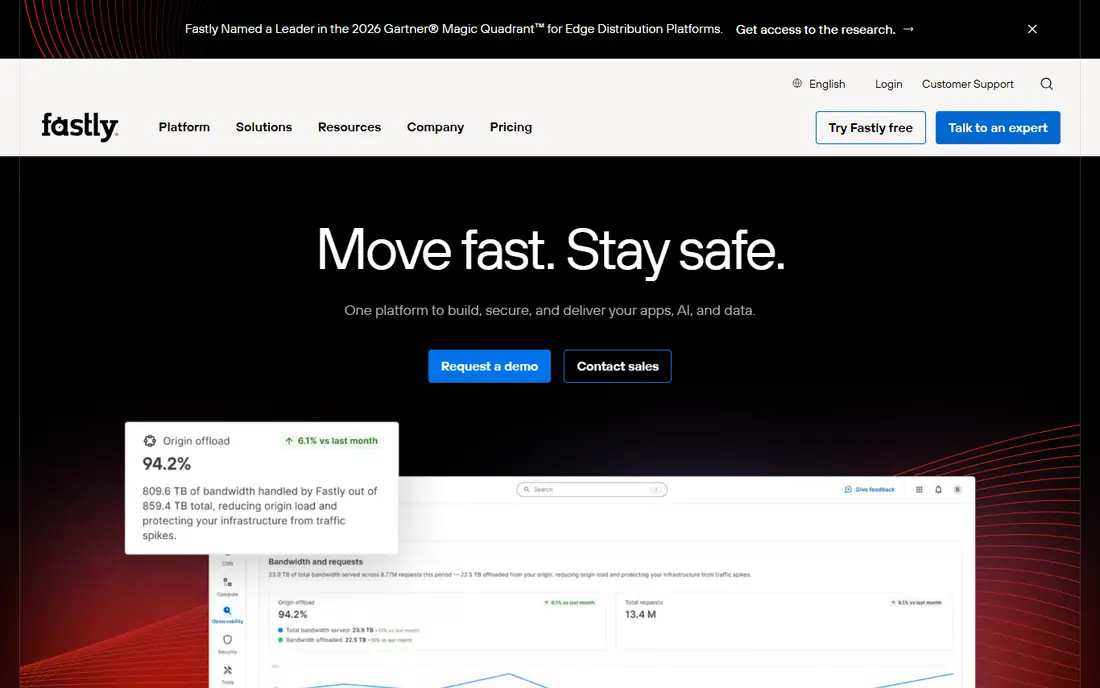
For programmable edge delivery, Fastly stands out because real-time cache control and edge compute that suit developers and high-traffic sites. In daily use, the workflow feels straightforward: you set up your preferences once, then the tool handles the routine steps without constant checking. That simplicity matters, because a tool that needs daily fiddling rarely stays in use for long.
The honest catch is pricing and minimums suit larger sites better than small blogs, so check entry costs first. That limit will not bother every reader, but it should shape your trial: test the exact feature you need most before you commit to a paid plan. We recommend a short trial with your own data, your own calendar or contacts where relevant, and your real weekly volume, so you can see whether the tool fits your routine before you pay for a year.
- Fast cache purging
- Programmable edge logic
- Strong performance for dynamic content
- No permanent free plan for production use
- Setup needs developer skill
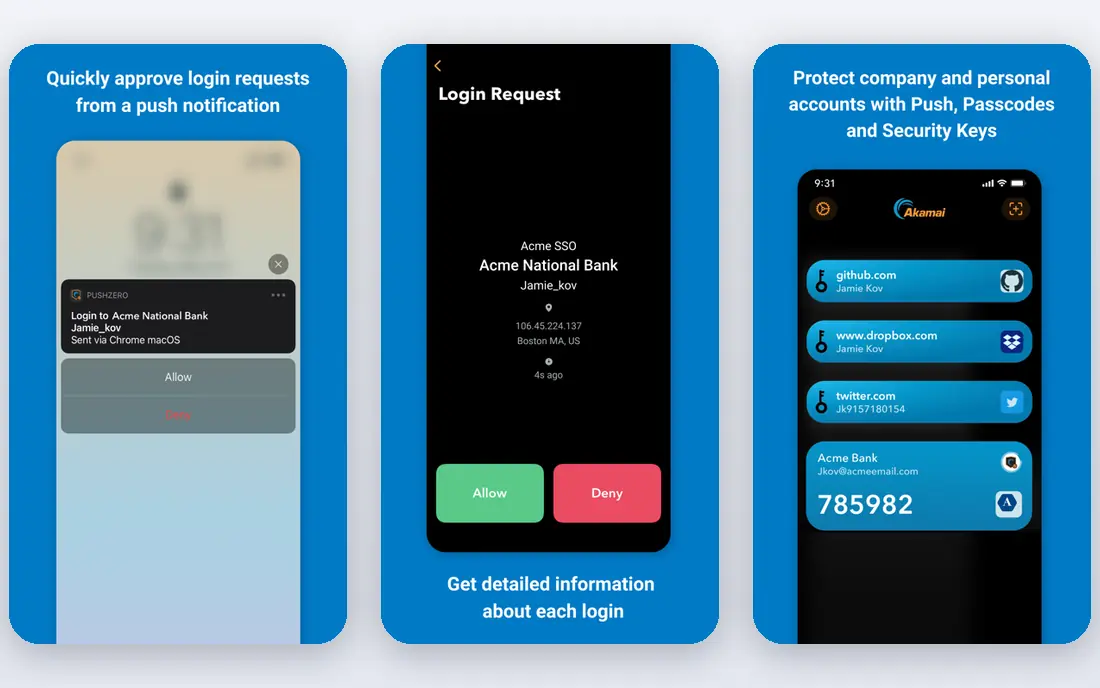
If global enterprise delivery is your main need, Akamai is worth a close look, since one of the largest edge networks, with broad security and delivery options for enterprises. Day to day, the value shows up in small moments: fewer missed items, clearer records, and less time spent chasing details. That steady help is more useful than a long feature list that you rarely open.
The catch to weigh is pricing is custom and enterprise focused, so small teams should expect a sales process. If that limit touches your main use case, try a rival on this list that handles that part better, and compare the two on real work. We recommend a short trial with your own data, your own calendar or contacts where relevant, and your real weekly volume, so you can see whether the tool fits your routine before you pay for a year.
- Very large global network
- Strong security and delivery breadth
- Enterprise support
- Custom pricing only
- Complexity and cost for small sites

Sucuri fits managed website security well, thanks to a website firewall, malware scanning, and cleanup help focused on smaller sites and WordPress. The day-to-day experience is where this tool either helps or gets in the way, and here the basics are handled with care. Setup takes some attention, but once your preferences are set, routine work moves faster.
Watch out for CDN performance is secondary to security, so pure speed seekers may prefer a CDN-first tool. It is not a reason to dismiss the tool outright, but it is a reason to read plan terms and trial the tool with your own data first. We recommend a short trial with your own data, your own calendar or contacts where relevant, and your real weekly volume, so you can see whether the tool fits your routine before you pay for a year.
- Managed firewall and malware cleanup
- WordPress focus
- Clear security plans
- No free plan
- CDN features are narrower than CDN-first rivals
Teams and owners focused on aWS hosted sites will find Amazon CloudFront practical, because deep integration with AWS storage, compute, and security tools for teams already on AWS. What keeps this tool useful over time is how it handles routine work without demanding attention at every step. You still need to check important outputs, but the daily load feels lighter.
The trade-off is pricing is usage based and can be hard to predict without traffic estimates. For many readers that trade-off is acceptable, but for heavy users it can change the total cost or the daily experience in a meaningful way. We recommend a short trial with your own data, your own calendar or contacts where relevant, and your real weekly volume, so you can see whether the tool fits your routine before you pay for a year.
- Strong AWS integration
- Global delivery
- Pay-as-you-go pricing
- Setup needs AWS knowledge
- Cost forecasting needs care
Among the tools here, bunny.net is the natural pick for low-cost predictable CDN, with simple pay-as-you-go CDN pricing with storage, streaming, and image optimisation options. Over a normal week, the benefit is consistency rather than drama: the same steps work the same way, records stay findable, and handoffs to other people are clearer. That reliability is easy to undervalue until you lose it.
The honest catch is security features are lighter than a full WAF provider, so high-risk sites may need a second tool. That limit will not bother every reader, but it should shape your trial: test the exact feature you need most before you commit to a paid plan. We recommend a short trial with your own data, your own calendar or contacts where relevant, and your real weekly volume, so you can see whether the tool fits your routine before you pay for a year.
- Low predictable pricing
- Easy setup
- Storage and streaming options
- Security is lighter than Sucuri or Imperva
- Support is less hands-on than enterprise rivals
When simple low-cost CDN matters most, KeyCDN earns its place through a simple CDN with pay-as-you-go pricing and a clear dashboard for small and mid-size sites. In practice, the tool works best when you give it a clean starting setup and a short trial with real work. That trial reveals whether the fit is genuine or only looks good on a feature page.
The catch to weigh is advanced security and edge compute options are narrower than larger platforms. If that limit touches your main use case, try a rival on this list that handles that part better, and compare the two on real work. We recommend a short trial with your own data, your own calendar or contacts where relevant, and your real weekly volume, so you can see whether the tool fits your routine before you pay for a year.
- Simple setup
- Low per-gigabyte pricing
- Clear dashboard
- No free plan
- Security features are basic compared with WAF providers
For readers who need strict security and WAF needs, Imperva offers advanced WAF, bot protection, and DDoS defence for security-focused organisations. The practical test is simple: does the tool save time on the task you repeat most, without creating a new admin job? Here the answer is yes for the core job, with some limits at the edges.
Watch out for pricing and setup suit larger organisations, so small sites may find it heavy. It is not a reason to dismiss the tool outright, but it is a reason to read plan terms and trial the tool with your own data first. We recommend a short trial with your own data, your own calendar or contacts where relevant, and your real weekly volume, so you can see whether the tool fits your routine before you pay for a year.
- Strong WAF and bot protection
- Enterprise security focus
- DDoS defence
- Custom pricing
- Complexity for small teams
A strong choice for edge delivery with broad regions, Gcore brings CDN, security, and edge compute with broad regional coverage including Europe. Used regularly, the tool settles into a routine quickly, and that routine is the real product. The features matter less than whether you trust the output enough to act on it without double-checking everything.
The trade-off is plan and feature availability varies by region, so check your target regions first. For many readers that trade-off is acceptable, but for heavy users it can change the total cost or the daily experience in a meaningful way. We recommend a short trial with your own data, your own calendar or contacts where relevant, and your real weekly volume, so you can see whether the tool fits your routine before you pay for a year.
- Broad edge coverage
- CDN plus security in one platform
- Streaming support
- Pricing is usage based
- Smaller community than larger rivals
How we picked these
We compared current product pages, CDN and security features, pricing models, and regional coverage for providers still offered in October 2026. We favoured providers with clear pricing models or clear enterprise positioning, and we used See website where pricing is custom or usage based. We did not claim performance scores that we did not measure on a live site.
How to choose a Cloudflare alternative
Split Cloudflare into the parts you actually use: DNS, CDN caching, WAF, DDoS protection, and edge compute. Few tools replace all five, so you may need two tools rather than one. Start with traffic, attack risk, and hosting: AWS sites fit CloudFront, developer teams fit Fastly, and WordPress sites with security worries fit Sucuri. Test cache hit rates, time to first byte, and WAF false positives on a staging site before you move DNS. Keep DNS separate from your edge provider if you want a fast exit, and record every rule you migrate so a rollback stays possible.
Frequently asked questions
What are the best alternatives to Cloudflare?
Fastly suits developer teams, Akamai suits large enterprises, and Amazon CloudFront suits AWS teams. Sucuri suits small sites that value managed security, while bunny.net and KeyCDN suit teams that want low, predictable CDN pricing.
Is there a free alternative to Cloudflare?
No tool matches the full Cloudflare free bundle exactly. Some tools offer free trials or low-cost entry plans, and bunny.net and KeyCDN offer low pay-as-you-go pricing, but a full free DNS, CDN, and WAF bundle is hard to replace without paying for at least one part.
Which Cloudflare alternative is best for small businesses?
Sucuri suits small businesses that value managed security and cleanup help, while bunny.net suits small sites that mainly need affordable delivery. A small WordPress site may use Sucuri for security and a low-cost CDN for delivery if one tool does not cover both.
Which alternative is best for enterprises?
Akamai and Imperva suit enterprises with strict security, compliance, and support needs, while Fastly suits enterprises with developer-led delivery. Enterprise choice should weigh support response, compliance features, and contract terms, not just headline speed.
Can I replace Cloudflare with two tools?
Yes, and many teams do. A common split is a CDN-first tool for delivery plus a security-focused tool for WAF and cleanup, with DNS kept separate. The trade-off is more accounts and rules to manage, but a clearer exit path if one provider fails you.
Sources we checked (5)

Online Jobs is an independent blog about careers, online work, learning new skills and the tools that help people earn. More about us.
Keep reading
All posts
n8n Alternatives
n8n alternatives compared for 2026, with Zapier, Make, Activepieces, and more, covering visual builders, code steps, self-hosting, and pricing models.

ZoomInfo Alternatives
The best ZoomInfo alternatives in 2026, compared on price, free plans, data coverage, and which tool fits small teams or large sales teams best in detail.

Workday Alternatives
We compared the best workday alternatives for HR, payroll, and global hiring, from BambooHR and Gusto to Rippling, Deel, and HiBob for growing teams in 2026.