Citrix Alternatives in 2026: 9 Tools Compared


Like-for-like Citrix replacement · Starting price: See website
How we put this together: we compare official feature and pricing pages, app store listings, privacy policies and public user reviews. Prices change, so check the provider's site before you pay.
Key takeaways
- Omnissa Horizon is the closest like-for-like replacement for Citrix, covering on-premises, hybrid, and multi-cloud virtual desktops and apps.
- Azure Virtual Desktop suits Microsoft-centric firms, while Windows 365 suits firms that want a fixed-price Cloud PC per user.
- Amazon WorkSpaces suits AWS firms that want fully managed desktops without running VDI infrastructure.
- Parallels RAS, Cameyo, and TSplus suit smaller firms and schools that want simpler app publishing at lower cost.
- Our pick for most enterprises leaving Citrix is Horizon for hybrid estates, Azure Virtual Desktop for Azure estates, and Windows 365 for simple Cloud PC needs.
Quick comparison
| Name | Who it suits | Starting price | Free option | |
|---|---|---|---|---|
| Omnissa Horizon | Like-for-like Citrix replacement | See website | Free trial | Visit |
 Azure Virtual Desktop | Microsoft-centric cloud desktops | See website | Free trial | Visit |
 Windows 365 | Fixed-price Cloud PCs | $28 per user per month | Free trial | Visit |
 Amazon WorkSpaces | Managed AWS desktops | See website | Free trial | Visit |
 Parallels RAS | Hybrid app and desktop publishing | See website | Free trial | Visit |
 Cameyo | Browser-based app delivery | See website | Free trial | Visit |
 TSplus Remote Access | Low-cost app publishing for SMBs | See website | Free trial | Visit |
 Workspot | Cloud-first managed VDI | See website | Free trial | Visit |
 Inuvika OVD Enterprise | Low-cost Linux-based delivery | See website | Free trial | Visit |
The best Citrix alternatives
Citrix is known for virtual desktops and app publishing, but many IT teams leave it for simpler management, lower total cost, or a cloud-first model. We compared official feature and pricing pages to find alternatives that truly deliver desktops and apps, not just remote access to a single PC.
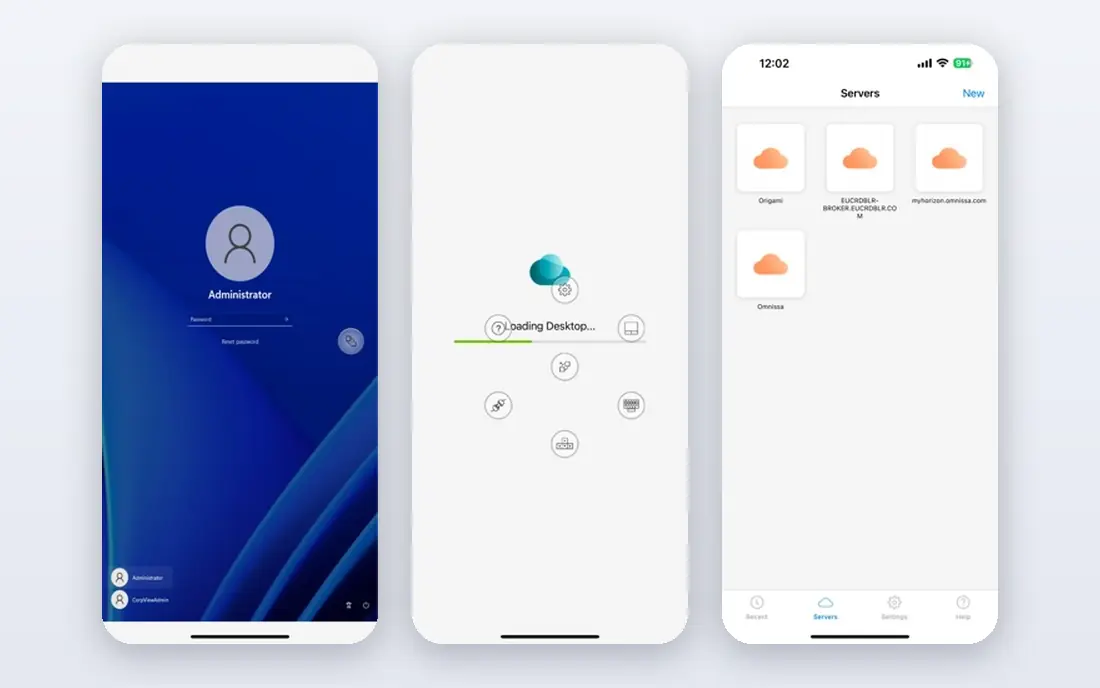
Omnissa Horizon, formerly VMware Horizon, is the most direct Citrix replacement. It publishes Windows apps and desktops from on-premises hypervisors or cloud infrastructure, manages them from one console, and supports the enterprise controls that Citrix users expect, including policies, profiles, and secure access. Firms with a large Citrix estate can often map concepts across without redesigning their whole delivery model.
Horizon pricing is subscription-based and quoted by term and size, so budgeting needs a vendor conversation. Large estates also need VDI skills to run well, since Horizon does not remove infrastructure work the way a fully managed Cloud PC does. For enterprises that want to keep control while leaving Citrix, Horizon is the first alternative to test.
- Direct replacement across on-premises and multi-cloud
- App and desktop publishing
- Enterprise management controls
- Subscription pricing by quote
- Setup needs VDI expertise for large estates
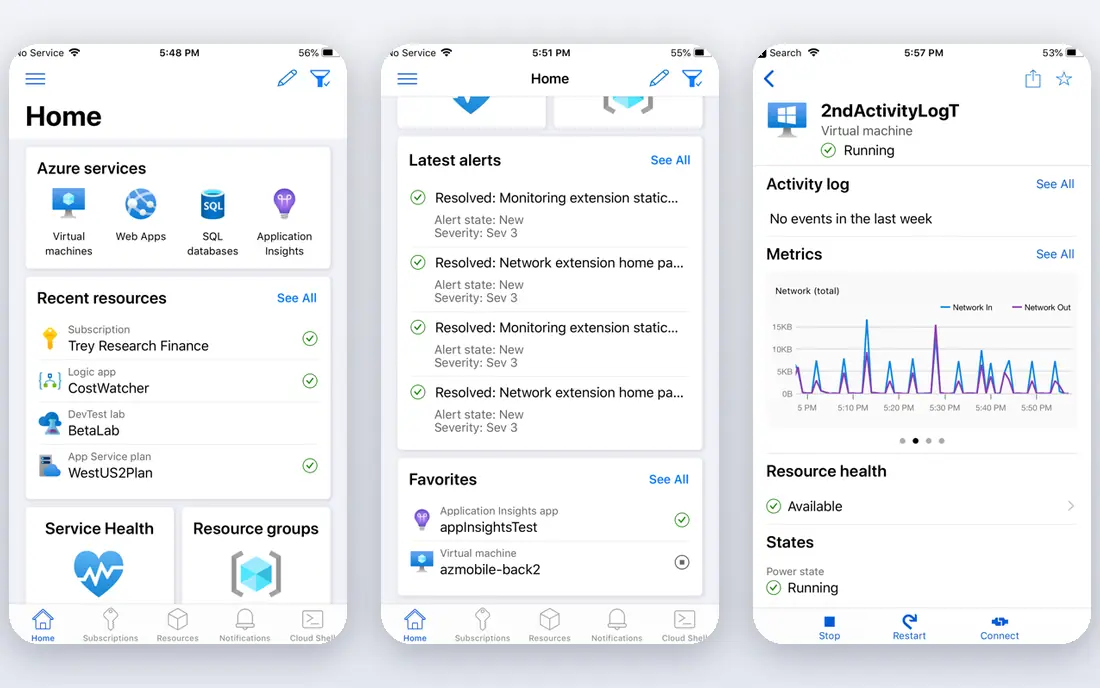
Azure Virtual Desktop, or AVD, is the natural pick for firms already on Azure and Microsoft 365. It offers multi-session Windows desktops, which can cut VM count for task workers, plus deep Entra ID integration and autoscaling that powers VMs down when idle. Teams that live in Microsoft tools will find AVD fits identity, security, and office apps with little friction.
AVD pricing is consumption-based, covering Azure compute and storage plus user licensing, so a poorly scaled pool can cost more than expected. IT also manages host VMs, images, and patching, which is more work than Windows 365. For Microsoft-centric firms that want cloud VDI with control, AVD is a strong Citrix alternative.
- Multi-session Windows in Azure
- Entra ID and Microsoft 365 integration
- Autoscaling to control cost
- Pay-as-you-go compute plus licensing needs cost care
- Host VMs need patching and management
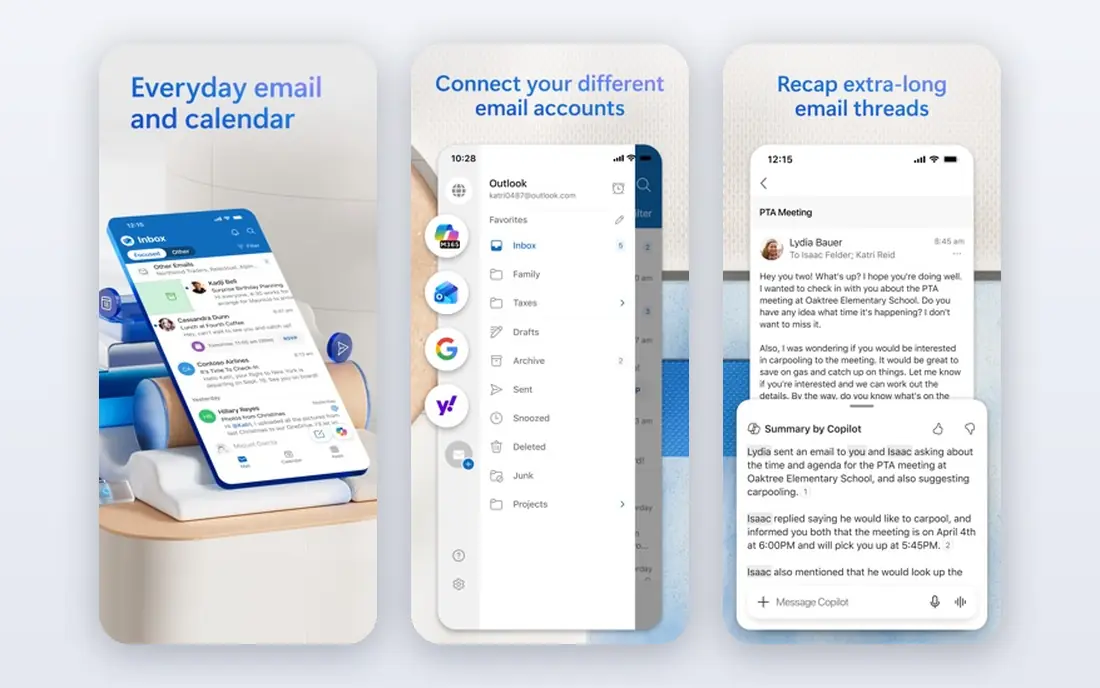
Windows 365 streams a dedicated, personal Windows desktop to any device for a fixed monthly price per user. IT manages Cloud PCs through Intune, with no host VMs to patch or scale, which makes Windows 365 far simpler to run than traditional VDI. That simplicity suits firms that want remote desktops without a VDI team.
Each Cloud PC is one VM for one user, so Windows 365 does not offer the multi-session savings that AVD gives task workers. OS customization is also more limited than a full VDI build. For firms that want predictable pricing and low admin effort, Windows 365 is the simplest Citrix alternative in this list.
- Fixed per-user price
- Fully managed Cloud PC
- Managed through Intune with no host VMs to run
- One VM per user with no multi-session
- Less OS customization than AVD
Amazon WorkSpaces gives AWS firms fully managed desktops without running VDI infrastructure. IT picks a bundle for each user, chooses monthly or hourly billing, and lets AWS run the underlying desktops across many regions. Windows and Linux desktops are both available, which helps mixed estates.
WorkSpaces gives one VM per user, so it lacks multi-session pooling, and AWS networking and data egress charges can add to the bill. Firms already on AWS, though, will find WorkSpaces fits identity, security, and billing in a familiar way. For AWS-centric teams that want managed desktops, WorkSpaces is a practical Citrix alternative.
- Fully managed desktops in AWS
- Windows and Linux options
- Monthly or hourly billing choices
- One VM per user
- AWS networking and egress costs add to total cost
Parallels Remote Application Server, or RAS, publishes Windows apps and desktops to any device from on-premises, hybrid, or cloud infrastructure. Its centralized console and single licensing model appeal to IT teams that found Citrix administration heavy, and it integrates with Azure and AWS for hybrid estates. Schools, health care teams, and mid-size firms often choose RAS for that balance.
RAS licensing is per concurrent user, so firms must model peak concurrent use rather than total users to budget correctly. Very large enterprises may still prefer Horizon or AVD for the deepest management features. For mid-size firms that want a simpler Citrix replacement, Parallels RAS is a strong pick.
- App and desktop publishing from one console
- On-premises, hybrid, and cloud deployment
- Simpler admin than Citrix
- Pricing is per concurrent user and needs modeling
- Enterprise depth trails Horizon in some areas
Cameyo takes a different path from full VDI. It delivers individual Windows applications through a browser, so users on Chromebooks or low-end devices can run a Windows app without a client install or a full desktop session. That model suits schools and firms that need a few key apps, not a whole desktop, on many devices.
Cameyo is app delivery first, so firms that need full desktops, complex peripherals, or heavy graphics should test it carefully. Each Windows app also needs compatibility testing, since not every app runs the same way in a browser session. For browser-first app delivery, Cameyo is a simple and low-friction Citrix alternative.
- Delivers Windows apps through a browser with no client install
- Simple admin
- ChromeOS and low-end device fit
- App-focused rather than full desktop VDI
- Windows app compatibility needs testing per app
TSplus Remote Access is built for small and mid-size firms that want Citrix-style app publishing without enterprise pricing. It installs on Windows servers, publishes apps and desktops through a built-in HTML5 web portal, and offers perpetual and subscription licensing. Small firms, schools, and software vendors often choose TSplus for fast deployment.
TSplus does not match Horizon or AVD on enterprise management depth, and support quality can vary by partner channel. Firms with strict compliance or very large estates should test governance and scaling before committing. For budget-conscious SMB app publishing, TSplus is a pragmatic alternative.
- Low-cost app and desktop publishing
- Built-in HTML5 web access
- Simple install on Windows servers
- Smaller enterprise feature set than Horizon or AVD
- Support depth varies by partner
Workspot offers cloud-first VDI with a managed control plane that can run desktops across Azure, AWS, and Google Cloud. IT manages users and policies from one console while Workspot handles much of the control plane work, which cuts the operational load of traditional VDI. A managed service option goes further for firms without VDI staff.
Pricing is by quote, since it depends on cloud choice and user count, so budgeting needs a sales discussion. Firms on a single cloud may find AVD or WorkSpaces simpler, since Workspot's multi-cloud edge matters most for mixed estates. For cloud-first firms that want managed VDI without a large VDI team, Workspot is worth a demo.
- Cloud-managed control plane across Azure, AWS, and Google Cloud
- Simplified VDI operations
- Managed service option
- Quote-based pricing
- Multi-cloud value depends on your cloud mix
Inuvika OVD Enterprise delivers Windows and Linux apps and desktops from a Linux-based platform, which can cut Microsoft licensing and infrastructure costs compared with Citrix or Horizon. Its concurrent-user pricing suits firms with shift workers or many occasional users, and full multi-tenancy suits managed service providers serving many clients.
Inuvika has a smaller ecosystem and partner network than the largest rivals, so firms should test their specific apps, printers, and peripherals before migrating. Support and integration depth also vary by deployment. For budget-conscious firms and providers that want lower licensing cost, Inuvika is a distinctive Citrix alternative.
- Linux-based platform cuts Windows licensing needs
- Concurrent-user pricing
- Full multi-tenancy for providers
- Smaller ecosystem than Horizon or Parallels
- Windows app delivery needs testing
How we picked these
We compared official feature pages, pricing pages, and deployment documentation for each platform, and we favored tools that deliver virtual apps or desktops to many users, not just remote access to one PC. We mixed enterprise VDI, managed Cloud PCs, and low-cost app publishing, so readers can match a tool to their estate size and cloud strategy. Where a vendor does not publish a price, we wrote See website rather than guessing a figure.
How to choose a Citrix alternative
Start with your cloud and identity estate, because it narrows the list fast. Azure and Microsoft 365 firms should test AVD and Windows 365 first, AWS firms should test WorkSpaces, and hybrid firms should test Horizon and Parallels RAS. Only then compare app publishing, peripheral support, and graphics performance on your real apps.
Next, run a pilot with a real user group, including your hardest apps and devices, and measure total cost over a full month, not just license price. Count compute, storage, networking, and admin time, since a cheap license with heavy admin can cost more than a managed Cloud PC. A pilot with one department will surface the gaps that matter before a company-wide switch.
Frequently asked questions
What is the best alternative to Citrix?
Omnissa Horizon is the best like-for-like alternative to Citrix for enterprises with hybrid estates. Azure Virtual Desktop is better for Microsoft-centric firms, Windows 365 is better for simple fixed-price Cloud PCs, and Parallels RAS is better for mid-size firms that want simpler administration. The best pick depends on your cloud estate and admin capacity.
Is Azure Virtual Desktop a good Citrix alternative?
Yes, Azure Virtual Desktop is a strong Citrix alternative for firms already on Azure and Microsoft 365. It offers multi-session Windows, Entra ID integration, and autoscaling, but it needs cost care and host VM management. Firms that want a fully managed desktop with no host VMs should compare Windows 365 instead.
What is the cheapest Citrix alternative?
TSplus and Inuvika OVD are among the cheapest Citrix alternatives for small firms, thanks to low-cost licensing and concurrent-user models. Cameyo can also be cheap for browser-based app delivery to many low-end devices. Total cost still depends on servers, cloud fees, and admin time, so pilot real usage before judging price.
Can I replace Citrix with Windows 365?
Yes, if your users need individual Windows desktops rather than shared multi-session pools or complex published app farms. Windows 365 gives each user a fixed-price Cloud PC managed through Intune, with no host VMs to run. Firms with task workers sharing desktops may save more with Azure Virtual Desktop multi-session pools.
How hard is it to migrate from Citrix to another platform?
Migration difficulty depends on app count, peripheral needs, and identity setup. Simple app publishing estates can move in weeks, while large estates with complex policies, profiles, and graphics apps need a phased pilot. Map every published app, test peripherals and printing early, and run old and new platforms in parallel for one user group first.
Sources we checked (9)

Online Jobs is an independent blog about careers, online work, learning new skills and the tools that help people earn. More about us.
Keep reading
All posts
n8n Alternatives
n8n alternatives compared for 2026, with Zapier, Make, Activepieces, and more, covering visual builders, code steps, self-hosting, and pricing models.

ZoomInfo Alternatives
The best ZoomInfo alternatives in 2026, compared on price, free plans, data coverage, and which tool fits small teams or large sales teams best in detail.

Zoom Alternatives for Webinars
Compare Zoom alternatives for webinars in 2026, from browser-based rooms to enterprise events, with prices, attendee limits, features and honest trade-offs.