Best work from home companies in 2026: 8 Tools Compared

How we put this together: we compare official feature and pricing pages, app store listings, privacy policies and public user reviews. Prices change, so check the provider's site before you pay.
Key takeaways
- GitLab, Automattic, Zapier, Buffer, and Doist are among the clearest all-remote employers, because remote work is their normal model, not a temporary policy.
- Shopify, Atlassian, and HubSpot also hire for remote roles, but their models mix remote, hybrid, and office roles, so each listing must be checked for its location terms.
- The best company for you depends on role type, time zone overlap, and whether you want async written work or live collaboration across the day.
- No listing in this guide is a promise of an open role today. Check the official careers page for the exact role, location, and employment terms before applying.
Quick comparison
| Name | Who it suits | Starting price | Free option | |
|---|---|---|---|---|
 GitLab | All-remote software and operations | See website | No | Visit |
 Automattic | All-remote product and support | See website | No | Visit |
 Zapier | All-remote automation and support | See website | No | Visit |
 Buffer | All-remote social tools | See website | No | Visit |
 Doist | All-remote productivity tools | See website | No | Visit |
 Shopify | Digital-first commerce roles | See website | No | Visit |
 Atlassian | Remote-friendly software roles | See website | No | Visit |
 HubSpot | Remote and hybrid marketing roles | See website | No | Visit |
The best work from home companies
In this guide, the products are employers. The website for each company is its official site, and the careers page is the natural place to check for remote roles. We only list companies with a public record of remote hiring, and we note where a model is all-remote and where it is mixed.
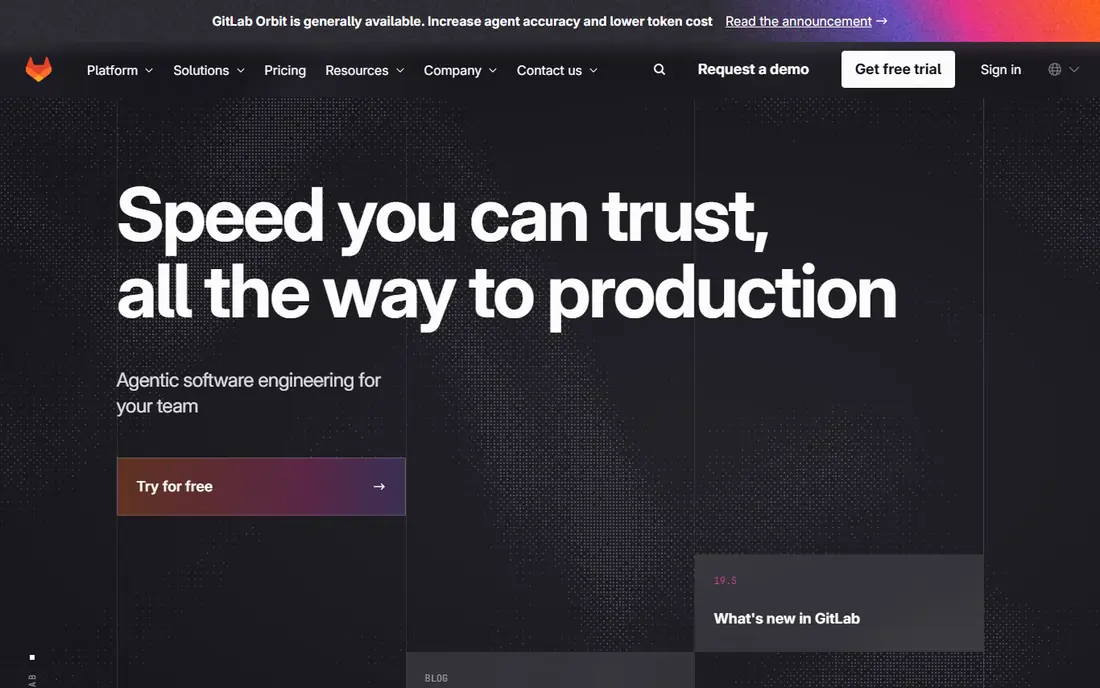
GitLab is often the first name in remote work discussions, because it has operated as an all-remote company for years and publishes much of its working method in a public handbook. That handbook covers how teams communicate, how pay bands are structured by location, and how async work is expected to happen. For a job seeker, that transparency is useful, because it shows what daily work will actually feel like, not just what a job ad promises. The honest catch is the hiring process. GitLab hiring is known for being thorough and writing heavy, with assessments and interviews that test written communication as well as role skills. That suits candidates who are comfortable writing clearly and working async, and it can feel slow for candidates who prefer fast, live interviews. If you want a fully remote role and you work well in writing, GitLab is a strong place to start, provided you check the careers page for roles open in your location.
- All-remote model with a public handbook
- Roles across engineering, product, marketing, and operations
- Written, async work culture
- Hiring process can be long and writing heavy
- Time zone overlap still matters for some teams
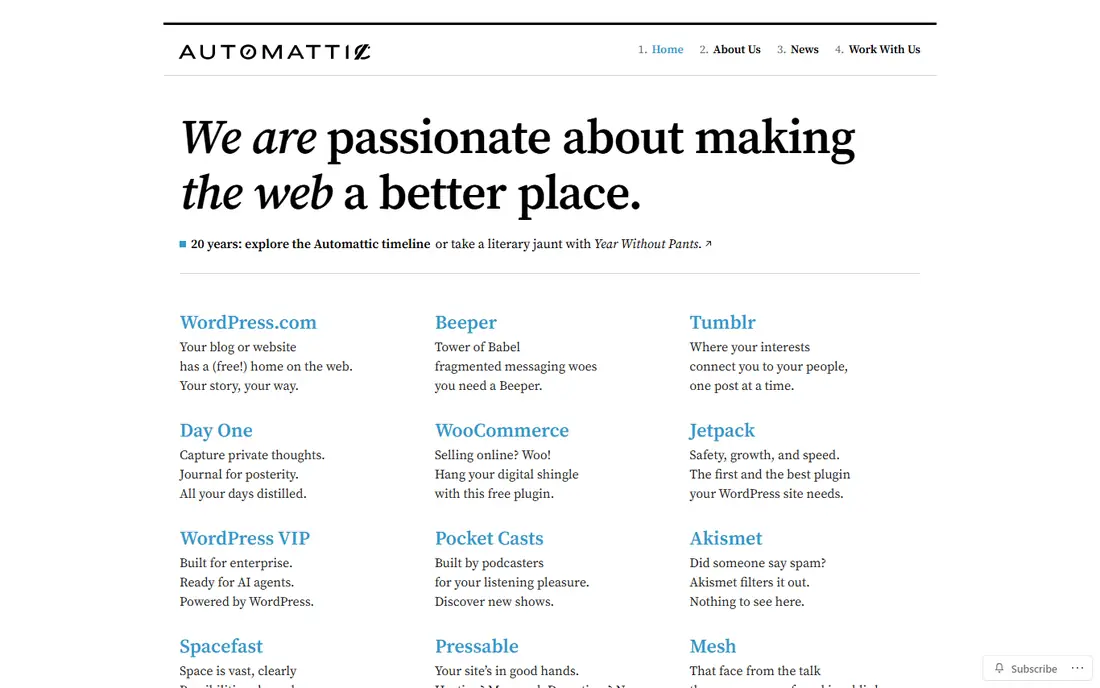
Automattic, the company behind WordPress.com, WooCommerce, and Tumblr, has run a distributed team for many years. Roles span engineering, design, customer support, marketing, and operations, and the company hires across many countries. That breadth matters, because remote job seekers are not limited to engineering roles, and support and design roles are a real part of the remote model. The hiring process can include a paid trial or project stage for some roles, which gives candidates a realistic taste of the work but also takes time. Support roles may involve shift patterns, which is normal for a global product but worth checking before applying. If you want a long-established remote employer with a wide range of roles, Automattic belongs on the shortlist, with the careers page as the check for current openings and location eligibility.
- Fully distributed team
- Roles in engineering, design, support, and marketing
- Products used by millions of sites
- Trial or project stages are part of hiring for some roles
- Support roles involve shift and weekend coverage in some teams
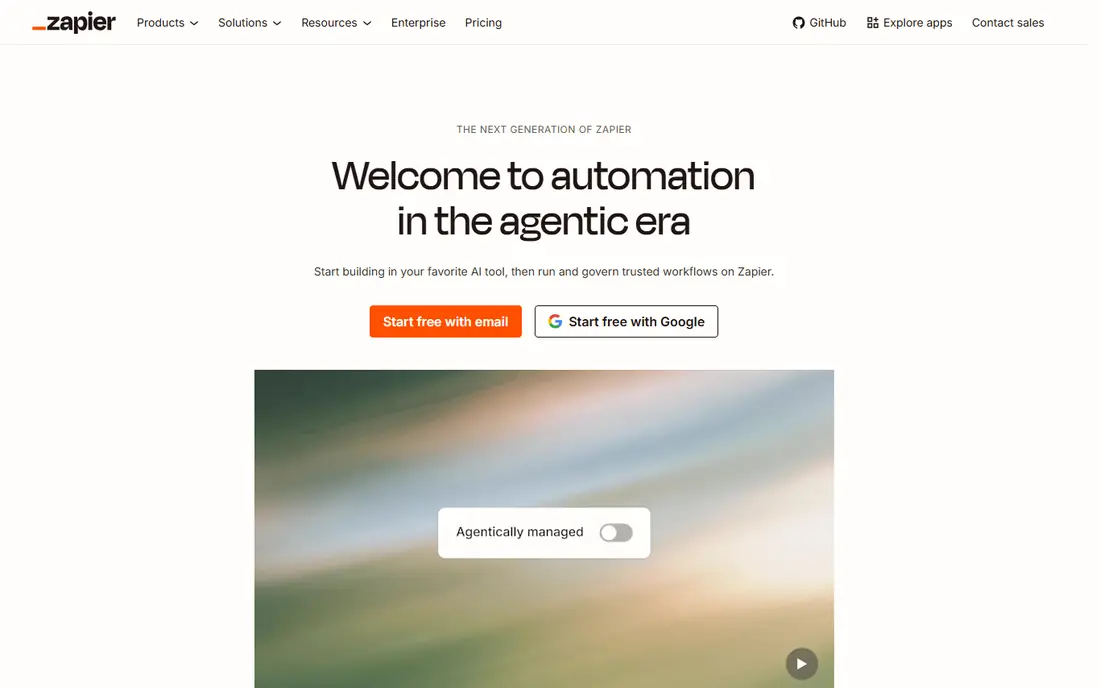
Zapier is a remote-first automation company that has hired distributed teams for years. Its product connects apps and automates workflows, and its own work culture reflects that async, written style. Roles cover engineering, customer support, marketing, product, and operations, so the company suits more than just developers. The async approach also helps candidates in different time zones, because much of the work does not depend on everyone being online at the same time. The catch is competition and overlap. Popular Zapier roles attract a large number of applicants, so a generic application is unlikely to stand out. Some roles also ask for overlap with certain time zones for meetings and collaboration, even in an async culture. Read the listing carefully for time zone notes, tailor the application to the specific role, and treat the careers page as the source for which roles are open now.
- All-remote and async culture
- Roles across engineering, support, marketing, and product
- Clear remote hiring history
- Popular roles attract many applicants
- Some roles require overlap with US time zones
Buffer is a smaller, all-remote company known for social media tools and for publishing information about its culture, values, and pay approach. That openness helps candidates judge fit before applying, because Buffer places real weight on values and on how a person works in a distributed team. Roles have included customer support, marketing, and engineering, with a focus on a calm, async working style. The limit is scale. Buffer is a smaller team than GitLab or Shopify, so openings appear less often and competition can be high for the roles that do appear. Culture screening is also a serious part of the process, not a formality at the end. If you value transparency and a smaller, focused team, Buffer is worth watching, but it should sit alongside larger employers on your list rather than being the only target.
- All-remote team with public values and salary transparency in past listings
- Roles in support, marketing, and engineering
- Small team, so openings are fewer
- Values and culture fit are a strong part of screening
Doist, the company behind Todoist and Twist, is a fully remote team that has built its products around async work. That focus shows up in hiring too, because written communication, self-direction, and async collaboration are central to how the team works. Roles have included engineering, design, support, and marketing, and the company has published salary information for roles in the past, which helps candidates judge whether a role fits their needs. The catch is size and selectivity. Doist is a small team, so roles open infrequently, and the hiring bar is high. Candidates should expect a careful process and should not treat Doist as a quick application. If you like async, written work and you use productivity tools daily, Doist is a strong aspirational target, but pair it with larger remote employers that hire more often.
- Fully remote team behind Todoist and Twist
- Async work culture
- Salary transparency in past listings
- Small team with limited openings
- Hiring can be selective and slow
Shopify describes itself as digital-first, which means remote work is a normal part of how many teams operate, even though the company also has offices and some roles tied to a location. The range of roles is wide, from engineering and product to support, sales, and operations, and the commerce focus means remote roles exist for people who understand online selling, not just for developers. The important check is the listing itself. Digital-first does not mean every Shopify role is fully remote in every country, and some roles ask for a specific region or for hybrid attendance. Read the location and work model lines in each posting, and filter the careers page by remote roles rather than assuming a role is remote because the company is digital-first. For candidates who want scale and variety, Shopify is a strong option with that one careful check.
- Digital-first approach
- Large range of roles in engineering, support, sales, and product
- Global hiring for many teams
- Model mixes remote and office roles by team and location
- Not every role is fully remote
Atlassian, the company behind Jira, Confluence, and Trello, hires for remote roles in many teams, while other roles are hybrid or tied to a specific office region. That mix reflects a large, global company with different needs by team, and it means the company can offer remote work without being all-remote. Software, product, design, and support roles are the most common remote-friendly areas, and the product suite is familiar to many job seekers. The catch is variation. A remote-friendly company is not the same as an all-remote company, and the same job title can have different location terms in different teams or countries. Check the work model, location, and time zone notes on each listing, and do not assume that a remote role in one team means the next role is remote too. For candidates who want a large employer with remote options, Atlassian is worth including, with the listing as the final check.
- Remote-friendly hiring for many software and product roles
- Large product suite
- Global teams
- Many roles are hybrid or location based
- Team and country rules vary by listing
HubSpot hires for remote roles across sales, support, marketing, and product, while also operating a hybrid model for many teams. That mix makes HubSpot a practical target for job seekers who are open to remote work but who also want a large employer with structured teams and career paths. The careers site allows filtering by location and work type, which helps narrow a search to roles that actually fit a remote preference. The limit, as with Shopify and Atlassian, is that hybrid does not equal fully remote for every role. Some roles are tied to a hub city, some require regular office days, and some are fully remote, so the listing terms matter more than the company label. If you are open to a mix of remote and hybrid roles, HubSpot offers breadth. If you need fully remote only, filter strictly for remote roles and confirm the terms before applying.
- Many remote roles in sales, support, and marketing
- Large, established employer
- Clear careers filtering by location
- Model is hybrid for many teams
- Office and region rules vary by role
How we picked these
We reviewed official careers pages, company remote work pages, and public reporting on remote hiring for companies that are still hiring in October 2026. We favoured companies with a clear, public remote model, whether all-remote or remote-friendly, and we excluded companies where remote claims could not be tied to actual listings or a stated policy. We checked that each company has a careers page where remote roles can be filtered or identified, and we noted where a model is mixed, because a mixed model is a different promise from an all-remote model. Public reviews and employee reports helped us note hiring process length and time zone issues, but we did not treat them as proof of current openings.
How to apply for remote roles without wasting time
Start with filters, not with company names. On each careers page, filter for remote roles in your country or region, and read the location, employment type, and time zone lines before you read the full description. A role that looks perfect but requires a different region or heavy office attendance is not a fit, however strong the company brand is. Next, match your application to async work. Remote employers value clear writing, so use the application and any written assessment to show how you communicate, prioritise, and handle work without constant live meetings. Prepare for longer processes at all-remote companies, where written assessments and trial stages are common. Keep a simple tracker of roles applied for, dates, and follow-up notes, and apply to a mix of large employers that hire often and smaller teams that hire rarely. Finally, check employment terms, not just remote terms. Contractor, employee, and employer-of-record arrangements differ on benefits, tax, and job security, and those details matter as much as where you work from.
Frequently asked questions
What are the best work from home companies?
The best work from home companies include GitLab, Automattic, Zapier, Buffer, and Doist for all-remote work, and Shopify, Atlassian, and HubSpot for remote-friendly and hybrid roles. The best choice depends on your role, location, and whether you need fully remote work or are open to hybrid. Always check the official careers page, because remote availability changes by role and by team.
What are the best companies to work from home for non-technical roles?
Non-technical remote roles exist at all of the companies in this list, especially in support, marketing, sales, and operations. Automattic, Zapier, Buffer, Shopify, and HubSpot all hire support and marketing roles remotely in many regions. Search the careers page by function, not just by company, and filter for remote roles to find non-technical openings that fit your location.
What is the best work from home company for software engineers?
GitLab, Atlassian, Shopify, and Automattic are strong for software engineers, because they hire engineers remotely across many teams and regions. Zapier and Doist also hire engineers remotely, though with fewer openings. Engineers should check the tech stack, team, and time zone overlap in each listing, because those details affect daily work more than the company label.
Do these companies hire from my country?
That depends on the role, the team, and the company's employment setup in your country. All-remote companies tend to hire in more countries, but even they have country limits for legal, tax, and payroll reasons. The careers page and the listing itself are the reliable source, because a company can hire remotely in one country for one role and not for another.
How do I stand out when applying for remote roles?
Show clear written communication, specific results from past work, and evidence that you can work async without constant supervision. Tailor each application to the role and product, rather than sending the same generic application to many companies. For companies with written assessments or trials, treat those stages as real work samples and give them the time they deserve.
Are remote roles at these companies full-time jobs or contract roles?
Most listings at these companies are full-time employee roles, but some are contractor or employer-of-record roles, especially for international hiring. The listing should state the employment type, and it is worth confirming benefits, tax handling, and contract length before accepting an offer. If the listing is unclear, ask the recruiter directly during the process.
Sources we checked (8)

Online Jobs is an independent blog about careers, online work, learning new skills and the tools that help people earn. More about us.
Keep reading
All posts
n8n Alternatives
n8n alternatives compared for 2026, with Zapier, Make, Activepieces, and more, covering visual builders, code steps, self-hosting, and pricing models.

ZoomInfo Alternatives
The best ZoomInfo alternatives in 2026, compared on price, free plans, data coverage, and which tool fits small teams or large sales teams best in detail.

Workday Alternatives
We compared the best workday alternatives for HR, payroll, and global hiring, from BambooHR and Gusto to Rippling, Deel, and HiBob for growing teams in 2026.