Best Sales Automation Tools in 2026: 8 Tools Compared


Prospecting data plus sequences · Starting price: $49 per user per month
How we put this together: we compare official feature and pricing pages, app store listings, privacy policies and public user reviews. Prices change, so check the provider's site before you pay.
Key takeaways
- Apollo.io gives small and mid-size teams prospecting data and sequences in one subscription, which keeps the tool count low.
- HubSpot Sales Hub is the natural pick for teams already using HubSpot, since sequences and pipelines live in the same CRM.
- Outreach and Salesloft are built for larger teams with dedicated operations staff, and both hide pricing behind a sales conversation.
- Cold email specialists like Instantly and lemlist cost far less than enterprise platforms and suit high-volume outbound work.
Quick comparison
| Name | Who it suits | Starting price | Free option | |
|---|---|---|---|---|
| Apollo.io | Prospecting data plus sequences | $49 per user per month | Yes | Visit |
 HubSpot Sales Hub | CRM-native selling for HubSpot teams | $20 per seat per month | Yes | Visit |
 Outreach | Enterprise sales engagement | See website | No | Visit |
 Salesloft | Revenue orchestration at scale | See website | No | Visit |
 lemlist | Personalized multichannel outbound | $63 per user per month | No | Visit |
 Instantly | High-volume cold email | $37 per month | No | Visit |
 Reply.io | Multichannel sequences on a budget | $49 per user per month | No | Visit |
 Clay | Enrichment and RevOps workflows | $167 per month | Yes | Visit |
The best sales automation tools
Sales automation covers a wide span of work, from finding contacts to sending sequences and updating the CRM. No single tool does all of it well for every team size, so the right choice depends on whether you need data, sending power, CRM depth, or all three.
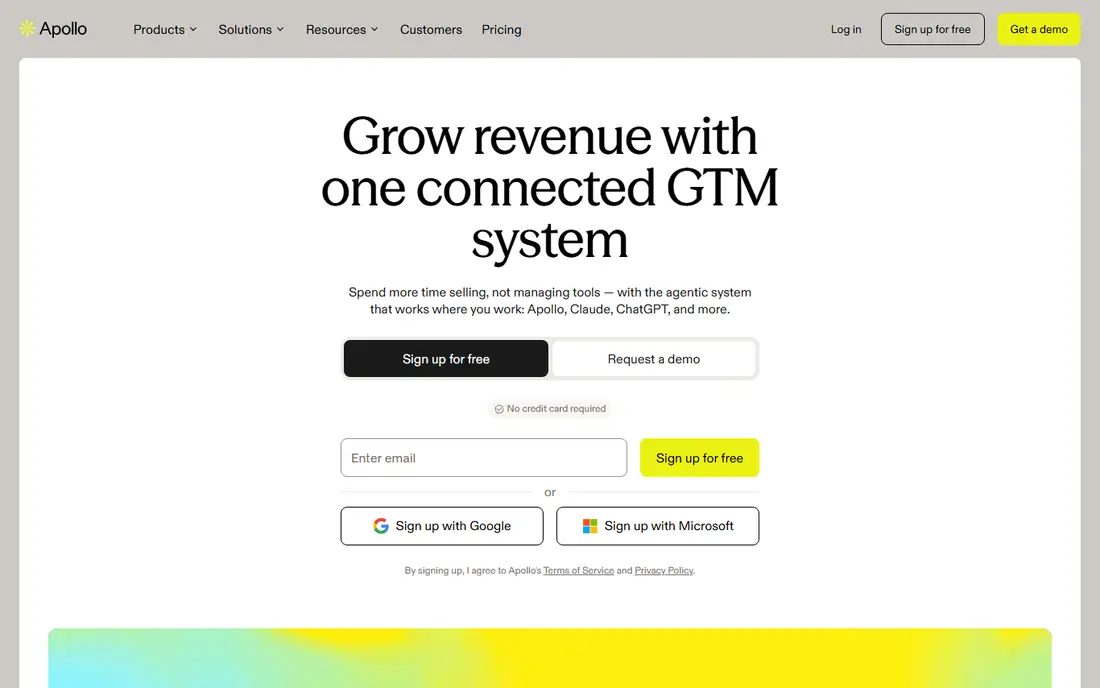
Apollo.io combines a prospect database with email sequences, calling, and basic CRM features in one product. For a small team, that bundle replaces two or three separate subscriptions, and the free plan is enough to test whether the data covers your market. Paid plans start at $49 per user per month on annual billing.
The weakness is depth. Apollo sequences work well for standard outbound, but teams running complex multi-stage plays may miss the workflow controls found in Outreach or Salesloft. Data quality also varies, so verifying key contacts before a big campaign is still wise.
- Large contact database bundled with sequences
- Dialer included
- Cheaper than buying data and a sequencer separately
- Data accuracy varies by industry
- Engagement features are simpler than enterprise platforms
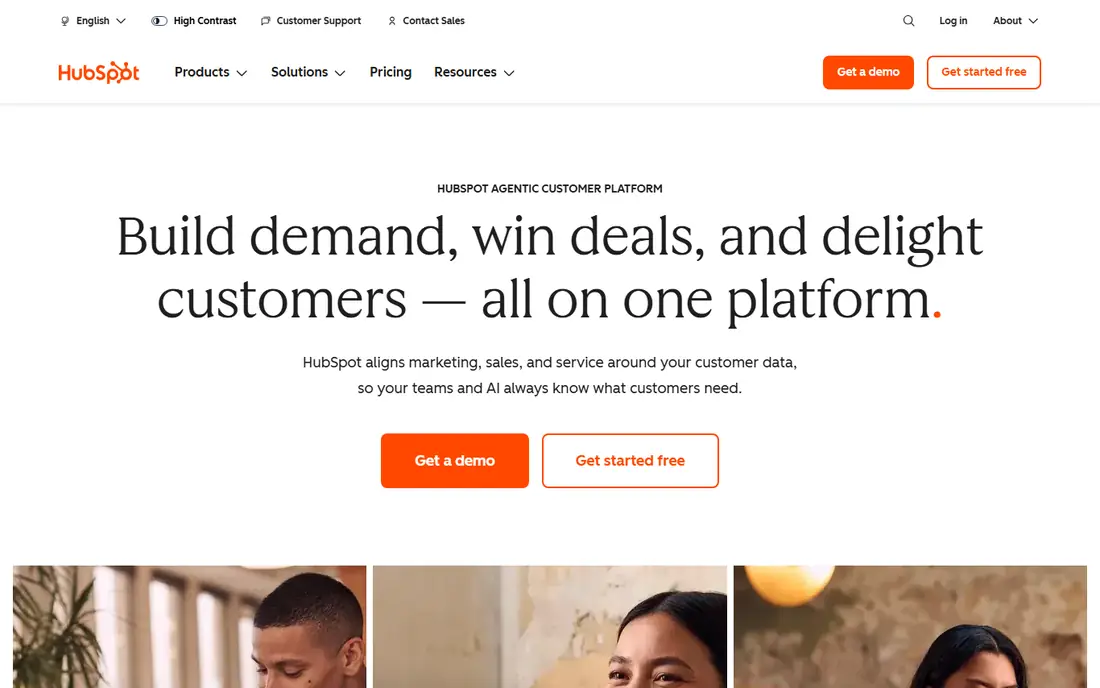
HubSpot Sales Hub suits teams that already run their business on HubSpot. Sequences, email tracking, deal pipelines, and meeting booking all live inside the CRM, so reps do not juggle syncs between tools. The free CRM covers contact management and basic deal tracking, with Starter plans from $20 per seat per month.
The catch is that the most useful automation, such as advanced sequences and workflow-based follow-ups, requires higher tiers. A team that only needs HubSpot for basic pipeline tracking can stay cheap, but a team that wants full automation should budget for Professional pricing.
- Sequences, pipelines, and reporting in one CRM
- Generous free tier
- No sync headaches
- Advanced sequencing sits on pricier tiers
- Costs climb as seats and hubs are added
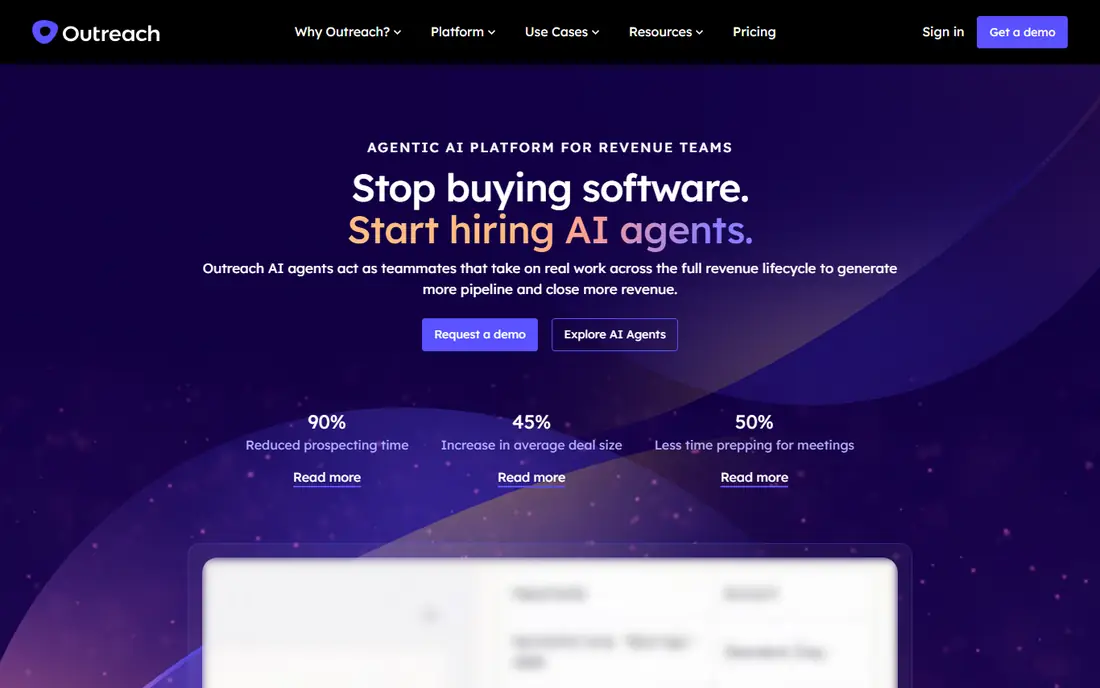
Outreach is the standard enterprise sales engagement platform, used by large teams running structured outbound and account-based plays. Its sequence builder, analytics, and coaching tools are deeper than anything in the budget tier, and the Salesforce integration is mature. Published estimates put pricing around $100 per user per month, but the vendor does not list prices publicly.
That enterprise focus is also the drawback. Small teams will find the cost and setup effort hard to justify, and most deals require an annual contract plus onboarding. Outreach fits organizations with dozens of reps and someone whose job includes running the platform.
- Deep sequence automation and analytics
- Strong Salesforce integration
- Built for large teams
- No public pricing
- Needs dedicated administration
- Annual contracts typical
Salesloft pairs cadence-based outreach with forecasting, conversation intelligence, and coaching, which appeals to revenue leaders who want one system for the whole sales motion. Reps generally find it easier to learn than some enterprise rivals, and managers get clear visibility into pipeline activity.
Like Outreach, Salesloft does not publish pricing, and estimates place it in a similar range. The platform makes most sense for mid-market and enterprise teams that will use the forecasting and coaching layers, not just the sequencer.
- Sequencing plus forecasting and coaching in one platform
- Strong usability
- Good Salesforce depth
- Quote-only pricing
- Dialer and extras can add cost
- Overkill for small teams
lemlist stands out for personalization. Reps can add custom images, videos, and landing pages to cold emails, which helps messages stand out in crowded inboxes. Multichannel steps cover email, LinkedIn, and calls, and the platform includes warm-up and deliverability features.
The price, at $63 per user per month on annual billing, sits above bare-bones sending tools, and there is no prospect database included. Teams still need a data source such as Apollo or Clay, so the total stack cost is higher than the headline price suggests.
- Personalized images and videos in emails
- LinkedIn and call steps
- Good deliverability tools
- Pricier than basic cold email tools
- No built-in prospect database
Instantly is built for one job: sending a lot of cold email without breaking deliverability. Flat monthly pricing, unlimited warm-up, and inbox rotation make it cheap to run several sending domains, and setup takes minutes rather than days. Entry pricing around $37 per month undercuts most per-seat sequencers.
The limit is scope. Instantly does not find prospects or manage a pipeline, so it works best paired with a data tool and a CRM. Teams that want an all-in-one platform should look at Apollo or HubSpot instead.
- Low flat pricing for high volume
- Built-in warm-up and inbox rotation
- Fast setup
- No prospect database
- Limited CRM depth
- Sending focus only
Reply.io covers more channels than most tools at its price, with email, LinkedIn, calls, SMS, and WhatsApp steps inside a single sequence. That breadth suits teams selling to buyers who respond on different channels, and the AI assistant can draft first versions of messages.
Data is the gap. Reply.io sells prospect data separately, so teams need another source or their own lists. Reporting is solid for day-to-day work but thinner than the analytics in Outreach or Salesloft.
- Email, LinkedIn, calls, SMS, and WhatsApp in one sequencer
- AI writing help
- Monthly billing available
- Prospect data is an add-on
- Reporting is lighter than enterprise tools
Clay is the tool RevOps teams reach for when off-the-shelf data is not good enough. It pulls from many data providers, enriches lists, scores leads, and uses AI agents to research accounts, all inside flexible tables that feed other tools. A free plan lets teams test the workflow builder before paying.
Clay is not a sending tool, so it pairs with a sequencer rather than replacing one. The learning curve is real, and credit usage can climb on large lists. For teams that live or die by list quality, though, Clay often pays for itself in fewer bounced emails and better targeting.
- Dozens of data providers in one workflow
- AI research agents
- Flexible table-based building
- Steep learning curve
- Usage-based costs can grow
- Not a sequencer on its own
How we picked these
We compared vendor pricing pages, feature coverage, and typical team size for each tool, drawing on current pricing guides and vendor documentation. We included data tools, sequencers, CRM-native options, and enrichment platforms because sales automation spans all four jobs. Where a vendor hides pricing, we said so rather than presenting an estimate as a fact, and we flagged tools that require a second product for data or sending.
How to choose the right sales automation stack
Start with data quality, not sequences
A polished sequence sent to bad contacts only burns domains and morale. Fix the data layer first with a verified source, then add sending capacity. Teams that skip this step often blame the sequencer for reply rates that were really a list problem.
Match the tool to team size
Solo sellers and small teams usually do best with Apollo or Instantly plus a free CRM. Mid-size teams benefit from HubSpot or Reply.io for structure without enterprise cost. Enterprise platforms only earn their price when a team has the volume and the operations staff to run them properly.
Watch per-seat costs as you grow
Per-seat pricing looks small for five reps and large for fifty. Before signing an annual deal, model the cost at twice your current headcount and check what happens to overages, add-ons, and renewal rates. Flat-priced tools can be far cheaper at scale.
Frequently asked questions
Which sales automation platform is best overall?
Apollo.io is the best all-in-one pick for most small and mid-size teams because it bundles prospect data with sequences at $49 per user per month. Larger teams with Salesforce and dedicated operations staff should compare Outreach and Salesloft instead.
What is the best all-in-one sales automation software?
HubSpot Sales Hub is the strongest all-in-one option for teams that want CRM, sequences, and reporting in one system. Apollo.io is the better all-in-one choice for outbound-focused teams that need prospect data more than deep CRM customization.
What is the best sales automation tool for cold email?
Instantly is the best value for high-volume cold email thanks to flat pricing and built-in warm-up. lemlist is the better pick when personalization matters more than volume, since it supports custom images and multichannel steps.
How much do sales automation tools cost?
Prices range from free plans at Apollo.io, HubSpot, and Clay to roughly $37 to $63 per user per month for mid-tier tools, while enterprise platforms like Outreach and Salesloft use quote-only pricing. Always model the total stack cost, including data and CRM, not just the sequencer price.
Do I need a CRM and a sales automation tool?
Most teams need both, since automation tools run sequences while CRMs store deals and customer history. HubSpot Sales Hub and Apollo.io blur the line by including light CRM features, but larger teams usually pair a dedicated sequencer with Salesforce or HubSpot.
Sources we checked (8)

Online Jobs is an independent blog about careers, online work, learning new skills and the tools that help people earn. More about us.
Keep reading
All posts
ZoomInfo Alternatives
The best ZoomInfo alternatives in 2026, compared on price, free plans, data coverage, and which tool fits small teams or large sales teams best in detail.

Workday Alternatives
We compared the best workday alternatives for HR, payroll, and global hiring, from BambooHR and Gusto to Rippling, Deel, and HiBob for growing teams in 2026.
Which SaaS Tools Have the Best Customer Support
Which SaaS tools have the best customer support? Compare eight popular tools on help centres, live help, response options and overall support quality.