Best Reselling App in 2026: 9 Apps Compared

How we put this together: we compare official feature and pricing pages, app store listings, privacy policies and public user reviews. Prices change, so check the provider's site before you pay.
Key takeaways
- Vinted and Depop are the cheapest for sellers in the US, since Vinted charges no seller fees and Depop charges only payment processing of 3.3 percent plus 45 cents.
- eBay remains the best all-rounder for resellers, with the largest buyer pool and fees around 13.25 percent plus a per-order fee in most categories.
- Poshmark charges the most at 20 percent on sales over 15 dollars, but its fashion-focused audience and prepaid labels suit brand-name clothing sellers.
- Whatnot is the pick for live selling, with auctions and shows that move collectibles, sneakers and trading cards fast.
- Fees change often, so confirm the current fee in the app before you list, and remember most platforms charge fees on the item price plus shipping paid by the buyer.
Quick comparison
| Name | Who it suits | Starting price | Free option | |
|---|---|---|---|---|
 eBay | Selling almost anything | Free | Yes | Visit |
 Poshmark | Brand-name fashion | Free | Yes | Visit |
 Mercari | Everyday household items | Free | Yes | Visit |
 Depop | Vintage and streetwear fashion | Free | Yes | Visit |
 Vinted | Everyday clothes with no seller fees | Free | Yes | Visit |
 Whatnot | Live auctions for collectibles | Free | Yes | Visit |
 Facebook Marketplace | Local sales and bulky items | Free | Yes | Visit |
 StockX | Sneakers with authentication | Free | Yes | Visit |
 Vestiaire Collective | Luxury fashion with authentication | Free | Yes | Visit |
The best reselling app
Reselling apps are free to join, so the real cost is the fee taken from each sale and the audience each app brings. A platform with low fees but few buyers can earn you less than a pricier app with a huge audience. We compared official fee pages, seller documentation and public user reviews to build this list, and we focus on what you actually keep from a sale.
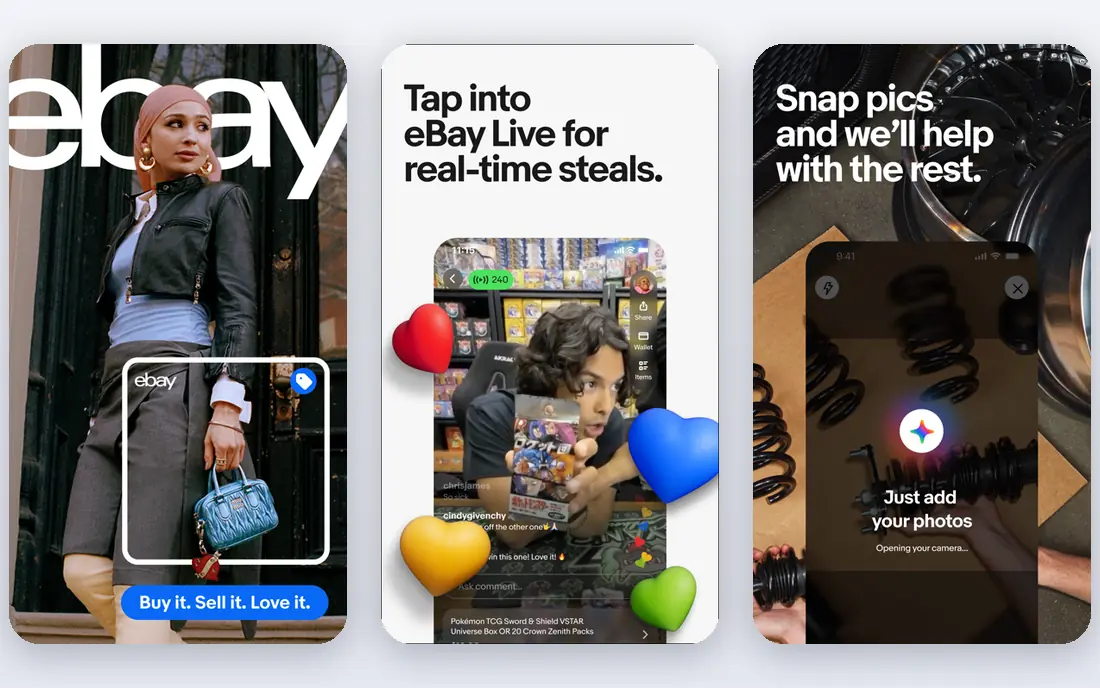
eBay is still the default reselling app because it sells almost anything to almost anyone. Electronics, collectibles, car parts, clothing and household goods all find buyers here, and search traffic from people who already intend to buy is unmatched. Managed payments deposit to your bank, and seller protections cover many disputes.
The fee is the trade-off: around 13.25 percent plus a per-order fee in most categories, with category variations, and fees apply to the item price plus any shipping the buyer paid. Listing is free up to monthly limits, and promoted listings cost extra. For volume sellers and unusual items, eBay's reach usually outweighs its fees.
- Largest buyer pool of any resale app
- Sells electronics, collectibles, clothing and parts
- Strong seller protections and search traffic
- Fees around 13.25 percent plus a per-order fee in most categories
- Listing and store options add complexity
- Fees apply to item price plus buyer-paid shipping
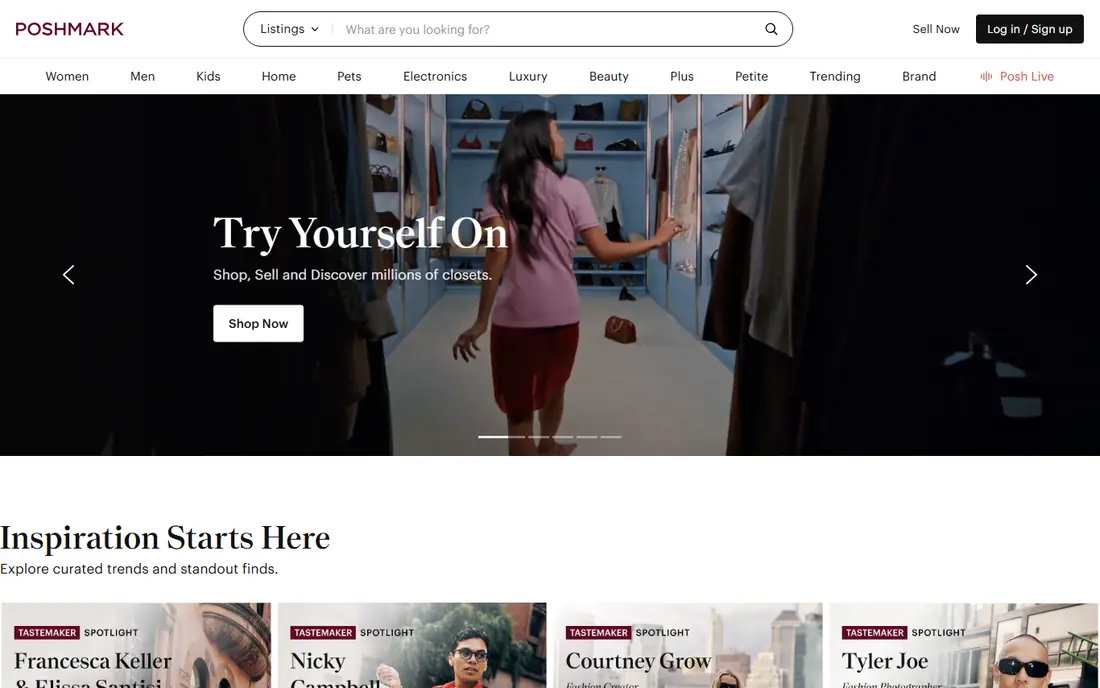
Poshmark is the social marketplace for fashion. Sellers list clothing, shoes and accessories, share listings to followers, and join themed parties that surface items to interested buyers. Shipping is simple: buyers pay a flat-rate prepaid label, and sellers just pack and drop off. The audience skews toward women's fashion and brand-name labels.
Fees are steep. Poshmark takes 20 percent on sales of 15 dollars or more, and a flat 2.95 dollars on cheaper sales, which wipes out most of a low-price item. If you sell brand-name fashion regularly, the audience and easy shipping can justify it. If you sell low-priced everyday clothes, Vinted or Mercari keeps more of each sale.
- Fashion-focused audience that buys brands
- Prepaid shipping labels included
- Social features like sharing boost visibility
- 20 percent commission on sales over 15 dollars, the highest here
- 2.95 dollar flat fee under 15 dollars eats small sales
- Limited to fashion and home goods
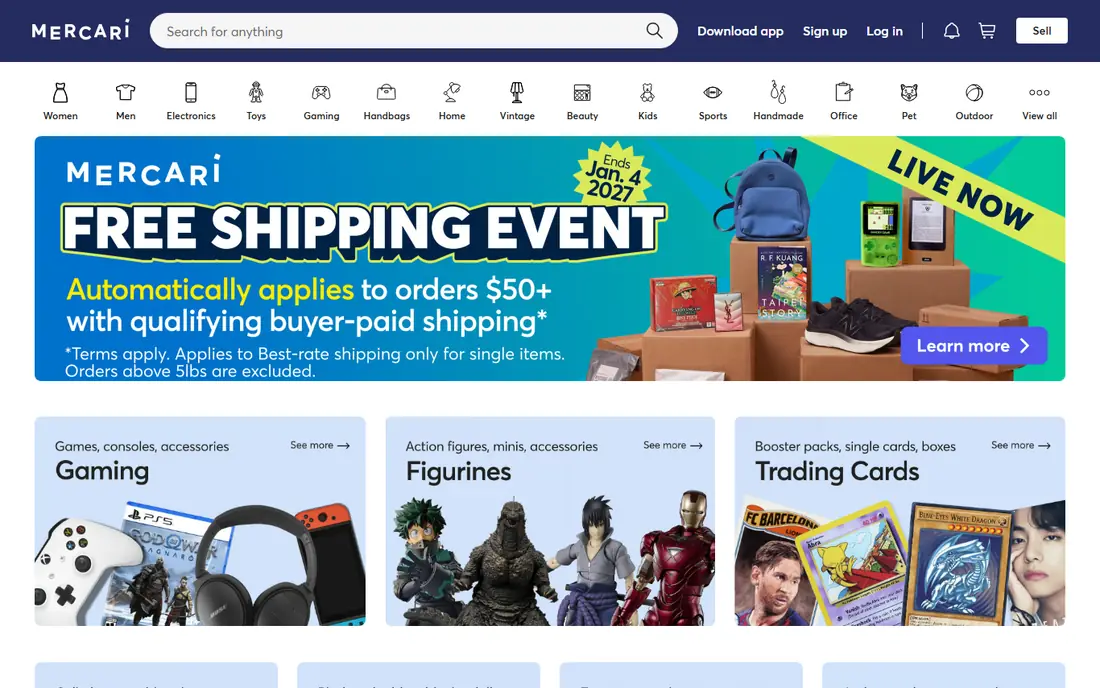
Mercari is the easiest general reselling app for casual sellers. List an item in minutes, choose a prepaid label or ship yourself, and get paid by direct deposit after delivery. It handles clothing, toys, home goods and electronics well, and its audience is broad and deal-focused.
The seller fee is a flat 10 percent, cheaper than eBay and Poshmark, though it applies to the item price plus shipping the buyer paid. Buyers also pay a protection fee, which some sellers feel reduces conversion. For clearing out a house or flipping everyday items, Mercari hits a good balance of simplicity and reach.
- Simple listing and prepaid labels
- Broad audience for household goods, toys and electronics
- 10 percent fee is lower than eBay and Poshmark
- Buyers pay a protection fee that can deter some purchases
- Fee applies to item price plus shipping
- Less fashion-focused traffic than Poshmark
Depop is the cheapest major fashion app for US sellers in 2026, since it removed its 10 percent selling fee in the US, UK and Australia. Sellers pay only payment processing of 3.3 percent plus 45 cents per sale, which means you keep far more of each sale than on Poshmark or eBay. The audience loves vintage, streetwear and Y2K styles, and the social feed helps unique pieces get discovered.
The trade-offs are audience and shipping. Depop's buyers skew young, so mainstream or older styles move slower, and sellers handle shipping themselves rather than using a flat prepaid label. For trendy fashion, Depop is now the best-value app on this list.
- No seller commission for US sellers
- Trend-driven audience for vintage and streetwear
- Social feed discovery suits unique items
- Payment processing of 3.3 percent plus 45 cents still applies
- Audience skews young, so mainstream items sell slower
- Sellers arrange shipping themselves
Vinted is the only app here where sellers keep the full listed price. There are no listing fees and no seller commission; buyers pay a protection fee at checkout instead. You print a prepaid label, ship within a few days, and get paid through the Vinted wallet after the order completes. That math makes Vinted unbeatable for everyday clothing, shoes and accessories.
The limits are category and reach. Vinted focuses on fashion, so electronics and household goods belong elsewhere, and its US audience is still smaller than eBay or Poshmark. For clearing out a wardrobe at maximum return, though, no other app keeps as much of each sale.
- No seller fees at all on standard sales
- Buyers pay the protection fee
- Prepaid labels and fast payouts
- Best for everyday fashion, not luxury or electronics
- Buyer protection fee can deter some buyers
- Smaller US presence than eBay or Poshmark
Whatnot changed reselling by making it live. Sellers run shows where viewers bid in real time, ask questions and buy on the spot, which moves collectibles, trading cards, sneakers and fashion faster than static listings. Regular shows build a following, and repeat buyers become a real asset for full-time resellers.
Fees run around 8 percent plus payment processing, which is competitive, but live selling is work: you need inventory ready, a camera setup and the confidence to host. New sellers also go through an application process. If you sell collectibles and enjoy performing, Whatnot can outperform every static marketplace here.
- Live shows create bidding excitement and fast sales
- Strong for sneakers, trading cards and collectibles
- Seller community and repeat buyers
- Commission around 8 percent plus payment processing
- Live selling needs preparation and on-camera confidence
- Application process for new sellers
Facebook Marketplace is the best tool for selling locally. List furniture, appliances and bulky items, meet the buyer nearby, and pay no fee at all on local pickup sales. The audience is enormous because it lives inside the Facebook app, and local buyers often collect the same day.
Shipped orders are a different story, with a 10 percent fee on the sale, and local selling brings its own hassles: no-shows, low offers and the need to meet strangers safely. For anything heavy, awkward or cheap to sell locally, Marketplace beats every shipping-based app. For shippable fashion or electronics, the dedicated apps are better.
- Free for local pickup sales
- Huge built-in audience
- Best option for furniture and bulky items that are costly to ship
- Shipped orders carry a 10 percent fee
- No-show buyers and haggling are common
- Less protection than dedicated resale apps
StockX works like a stock market for sneakers and streetwear. Sellers list an item, buyers place bids, and every pair passes through authentication before the buyer receives it. That verification removes the fake-product worry that plagues sneaker resale, and live price data helps you list at the market rate instead of guessing.
Fees run around 9 percent plus payment processing, and authentication means payouts take longer than a direct sale. Prices also move with trends, so timing matters. For sneakers, streetwear and collectibles where authenticity drives value, StockX is the most trusted marketplace available.
- Authentication on every pair builds buyer trust
- Live market prices guide your listings
- Global sneaker and streetwear demand
- Commission around 9 percent plus payment processing
- Authentication adds days before payout
- Prices swing with sneaker trends
Vestiaire Collective is the resale home for luxury fashion. Experts authenticate items, which lets sellers command higher prices than the same piece would fetch on a general marketplace, and the audience specifically shops for designer brands. Bags, watches, shoes and clothing from major houses move well here.
Fees are around 12 percent commission plus 3 percent payment processing, with fixed fees on lower-priced items, and authentication adds a week or two before you are paid. Listing requirements are also strict. For luxury pieces worth 200 dollars or more, the trust premium usually outweighs the fees. For everyday fashion, Vinted or Depop keeps more of each sale.
- Authentication by experts supports higher prices for luxury items
- Global luxury audience
- Strong for designer bags, watches and clothing
- Commission around 12 percent plus 3 percent processing
- Authentication adds 7 to 14 days before payout
- Strict listing requirements
How we picked these
We compared official fee pages, seller documentation and public user reviews for reselling apps available to US sellers today. We favored apps with real buyer demand, clear fee structures and seller protections, and we checked that each app's official site belongs to the product. Fees change frequently, so we note where figures come from recent seller guides and recommend confirming the current fee in the app before listing.
What to check before you list
Start with the math for your items. Calculate what you keep after fees on a typical sale price, including shipping, and compare two or three apps for your main category. A 20 percent fee app can still win if its buyers pay more, while a zero-fee app loses if your items sit unsold.
Next, match the app to your inventory. Fashion belongs on Poshmark, Depop or Vinted, sneakers on StockX, luxury on Vestiaire, collectibles on Whatnot, and everything else on eBay or Mercari. Cross-listing the same item on two apps is allowed on most platforms, but remove it everywhere else the moment it sells.
Finally, photograph well and describe honestly. Clear photos in good light, measurements for clothing, and notes on flaws reduce returns and disputes on every platform. Good listings sell faster than fee differences ever will.
Frequently asked questions
What is the best reselling app for beginners?
Mercari is the easiest start for general items, with simple listings and prepaid labels. Vinted is the best for clothing, since sellers keep the full price. eBay suits beginners who want the largest audience and do not mind learning its fee and listing options.
What are the best resale apps with the lowest fees?
Vinted charges no seller fees, and Depop charges only payment processing of 3.3 percent plus 45 cents for US sellers. Whatnot at around 8 percent plus processing is next, followed by Mercari at 10 percent. Always confirm the current fee in the app, since platforms change fees often.
What is the best app for reselling clothes?
Vinted is best for everyday clothes because sellers keep the full price. Depop is best for vintage and streetwear, Poshmark is best for brand-name fashion despite its 20 percent fee, and Vestiaire Collective is best for luxury pieces thanks to authentication.
Is eBay or Mercari better for reselling?
eBay has a much larger audience and sells a wider range of items, but charges around 13.25 percent plus a per-order fee. Mercari charges a flat 10 percent and is simpler to use, but its audience is smaller. For unusual or high-demand items, eBay usually wins. For everyday items, Mercari is cheaper and easier.
How do reselling platforms pay sellers?
Most platforms pay by direct deposit to a bank account after the buyer receives the item, usually within two to three days of delivery. StockX and Vestiaire Collective take longer because authentication happens first. Vinted pays through its wallet after the order completes.
What is the best reselling platform for sneakers?
StockX is the best sneaker platform, since every pair is authenticated and live market prices guide listings. Whatnot also works well for sneakers through live shows, and eBay remains strong for rare pairs. For authenticated sales at scale, StockX is the standard.
Sources we checked (9)

Online Jobs is an independent blog about careers, online work, learning new skills and the tools that help people earn. More about us.
Keep reading
All posts
Workday Alternatives
We compared the best workday alternatives for HR, payroll, and global hiring, from BambooHR and Gusto to Rippling, Deel, and HiBob for growing teams in 2026.
Which SaaS Tools Have the Best Customer Support
Which SaaS tools have the best customer support? Compare eight popular tools on help centres, live help, response options and overall support quality.

Top AI Helpdesk Software
Searching for top AI helpdesk software in 2026? We compared 8 AI helpdesks on automation, pricing, channels and ease of setup for small and growing teams.