Best Reputation Management Software in 2026: 9 Tools Compared


multi-location brands needing an all in one suite · Starting price: See website
How we put this together: we compare official feature and pricing pages, app store listings, privacy policies and public user reviews. Prices change, so check the provider's site before you pay.
Key takeaways
- Most reputation tools bill per location, so a price that looks small for one shop can grow fast across ten sites.
- NiceJob is the clearest priced option for a single location business, with a Starter plan at 75 dollars per month.
- Birdeye and Podium bundle review generation with messaging and listings, but both use quote based pricing, so get a written quote first.
- Yext solves a different job, listings accuracy, and pairs well with a review tool rather than replacing one.
Quick comparison
| Name | Who it suits | Starting price | Free option | |
|---|---|---|---|---|
| Birdeye | multi-location brands needing an all in one suite | See website | Free trial | Visit |
 Podium | SMS first teams wanting reviews in one inbox | See website | Free trial | Visit |
 Yext | listings accuracy across directories | $199 per location per year | Free trial | Visit |
 Reputation | enterprises scoring many locations | See website | Free trial | Visit |
 Trustpilot | e-commerce brands needing public reviews | See website | Yes | Visit |
 NiceJob | single location service businesses | $75 per month | Free trial | Visit |
 ReviewTrackers | teams needing deep review analysis | See website | Free trial | Visit |
 Grade.us | agencies managing client reviews | See website | Free trial | Visit |
 GatherUp | small businesses wanting simple review requests | See website | Free trial | Visit |
The best reputation management software
Reputation software does two jobs that are easy to confuse: getting more reviews, and keeping your business details correct everywhere customers find you. The tools below cover both jobs, but they lean in different directions, so pick by the job you need most.
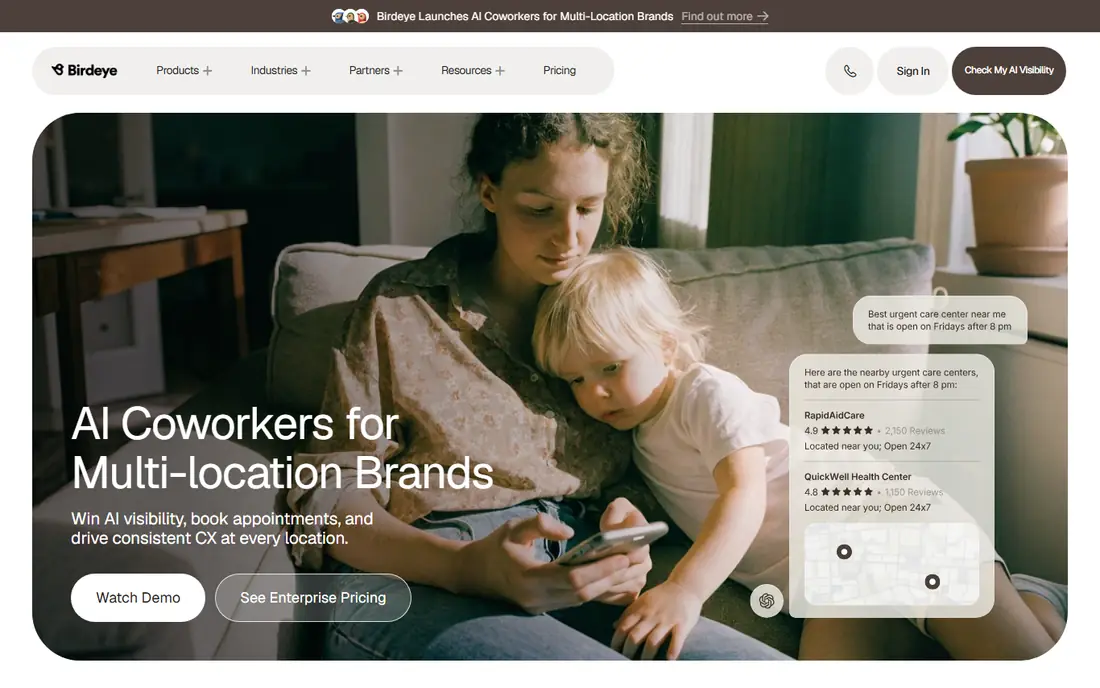
Birdeye is the suite option on this list. It combines review requests by text and email, listings management, messaging, surveys, and AI drafted replies, with dashboards that roll up many locations. For a brand with dozens of sites, that single view saves hours compared with checking each profile by hand.
The trade off is price transparency. Birdeye does not publish a standard price, so you will need a quote based on location count and the features you choose. That is normal for enterprise suites, but it means you should compare written quotes on the same location count. Choose Birdeye when you want one platform for reviews, listings, and customer messaging across many locations.
- Review generation, listings, messaging, and surveys in one platform
- AI assisted review replies
- Strong multi-location reporting
- Quote based pricing makes budgeting harder
- Can be more platform than a single shop needs

Podium starts from a simple insight: customers reply to texts faster than to email. Its inbox brings review requests, customer messages, and feedback together, so a team can ask for a review right after a job and answer a question in the same place. That workflow suits service businesses where the phone is already the main channel.
Pricing is also quote based, and the final cost depends on locations, features, and add ons. Ask for the full price including any messaging or payment features you plan to use. Pick Podium if texting is already how your customers reach you and you want reviews to live in that same inbox.
- Review requests inside a messaging inbox
- Text based customer communication
- Payments and feedback tools in higher tiers
- Quote based pricing
- Add ons can raise the total cost
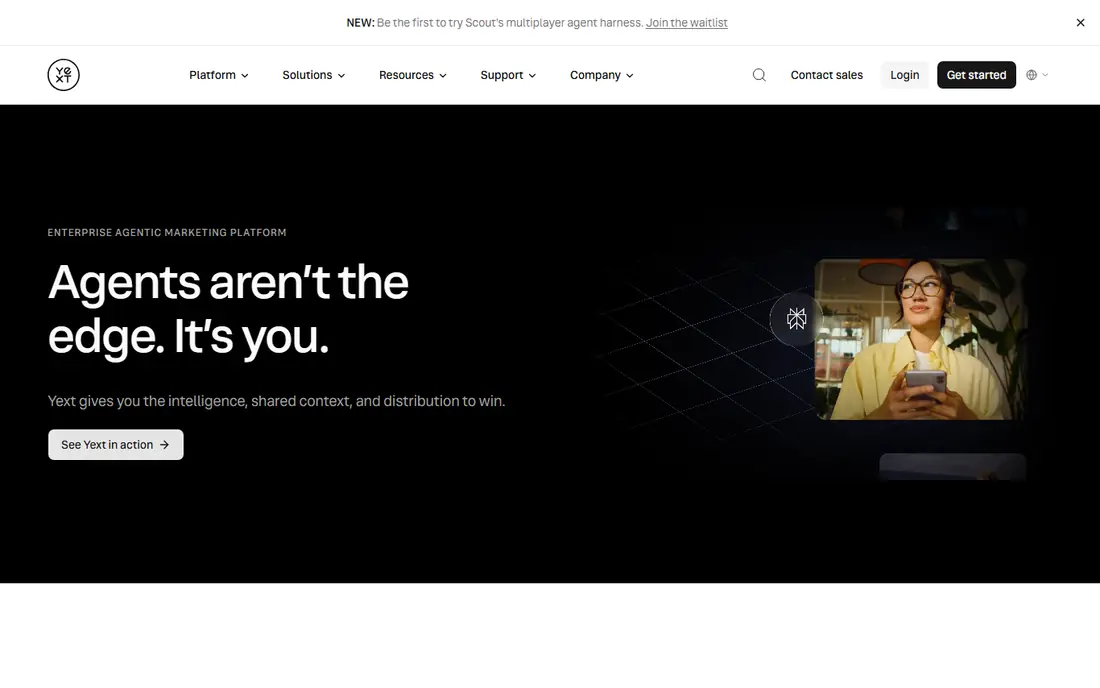
Yext does the unglamorous job that makes reviews useful: keeping your name, address, hours, and phone number correct across directories and search results. A wrong phone number attached to a great rating still loses customers, so listings accuracy comes first for many multi-location businesses. Its entry price is published, which makes budgeting easier than with quote only tools.
Do not buy Yext expecting it to generate reviews at the same pace as a dedicated review tool. It monitors and manages reviews, but generation is stronger elsewhere. Use Yext for listings control, and pair it with a review tool if you also need steady review requests.
- One edit can update many directories
- Clear published entry price
- Strong fit for multi-location brands
- Review generation is not its main strength
- Annual commitment on published plans
Reputation, formerly Reputation.com, is built for organizations that manage many locations and need to compare them fairly. Its scoring and benchmarking tools help a head office see which sites are improving, which need help, and how each location compares with peers. Review management, listings, surveys, and social tools sit inside the same platform.
That enterprise focus means a small business will find simpler and cheaper options here. Pricing is quote based and scales with locations and features. Choose Reputation when you manage a portfolio and need consistent scoring across every site, not just a review request tool for one shop.
- Location scoring and benchmarking
- Broad review and listings coverage
- Built for large portfolios
- Quote based pricing
- Overkill for a single location business
Trustpilot is different from the local tools above because its reviews live on a public profile that shoppers already recognize. For an online store, that profile can sit on product pages and in search results, giving new buyers a reason to trust a brand they have not tried. Review invitations, widgets, and profile tools support that use.
The honest catch is that a public profile requires active management. Negative reviews are visible, and unanswered complaints hurt more than a quiet inbox message would. Paid plans add features, so check what the free tier covers before you rely on it. Pick Trustpilot when public trust for an online brand is the main goal.
- Widely recognized public review profiles
- Review invitations and widgets for product pages
- Free tier to start
- Public reviews cut both ways and need active response
- Paid tiers are needed for fuller features
NiceJob is the simplest priced tool in this list, and that simplicity is its appeal. A Starter plan at 75 dollars per month covers automated review requests, social proof, and a review microsite, with a Pro tier adding referrals, broadcasts, and AI drafted replies. There is no per location math to untangle for a single shop.
The limit is scope. NiceJob does not try to match Birdeye or Reputation on enterprise reporting, listings depth, or messaging. For a plumber, roofer, salon, or clinic with one or two sites, that trade is often worth it. Choose NiceJob when you want a predictable monthly price and a tool you can set up in an afternoon.
- Clear published pricing
- Simple automated review requests
- Flat monthly price for a single business
- Basic feature set next to the suites
- Limited multi-location depth
ReviewTrackers leans toward analysis rather than just collection. It monitors reviews across many sites, surfaces trends in what customers praise or complain about, and lets you benchmark against competitors. That helps a marketing or operations team act on reviews instead of just counting stars.
The trade off is that it is less of a one click setup than NiceJob, and pricing requires a conversation. Teams that already have a review request process and need better insight will get more from it than a business starting from zero. Pick ReviewTrackers when understanding reviews matters as much as collecting them.
- Detailed review monitoring and analysis
- Competitive benchmarking
- Good reporting for multi-location teams
- Pricing is not published as a simple starting price
- Setup takes more time than the simplest tools
Grade.us is built with agencies in mind. Each client gets a dashboard, reports can carry the agency brand, and review requests go out by email and text. That structure suits a marketing agency that manages reviews for many local clients and needs to show results clearly.
For a single business, the agency features add little, and a simpler tool may be cheaper. Pricing is quote based, so agencies should compare it on a per client basis. Choose Grade.us when you manage reviews for clients and need clean, branded reporting.
- White label dashboards for agencies
- Review requests by email and text
- Multi-client management
- Email focused requests may suit text first customers less well
- Pricing needs a quote
GatherUp keeps the workflow short: ask for feedback, guide happy customers to a public review, and catch problems privately first. That first step matters, because it gives a business a chance to fix an issue before it becomes a public rating. The tool stays focused on that job rather than adding messaging, payments, or social management.
Larger brands will miss the suite features and deeper reporting. For a small business that wants a simple, honest review process without a large platform, GatherUp is a practical fit. Trial it alongside NiceJob if price and simplicity are your main filters.
- Straightforward review request workflow
- Customer feedback before public review prompts
- Useful for small teams
- Smaller feature set than the suites
- Less multi-location reporting depth
How we picked these
We compared official feature pages, pricing pages, and public documentation for tools that generate, monitor, or manage reviews and listings today. We kept tools that serve US small businesses and multi-location brands, and we marked quote based pricing as See website instead of repeating third party estimates as vendor prices. Where a vendor publishes a price, we used that figure. We favored tools with clear review request workflows, response tools, and reporting, and we noted where listings management is the main job rather than review generation.
How to choose the right reputation tool
Start by counting locations, because that number drives the bill more than any feature list. A tool priced per location can look cheap for one shop and expensive for ten, so multiply the quoted rate by your location count before you compare. Also confirm what counts as a location, since some vendors count each public profile separately.
Match the tool to your customer channel
If customers reach you by text, a text first inbox such as Podium fits better than an email only tool. If customers find you through search and maps, listings accuracy from Yext matters more. If shoppers buy online, a public profile from Trustpilot may matter most. Pick the channel your customers already use, not the longest feature list.
Plan for responses, not just requests
Reviews only help if someone answers them, including the unhappy ones. Before you buy, decide who responds, how fast, and what tone you will use. AI drafted replies can save time, but a human should check them, especially for complaints. A tool that makes responding easy will do more for your rating than one that only sends more requests.
Frequently asked questions
What is the best reputation management software for a small business?
NiceJob is a strong pick for a single location business because its pricing is published and its review requests are simple to set up. GatherUp is another simple option. Larger brands should trial Birdeye or Podium and compare written quotes on the same location count.
What is the difference between reputation management and review management?
Review management covers asking for, monitoring, and responding to reviews. Reputation management is broader and can include listings accuracy, surveys, social monitoring, and brand sentiment. Many tools in this list do both, but Yext leans toward listings while NiceJob leans toward review requests.
How much does reputation management software cost?
Published prices range from 75 dollars per month for NiceJob to 199 dollars per location per year for Yext, with Birdeye, Podium, Reputation, and others using quote based pricing. Multiply any per location price by your location count to get a true monthly or annual total.
Can reputation software remove bad reviews?
No tool can reliably remove genuine negative reviews, and any vendor promising that should be treated with caution. Good software helps you respond promptly, fix the underlying issue, and earn more fresh reviews so one bad rating carries less weight.
Is Yext a reputation management tool?
Yext includes review monitoring, but its main strength is listings management across directories. Many businesses pair Yext for listings accuracy with a dedicated review tool for generation and responses.
Sources we checked (9)

Online Jobs is an independent blog about careers, online work, learning new skills and the tools that help people earn. More about us.
Keep reading
All posts
Workday Alternatives
We compared the best workday alternatives for HR, payroll, and global hiring, from BambooHR and Gusto to Rippling, Deel, and HiBob for growing teams in 2026.
Which SaaS Tools Have the Best Customer Support
Which SaaS tools have the best customer support? Compare eight popular tools on help centres, live help, response options and overall support quality.

Top AI Helpdesk Software
Searching for top AI helpdesk software in 2026? We compared 8 AI helpdesks on automation, pricing, channels and ease of setup for small and growing teams.