Best Remote Companies in 2026: 10 Companies Compared

How we put this together: we compare official feature and pricing pages, app store listings, privacy policies and public user reviews. Prices change, so check the provider's site before you pay.
Key takeaways
- GitLab, Automattic, Zapier, Buffer, and Doist are known for fully remote or remote-first working, with public handbooks or remote guides in many cases.
- Shopify, HubSpot, Dropbox, Basecamp, and Atlassian offer remote and flexible roles, but availability varies by team, role, and location.
- This list is not a ranking by rating, pay, or size, and it makes no claim about employee counts or current openings.
- Always check the official careers page and the individual job description for location limits, time zone needs, and eligibility.
- Remote does not always mean work from anywhere: many roles limit applicants to named countries, states, or time zones.
Quick comparison
| Name | Who it suits | Starting price | Free option | |
|---|---|---|---|---|
 GitLab | Fully remote software roles | See website | See website | Visit |
 Automattic | Fully remote product roles | See website | See website | Visit |
 Zapier | Fully remote automation roles | See website | See website | Visit |
 Buffer | Fully remote social media roles | See website | See website | Visit |
 Doist | Fully remote productivity roles | See website | See website | Visit |
 Shopify | Remote-first commerce roles | See website | See website | Visit |
 HubSpot | Remote and hub-based roles | See website | See website | Visit |
 Dropbox | Flexible remote product roles | See website | See website | Visit |
 Basecamp | Fully remote project software roles | See website | See website | Visit |
 Atlassian | Remote-friendly software roles | See website | See website | Visit |
The best remote companies
Remote companies differ in how they work, not just where they hire. Some have no offices at all, some are remote-first with occasional meetups, and some offer remote roles inside a larger hybrid company. The companies below are known for remote work, and each entry points to its official careers page, where you can check current roles, location rules, and application steps.
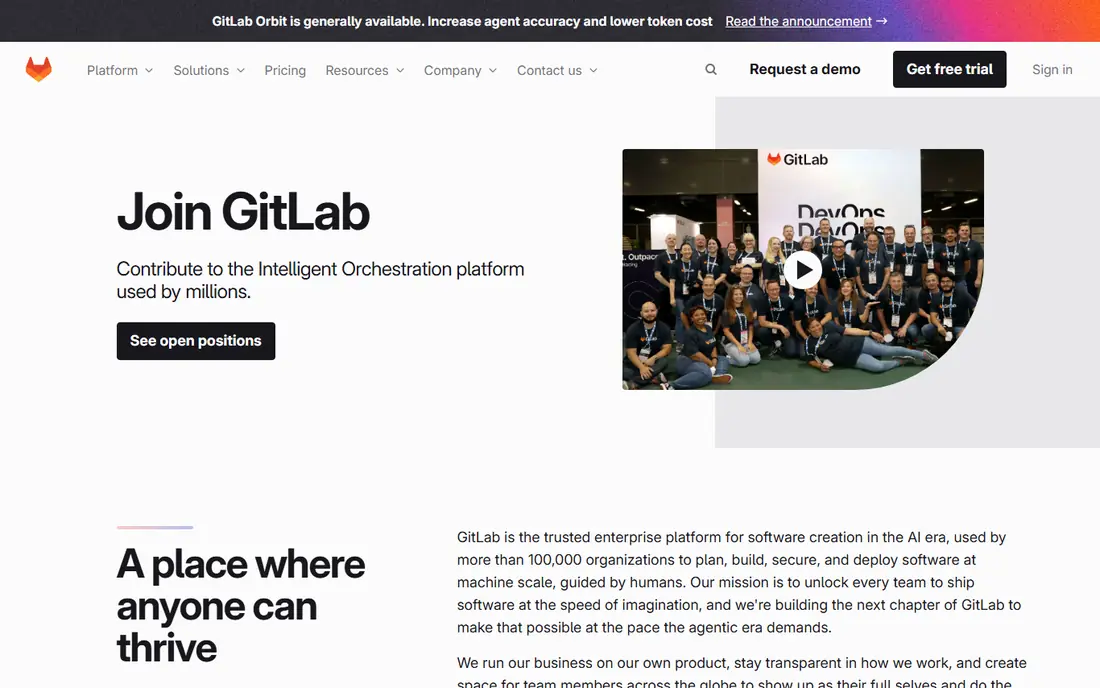
GitLab is one of the clearest examples of a fully remote company, with no central office model and a public handbook that describes how it works remotely. Roles cover engineering, product, design, customer success, sales, and support, and job descriptions state location and time zone requirements for each role. That transparency helps applicants filter for roles they can actually take. The catch is that fully remote does not mean unrestricted. GitLab roles still list eligible locations, and some teams need overlap hours with colleagues in other regions. Check the individual job page, not just the company careers home page, for those details. GitLab is a strong place to start for software professionals who want documented remote practices.
- Fully remote company model
- Public handbook describing remote work
- Roles across engineering, product, and support
- Remote roles still carry location and time zone rules
- Hiring varies by team and quarter
Automattic, the company behind WordPress.com, WooCommerce, Tumblr, and related products, has worked as a fully remote company for many years. Its teams cover engineering, design, support, marketing, and content, and its distributed model suits people who work well with written communication and asynchronous updates. The careers page lists open roles and describes the application process for each team. The trade-off is process and eligibility. Automattic hiring often includes trial projects or extended interviews, and roles still carry location, tax, and legal limits. Read the role description carefully, and be ready for a thorough, written-heavy process. Automattic deserves a close look for open source and publishing roles.
- Fully remote company behind WordPress.com
- Roles in engineering, design, support, and content
- Long history of distributed work
- Hiring process can be long
- Location and legal eligibility vary by role
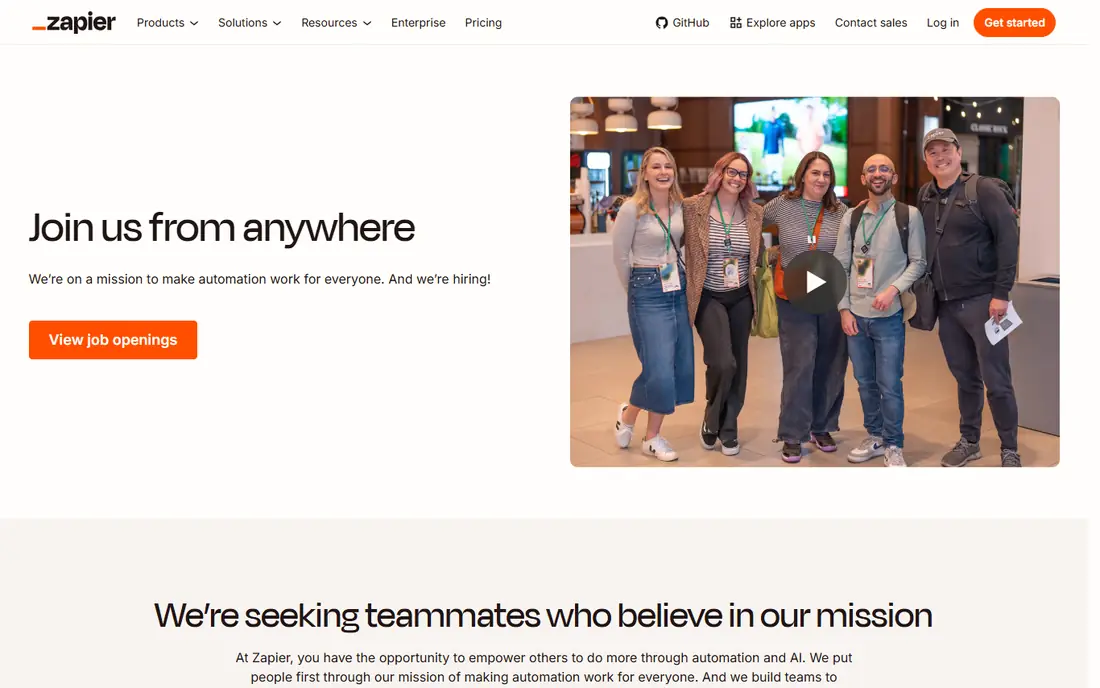
Zapier builds automation software that connects apps, and it operates as a fully remote company. Roles span engineering, customer support, sales, marketing, and product, with a focus on written communication and independent work. The careers page lets you filter by team and role type, which helps you find remote roles that match your skills rather than browsing a generic list. The catch is change. Open roles, team needs, and time zone requirements shift over time, so a role that fits today may close or change location rules tomorrow. Check the job description for overlap hours and eligible locations, and apply with examples of remote work habits, such as clear written updates and self-managed projects. For automation and SaaS professionals, Zapier is a well-known remote employer.
- Fully remote company model
- Roles in engineering, support, sales, and product
- Automation product with broad user base
- Role availability changes often
- Time zone overlap needs vary by team
Buffer builds social media management tools and operates as a fully remote company. Roles cover engineering, product, design, customer support, marketing, and content, with a culture that emphasises written communication and regular check-ins. Buffer has also published extensively about remote work, pay transparency, and company values, which gives applicants useful context before they apply. The limit is scale. Buffer is smaller than some companies on this list, so open roles are fewer and competition can be strong. Check the careers page regularly, and tailor your application to the specific product and team, rather than sending a generic remote-work cover letter. For social media and SaaS professionals who value a small, remote team, Buffer is a good fit to watch.
- Fully remote company model
- Social media and content product roles
- Public writing on remote work and transparency
- Smaller company, so fewer open roles at any time
- Role scope varies by team
Doist builds Todoist and Twist, productivity tools designed for remote and asynchronous work, and it operates as a fully remote company. Its teams work across time zones with an emphasis on written updates, focused work time, and fewer meetings. Roles cover engineering, design, product, and customer support, and the careers page describes its remote approach in detail. The trade-off is style and size. Asynchronous work suits people who plan their day well and communicate clearly in writing, but it can feel slow for people who prefer fast, live collaboration. Doist is also a smaller company, so openings are limited. If you like Todoist or Twist and you work well asynchronously, Doist is a natural company to follow.
- Fully remote company behind Todoist and Twist
- Focus on asynchronous work
- Roles in engineering, design, and support
- Small team with limited openings
- Asynchronous style suits some workers more than others
Shopify, the e-commerce platform, describes itself as remote-first, with employees working remotely and using offices as optional hubs in some locations. Roles cover engineering, design, product, data, support, sales, and marketing, across commerce products used by merchants worldwide. That breadth gives applicants many routes into remote work, from technical roles to customer-facing roles. The catch is variation. Not every Shopify role is fully remote in every location, and some teams have hub or location requirements. Filter the careers page by remote and by location, and read each job description for eligibility. Shopify offers remote-first scale that smaller companies cannot match.
- Remote-first working model
- Large commerce product scope
- Roles in engineering, design, support, and sales
- Some roles are hub-based or location-specific
- Remote availability varies by team
HubSpot builds marketing, sales, and customer service software, and it offers remote and flexible roles alongside office hubs. Its careers site lets you filter by remote work, location, and team, which helps you find roles that match your working preference. Roles cover engineering, product, design, sales, marketing, support, and operations, with a strong focus on inbound marketing and customer growth. The limit is role variation. HubSpot is not fully remote in the same way as GitLab or Automattic, so some roles are office-based or hybrid, and remote eligibility varies by country. Check the work location field on each job page, not just the company label. For marketing and sales professionals who want a large SaaS employer with remote options, HubSpot is worth filtering carefully.
- Remote and flexible roles alongside offices
- Marketing, sales, and product scope
- Large careers site with filters
- Remote options vary by role and country
- Some roles need office or hub attendance
Dropbox, known for file storage and collaboration tools, uses a flexible working model that includes remote roles, with studios and offices for collaboration in some locations. Roles cover engineering, product, design, data, support, and sales, and the careers site lets you filter by location and job type. That flexibility suits people who want remote work with occasional in-person collaboration, rather than a strict office routine. The trade-off is definition. Flexible and remote-first are not the same, and some Dropbox roles still need a base location or regular studio time. Read each job description for work location, travel expectations, and eligible countries. For product and engineering professionals who want a well-known collaboration company with remote options, Dropbox is a practical company to check.
- Flexible remote working model
- Product, engineering, and design roles
- Collaboration product with wide use
- Flexible does not mean every role is fully remote
- Location rules vary by team
Basecamp builds project management and team communication software, and it operates as a fully remote company with an emphasis on calm work, fewer meetings, and asynchronous communication. Roles cover programming, design, support, marketing, and operations, and the company has written extensively about remote work and work-life balance. That philosophy appeals to people who want remote work without constant live meetings. The limit is openings. Basecamp is a smaller company, so roles appear infrequently and hiring is selective, often with written exercises. Check the jobs page directly, because Basecamp roles may not appear on every job board. Basecamp is a company to watch for calm, asynchronous remote work.
- Fully remote company model
- Project management product roles
- Strong focus on calm, asynchronous work
- Small team with few openings at a time
- Hiring style is selective and written-heavy
Atlassian builds Jira, Confluence, Trello, and related team software, and it offers remote-friendly roles alongside offices in many countries. Its careers site lets you filter by location, team, and work type, which helps you find roles that allow remote work in your country. Roles cover engineering, product, design, data, support, sales, and marketing, with a focus on team collaboration tools. The catch is variation by role and country. Atlassian is remote-friendly, not fully remote for every role, so some jobs need office attendance or a specific base location. Check the location and work type fields on each job page, and confirm eligibility before you invest time in an application. For software professionals who use Atlassian tools already, it is a natural remote-friendly employer to explore.
- Remote-friendly roles across many teams
- Large software product scope
- Careers filters for work location
- Remote eligibility varies by role and country
- Some roles are office-based
How we picked these
We reviewed official careers pages, company remote work pages, and public company descriptions for each employer, and we checked whether remote, remote-first, or flexible roles are offered. We looked for companies with a clear remote model, a usable careers filter, and roles across more than one team, rather than a single remote job posting. Public remote company lists helped us spot candidates, but we did not copy their rankings, ratings, or employee counts, and we did not claim current openings that we did not verify. We kept companies that job seekers can realistically research through an official careers page in 2026. Where a company is fully remote, remote-first, or remote-friendly, we used that label carefully and noted that individual roles may differ. Check the official careers page and the individual job description for current openings, location limits, and eligibility, because remote policies change.
How to apply for the best companies for remote work
Start with role fit, not company fame. A fully remote company with a poor role match will frustrate you more than a remote-friendly company with the right team, manager, and work style. Filter careers pages by your skill, location, and time zone, then read three or four full job descriptions before you apply to any of them.
Show remote work skills in your application
Remote employers look for clear written communication, self-management, and reliable follow-through. Use your application to show those skills: write a concise cover note, give examples of projects you managed remotely or asynchronously, and state your time zone and overlap availability plainly. Avoid vague claims about loving remote work, and give concrete examples instead, such as a project you shipped with a distributed team.
Check location, pay, and legal details early
Remote roles often limit applicants to named countries, states, or regions for tax, legal, and payroll reasons, and pay may vary by location. Ask about location eligibility, employment type, benefits, and time zone overlap early in the process, so you do not invest weeks in a role you cannot legally take. Keep a shortlist of companies that hire in your location, and check their careers pages regularly.
Frequently asked questions
What are the best companies for remote work?
GitLab, Automattic, Zapier, Buffer, and Doist are known for fully remote working, while Shopify, HubSpot, Dropbox, Basecamp, and Atlassian offer remote, remote-first, or remote-friendly roles. This list is not ranked by rating or pay, and the best company for you depends on your skills, location, time zone, and preferred working style. Check official careers pages for current roles.
Which remote companies hire internationally?
Many remote companies hire across countries, but eligibility varies by role, tax, and legal rules. GitLab, Automattic, Zapier, and Doist hire across many regions, while larger companies such as Shopify, HubSpot, and Atlassian list eligible locations on each job page. Always check the individual job description, because a company that hires internationally for one team may not do so for another.
Do remote companies pay the same as office companies?
Pay varies by company, role, seniority, and location, and some remote companies adjust pay by location while others do not. This guide makes no pay claim for any company, because pay bands change and depend on the specific role. Check the job description, salary range where listed, and benefits page, and ask about pay structure early in the hiring process.
Is remote work the same as work from anywhere?
No. Remote work usually means you work from home or a location approved by the employer, within eligible countries, states, or time zones. Work from anywhere, with no location limits at all, is rarer and usually still carries tax, visa, and security limits. Read the location and eligibility section of each job description before you apply.
How do I find remote jobs at these companies?
Start on the official careers page for each company, filter by remote work and your location, and read full job descriptions. Set up job alerts where the careers site offers them, and check back regularly, because remote openings change often. Avoid third-party listings that do not link to the official job page, and never pay a fee to apply for a job.
What skills help you get a remote job?
Clear written communication, self-management, reliable follow-through, and comfort with asynchronous tools help most remote applicants. Technical skills matter for the role itself, but remote employers also look for evidence that you can plan work, update colleagues without constant meetings, and meet deadlines independently. Give concrete examples in your application, not just a statement that you work well remotely.
Sources we checked (10)

Online Jobs is an independent blog about careers, online work, learning new skills and the tools that help people earn. More about us.
Keep reading
All posts
n8n Alternatives
n8n alternatives compared for 2026, with Zapier, Make, Activepieces, and more, covering visual builders, code steps, self-hosting, and pricing models.

ZoomInfo Alternatives
The best ZoomInfo alternatives in 2026, compared on price, free plans, data coverage, and which tool fits small teams or large sales teams best in detail.

Workday Alternatives
We compared the best workday alternatives for HR, payroll, and global hiring, from BambooHR and Gusto to Rippling, Deel, and HiBob for growing teams in 2026.