Best Regards Alternatives in 2026: 8 Email Tools Compared

How we put this together: we compare official feature and pricing pages, app store listings, privacy policies and public user reviews. Prices change, so check the provider's site before you pay.
Key takeaways
- Best regards is safe but generic, so the best alternative depends on whether you want warmth, brevity, formality, or a clear next step.
- Warm regards, Kind regards, and Thanks work well for most professional messages, but they carry slightly different tones.
- Email writing tools help most when they suggest a closing that fits the message, not when they paste the same sign off on every email.
- Grammarly and Flowrite are the strongest picks for everyday writers who want tone and closing suggestions built into email.
- Short closings like Thanks and Best work well for internal messages, while a fuller closing suits a first message to a new contact.
Quick comparison
| Name | Who it suits | Starting price | Free option | |
|---|---|---|---|---|
 Grammarly | Everyday tone and closing help | See website | Yes | Visit |
 Flowrite | Turning notes into full emails | See website | Free trial | Visit |
 Lavender | Sales email tone and coaching | See website | Free trial | Visit |
 Superhuman | Fast professional email workflow | See website | Free trial | Visit |
 Microsoft Outlook | Office email with signatures | See website | Free trial | Visit |
 Gmail | Simple email with signatures | Free | Yes | Visit |
 Spike | Conversational email and chat style | See website | Free trial | Visit |
 Shortwave | AI assisted inbox and replies | See website | Free trial | Visit |
The best regards alternatives
This guide is about email sign offs, not about a product called Best Regards. Best regards is a closing phrase used at the end of professional emails, and the alternatives here are other closings, plus the email tools that help you choose and use them well. We list tools rather than inventing products, because a sign off on its own is a phrase, not a service you buy.
The tools below help in different ways. Some suggest tone and wording as you write, some turn short notes into a full email, and some manage signatures so your closing stays consistent. We compared official feature pages, pricing, and how each tool handles tone, signatures, and replies, so you can pick the help you actually need.
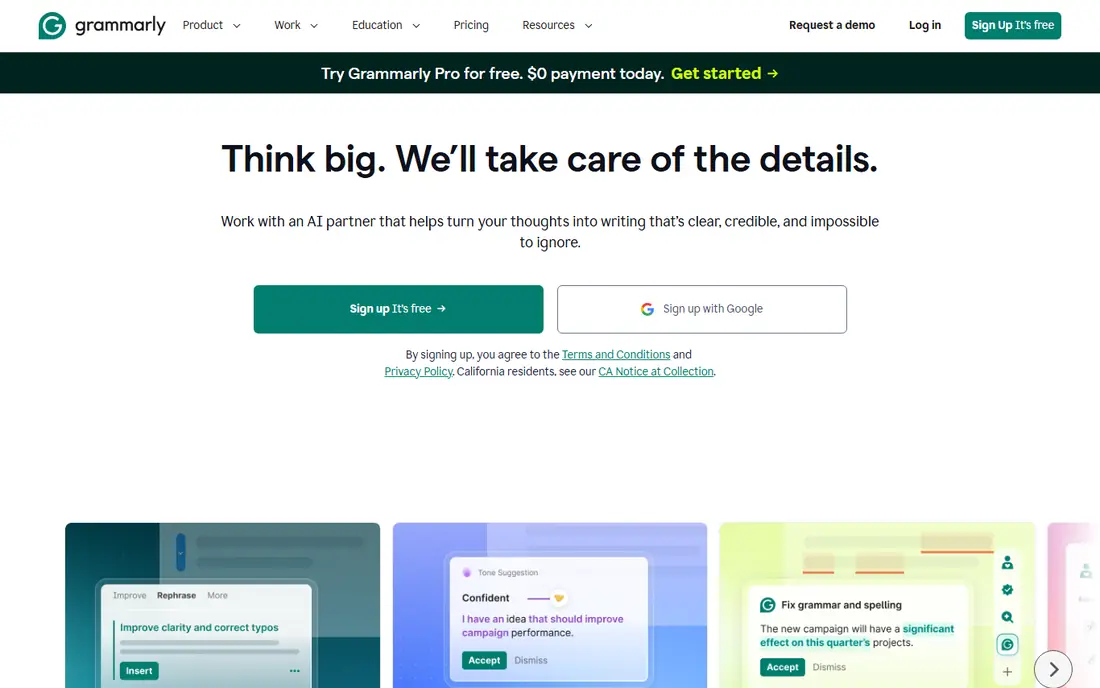
Grammarly is the most general tool in this list, and that is why it comes first. It checks grammar and tone as you write an email, and it can suggest a softer or more formal rewrite when a closing or a sentence does not match the rest of the message. That help is useful when you are switching between a client, a manager, and a colleague in the same inbox.
The limit is context. Grammarly can suggest a warmer closing, but it cannot know your relationship with the reader or the history of the thread. Use its suggestion as a starting point, then adjust for the person. For everyday professional email, that combination of suggestion plus judgment works well.
- Tone suggestions as you write
- Works in Gmail, Outlook, and browsers
- Helps catch wording that sounds too blunt or too stiff
- Suggestions need judgment, since tone depends on context
- Advanced features need a paid plan
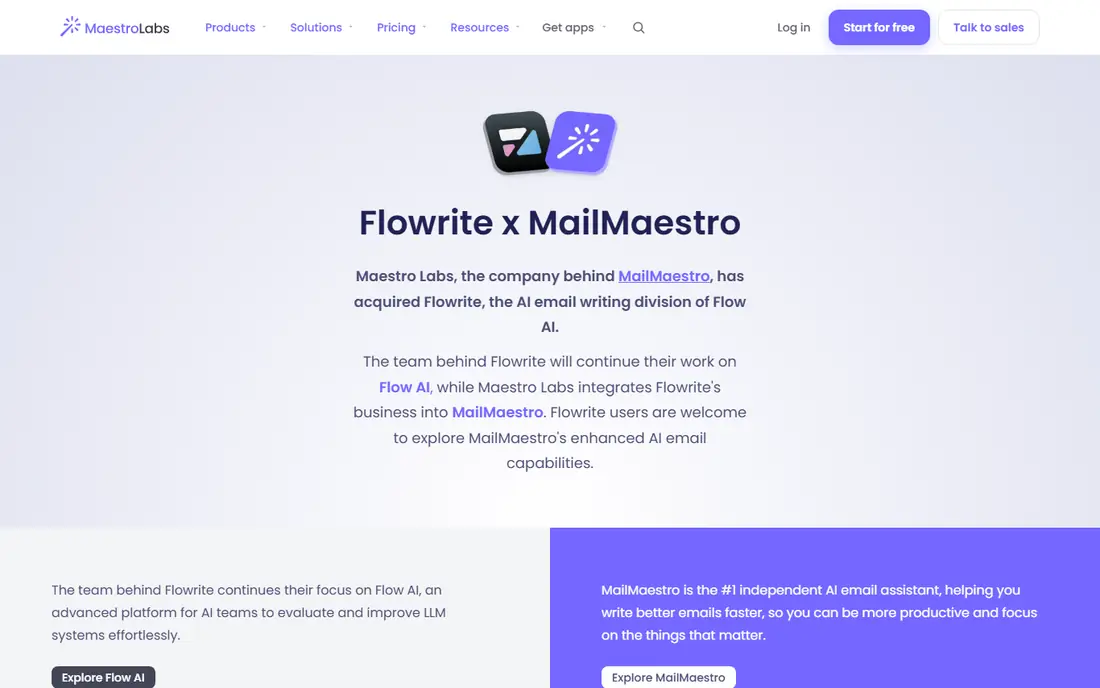
Flowrite suits people who know what they want to say but dislike writing the full email. You give it a short instruction, pick a tone, and it drafts the message, including a closing that fits that tone. That can save time on routine messages like scheduling, follow ups, and introductions.
The catch is personal detail. A generated draft can sound correct but generic, and a generic closing on a personal message can feel worse than a simple Thanks. Edit the draft for the specific person, check the closing against the thread, and keep your own sign off for messages where the relationship matters most.
- Turns short instructions into a full draft
- Tone options help match formality
- Useful for routine outreach
- Drafts need editing for personal detail
- Less useful if you already write full emails easily
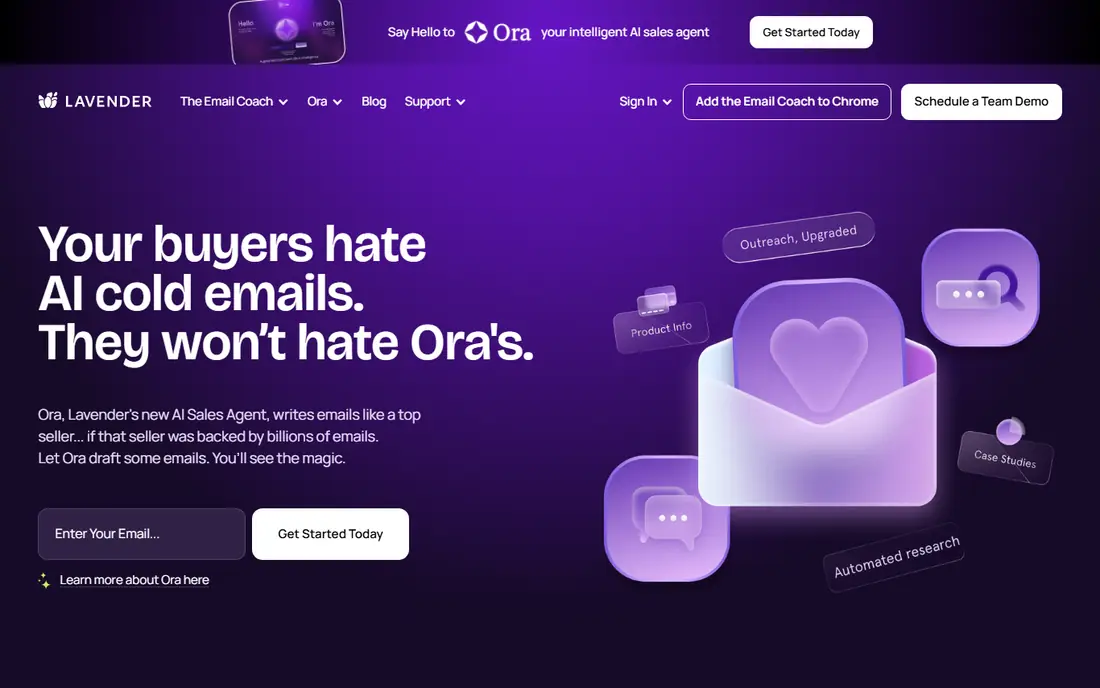
Lavender is built for sales and outreach email, where tone and length affect replies. It scores a draft, flags sentences that may hurt response, and suggests shorter, clearer wording. That coaching can help a sender who defaults to Best regards on every cold email, even when a warmer or more direct close would fit better.
For general office email, Lavender is more specialized than needed. Its value shows when you send many similar outreach messages and want consistent tone coaching. If you only write a few professional emails a day, Grammarly or your email client signature tools will cover the same ground more simply.
- Scores email tone and readability
- Coaching for sales outreach
- Helps shorten long emails
- Built mainly for sales teams
- Less relevant for general office email
Superhuman is less about suggesting a single closing and more about making good closings easy to reuse. Snippets let you save a closing you like, insert it with a shortcut, and keep it consistent across messages. For a founder, a recruiter, or a sales lead who sends dozens of similar emails, that consistency saves time and avoids typos in signatures.
The price is the main drawback. Superhuman costs more than Gmail or Outlook alone, so it only makes sense if email volume is high enough that speed matters daily. If you send a handful of emails a day, save your preferred closings as signatures or templates in your existing client instead.
- Very fast keyboard workflow
- Snippets for common closings and replies
- Good for high volume inboxes
- Higher price than a standard email client
- Best value only if you process a lot of email daily
Outlook is the practical pick for many office workers because it is already the email client they use. You can save several signatures, such as a formal signature for external clients, a short signature for internal messages, and a warm signature for regular contacts, then pick the right one per message. That simple feature solves most Best regards fatigue on its own.
Outlook does not coach tone as deeply as Grammarly or Lavender, so you still need to choose the closing yourself. Pair it with a writing tool if you want suggestions, or keep a short list of closings you trust and rotate them by context. For office consistency, Outlook signatures are hard to beat.
- Multiple signatures for different contexts
- Strong calendar and task integration
- Widely used in offices
- Interface can feel heavy
- Tone help is more limited than a dedicated writing tool
Gmail suits people who want a free, simple way to manage closings. You can set a default signature, add a short closing to a template, and use Smart Reply for quick internal messages. For many users, that is enough, since the best alternative to Best regards is often just a shorter, more human closing, not a new tool.
The limit is depth. Gmail will not coach a long sales email the way Lavender does, and its signature system is simpler than Outlook for multiple contexts. If you mainly need a clean signature and a few trusted closings, Gmail covers it. If you need tone coaching, add Grammarly to Gmail rather than switching clients.
- Free and widely used
- Signature settings are easy
- Smart Reply and writing help for short replies
- Signature options are simpler than Outlook
- Tone help is basic for longer professional messages
Spike changes the email format itself, turning threads into a chat like view. That shift makes a stiff closing like Best regards feel out of place, and it encourages shorter, more natural sign offs such as Thanks or Talk soon. For internal teams and close collaborators, that tone can feel more honest and faster.
For formal external email, Spike style may not fit every recipient. A first message to a client or a formal institution still benefits from a standard structure and a fuller closing. Use Spike where the relationship is already informal, and keep a formal client for first contact and official messages.
- Chat style email view reduces formality pressure
- Useful for teams that email like they message
- Shared inboxes and notes
- Less traditional for formal external email
- Some recipients may expect a standard formal format
Shortwave is built on Gmail and adds AI drafting, inbox organization, and reply assistance. It can draft a reply with a closing that fits the thread, which helps when you are clearing a busy inbox and defaulting to the same sign off out of habit. Bundles and snoozing also reduce the pressure to reply instantly with a generic close.
As with any AI drafting tool, check the closing before you send. A draft that sounds polite in isolation can still feel wrong for a sensitive thread. Shortwave works best as a first draft tool, with you making the final call on warmth, formality, and next steps.
- AI drafting and reply help
- Bundles and snoozing for inbox control
- Good for Gmail users who want assistance
- Gmail focused, so Outlook users get less value
- AI drafts still need a human check on tone
How we picked these
We compared official feature pages, pricing, and how each tool handles tone, signatures, templates, and drafting. We favored tools that a US professional can actually use today in Gmail or Outlook, and that help with closings in a concrete way, such as signature management, tone suggestions, or draft generation. We left out generic grammar tools that do not work in email, since they do not help with sign offs in practice.
Alternatives to Best regards, by tone
The phrase you choose should match the relationship and the message, not just sound polite in isolation. A warm closing on a formal legal message can feel too casual, while a stiff closing on a friendly follow up can feel distant. Use the list below as a starting point, then adjust for the person and the thread.
Warm regards works well when you know the person and want a slightly softer tone than Best regards, without becoming informal. Kind regards is a close cousin, slightly more formal than Warm regards, and it suits regular professional contacts. Thanks is best when you are genuinely thanking someone, or when the message is short and internal, since it adds a human note without extra words.
Best is a short, neutral option for internal messages and for people you email often. It saves space and avoids repeating a longer phrase on every thread. Regards on its own can feel cold, so we suggest avoiding it unless your workplace uses it as a standard. Cheers suits informal teams and creative fields, but it can feel too casual for a first formal message.
For formal first messages
Use Kind regards or Sincerely for a first message to a new client, a formal institution, or a senior contact you do not know yet. Add your full name, title, and contact details below the closing, since the signature carries as much weight as the phrase itself.
For regular contacts
Use Warm regards, Best, or Thanks, depending on the message. Rotate them by context rather than using one phrase for every email, since variety signals that you actually thought about the message.
For short internal messages
Use Thanks or Best, or no formal closing at all when the thread is already conversational. A short close respects the reader time and avoids the filler that makes Best regards feel tired in the first place.
Closings that add a next step
Sometimes the best alternative is not a phrase but a sentence. Try “Let me know if Thursday works” or “I will follow up on Friday” before your name, then a short close like Best. That gives the reader a clear next step, which is more useful than a polite phrase alone.
Frequently asked questions
What are good alternatives to Best regards?
Warm regards, Kind regards, Thanks, and Best are the most reliable alternatives to Best regards for professional email. Warm regards suits regular contacts, Kind regards suits slightly more formal messages, Thanks suits messages where you are grateful, and Best suits short internal messages.
What are warm regards alternatives?
If you already use Warm regards often, try Kind regards for a slightly more formal tone, Best wishes for a friendly note, or Thanks so much for a message where gratitude is the point. Match the alternative to the relationship, since a warmer phrase can feel too familiar on a first formal message.
Is Best regards too formal?
Best regards is not too formal for most professional email, but it is generic, which is why it can feel tired when used on every message. It remains safe for a first message or a formal contact. For regular contacts, a shorter or warmer close often reads more naturally.
Should I use Regards instead of Best regards?
Regards on its own can feel colder than Best regards, so we suggest avoiding it for most messages unless your workplace uses it as a standard. If you want a shorter option, Best is warmer and more common for internal and regular contacts.
What is the best sign off for a professional email?
There is no single best sign off for every professional email. Kind regards suits formal first messages, Warm regards suits regular contacts, Thanks suits grateful messages, and Best suits short internal notes. Choose by relationship, message type, and whether you need to add a next step.
Can email tools really help with closings?
Yes, when they are used as a starting point rather than a replacement for judgment. Grammarly can flag tone, Flowrite can draft a full message, and Outlook or Gmail signatures can keep your chosen closings consistent. Check every suggested closing against the thread before you send.
Sources we checked (8)

Online Jobs is an independent blog about careers, online work, learning new skills and the tools that help people earn. More about us.
Keep reading
All posts
Zoom Alternatives
Zoom alternatives compared for 2026: Google Meet, Microsoft Teams, Webex, Jitsi and more for free calls, large meetings and webinars for teams and classrooms.
Which Software Is Best for PDF Page Removal
Which software is best for PDF page removal? We compare free and paid tools for deleting pages quickly, safely, and without harming your file in this guide.

Which Software Is Best for Data Entry
Compare the best data entry software for forms, OCR scanning, and spreadsheets, with free plans, pricing, and honest limits for each tool before you commit.