Best Podcast Hosting Platform in 2026: 8 Platforms Compared

How we put this together: we compare official feature and pricing pages, app store listings, privacy policies and public user reviews. Prices change, so check the provider's site before you pay.
Key takeaways
- Buzzsprout is the easiest paid start for beginners, while Spotify for Creators is the best free host.
- Podbean offers strong value for regular publishers, and Transistor suits networks with several shows.
- Check how you are metered, because some hosts limit upload hours and others limit monthly downloads.
- Keep control of your RSS feed and set up a redirect before you ever change hosts.
Quick comparison
| Name | Who it suits | Starting price | Free option | |
|---|---|---|---|---|
 Buzzsprout | Beginners | $15 per month | Yes | Visit |
 Spotify for Creators | Free hosting | Free | Yes | Visit |
 Podbean | Value publishing | $12 per month | Yes | Visit |
 Transistor | Multiple shows | $19 per month | Free trial | Visit |
 Captivate | Marketing tools | $17 per month | Free trial | Visit |
 Libsyn | Long-running shows | See website | No | Visit |
 Acast | Ad monetisation | See website | Yes | Visit |
 RSS.com | Budget hosting | See website | Yes | Visit |
The best podcast hosting platform
A podcast host stores your audio files, creates your RSS feed and distributes episodes to Apple Podcasts, Spotify and other apps. The right host depends on how often you publish, how many shows you run and how you want to earn money. We compared official pricing pages and feature pages, and we focused on metering, distribution, analytics and migration tools.
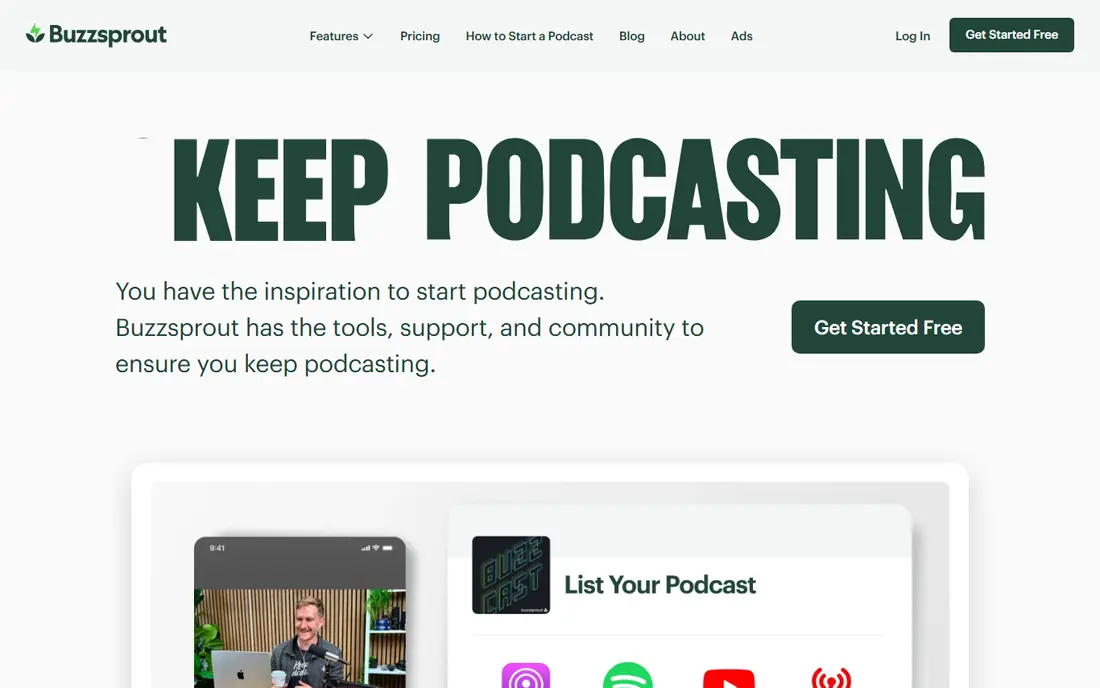
Buzzsprout is the easiest host for a first podcast. Setup is guided, publishing is straightforward, and distribution to major directories is explained step by step. Episode tools such as transcriptions, chapter markers and a built-in website help new podcasters look polished without extra software. That simplicity is why it appears so often as a beginner recommendation.
The metering model is the limit. Paid plans are based on upload hours per month, so a long weekly show can use hours faster than a short show. The free plan also keeps episodes for a limited time in many reports, so it is a trial rather than a permanent free home. Buzzsprout suits solo creators who publish weekly, want an easy start, and can fit their show length into the plan they choose.
- Very easy setup and publishing
- Guided distribution
- Useful episode tools
- Paid plans meter upload hours
- Free plan episodes expire after 90 days in many reports
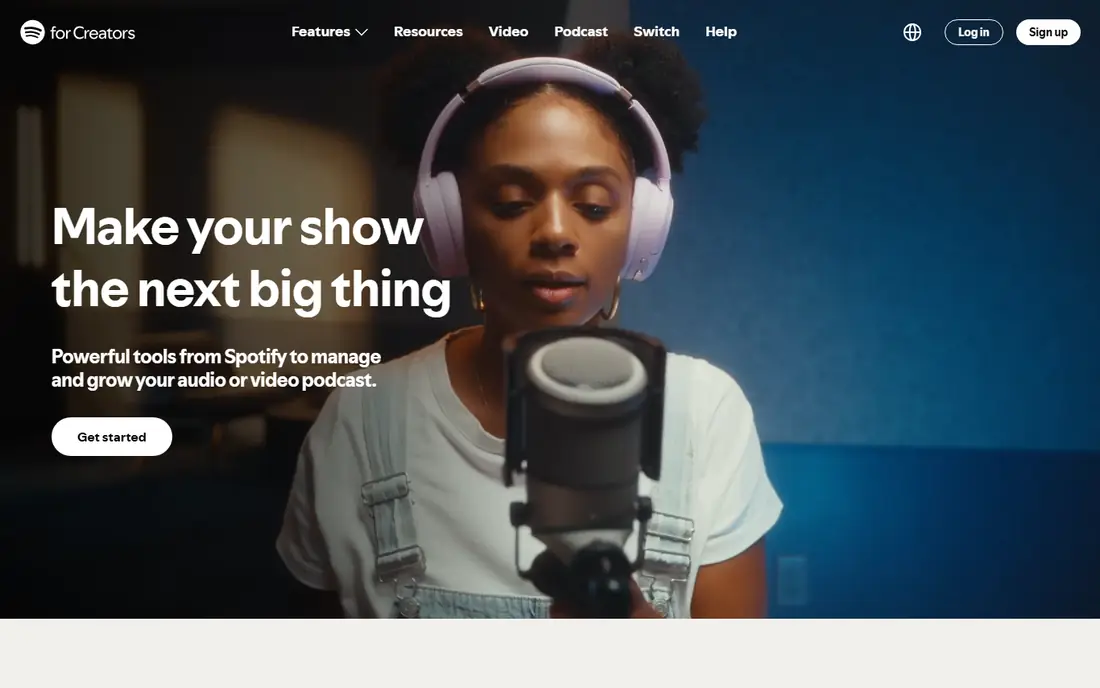
Spotify for Creators, formerly Anchor and Spotify for Podcasters, is the best free host on this list. The core plan costs nothing, offers unlimited hosting, and distributes to major podcast apps, with audio and video support. For a hobby show, a test show or a creator with no budget, that free envelope is hard to beat. Setup is also quick, which helps first-time podcasters publish without a subscription decision.
The trade-offs are control and monetisation. Analytics and earning tools are centred on Spotify, and monetisation through its partner program has audience requirements. Advanced hosts give more export, private feed and team controls. Spotify for Creators suits free shows and Spotify-first creators, while serious networks may still prefer a paid host for fuller control.
- Free unlimited hosting in the core plan
- Distribution to major apps
- Video podcast support
- Analytics and monetisation are Spotify-centred
- Fewer advanced host controls
- Partner program has audience rules
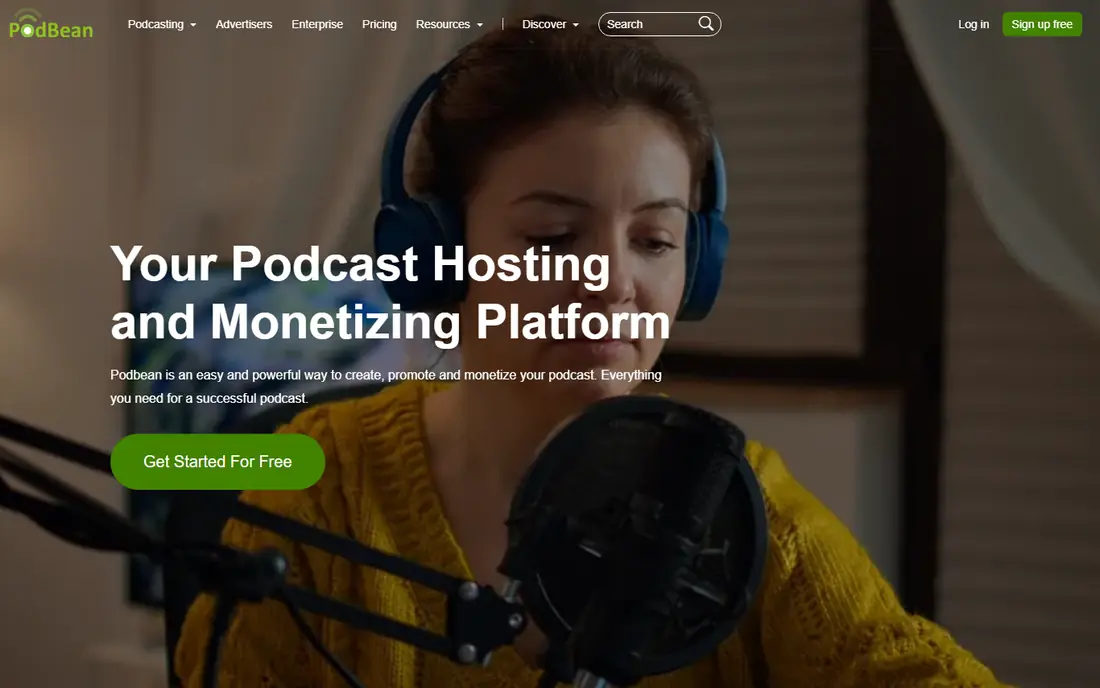
Podbean offers strong value for regular publishers. Paid plans from the annual price shown here include unlimited audio storage and unmetered bandwidth in many reports, which removes the upload-hour worry that comes with Buzzsprout. Monetisation tools, including ads, listener donations and premium subscriptions, sit in the same account, so a growing show does not need several tools to earn.
The interface is less polished than Buzzsprout, and the free plan limits storage, so it works as a trial rather than a long-term free home. Some advanced features also sit on higher plans. Podbean suits weekly publishers who want predictable value, unlimited storage and monetisation in one account, without paying for a premium beginner experience.
- Unlimited storage on paid plans
- Monetisation tools included
- Livestream and listener support options
- Interface feels less polished than Buzzsprout
- Free plan limits storage
- Some features sit on higher plans
Transistor is built for people who run more than one show. A single plan can host several podcasts, with private feeds for paid or internal audiences and team access for collaborators. That structure suits networks, agencies and creators with a main show plus a bonus or client show. Analytics are clear, and migration tools help when moving an existing feed.
Download metering is the limit. Plans step up by monthly downloads, so a fast-growing show may need a higher tier sooner than expected. There is also no lasting free plan, only a trial. Transistor suits networks and multi-show creators who value private feeds and team tools, and who can forecast download growth before choosing a tier.
- Multiple shows on one plan
- Private podcast feeds
- Unlimited team members in many plans
- Plans meter monthly downloads
- No lasting free plan
- Price rises with audience size
Captivate focuses on growing a show, not just hosting it. It includes marketing tools such as guest booking links, calls to action and growth tracking, alongside standard hosting, distribution and analytics. That focus suits podcasters who use their show for marketing, lead generation or business growth, rather than only for audience building. The dashboard also presents listener data in a way that is easy to share with a team.
Download limits apply, so check the allowance for your audience size before you commit. The entry price shown here is based on annual billing in many reports, with a higher monthly figure if you pay month to month. Captivate suits marketing-led podcasters who will use its growth tools, rather than hobby shows that only need basic hosting.
- Marketing and growth tools
- Guest booking and calls to action
- Clear analytics
- Plans meter downloads
- No lasting free plan
- Price varies by billing period
Libsyn is one of the longest-running podcast hosts, founded in 2004, and it remains a reliable choice for established shows. It offers wide distribution, stable hosting and a long track record, which matters for shows that have published for years and do not want hosting surprises. Many professional podcasters value that stability over newer design trends.
The model feels dated to some new users, because plans are based on storage rather than unlimited uploads, and the interface is less modern than Buzzsprout or Captivate. There is also no free plan. Libsyn suits long-running shows and professional podcasters who value reliability and who are comfortable with a storage-based plan.
- Long industry history
- Wide distribution
- Reliable hosting for established shows
- Storage-based plans can feel dated
- Interface is less modern
- No free plan
Acast is built around monetisation, with a large ad marketplace and dynamic ad insertion that can place ads in new and old episodes. That makes it a strong choice for shows whose main goal is advertising revenue, especially shows with a growing audience that advertisers want to reach. A free starter plan in many reports lets new shows publish a limited number of episodes before upgrading.
Paid plans remove those limits, and ad revenue still depends on audience size, geography and category, so small shows should not expect large earnings. Some tools also feel ad-focused rather than creator-focused. Acast suits shows that prioritise advertising, have a growing audience, and want a host that handles ad sales and delivery.
- Strong ad marketplace
- Dynamic ad insertion
- Free starter plan in many reports
- Paid plans needed for fuller limits
- Ad revenue depends on audience size
- Some tools are ad-focused
RSS.com is a budget option that suits new podcasters who want a low-cost paid host after testing the free tier. It covers the core jobs, including hosting, RSS feed creation, distribution to major apps and basic analytics, without a complex dashboard. That simplicity helps first-time hosts who want to publish quickly and learn as they go.
Feature depth is thinner than Buzzsprout, Transistor or Captivate, especially for private feeds, team workflows and advanced monetisation. Pricing also varies by plan and billing period, so check the vendor page for your show size. RSS.com suits budget-conscious beginners who need reliable core hosting and who do not yet need advanced network or marketing tools.
- Budget-friendly paid plans in many reports
- Free tier for testing
- Distribution and analytics included
- Feature depth is thinner than premium hosts
- Monetisation tools are more basic
- Pricing varies by plan
How we picked these
We compared official pricing pages and feature pages, and we kept only hosts that are still available and truly distribute a podcast RSS feed in 2026. We favoured hosts with clear metering, a usable free plan or trial, and migration support, rather than listing recording tools or listening apps as hosts. Metering model, price, distribution and monetisation shaped the shortlist.
We did not claim hands-on hosting tests, and we did not invent download or listener figures. Where pricing varied by billing period, we used the annual figure where that was the headline price and marked prices as See website when no single figure applied. Prices change, so check the vendor pricing page before you commit to a year.
How to pick a host by metering and growth
First, decide how you will be metered. Upload-hour hosts suit short, regular shows, while download-metered hosts suit shows with a predictable audience. Unlimited storage hosts suit long shows, but check bandwidth and other limits in the plan terms. Write down your episode length, publishing frequency and current downloads, then match those numbers to the plan, not to the marketing headline.
Keep your feed and your audience if you move
Before you cancel any host, set up a redirect from your old RSS feed to your new feed, and confirm that directories follow it. Most hosts on this list offer migration tools or assisted imports, but the redirect step is the one that protects listeners. Test the new feed in a podcast app before you cancel the old account, and keep the old account live until the redirect is confirmed.
Monetisation needs an audience first
Do not choose a host only for ad tools if your audience is still small. Ads, subscriptions and donations all need listeners first, and a host change will not create them. Focus on consistent publishing, clear show notes and distribution to major apps, then add monetisation tools when your audience can support them.
Frequently asked questions
What is the best podcast platform for beginners?
Buzzsprout is the easiest paid start, with guided setup and distribution, while Spotify for Creators is the best free start. Beginners who want no cost should start free, and beginners who want guided tools and support should try Buzzsprout. Both distribute to major podcast apps.
What is the best free platform for podcasts?
Spotify for Creators is the best free platform, with unlimited hosting in its core plan and distribution to major apps. RSS.com and Acast also offer free tiers, but with limits on episodes or features. Free hosts suit hobby and test shows, while serious shows often move to paid hosting for fuller control.
What is the best podcast hosting software for multiple shows?
Transistor is the best choice for multiple shows on one plan, with private feeds and team access. Captivate also supports multiple shows on some plans, but Transistor is built around networks and teams. Check download allowances, because multi-show plans still meter total downloads.
Can I switch podcast hosts without losing listeners?
Yes, if you set up a redirect from your old RSS feed to your new feed before cancelling the old host. Directories such as Apple Podcasts and Spotify follow the redirect, and most hosts offer migration tools. Test the new feed first, and keep the old account live until the redirect is confirmed.
How much does podcast hosting cost?
Costs range from free on Spotify for Creators to around $12 to $19 per month for entry paid plans from Podbean, Buzzsprout, Transistor and Captivate, with higher tiers for larger audiences. Annual billing usually lowers the monthly figure. Check whether your plan meters upload hours, downloads or storage before you choose.
Sources we checked (8)

Online Jobs is an independent blog about careers, online work, learning new skills and the tools that help people earn. More about us.
Keep reading
All posts
ZoomInfo Alternatives
The best ZoomInfo alternatives in 2026, compared on price, free plans, data coverage, and which tool fits small teams or large sales teams best in detail.

Workday Alternatives
We compared the best workday alternatives for HR, payroll, and global hiring, from BambooHR and Gusto to Rippling, Deel, and HiBob for growing teams in 2026.
Which SaaS Tools Have the Best Customer Support
Which SaaS tools have the best customer support? Compare eight popular tools on help centres, live help, response options and overall support quality.