Best Medical Practice Management Software in 2026: 8 Systems Compared

How we put this together: we compare official feature and pricing pages, app store listings, privacy policies and public user reviews. Prices change, so check the provider's site before you pay.
Key takeaways
- athenaOne suits larger practices that want billing, records and scheduling in one managed system.
- DrChrono and Tebra suit small practices that need Apple-friendly or all-in-one tools without enterprise complexity.
- SimplePractice suits therapy and wellness practices, while Practice Fusion suits small clinics seeking a low-cost start.
- Most pricing is quote-based, so request a quote at your provider count and specialty before you compare totals.
Quick comparison
| Name | Who it suits | Starting price | Free option | |
|---|---|---|---|---|
 athenaOne | larger practices | See website | No | Visit |
 DrChrono | Apple-friendly small practices | See website | Free trial | Visit |
 Tebra | all-in-one small practices | See website | Free trial | Visit |
 SimplePractice | therapy and wellness practices | See website | Free trial | Visit |
 Practice Fusion | low-cost small clinics | See website | Free trial | Visit |
 AdvancedMD | growing multi-provider practices | See website | Free trial | Visit |
 CureMD | specialty practices | See website | Free trial | Visit |
 NextGen Healthcare | larger groups and specialties | See website | No | Visit |
The best medical practice management software
Practice management software handles the business side of care: scheduling, patient intake, billing, claims and reporting. Some systems also include electronic health records, while others focus on admin and billing and connect to a separate records system. The tools below cover small clinics through larger groups. We compared official feature pages and plan details, and we note where pricing is quote-based, since that is common in this category.
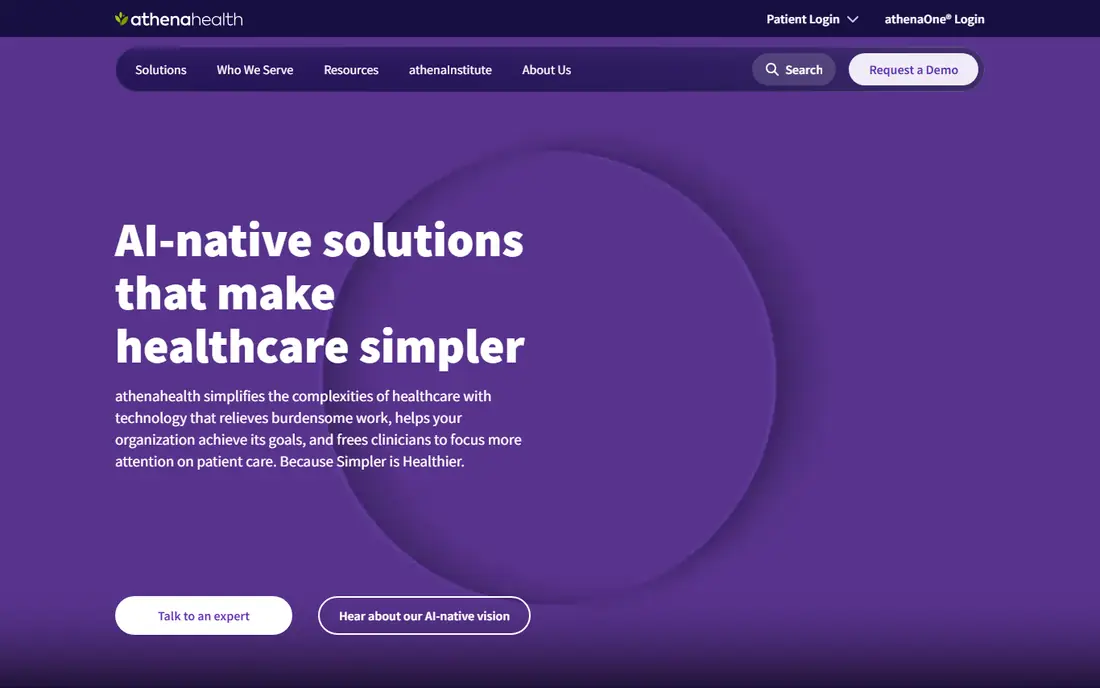
athenaOne combines electronic health records, practice management and billing services, with a managed option where athenahealth staff handle much of the revenue cycle. That scope suits practices that want fewer vendors and a single view of scheduling, documentation and claims. Reporting tools help managers track denials, collections and schedule fill rates.
The trade-off is scale and cost. Pricing depends on provider count, specialty and services, so a small solo practice will need a quote to judge value. Implementation also takes planning, especially for data migration. For a growing or mid-size practice that wants a managed system, athenaOne is a strong, proven pick.
- Scheduling, records and billing in one system
- Managed billing service option
- Large payer network experience
- Pricing is quote-based
- Implementation can take time
- Smaller practices may find it oversized

DrChrono stands out for practices that run on Apple devices. The iPad app lets clinicians document, schedule and check in patients from a tablet, which suits mobile workflows and smaller exam rooms. Templates can be shaped to a specialty, and billing tools sit alongside scheduling and records rather than in a separate system.
Pricing is not published as a simple monthly rate, so get a quote for your provider count. Some advanced tools also sit on higher tiers. For a small practice that already uses iPhones and iPads, DrChrono offers a natural, mobile-first workflow that larger desktop systems do not match.
- Strong iPad and iPhone apps
- Customizable templates
- Integrated billing and scheduling
- Pricing is quote-based
- Some features need higher tiers
- Support quality reports vary
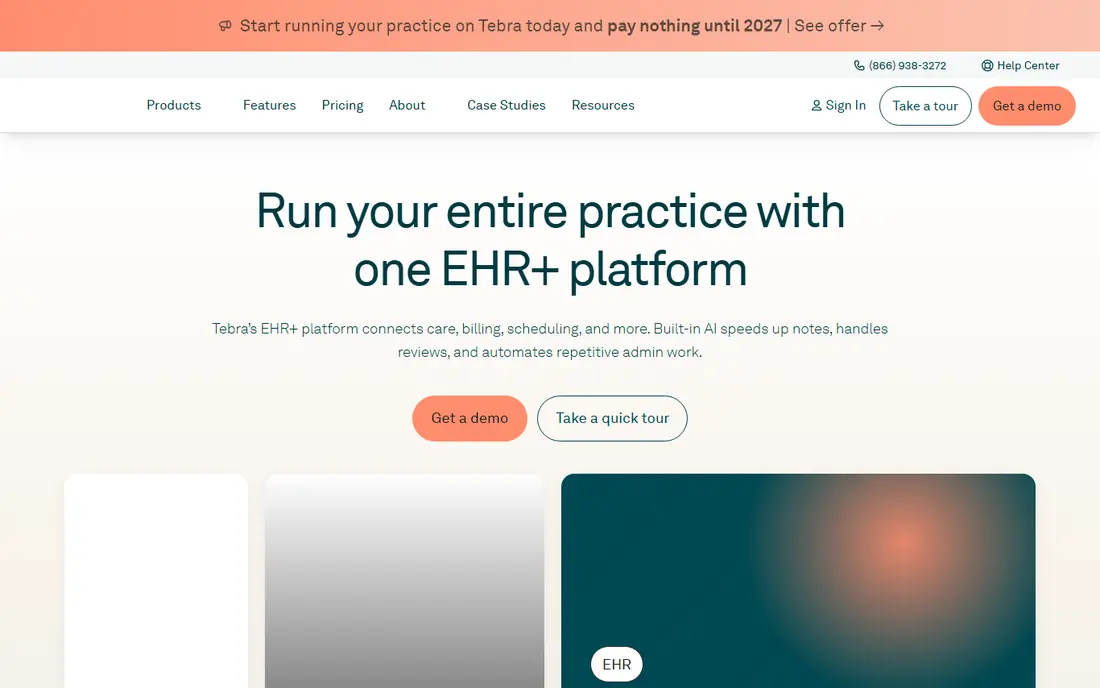
Tebra, formed from Kareo and PatientPop, aims to cover the full front office for independent practices. Online scheduling, reminders, intake, billing and patient messaging sit together, which cuts down on the tool sprawl that small practices often suffer. Reputation and marketing tools also help new practices fill schedules.
As with most tools here, pricing requires a quote, and moving records from an older system needs planning. Specialty depth may also trail larger enterprise systems. For an independent practice that wants one vendor for scheduling, billing and patient contact, Tebra is a practical middle ground.
- Scheduling, billing and patient communication in one place
- Online booking and reminders
- Reputation tools
- Pricing is quote-based
- Migration from older systems takes care
- Some specialty depth trails larger systems
SimplePractice is designed for therapists, counselors, dietitians and other wellness providers rather than general medical clinics. The client portal, telehealth, notes templates and billing fit that workflow well, and setup is simpler than in a hospital-grade system. Solo providers and small group practices can start quickly without a long implementation.
Medical practices with complex billing, labs or hospital connections will find it thin. Even within wellness, check whether your billing needs fit the plan you choose. For therapy and wellness practices, SimplePractice is our pick for ease and fit.
- Built for therapists and wellness providers
- Client portal and telehealth
- Simple billing and notes
- Less suited to large medical groups
- Medical billing depth is lighter
- Some features need higher tiers
Practice Fusion offers a cloud-based system that covers records, scheduling and e-prescribing at a lower entry cost than many rivals. That makes it a useful start for a small clinic that needs a working system without enterprise pricing. Being cloud-based also means updates and access work from any modern browser.
Depth is the limit. Larger practices and specialties with complex workflows may need more reporting, billing or integration options than Practice Fusion provides. Check current pricing and support terms on the vendor site, since both have changed over time. For a small clinic on a tight budget, it remains a reasonable first system.
- Cloud-based records and scheduling
- Lower cost entry for small clinics
- E-prescribing tools
- Feature depth trails larger systems
- Support and reporting limits reported by some users
- Pricing details need a quote
AdvancedMD suits practices moving from solo to multi-provider care. Scheduling, billing, records and telemedicine sit in one suite, with reporting that helps managers track productivity and collections across providers. That breadth helps when a practice adds staff and locations and needs consistent workflows.
Solo providers may find the suite larger than they need, and implementation takes more effort than a simple therapy tool. Pricing also requires a quote. For a growing practice that wants room to scale without switching systems soon, AdvancedMD is a solid choice.
- Scheduling, billing and records in one suite
- Telemedicine tools
- Reporting for managers
- Pricing is quote-based
- Setup can be involved
- Interface feels busy for solo providers
CureMD offers specialty-focused templates and workflows alongside scheduling, billing and records. That focus helps practices in areas like cardiology, oncology or behavioral health where generic templates slow clinicians down. Cloud access keeps the system available across locations without local servers.
Its US footprint is smaller than the largest vendors, so check references in your specialty and confirm support hours before you commit. Pricing is quote-based, as usual here. For a specialty practice that wants tailored templates without enterprise cost, CureMD deserves a demo.
- Specialty templates and workflows
- Billing and practice management tools
- Cloud access
- Pricing is quote-based
- Smaller US footprint than athenahealth
- Implementation needs planning
NextGen Healthcare serves larger groups, health centers and specialty practices that need depth in reporting, population health and complex workflows. Its experience with larger organizations shows in tools for quality reporting and multi-location management. Practices that must meet detailed reporting rules often need that depth.
That depth comes with a major implementation effort and quote-based pricing, which puts it out of reach for most solo clinics. Do not pick NextGen for simplicity. Pick it when your size, specialty or reporting needs exceed what small-practice tools can handle.
- Broad specialty support
- Population health and reporting tools
- Large practice experience
- Pricing is quote-based
- Implementation is a major project
- Too large for most solo clinics
How we picked these
We compared official feature pages, specialty coverage and plan details, and we favored systems that still operate in the US, support scheduling and billing, and publish clear information about records, telehealth and integrations. We did not claim hands-on testing, and we based our notes on vendor documentation and public product information. Pricing in this category is usually quote-based, so we used See website where a public starting price could not be verified, rather than inventing a number.
How to choose the right system
Start with specialty, provider count and billing complexity, not with a feature list. A therapy practice, a cardiology clinic and a multi-location group need different templates, billing rules and reporting. Ask each vendor for total cost at your provider count, including implementation, training, e-prescribing and clearinghouse fees. Trial the scheduling and billing flows with real staff, since those daily tasks decide whether the system helps or hinders.
Check compliance and data handling too. Confirm HIPAA-related safeguards, data export terms and what happens to your records if you leave. Talk to references in your specialty, and plan migration time for patient records and open claims. The cheapest quote is rarely the cheapest system if migration and training drag on for months.
Frequently asked questions
What is the best medical practice management software?
athenaOne suits larger practices that want a managed system, while DrChrono and Tebra suit small practices that want mobile-friendly or all-in-one tools. SimplePractice suits therapy and wellness practices. Your specialty and provider count decide the best fit more than any single feature.
What is the top practice management software for a small clinic?
DrChrono, Tebra and Practice Fusion are the strongest small-clinic picks here, depending on budget and device use. DrChrono fits Apple users, Tebra fits all-in-one front-office needs, and Practice Fusion fits a lower-cost start. Request quotes at your provider count before you compare.
What is the best clinic management software for therapy practices?
SimplePractice is built for therapy and wellness providers, with a client portal, telehealth and notes templates that fit that work. General medical systems can handle therapy too, but they add complexity that solo therapists rarely need. Check billing and telehealth terms on the plan you choose.
How much does practice management software cost?
Most vendors price by quote, based on providers, specialty and services, so public starting prices are rare in this category. Small-practice tools may cost far less than managed enterprise systems, but implementation and clearinghouse fees add to the total. Always ask for a full quote.
Can practice management software handle billing and claims?
Yes, most systems here include billing, claims submission and payment tracking, with some offering managed billing services. Check denial management, clearinghouse connections and reporting on your plan, since those tools vary. A system that only schedules will leave billing work elsewhere.
Sources we checked (8)

Online Jobs is an independent blog about careers, online work, learning new skills and the tools that help people earn. More about us.
Keep reading
All posts
n8n Alternatives
n8n alternatives compared for 2026, with Zapier, Make, Activepieces, and more, covering visual builders, code steps, self-hosting, and pricing models.

ZoomInfo Alternatives
The best ZoomInfo alternatives in 2026, compared on price, free plans, data coverage, and which tool fits small teams or large sales teams best in detail.

Workday Alternatives
We compared the best workday alternatives for HR, payroll, and global hiring, from BambooHR and Gusto to Rippling, Deel, and HiBob for growing teams in 2026.