Best logo design company in 2026: 8 Tools Compared

How we put this together: we compare official feature and pricing pages, app store listings, privacy policies and public user reviews. Prices change, so check the provider's site before you pay.
Key takeaways
- 99designs and DesignCrowd suit startups that want many logo options from many designers, while LogoWorks suits small businesses that want a dedicated designer at a lower price.
- Designity, Superside, Ramotion, and Clay suit teams that need a logo as part of a wider brand system, not just a single mark.
- Pentagram suits established brands and well-funded startups that want a high-profile identity from a world-known studio, at a premium price.
- The best company for logo design depends on budget, timeline, how many options you want to see, and whether you need strategy, guidelines, and a full brand system.
Quick comparison
| Name | Who it suits | Starting price | Free option | |
|---|---|---|---|---|
 Pentagram | Premium brand identity | See website | No | Visit |
 99designs | Logo contests | See website | No | Visit |
 DesignCrowd | Logo contests | See website | No | Visit |
 LogoWorks | Affordable custom logos | See website | No | Visit |
 Designity | Ongoing creative support | $5,995 per month | No | Visit |
 Superside | Scalable creative teams | See website | No | Visit |
 Ramotion | Tech startup branding | See website | No | Visit |
 Clay | Digital brand systems | See website | No | Visit |
The best logo design company
A logo company can mean a contest platform, a small agency, or a large studio, and those models produce very different results. The companies below cover all three, so a startup can compare a low-cost contest with a dedicated agency and a premium studio on the same terms.
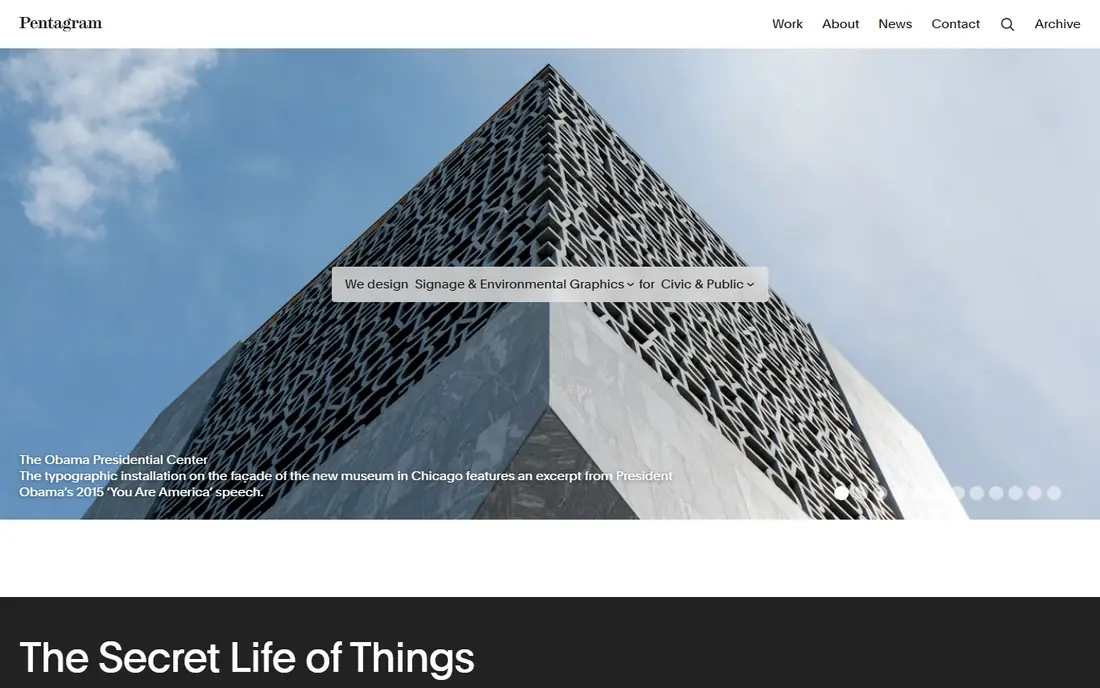
Pentagram is the premium end of this list, and it is included because some startups and established brands specifically want a studio of this standing. Projects are led by partners, and the work covers strategy, typography, visual systems, and guidelines, not just a single logo file. That depth is why Pentagram identities tend to last, because the logo is built as part of a system that can grow across products, packaging, and digital channels. The catch is price and fit. Pentagram pricing is custom and premium, and a startup with a small budget will get far better value from a contest or a small agency. Pentagram suits well-funded startups, rebrands, and established brands where identity is a central business asset and the budget reflects that. If that is not your situation, the other companies in this list will serve you better, and there is no shame in that choice.
- World-known studio with partner-led projects
- Strong strategy and identity systems
- Portfolio across major global brands
- Premium custom pricing
- Not suited to tight startup budgets
- Project availability is selective
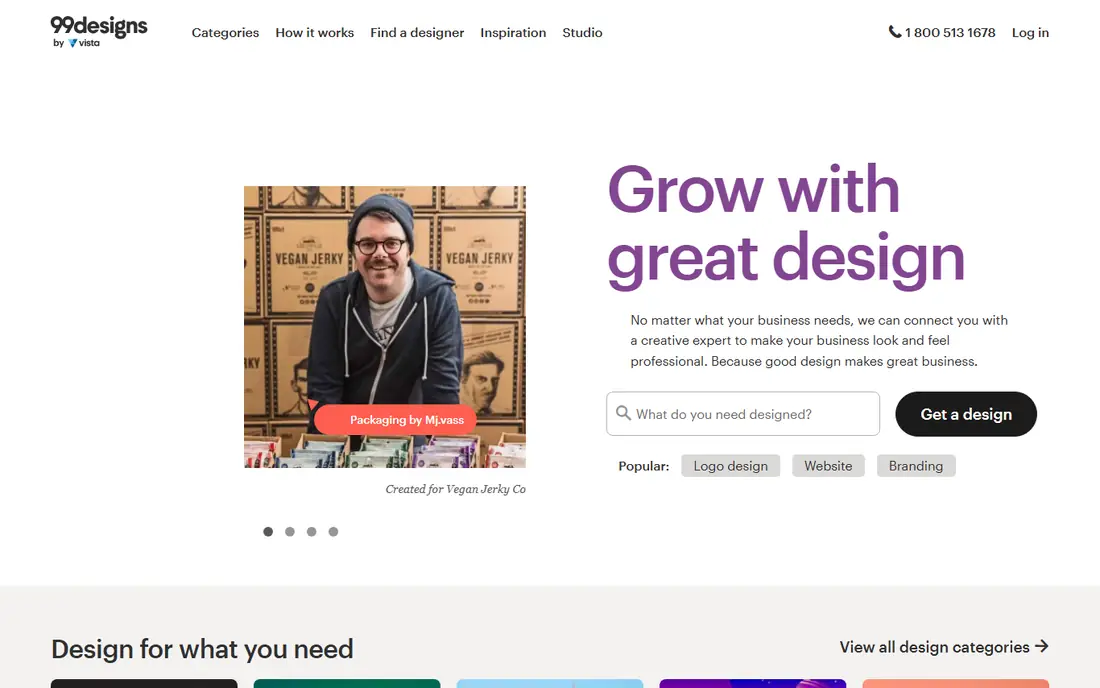
99designs works differently from a traditional agency. You write a brief, designers submit concepts in a contest, you give feedback, and you pick a winner to refine. Public listings place logo contest starting prices around $299, with higher tiers offering more concepts and more experienced designers. That model suits startups that want choice, because seeing dozens of directions can clarify what the brand should actually look like. The honest limit is the brief. A vague brief produces vague options, and a contest will not fix a brand strategy problem on its own. Higher tiers also cost more, and the final price depends on the tier and any add-ons. For startups that know their audience and can give clear feedback, 99designs offers strong value. For startups that need strategy before design, a dedicated agency may be a better first step.
- Many logo options from many designers
- Contest and one-to-one hiring options
- Full file and copyright transfer for the winning design
- Contest quality varies by brief and tier
- Higher tiers cost more
- You must give clear feedback to get good results
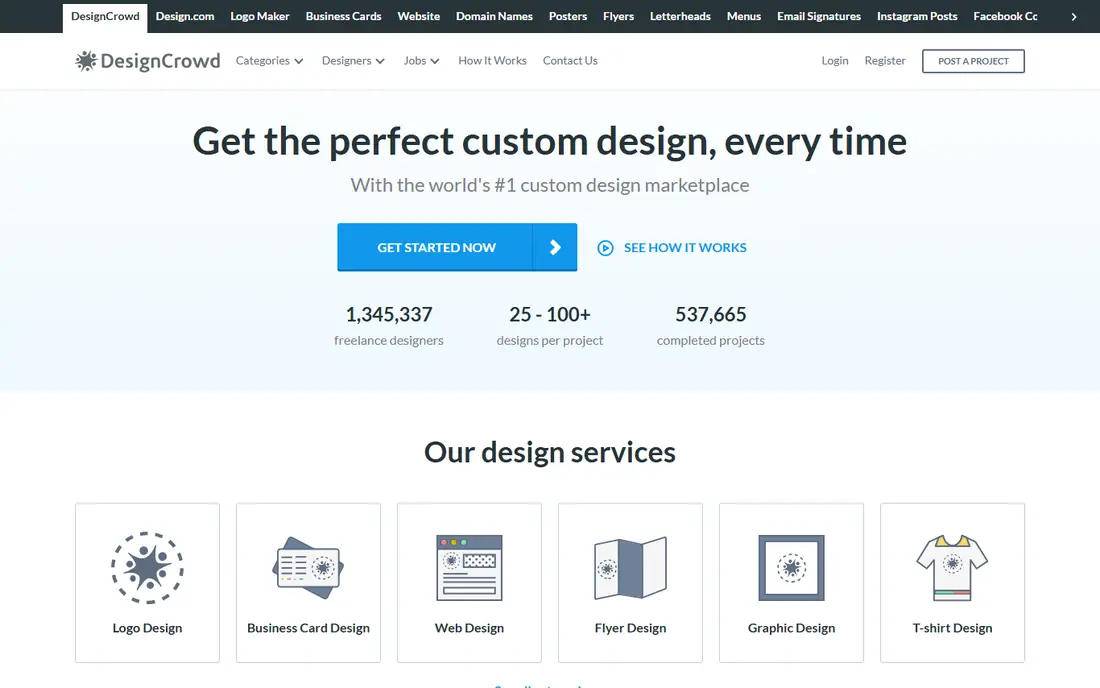
DesignCrowd follows a similar contest model to 99designs, with designers submitting logo concepts based on your brief and you choosing a winner to refine. Public listings have placed DesignCrowd logo contests at lower starting prices than some rivals, which makes it attractive for startups on a tight budget that still want multiple options. The range of categories also helps if you need a logo plus stationery or social assets in the same project. The same contest caveats apply. The outcome depends heavily on the brief, the prize level, and the feedback you give during the contest. A low prize may attract fewer experienced designers, and the winning design still needs a careful check for originality, scalability, and file formats. For budget-conscious startups that can write a clear brief and manage feedback, DesignCrowd is a practical alternative to 99designs.
- Contest model with many designer submissions
- Lower starting prices than some rivals in public listings
- Range of design categories
- Quality varies by project and designer pool
- Feedback and brief quality drive the outcome
- Revisions depend on the chosen designer
LogoWorks suits small businesses that want a custom logo from a real designer without running a contest. Public listings place logo design from $199, with branding packages from $499, which makes budgeting simple for a new business. The process is more direct than a contest, because you work with a designer on concepts and revisions, rather than sorting through dozens of submissions from many designers. The trade-off is choice. You will see fewer directions than in a contest, so the initial brief matters even more. The design style is also practical and clean, which suits most small businesses, but it is not the same as a premium studio identity system. For a solopreneur or a small startup that needs a professional logo quickly and affordably, LogoWorks is a strong, low-friction option.
- Dedicated designer rather than a contest
- Logo packages from $199 in public listings
- Branding packages for small businesses
- Fewer concepts than a contest
- Design style is practical rather than premium studio work
- Add-ons increase the total
Designity is not a one-off logo shop. It offers a subscription model with senior creative direction, where a brand can get logo design, brand identity, and ongoing graphic and marketing design from the same team. Public listings place month-to-month plans from $5,995 per month, which reflects that ongoing service model. For a growing company that needs a logo, then landing pages, ads, and social assets in the same month, that continuity can be valuable. The catch is that a single logo project alone does not justify the monthly price. Designity makes sense when design is a regular need, not a one-time purchase. A startup that only needs a logo should choose a contest or a small agency first, and consider Designity later when the design workload grows. For teams that already know they need ongoing creative support, Designity offers a structured alternative to hiring a full in-house team.
- Senior creative direction
- Logo plus wider brand and marketing design
- Month-to-month subscription model
- Monthly price is high for a single logo
- Best value only when you need ongoing design work
Superside serves marketing teams that need a lot of creative work, quickly, across many formats. Logo design sits alongside branding, packaging, ad creative, and motion, so a company can build an identity and then extend it across campaigns without changing vendors. That scale is useful for funded startups and mid-sized brands that publish often and need consistent output. The price and scope reflect that model. Superside uses custom, subscription-style pricing in public listings, and it is not the cheapest route to a single logo. A startup that only needs a logo and a few brand assets will get better value from LogoWorks, 99designs, or DesignCrowd. A team that needs ongoing, high-volume creative work, with a logo as the starting point, will find Superside a more fitting partner.
- Fast, scalable creative support
- Logo plus packaging, ads, and motion
- Suited to marketing teams with high volume
- Custom pricing, often around a monthly subscription in public listings
- Overkill for a single logo project
Ramotion is a design studio with a strong focus on tech startups, SaaS companies, and product-led brands. That focus matters, because a logo for a tech product needs to work as an app icon, a website mark, and a social avatar, not just on a business card. Ramotion also covers UI and UX design, so the logo can be built as part of a digital brand system that fits the product itself, rather than as a standalone mark. The catch is custom pricing. Ramotion does not publish a simple logo price, because scope varies by brand system, product work, and deliverables. That makes it harder to budget from a listing alone, and it places Ramotion above contest and small-agency options. For a tech startup that wants a digital-first identity and can invest in a studio project, Ramotion is a strong choice. For a startup that needs a logo on a small budget, a contest will be faster and cheaper.
- Strong focus on tech startups and SaaS brands
- Logo tied to digital product branding
- UI and UX design in the same studio
- Custom quote only
- Project scope and price vary widely
- Not a budget contest option
Clay is a digital branding studio that works with tech, finance, and business-to-business brands on logos, visual identity, and digital brand systems. The strength is refinement, because the logo, typography, and digital experience are designed together, which helps a brand feel consistent across a website, product, and marketing materials. For companies where digital presence is the main customer touchpoint, that joined-up approach is valuable. The limits are price and availability. Clay uses custom quotes, and project fit is selective, so a small startup should expect a studio-level investment and a longer process than a contest. That does not make Clay a bad choice, it makes it a specific choice for brands that can invest in a full digital identity. For most early startups, a contest or small agency will deliver a usable logo sooner and at a lower cost, with Clay as a later rebrand option.
- Refined digital branding
- Logo tied to wider brand strategy and typography
- Strong work for tech and finance brands
- Custom quote only
- Selective project fit
- Premium studio pricing in practice
How we picked these
We reviewed official portfolios, service pages, and pricing pages, plus public reviews and listings, for logo design companies that are still operating in October 2026. We favoured companies with a clear model, whether contest, small agency, subscription studio, or premium studio, and we noted where pricing was custom rather than published. We checked that each company offers logo design as a core service, not just as an add-on to web design, and we favoured companies with public examples of startup and small business work. Where pricing varied by source, we wrote See website and noted public listing figures in the text with a warning to confirm the live price.
How to choose a logo company for a startup
Start with what you actually need. If you only need a logo, a contest or a small agency is enough. If you need a logo plus guidelines, packaging, and a website system, a studio or subscription service is a better fit. Next, set a budget and a timeline in writing. Contests take days to a couple of weeks, small agencies take a similar time, and studio projects take longer because strategy and revisions are built in. A cheap logo that needs a rebrand in six months is not cheap. Then write a brief that a designer can actually use. Include your audience, your competitors, the feeling you want, where the logo will appear, and examples you like and dislike, with reasons. Finally, check deliverables before you pay. Confirm that you receive vector files, colour and black-and-white versions, and full rights to the final logo, and check that the logo works at small sizes, such as an app icon or social avatar. A logo that only looks good large is not finished.
Frequently asked questions
What is the best logo design company?
The best logo design company depends on budget and scope. 99designs and DesignCrowd are best for contest choice, LogoWorks is best for affordable custom work, and Designity, Superside, Ramotion, and Clay are best for wider brand systems. Pentagram is best for premium, high-profile identity work. Match the model to your budget first, then to style and timeline.
What are the best logo design companies for startups?
For startups, 99designs, DesignCrowd, and LogoWorks are the most practical starting points, because they offer clear pricing, fast timelines, and professional results without a studio budget. Ramotion is a strong option for tech startups that can invest more, while Designity and Superside suit startups that need ongoing design work beyond a logo. Pentagram suits only well-funded startups with a premium identity budget.
What is the best company for logo design on a small budget?
On a small budget, LogoWorks and DesignCrowd are strong options in public listings, with logo packages from $199 and contest starting prices that are lower than some rivals. 99designs contests from around $299 are also good value when you want many options. Always confirm the live price, file deliverables, and rights transfer before paying, because add-ons can change the total.
How much should a startup pay for a logo?
Startup logo costs in public listings range from around $199 for a small agency package, through $299 and higher for contests, to custom studio quotes that run into thousands. The right amount depends on whether you need only a logo or a full brand system, how many concepts you want, and how much strategy you need. Pay for the scope you actually need, and keep money aside for guidelines and file formats that make the logo usable.
Do I own the rights to my logo?
In most contest and agency models, you receive full rights to the final, winning logo, including vector files, but you should confirm this in writing before paying. Check the contract or terms for file formats, usage rights, and whether the designer can reuse unused concepts. If rights transfer is unclear, ask directly and get the answer in the agreement, not just in marketing copy.
How long does logo design take?
Contest timelines are often a few days to ten days, small agency projects often take one to three weeks, and studio identity projects can take several weeks or longer, depending on strategy and revisions. Timeline depends on how quickly you give feedback, how many revision rounds are included, and whether brand guidelines are part of the scope. Agree the timeline and revision count before the project starts.
Sources we checked (8)

Online Jobs is an independent blog about careers, online work, learning new skills and the tools that help people earn. More about us.
Keep reading
All posts
ZoomInfo Alternatives
The best ZoomInfo alternatives in 2026, compared on price, free plans, data coverage, and which tool fits small teams or large sales teams best in detail.

Workday Alternatives
We compared the best workday alternatives for HR, payroll, and global hiring, from BambooHR and Gusto to Rippling, Deel, and HiBob for growing teams in 2026.
Which SaaS Tools Have the Best Customer Support
Which SaaS tools have the best customer support? Compare eight popular tools on help centres, live help, response options and overall support quality.