Best Keyword Ranking Tool in 2026: 10 Tools Compared

How we put this together: we compare official feature and pricing pages, app store listings, privacy policies and public user reviews. Prices change, so check the provider's site before you pay.
Key takeaways
- SE Ranking offers strong value for daily tracking, with 2,000 keywords on its Core plan in published summaries.
- Semrush and Ahrefs suit teams that also need keyword research, backlinks, and audits, not just rank tracking.
- AccuRanker and Nightwatch suit agencies that need daily updates, tagging, and reporting at larger keyword volumes.
- Mangools, Wincher, and Ubersuggest are better low-cost entry points for small sites with fewer keywords to track.
- Google Search Console is the free baseline every site should use, even if you also pay for a dedicated tracker.
Quick comparison
| Name | Who it suits | Starting price | Free option | |
|---|---|---|---|---|
 Ahrefs | Backlink-led rank tracking | $129 per month | Yes | Visit |
 Semrush | All-in-one SEO tracking | $139 per month | Free trial | Visit |
 SE Ranking | Best overall value | $129 per month | Free trial | Visit |
 Moz Pro | Beginner-friendly tracking | $99 per month | Free trial | Visit |
 Mangools | Low-cost simple tracking | $49 per month | Free trial | Visit |
 AccuRanker | Large agency tracking | See website | Free trial | Visit |
 Wincher | Simple small-team tracking | $49 per month | Free trial | Visit |
 Nightwatch | Unlimited seats and AI tracking | See website | Free trial | Visit |
 Ubersuggest | Budget keyword tracking | $12 per month | Yes | Visit |
 Google Search Console | Free baseline data | Free | Yes | Visit |
The best keyword ranking tool
We compared official pricing pages and published plan limits for rank trackers active in October 2026. The key choice is not just price, but keywords allowed, update frequency, and whether you need a full SEO suite. A weekly tracker at a low price is not the same product as a daily tracker, and a suite price can look high until you count the extra tools it replaces.
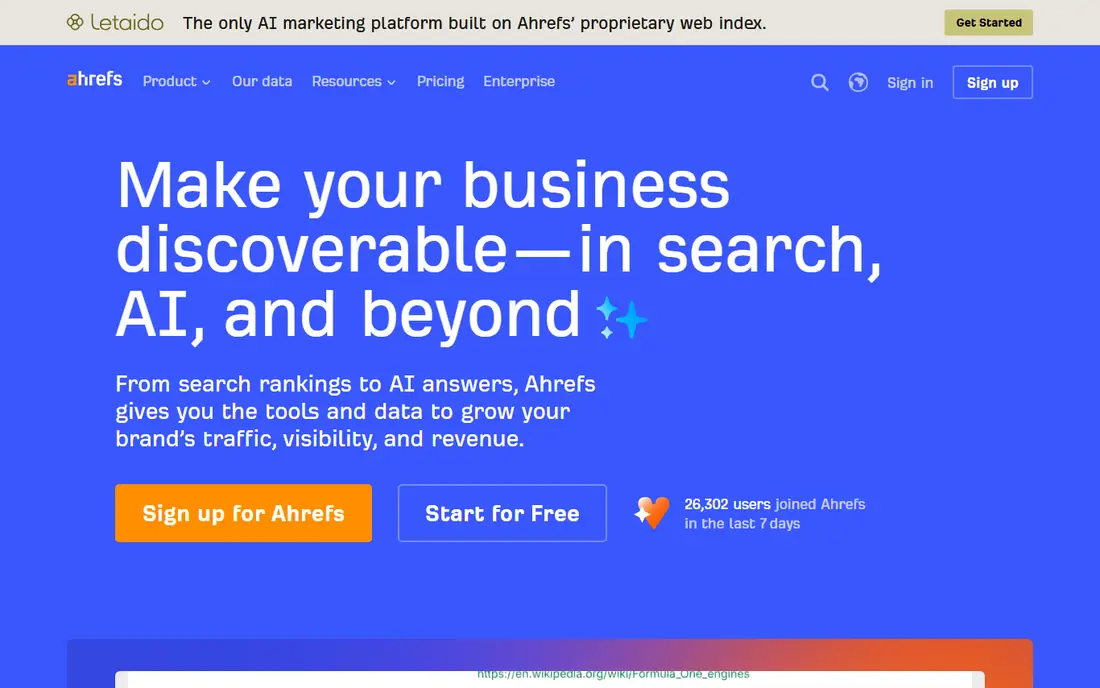
Ahrefs suits SEO specialists who judge keywords by backlinks and traffic potential, not just position. Its Keywords Explorer and backlink index help explain why a page ranks, which makes rank changes easier to interpret. The Lite plan, listed at $129 per month in published summaries, includes rank tracking alongside research and audit tools.
The limit is update frequency. Weekly tracking is enough for many content sites, but it can feel slow during a site migration or a major algorithm update. Ahrefs also offers a $29 Starter plan in published summaries, with a smaller keyword allowance. If backlink research matters as much as ranks, Ahrefs is a strong pick. If you only need daily ranks, a dedicated tracker may cost less.
- Deep keyword and backlink data
- Clear rank history
- Free Webmaster Tools for your own sites
- Rank updates are weekly on lower plans unless you pay for daily
- Lite plan is costly for small sites
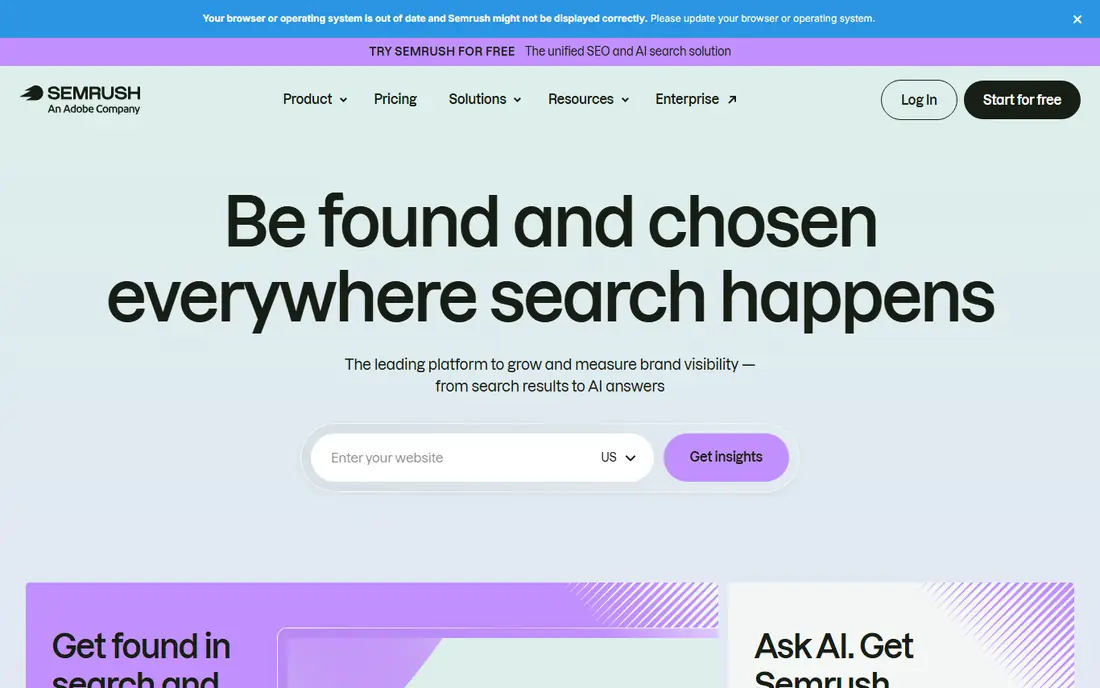
Semrush fits teams that want one suite for ranking, research, content, and competitor work. Its Position Tracking tool updates daily in published summaries, with 500 keywords on the entry SEO plan at $139 per month. That daily cadence helps agencies report movement promptly and spot drops early.
The trade-off is price and complexity. Small sites that only track a handful of keywords may pay for tools they rarely open. Semrush also offers a free account with limited reports, which is useful for testing the interface. If your team already uses Semrush for research or ads, adding rank tracking there is usually simpler than running a separate tool.
- Daily position tracking
- Wide SEO, content, and PPC tools in one suite
- Strong competitor data
- Higher entry price
- Suite depth can feel complex for beginners
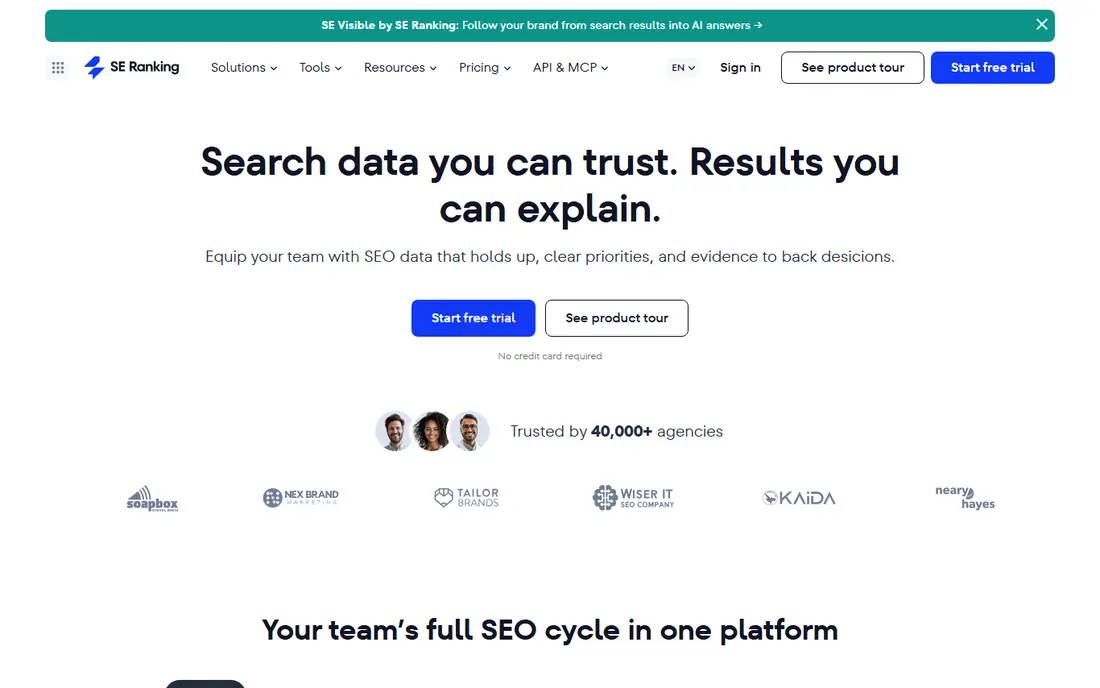
SE Ranking is our value pick for serious tracking. Published summaries place its Core plan at $129 per month, or $103.20 per month on annual billing, with 2,000 keywords tracked daily. That allowance is far larger than many suites at a similar price, which matters once you track multiple locations, pages, or clients.
For very small sites, the price may still feel high, and a simpler tracker could be enough. For freelancers and small agencies, however, the combination of daily ranks, audits, and white-label reporting in one plan is hard to match. If keyword volume is your main cost driver, start your comparison here and work outward.
- Daily tracking with a large keyword allowance
- Audits and research in the same plan
- Clear agency reporting
- Entry price is still high for hobby sites
- Some advanced features need higher tiers
Moz Pro suits small businesses learning SEO. Its interface is clearer than some suites, and its metrics give a simple way to compare your site with competitors. Published summaries place the Standard plan at $99 per month, or $79 per month on annual billing, with 300 tracked keywords.
That allowance limits larger sites, and Moz is not the first choice for deep backlink research. For a local business or blogger tracking a focused keyword set, though, the simplicity is a real advantage. Use the trial to test rank reports and site audits, and check whether 300 keywords cover your core pages and locations before you commit.
- Approachable interface
- Domain Authority benchmarking
- Useful learning resources
- Smaller keyword allowance than SE Ranking
- Rank data is less deep than Ahrefs for link analysis
Mangools, through SERPWatcher, is a friendly low-cost entry point. Published summaries place Basic pricing around $49 per month on monthly billing, with lower annual rates, and a 200-keyword allowance. The interface avoids clutter, which helps beginners who want ranks without learning a full suite.
Weekly updates are the main limit. Daily tracking is available on higher agency plans, but that raises the price. For a blog or small site that checks ranks weekly and focuses on content, Mangools is enough. For an agency that reports daily movement, a dedicated daily tracker will serve you better.
- Clean, simple interface
- SERPWatcher for rank tracking
- Good for beginners and bloggers
- Weekly updates on lower plans
- Smaller keyword allowance than larger trackers
AccuRanker is built for agencies and large sites that track thousands of keywords. Published summaries place its Professional plan around $224 per month on annual billing, with 2,000 keywords updated daily, and higher tiers for larger sets. Tagging and segmentation help agencies split reports by client, location, or product line.
For a single site, that power and price are unnecessary. AccuRanker also focuses on tracking, so you will still need separate tools for full audits or content research. If you manage many clients and need reliable daily data with clean reporting, AccuRanker is a serious contender. If you track under 500 keywords, start cheaper.
- Daily updates
- Strong tagging, segmentation, and API options
- Built for large keyword sets
- Entry price is high
- Overkill for a single small site
Wincher suits small teams that want a straightforward tracker without suite complexity. Published summaries place its Basic plan at $49 per month, with 500 keywords. That balance of price and allowance makes it a useful middle option between budget tools and full suites.
The limit is scope. Wincher does not replace a full research or audit suite, so larger teams may still need other tools. For a small business or freelancer tracking a few hundred keywords, that focus is a benefit, not a weakness. Test the reporting format during the trial, since agency reporting needs vary a lot.
- Simple setup
- Daily tracking in published summaries
- Clear rank reports for small teams
- Less suite depth than Semrush or SE Ranking
- Check update frequency on your exact plan
Nightwatch fits teams that share tracking across many seats without paying per user. Published summaries place Starter pricing in euros, around 79 per month on annual billing, with 500 keywords, and daily plus on-demand updates. Its AI search tracking options also help teams that now watch AI answers alongside classic ranks.
Euro pricing means US buyers should check the converted total and billing terms. Some client access features also need higher tiers, so agencies should confirm seat and keyword limits before buying. For distributed teams that value shared access and AI visibility, Nightwatch is worth a trial.
- Daily and on-demand updates
- Unlimited seats in published summaries
- AI search tracking options
- Pricing in euros
- Higher tiers needed for larger client access in published summaries
Ubersuggest is the budget pick for beginners. Published summaries place Individual pricing at $12 per month, with a limited free tier for basic searches. It covers keyword ideas, basic tracking, and simple site checks in one approachable dashboard.
The trade-off is depth. Rank tracking is basic, and competitor or backlink data is thinner than in professional suites. For a new blog or small business that needs a starting point, that is acceptable. For an agency or a competitive niche, pair Ubersuggest with Search Console, or move to a dedicated tracker once keyword volume grows.
- Lowest entry price here
- Simple keyword ideas and tracking
- Limited free searches
- Basic rank tracking compared with dedicated tools
- Data depth is thinner than Ahrefs or Semrush
Google Search Console is not a full rank tracker, but every site should use it. It shows the queries that bring clicks, average position, and indexing problems, straight from Google. That direct data helps you check whether a paid tracker position matches real search performance.
Its limits are clear. It does not track competitor ranks, and it does not offer the same tagging, alerts, or multi-engine reporting as paid tools. Use it as the free baseline, then add a paid tracker for competitor comparison, daily updates, and client reporting. A site that uses only Search Console will miss context, while a site that ignores it will miss direct evidence.
- Free
- Direct data from Google
- Shows queries, clicks, and indexing issues
- No competitor ranks
- Data history is limited to 16 months in published Google docs
- No daily rank alerts like paid tools
How we picked these
We compared official pricing pages, plan limits, and published update frequencies, and we kept tools that were active in October 2026. We favoured a mix of full suites, dedicated trackers, budget tools, and the free Google baseline, so readers can compare cost per keyword, not just headline price. We did not claim hands-on ranking experiments, and we described what we compared, namely vendor pricing, plan limits, and public documentation.
Where pricing varied by billing period, we noted annual rates where published summaries gave them, and we used See website where the current vendor total was unclear. Rank tracker prices change often, and keyword allowances matter more than the headline price. Always divide the plan price by the keywords you will actually track, and check update frequency before you buy.
How to choose the right tracker for your site
Start with keyword count and update needs. Count the keywords you will track for each page, location, and client, then add room for growth. A 200-keyword plan is fine for a small blog, but an agency with five clients will outgrow it fast. Daily updates matter during migrations, launches, and algorithm changes, while weekly updates suit steady content sites.
Next, decide if you need a suite or a tracker. A suite makes sense if you also need research, audits, and competitor data in one place. A dedicated tracker makes sense if you already have research tools and only need reliable ranks and reports. Paying for a suite you rarely open is a common waste.
Finally, test reporting before you commit. Run a trial with your real keywords, check how reports look to a client or manager, and confirm location and device settings match your audience. A tracker that reports clearly will save time every month, while a powerful tracker with confusing reports will slow your team down.
Frequently asked questions
What is the best keyword ranking software for beginners?
Moz Pro and Mangools are the friendliest starting points, with clear interfaces and lower learning curves. Ubersuggest is cheaper still, but its tracking is more basic. Beginners should start with Search Console for free data, then add a paid tracker once they track more than a handful of keywords regularly.
What are the best keyword ranking tools for agencies?
SE Ranking, AccuRanker, and Nightwatch suit agencies, for different reasons. SE Ranking offers a large daily allowance at a mid-range price, AccuRanker offers strong tagging and API options for large sets, and Nightwatch offers unlimited seats. Compare keyword volume, reporting needs, and per-client costs before choosing.
How often should a keyword ranking tool update?
Daily updates suit agencies, migrations, and competitive niches, where fast movement matters. Weekly updates suit steady blogs and small sites that review performance once a week. A weekly tracker is not worse in general, but it will hide short-term drops that a daily tracker would catch.
What is the difference between a rank tracker and Google Search Console?
Search Console gives direct Google data on your own site, including queries, clicks, and indexing. A rank tracker adds competitor positions, daily history, tagging, alerts, and client reports. Most serious sites use both, with Search Console as the baseline and a paid tracker for comparison and reporting.
How many keywords should I track?
Track your core money pages, main service pages, and a small set of informational terms, not every keyword you can think of. A focused set of 100 to 300 keywords is enough for many small sites, while agencies may need thousands across clients. Tracking too many keywords raises cost without improving decisions.
Which tool is best for local keyword ranking?
For local work, also consider local tools such as BrightLocal or Whitespark, which add map grids and citation data. Among general trackers here, SE Ranking and Semrush offer local tracking options, but a dedicated local tool often gives clearer map-pack data. Choose by whether map visibility or classic organic ranks matter more to your business.
Sources we checked (10)

Online Jobs is an independent blog about careers, online work, learning new skills and the tools that help people earn. More about us.
Keep reading
All posts
Best White Label SEO Companies
We compare the best white label SEO companies and tools in 2026 for agencies, from fulfilment services to branded reporting platforms, margins and prices.
Best Webinar Software
We compared the best webinar software for 2026 on price, attendee limits, automation and ease of use, to help you host better live sessions with confidence.
Best Web Scraping Tools
Compare the best web scraping tools in 2026, from no-code Octoparse and Browse AI to Apify, Firecrawl, Bright Data, Zyte, ScraperAPI and free Scrapy, with prices.