Best Keyword Rank Tracking Software in 2026: 9 Tools Compared

How we put this together: we compare official feature and pricing pages, app store listings, privacy policies and public user reviews. Prices change, so check the provider's site before you pay.
Key takeaways
- SE Ranking offers the best value for daily tracking at volume, while AccuRanker wins on speed and on demand refreshes.
- Ahrefs and Semrush suit teams that already pay for a full SEO suite, not just rank tracking.
- Wincher, Mangools and ProRankTracker suit smaller sites and agencies that want focused tracking without suite bloat.
- A keyword is not counted the same way on every tool, so compare cost per tracked keyword location, not just plan price.
- Pair any tracker with Google Search Console, since first party data helps explain ranking changes.
Quick comparison
| Name | Who it suits | Starting price | Free option | |
|---|---|---|---|---|
 Ahrefs | Full SEO suite with rank tracking | $129 per month | Yes | Visit |
 Semrush | SEO plus competitive research | $139 per month | Free trial | Visit |
 AccuRanker | Fast on demand rank data | $224 per month | Free trial | Visit |
 SE Ranking | Value daily tracking at volume | $52 per month | Free trial | Visit |
 Nightwatch | Local and AI search tracking | See website | Free trial | Visit |
 Wincher | Simple daily tracking | $49 per month | Free trial | Visit |
 Mangools SERPWatcher | Beginner friendly tracking | $29.90 per month | Yes | Visit |
 ProRankTracker | Agency reports and local data | $99 per month | No | Visit |
 Advanced Web Ranking | Large scale agency tracking | $139 per month | Free trial | Visit |
The best keyword rank tracking software
Rank tracking answers a simple question: where does a page rank for a keyword, on which device, in which location, and how is that changing? Tools differ on update frequency, keyword counting, local precision, reporting and whether they also track AI search surfaces. The tools below cover solo sites through agencies, so start from how many keywords you track and how often you need fresh data.
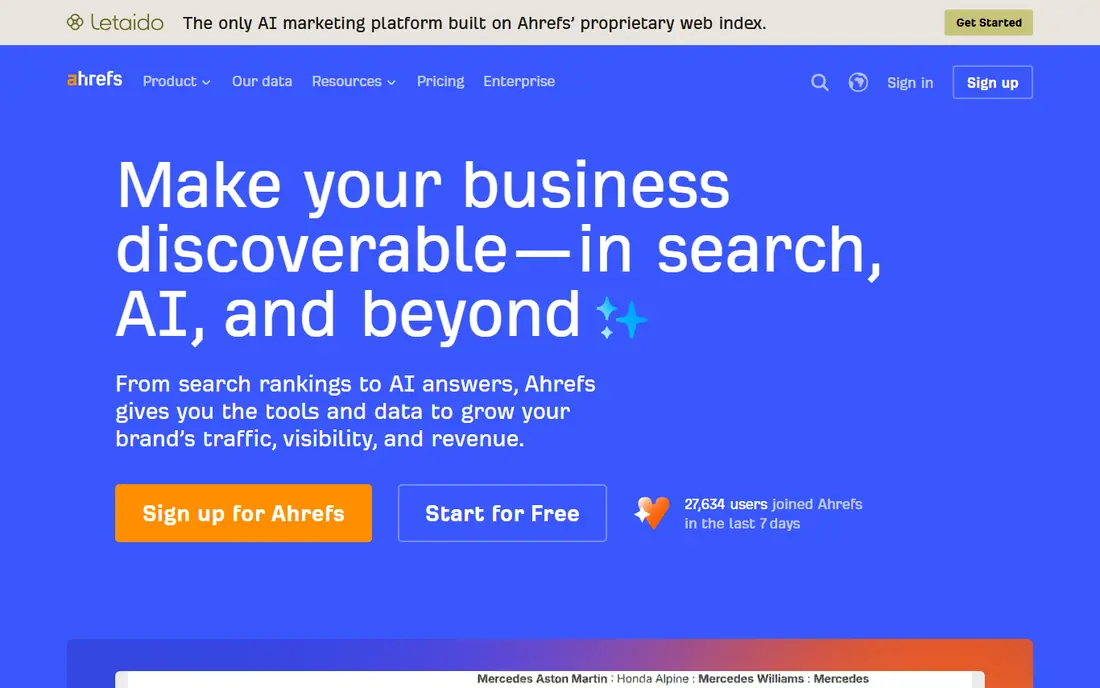
Ahrefs suits SEO teams that already use its backlink, content and site audit data. Rank Tracker sits inside that suite, so you can move from a ranking drop to the pages, links and competing content behind it without switching tools. For link led SEO work, that connection is valuable. Pure rank tracking is the weak spot. Standard plans update weekly, not daily, and daily updates require an add-on, so agencies that report daily movement may prefer AccuRanker or SE Ranking. Ahrefs also offers a Starter plan and free Webmaster Tools for verified sites, but tracked keyword limits are lower there. Choose Ahrefs when the full suite matters, not when you only need daily ranks.
- Strong backlink and keyword research alongside tracking
- Reliable suite for SEO teams
- Free tools for verified sites
- Rank Tracker updates weekly on standard plans
- Daily tracking needs an add-on
- Higher cost if you only need ranks
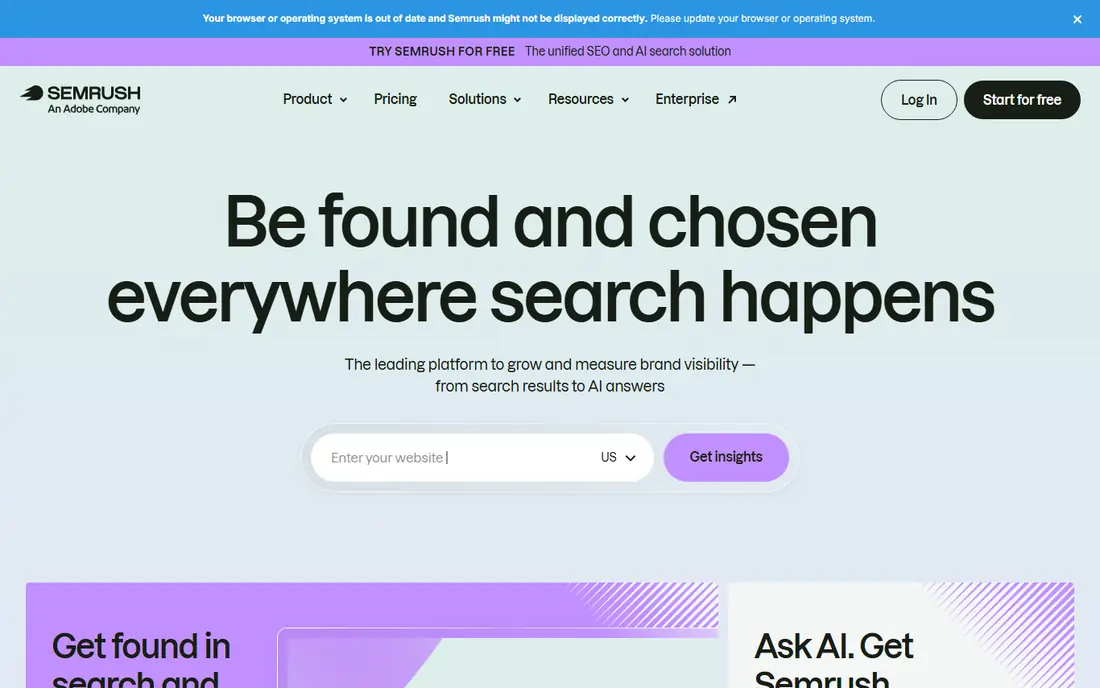
Semrush suits in-house teams and agencies that want rank tracking inside a broad marketing suite. Position Tracking updates daily, and you can compare rankings with competitors, audit a site and research content from the same login. That breadth helps teams that report on SEO, content and paid search together. The entry plan includes 500 tracked keywords, which is modest compared with SE Ranking at a similar or lower price, so large keyword sets need higher plans. The interface also covers many tools, which can distract a team that only wants ranks. If you use several Semrush tools weekly, the suite price makes sense. If you only track ranks, a focused tracker is cheaper.
- Daily rank tracking in the main suite
- Broad keyword, content and competitor tools
- Strong reporting
- Entry plan keyword allowance is modest for the price
- Full feature set can feel overwhelming
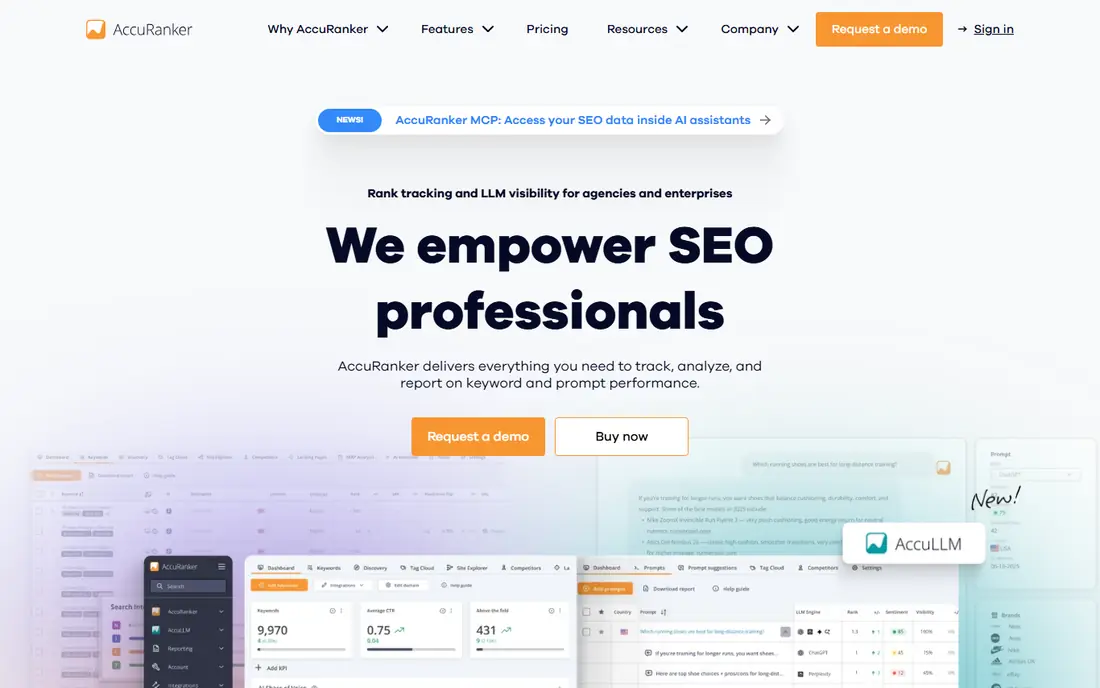
AccuRanker is built for agencies where fresh data matters. On demand refreshes return current rankings quickly, which helps after a site change, a content push or a client meeting. Unlimited users on many plans also suit agencies that share dashboards with clients and team members without seat anxiety. The entry price is high for a solo site, and the keyword allowance needs checking against your location and device combinations, since those multiply keyword counts. Small teams should test the trial with their real keyword set before committing. For agencies that sell reporting speed and accuracy, AccuRanker is a premium but justified pick.
- Very fast on demand refreshes
- Accurate daily data
- Unlimited users on many plans
- Strong reporting
- Highest entry price here
- Aimed at agencies and larger teams, not solo bloggers
SE Ranking is our value pick for daily tracking at volume. The Essential plan on annual billing offers a useful starting price, while higher plans include thousands of tracked keywords with daily updates. The suite also covers audits, backlink checks and content tools, so small agencies can replace several subscriptions. Keyword counting still needs care. A keyword tracked on desktop and mobile, in two locations, may use more than one keyword unit depending on plan terms. Check the current pricing page for how your exact set counts, and use the trial to import real keywords. For freelancers and small agencies, SE Ranking balances price, daily data and suite depth well.
- Daily tracking with a large keyword allowance
- Full SEO suite included
- Good value per keyword
- Plan structure and keyword counting changed over time, so check current limits
- Interface covers many tools
Nightwatch suits teams that track many locations or need AI search visibility alongside classic rankings. Local grids, daily updates and on demand checks help multi location businesses see ranking differences by area, not just by city. AI visibility features also track how a brand appears in AI answers, which clients increasingly ask about. Pricing varies, so check the vendor site for the plan that matches your keyword and location count. Nightwatch is more than a solo blogger needs, but for local SEO agencies and multi location brands, the location depth and reporting justify a closer look. Use the trial with a real multi location keyword set.
- Daily plus on demand updates
- Strong local tracking
- AI search visibility features
- Unlimited seats on some plans
- Pricing varies by plan and region
- Entry cost is higher than simple trackers
Wincher appeals to site owners who want daily rankings without suite bloat. The interface stays focused on keywords, positions and changes, and plans cover many websites, which helps owners with several sites. Daily updates mean you learn about drops sooner than with weekly trackers. Teams that need audits, backlink data or content research will need a second tool, so Wincher fits best as a dedicated tracker rather than an all in one suite. Check keyword limits and location counting on the plan you choose, since those decide real cost. For simple, daily tracking, Wincher is a clear, low friction option.
- Focused daily rank tracking
- Simple interface
- Tracks many websites on one plan
- No full SEO suite
- Fewer competitor and content tools than Semrush or Ahrefs
Mangools SERPWatcher, part of the Mangools suite, suits beginners and small sites that check rankings weekly. The interface is clean, keyword setup is fast, and the suite adds keyword research and link tools without overwhelming a new user. For a blog tracking 100 to 200 keywords, the entry price is accessible. Weekly updates are the main limit. A ranking drop may go unnoticed for days, and daily tracking requires a higher plan. The keyword allowance is also modest, so growing sites may outgrow Basic quickly. For a first tracker on a small site, SERPWatcher is a friendly, low cost start.
- Very easy to learn
- Affordable entry for small sites
- Part of a simple SEO toolkit
- Weekly updates on Basic
- Daily tracking needs higher plans
- Keyword allowance is modest
ProRankTracker suits agencies and consultants who need precise local data and client ready reports. Location tracking, daily updates and white label reporting help agencies show ranking progress without building custom dashboards. The Starter plan covers a useful number of terms for small agencies. The interface is less modern than SE Ranking or Nightwatch, and the free tier is limited, so most users will need a paid plan after a short test. Check term counting for mobile, desktop and local combinations before buying. For agencies that value reports and local precision over a sleek interface, ProRankTracker remains a practical choice.
- Detailed local tracking
- Polished white label reports
- Good value for agencies at volume
- Interface feels older than newer trackers
- Free tier is limited and short term
Advanced Web Ranking suits agencies tracking thousands of keywords across clients, engines and locations. Flexible update schedules, large keyword allowances and custom reports help large operations manage ranking data at scale. Unlimited seats on some plans also help agencies share access without seat costs. Report building takes learning, and some features, such as API access, sit on higher tiers. Test with a real client keyword set during the trial, and confirm how your location and device combinations count toward the plan limit. For large scale tracking, Advanced Web Ranking offers depth that simpler tools cannot match.
- Large keyword volumes
- Flexible daily, weekly and on demand updates
- Unlimited seats on some plans
- Learning curve for report building
- Entry plan still needs checking for API and AI features
How we picked these
We compared official pricing pages, feature documentation and public plan details, and kept trackers that are actively sold in October 2026. We favored a mix of suites and focused trackers, since buyers need both, and we noted update frequency and keyword counting, which decide real cost. Where pricing varies by billing term or region, we used the starting figure shown on the vendor site and advised readers to check current limits.
Buying rank tracking without overpaying
Count keywords the way the vendor counts them
A single keyword can become several tracked units when you add mobile, desktop and multiple locations. Import your real list, including locations and devices, into a trial before buying. That test reveals true cost better than any headline keyword allowance.
Choose update frequency by decision speed
Daily updates suit agencies and sites that act on ranking changes quickly. Weekly updates suit blogs and small sites that review SEO monthly. Paying for daily data you never act on wastes money, while weekly data for a client report that needs daily movement creates a reporting gap.
Add AI visibility only if clients ask for it
AI search tracking is useful, but it adds cost and complexity. If clients ask about AI Overviews or chatbot citations, choose a tool with that feature. If they only ask about Google rankings, a focused classic tracker gives better value. Revisit AI features when client questions change.
Frequently asked questions
What is the best keyword rank tracking software for beginners?
Mangools SERPWatcher and Wincher are good starts, since both are easy to learn and priced for small sites. SERPWatcher suits weekly checks on a small keyword set, while Wincher suits daily checks across several sites. Start with a trial using your real keywords, then upgrade only when limits become a problem.
How many keywords should I track?
Track keywords that map to pages you can actually improve, plus a small set of brand and competitor terms. Many sites track too many low value keywords and miss movement on money pages. Start with 50 to 200 focused keywords for a small site, and expand as content and reporting needs grow.
Is daily rank tracking worth the extra cost?
For agencies, active SEO campaigns and local businesses with frequent changes, yes, since daily data catches drops early. For a small blog that updates monthly, weekly tracking is often enough. Match frequency to how quickly you will act on a change, not to what a sales page suggests.
Can I track rankings for free?
Google Search Console gives free first party data on impressions, clicks and average position, but it does not give daily competitor or location precise tracking in the same way as paid tools. Some suites offer limited free plans for verified sites. Use Search Console as a baseline, and add a paid tracker when you need location, device and competitor detail.
Why do rank trackers show different positions for the same keyword?
Rankings vary by location, device, search history, data center and time of check, so two tools can show different positions for the same keyword on the same day. Compare trends over time within one tool, rather than single day figures across tools. Consistent tracking settings give more useful trend data than chasing exact positions.
Do I need a full SEO suite or just a rank tracker?
A focused tracker is enough if you only need positions, local data and reports. A suite helps when you also need keyword research, audits, backlink data and content tools every week. Many teams start with a tracker, then add a suite when research and audit work becomes regular.
Sources we checked (9)

Online Jobs is an independent blog about careers, online work, learning new skills and the tools that help people earn. More about us.
Keep reading
All posts
ZoomInfo Alternatives
The best ZoomInfo alternatives in 2026, compared on price, free plans, data coverage, and which tool fits small teams or large sales teams best in detail.
Workday Alternatives
We compared the best workday alternatives for HR, payroll, and global hiring, from BambooHR and Gusto to Rippling, Deel, and HiBob for growing teams in 2026.
Which SaaS Tools Have the Best Customer Support
Which SaaS tools have the best customer support? Compare eight popular tools on help centres, live help, response options and overall support quality.