Best insurance companies to work in 2026: 9 employers Compared


Remote claims and customer roles · Starting price: See website
How we put this together: we compare official feature and pricing pages, app store listings, privacy policies and public user reviews. Prices change, so check the provider's site before you pay.
Key takeaways
- Progressive, State Farm and Allstate are the most frequently named large US insurers for job seekers, with wide remote and hybrid hiring.
- USAA stands out for military connected applicants, with a mission focused culture and benefits built around service families.
- Life, property and casualty, and auto roles differ a lot, so the best employer depends on the line of business and the job family.
- Remote work is common in claims, underwriting support, sales and customer service, but licensing, training and location rules still apply.
- Pay and benefits vary by role, state and experience, so compare the specific job posting and offer, not just the company brand.
Quick comparison
| Name | Who it suits | Starting price | Free option | |
|---|---|---|---|---|
| Progressive | Remote claims and customer roles | See website | No | Visit |
 State Farm | Agent and corporate career paths | See website | No | Visit |
 Allstate | Large scale claims and sales roles | See website | No | Visit |
 Liberty Mutual | Corporate and underwriting careers | See website | No | Visit |
 Chubb | Specialty and commercial insurance | See website | No | Visit |
 Travelers | Property and casualty careers | See website | No | Visit |
 USAA | Military connected applicants | See website | No | Visit |
 Nationwide | Hybrid corporate and claims roles | See website | No | Visit |
 GEICO | Entry level and remote service roles | See website | No | Visit |
The best insurance companies to work for
We compared official careers pages, benefits summaries, workplace award listings and public employee reviews. This is an employer comparison, not a product sale, so there is no product price or free plan in the usual sense. Starting price is listed as See website, and you should check the careers page for the role you want. Pay, benefits and remote options vary by job, location and licence.
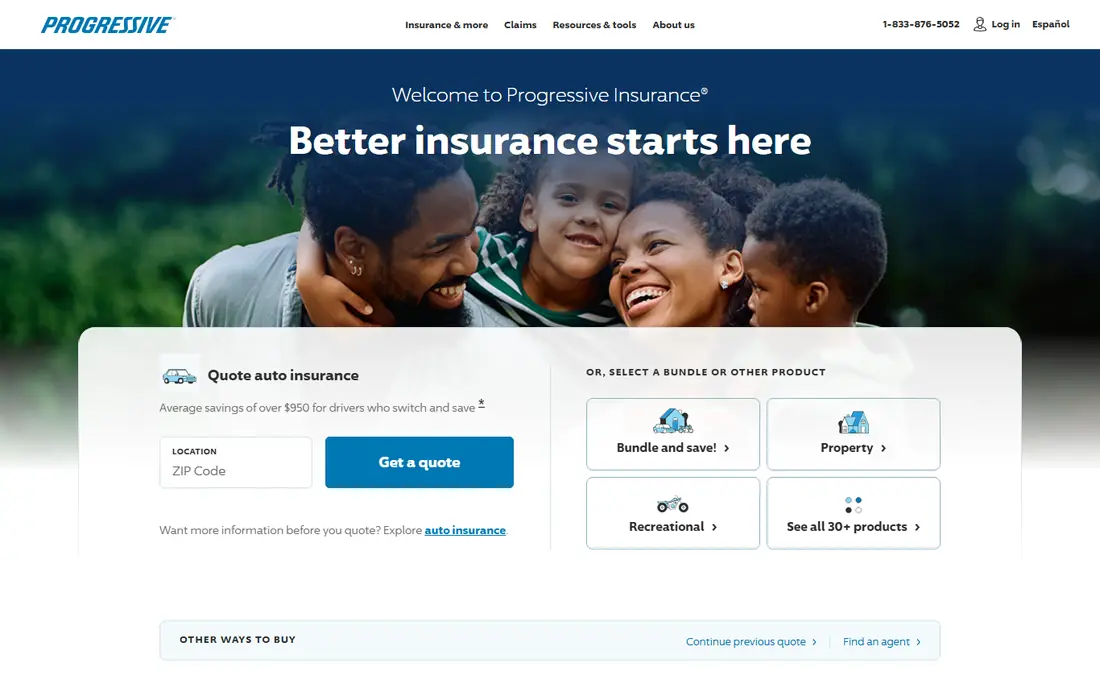
Progressive is our pick for most people starting an insurance career because it hires at scale and is clear about remote options. Claims, customer service and sales roles are common entry points, and the company provides training and licensing support for many of those jobs. That combination makes it easier to enter the industry without prior insurance experience.
The catch is pace. Claims and service work is measured, shift based in many roles, and emotionally demanding when customers are dealing with accidents or losses. If you want a slower, project based corporate role, look at underwriting, product or technology teams inside Progressive, or at a corporate focused rival like Liberty Mutual or Chubb.
- Large remote and hybrid hiring in claims, sales and service
- Structured training for licensed roles
- Benefits summaries published on the careers site
- Claims and call centre work can be high volume and tightly measured
- Schedules and licensing requirements vary by state
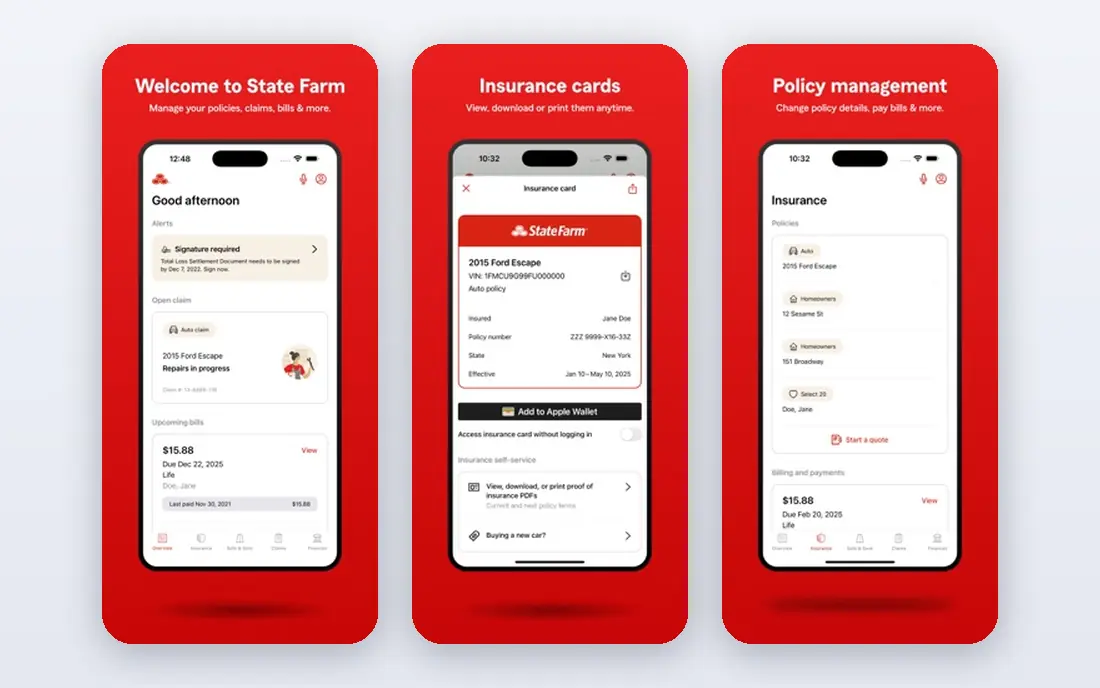
State Farm suits people who want a long career with a familiar brand and a choice of paths. Corporate roles cover claims, underwriting, technology and operations, while agent offices offer a local sales and service career, including the chance to run an agency. That dual structure is unusual, and it gives more career shapes than a single track employer.
Be clear about which path you are applying for. An agent team role is not the same as a corporate State Farm job, and pay, benefits and hours can differ a lot. Read the posting carefully, ask who the employer is, and compare the agent path with a corporate role before you decide.
- Two distinct paths, agent offices and corporate roles
- Large agent network for local sales careers
- Training and development programmes
- Agent roles are often independent businesses, not corporate jobs, so pay and benefits differ
- Corporate roles are more location bound than remote-first rivals
Allstate is a solid default for job seekers who want a large employer with many locations and job types. Claims, sales and customer service are the biggest hiring areas, and technology, data and corporate roles sit alongside them. The scale means you can often move between teams without leaving the company, which helps a long career.
The trade-off is size. Processes, systems and approvals can feel heavy, and frontline roles are closely measured. If you prefer a smaller, specialist insurer with a narrower book, Chubb or a regional carrier may feel more personal, while Allstate wins on breadth and internal mobility.
- Wide hiring in claims, sales, service and technology
- Remote and hybrid roles in many job families
- Large brand with structured career development
- Large company processes can feel slow
- Claims and service roles are high volume, with performance measures that suit some people more than others
Liberty Mutual fits professionals who want to build a career in underwriting, product, risk or corporate insurance work. The company has a broad commercial and personal lines business, plus global operations, so a good underwriter or analyst can move across lines and geographies. Training and professional development are a real part of the pitch for these roles.
It is less obvious as a first remote service job. Entry level call centre hiring is smaller than at Progressive or GEICO, and many professional roles are tied to hub offices, even with hybrid flexibility. Choose Liberty Mutual when the career path matters more than a fully remote entry role.
- Strong underwriting, product and corporate career paths
- Global business with specialty lines
- Benefits and development programmes for professional roles
- Fewer entry level remote service roles than Progressive or GEICO
- Corporate roles may require hybrid office time in hub cities
Chubb is the pick for people who want specialty insurance rather than mass market auto or home. Commercial, specialty and high net worth lines involve complex risks, larger accounts and closer broker relationships, which makes the work interesting for underwriters, claims specialists and risk engineers. The global footprint also helps a career that spans countries.
The barrier is entry. Chubb hires fewer general service roles, and many jobs expect insurance knowledge, a relevant degree or a licence. It is a strong second or third employer in a career, after you have built experience at a larger personal lines carrier, rather than the easiest first step into insurance.
- Leading specialty and commercial lines, including high net worth personal lines
- Strong underwriting culture
- Global career opportunities
- Roles are more specialist and competitive to enter
- Less mass hiring for entry level remote service jobs
- Office presence matters in many teams
Travelers suits people who want to specialise in property and casualty insurance. Its underwriting, claims and risk control teams are large and well regarded, and early career programmes give new hires a structured path into the industry. For a long term property and casualty career, Travelers is one of the most respected names on this list.
Remote work is team dependent. Field claims and risk control involve travel and site visits, while office underwriting may offer hybrid work in hub cities. Check the posting for location, travel and schedule before applying, because the same job title can mean very different working patterns in different teams.
- Deep property and casualty expertise
- Strong claims, underwriting and risk control careers
- Structured early career programmes
- Many roles are tied to US offices and field work, especially in claims and risk control
- Remote options depend heavily on the team
USAA is different from the other employers here, because its members are military personnel, veterans and their families. That mission shapes the culture, the customer conversations and the benefits story, and many employees are military connected themselves. Service, claims, banking and technology roles are common, with structured training for many of them.
Eligibility matters. USAA membership rules affect who can buy certain products, and some roles are best suited to people who understand military life, even if they are not limited to veterans. If you have no military connection, you can still apply for many corporate roles, but check the posting and the careers page for role specific requirements.
- Mission focused culture serving military members and families
- Strong benefits summaries for eligible roles
- Large hiring in service, claims and technology
- Membership and some roles are tied to military connection, so not every applicant is eligible for every product or role
- Main hubs are in Texas and other US cities
Nationwide fits job seekers who want a broad insurer with financial services alongside insurance. Personal lines, commercial lines and retirement products sit under one group, which creates varied corporate, claims, underwriting and technology roles. Hybrid working is common in corporate teams, and the company has several US hubs.
The experience depends on the team. A claims role, a financial services role and a technology role at Nationwide can feel like different companies, so research the specific team, not just the brand. Ask about schedule, office days and career paths in the interview, because those answers matter more than a general benefits summary.
- Broad personal and commercial lines, plus financial services
- Hybrid roles in many corporate teams
- Large US presence with multiple hubs
- Business mix is broad, so team experience varies a lot
- Some roles are location bound to hub offices
- Restructuring in large firms can change teams
GEICO is our pick for a first insurance job with a clear remote path. It hires many sales, service and claims associates, provides training and licensing support, and offers remote roles in many states. For someone changing careers or starting work, that scale and structure make GEICO an accessible entry point.
The work itself is demanding. Calls are frequent, targets are clear, and the pace suits people who like structured, measurable work. If you want that pace, GEICO is a strong start. If you want a slower, analytical role, plan a move into underwriting, product or technology after building frontline experience, either inside GEICO or at a rival.
- Large entry level hiring in sales, service and claims
- Remote roles in many states
- Clear training path for licensed roles
- Frontline work is high volume and closely measured
- Career progression beyond service roles takes deliberate moves into specialist teams
How we picked these
We compared official careers pages, benefits summaries, workplace award listings and public employee reviews, and we kept large US insurers that are actively hiring in October 2026 and that cover distinct job families, from entry level service to specialty underwriting. We did not rank employers on a single survey, because pay, benefits and working patterns vary by role and location. We also noted where a company is best for a specific path, such as USAA for military connected applicants or Chubb for specialty lines, rather than pretending one employer fits everyone.
How to choose an insurance employer
Start with the line of business. Auto, home, life, commercial and specialty insurance involve different customers, licences and daily work, so a great auto claims job is not the same as a great life underwriting job. Next, decide on the job family. Claims, sales, service, underwriting, risk control and technology have different schedules, travel, measures and career paths, even inside the same company.
Then check the practical details in the posting. Look for remote or hybrid status, office location, shift pattern, licensing support, training length and whether the role is corporate, agency or contractor. Finally, talk to people in the team if you can, and ask about manager support, workload, promotion paths and how long people stay. Those answers predict day to day happiness better than a brand ranking.
Questions to ask in an interview
Ask how training works, how long it lasts, and whether licensing costs and study time are paid. Ask what a typical week looks like, how performance is measured, and what happens in a busy period such as a storm season for property claims. Ask about promotion paths from the role you are applying for, and about benefits that matter to you, such as health coverage start date, retirement matching, parental leave and remote work rules. A good employer will answer those questions plainly.
Frequently asked questions
What is the best insurance company to work for?
Progressive, State Farm and Allstate are the most frequently named large US insurers for job seekers, but the best choice depends on the role. GEICO and Progressive suit entry level remote service work, Travelers and Liberty Mutual suit property and casualty careers, Chubb suits specialty work, and USAA suits military connected applicants.
What insurance company is the best to work for from home?
Progressive and GEICO hire the most remote service, sales and claims roles, with Allstate also offering remote and hybrid roles in many teams. Remote availability depends on the specific job, state licensing and team, so check the posting rather than assuming every role at a company is remote.
Which is the best life insurance company to work for?
Life insurance roles sit inside larger groups and specialist life carriers, and the best employer depends on whether you want sales, underwriting, actuarial or service work. Large groups like Nationwide and MetLife, plus specialist life insurers, are common starting points, and you should compare the specific team, licensing support and pay structure for the role.
Which is the best auto insurance company to work for?
Progressive, GEICO, State Farm and Allstate are the largest auto employers, with the most claims, sales and service roles. Progressive and GEICO are strongest for remote entry roles, while State Farm offers agent office paths that suit people who want a local sales career.
Do insurance companies pay for licensing?
Many large insurers pay for licensing training, exam fees and study time for roles that require a licence, such as claims, sales and some underwriting support jobs. The details vary by role and state, so confirm in the job posting or interview whether costs, study time and exam retakes are covered.
Is insurance a good career for remote work?
Yes, for many roles, especially claims support, customer service, sales and some underwriting and technology jobs. Field claims, risk control and agency roles involve travel or office time, so remote work is role dependent. Insurance also offers clear licensing and promotion paths, which help a long term remote career.
Sources we checked (9)

Online Jobs is an independent blog about careers, online work, learning new skills and the tools that help people earn. More about us.
Keep reading
All posts
Workday Alternatives
We compared the best workday alternatives for HR, payroll, and global hiring, from BambooHR and Gusto to Rippling, Deel, and HiBob for growing teams in 2026.
Which SaaS Tools Have the Best Customer Support
Which SaaS tools have the best customer support? Compare eight popular tools on help centres, live help, response options and overall support quality.

Top AI Helpdesk Software
Searching for top AI helpdesk software in 2026? We compared 8 AI helpdesks on automation, pricing, channels and ease of setup for small and growing teams.