Best Ecommerce Shipping Software in 2026: 8 Tools Compared

How we put this together: we compare official feature and pricing pages, app store listings, privacy policies and public user reviews. Prices change, so check the provider's site before you pay.
Key takeaways
- Pirate Ship is the best free starting point for US sellers using USPS and UPS, with no subscription at all.
- ShipStation suits multi channel sellers who need automation, while Shippo suits sellers who want a free tier plus a wide carrier list.
- Easyship leads for international shipping, with duties and tax handling built into the checkout flow.
- Always compare subscription cost plus postage at your actual monthly volume, since label caps decide your real tier.
Quick comparison
| Name | Who it suits | Starting price | Free option | |
|---|---|---|---|---|
 Pirate Ship | Free USPS and UPS labels | Free | Yes | Visit |
 ShipStation | Multi channel automation | $14.99 per month | Free trial | Visit |
 Shippo | Free tier plus wide carriers | Free | Yes | Visit |
 Easyship | International shipping | Free | Yes | Visit |
 Veeqo | Amazon and multi channel sellers | Free | Yes | Visit |
 ShippingEasy | Guided setup for small stores | $19.99 per month | Yes | Visit |
 EasyPost | Developer led shipping API | Free | Yes | Visit |
 Shopify Shipping | Stores already on Shopify | See website | No | Visit |
The best ecommerce shipping software
Shipping software should save money on postage, cut label printing time, and keep tracking clear for customers. The right tool depends on how many orders you ship, which carriers you use, and whether you sell internationally. The eight tools below cover free label tools, multi channel platforms, and developer APIs.
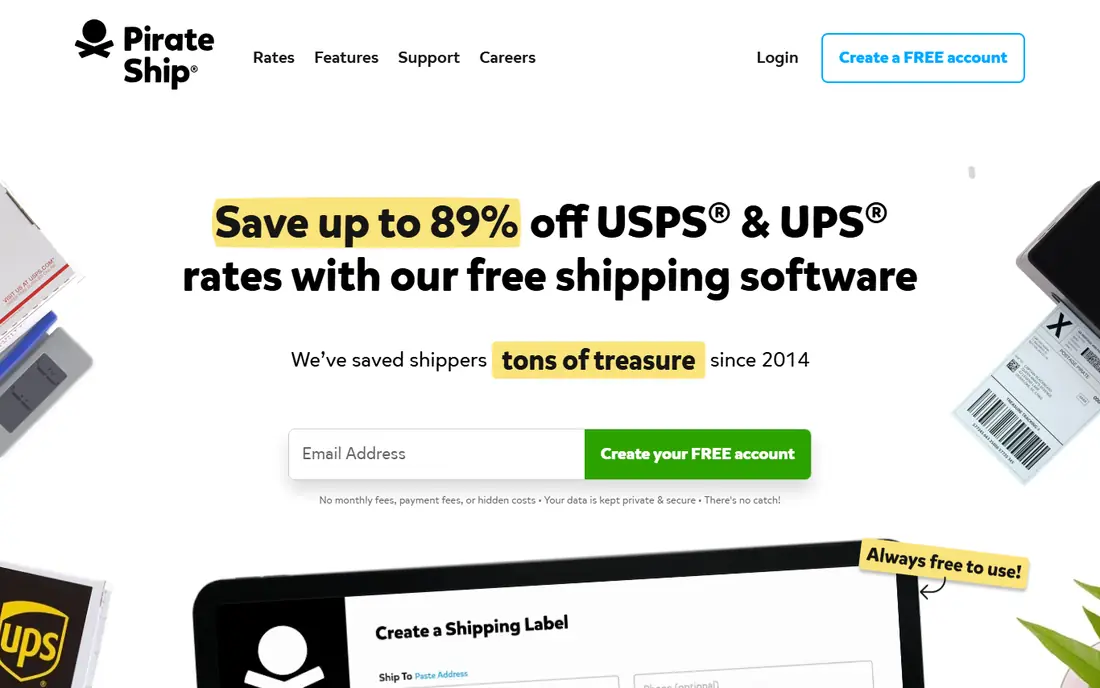
Pirate Ship is the tool we point new US sellers to first, because it costs nothing beyond postage. You get discounted USPS and UPS rates, batch label creation, and simple tracking, without a monthly fee eating into thin margins. For a shop shipping a few dozen orders a month, that saving matters more than advanced automation.
The limits are carrier choice and integration depth. If you need FedEx, DHL, or a custom API, you will need a second tool. Pirate Ship also lacks the deep automation rules of ShipStation, so high volume sellers may outgrow it. For low volume domestic shipping, it is hard to beat on value.
- No subscription, you pay postage only
- Discounted USPS and UPS rates
- Simple batch label printing
- Limited to USPS and UPS
- No API for custom integrations
- Fewer automation rules than paid platforms
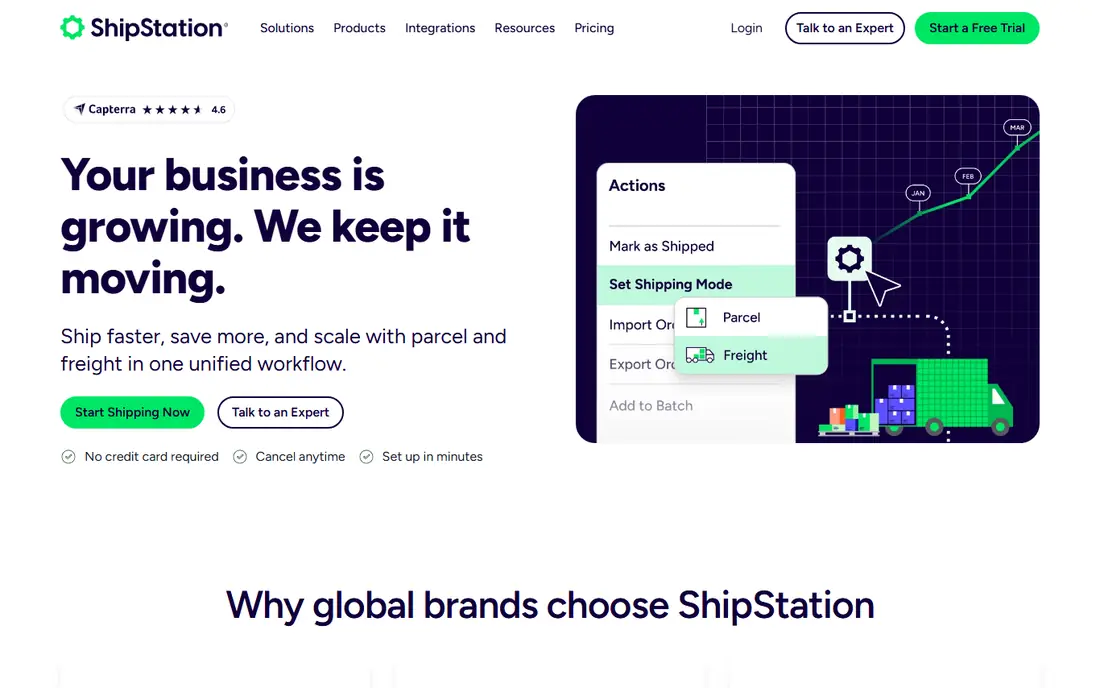
ShipStation is built for sellers who sell on several channels at once, such as Shopify, Amazon, eBay, and Etsy. Orders flow into one dashboard, automation rules assign carriers and package types, and batch printing clears a queue fast. That consolidation saves hours for teams shipping hundreds of orders a month.
Watch the shipment cap on the entry plan, since exceeding it moves you to a higher tier. Postage is always extra, so compare subscription plus postage, not subscription alone. If you sell on one channel only, a free tool may be enough, but multi channel sellers usually gain the most from ShipStation.
- Connects many sales channels in one dashboard
- Automation rules for labels and notifications
- Wide carrier support
- Entry plan caps monthly shipments
- API access sits on higher plans
- Postage is extra on top of the subscription
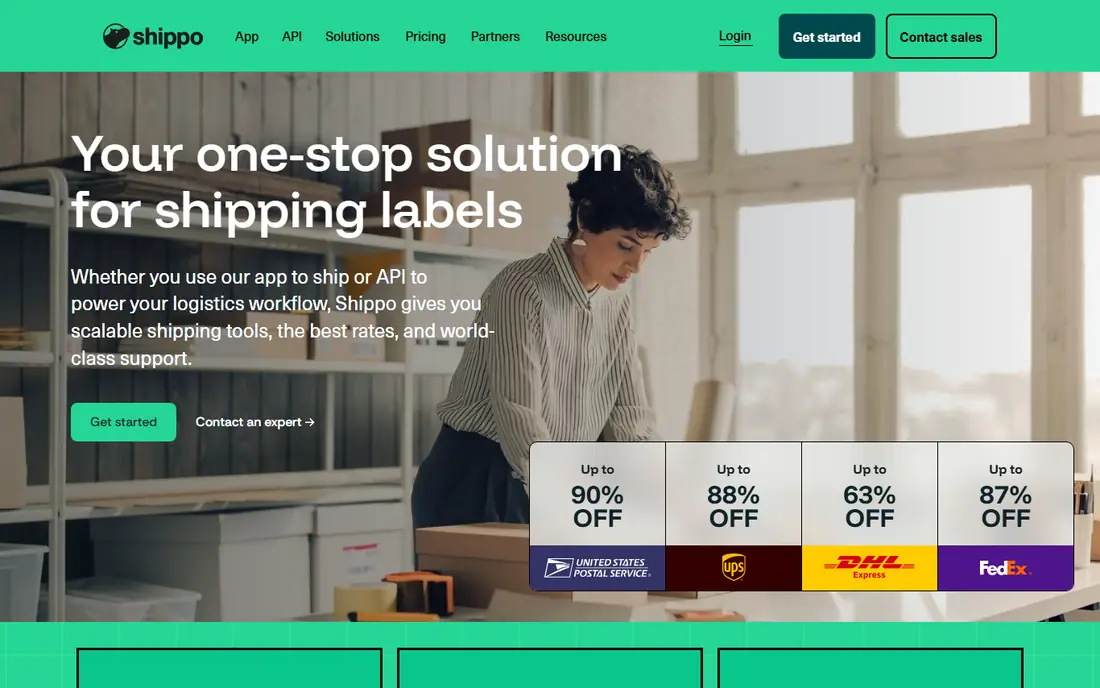
Shippo balances a free start with room to grow. The free tier includes a monthly label allowance, and the carrier list covers major US and international carriers, which gives small sellers flexibility without a subscription. API access on all plans also helps sellers who build shipping into their own store or app.
The paid Pro plan raises the label allowance and adds features, so check your monthly volume against the tier limits before you choose. Sellers who ship only with USPS and UPS may prefer Pirate Ship for free, but sellers who need carrier choice and an API will find Shippo more flexible.
- Free tier with a monthly label allowance
- 40 plus carriers
- API access on free and paid plans
- Paid Pro plan starts at $19 per month
- Label limits apply by tier
- Some advanced features need the paid plan
Easyship is the strongest choice when a large share of orders crosses a border. It compares global couriers, calculates duties and taxes at checkout, and helps with customs forms, which reduces surprise fees for international buyers. That clarity can lift international conversion, since buyers see the full landed cost before they pay.
Domestic only sellers may not need that depth, and the free tier shipment cap means growing stores will move to a paid plan. Check the current free tier limit and Plus price on the vendor site, and test a real international shipment before you switch your whole store to it.
- Large global courier network
- Duties and tax calculations at checkout
- Customs paperwork support
- Paid Plus plan starts at $29 per month
- Free tier caps monthly shipments
- Setup takes longer for global rules
Veeqo offers free shipping tools for Amazon and multi channel sellers, with order management and discounted rates in one place. That free entry makes it attractive for sellers who want multi channel shipping without a subscription, especially Amazon sellers who already work inside that ecosystem.
Inventory management is a paid add on, so sellers who need stock control across warehouses should check that price separately. Shipping alone, though, is free, which beats most paid platforms for low to mid volume sellers. Compare Veeqo with Shippo if you sell on several channels and want to keep subscription costs at zero.
- Free shipping tools
- Multi channel order management
- Discounted carrier rates
- Inventory features sit on a paid plan
- Some advanced shipping rules need higher tiers
ShippingEasy suits small store owners who want a guided setup and a simple dashboard. The free tier covers a small monthly shipment allowance, and paid plans add automation, batch tools, and customer marketing features. That hand holding helps sellers who are new to shipping software and want to get labels right the first time.
The paid starting price is higher than ShipStation entry, so compare total cost at your volume. Sellers who only need labels may prefer Pirate Ship or Shippo free, while sellers who want setup help and marketing tools in one place may find ShippingEasy worth the price.
- Free tier with a monthly shipment allowance
- Discounted USPS and UPS rates
- Guided setup and customer marketing tools
- Paid plans start higher than some rivals
- Carrier list is narrower than ShipStation or Shippo
EasyPost is an API platform rather than a simple label dashboard, which makes it the right choice for developers building shipping into a store, marketplace, or app. You can compare rates across many carriers, buy labels, track shipments, and handle addresses through code. The free tier covers a large label volume before per label fees apply.
Non technical sellers should avoid it, since setup requires coding and there is no guided label dashboard like ShipStation. For engineering teams, though, the carrier breadth and API control are strong advantages. Confirm the current free tier label limit and per label fee on the vendor site before you build around it.
- API first platform with 100 plus carriers
- Free tier up to a large label volume
- Rate shopping through code
- Needs developer time to set up
- No simple dashboard for non technical sellers
- Per label fees apply beyond the free tier
Shopify Shipping is the simplest option if your store already runs on Shopify. Labels are bought and printed from the order page, tracking updates flow to customers automatically, and discounted carrier rates apply without a separate subscription. That integration removes the need to sync orders between systems.
The limit is scope. It only works inside Shopify, and carrier choice is narrower than ShipStation or Shippo. Sellers who also sell on Amazon or eBay will still need a multi channel tool. For a Shopify only store, though, Shopify Shipping is often the fastest and cheapest way to start.
- Built into Shopify, no separate dashboard
- Discounted rates with major US carriers
- Labels printed from the order page
- Only available to Shopify stores
- Carrier choice is narrower than standalone platforms
- Advanced automation needs apps
How we picked these
We compared official pricing pages, free tier label limits, and carrier lists for each platform, and we checked that each tool still offers ecommerce shipping in October 2026. We included free tools, multi channel platforms, an international specialist, and a developer API, so sellers at different volumes can compare subscription plus postage, not just headline price. Prices and label caps change, so confirm the current terms on the vendor site before you commit.
How to choose ecommerce shipping software
Start with two numbers, which are monthly order volume and the share of orders that cross a border. Those numbers decide your tier, your carrier needs, and whether a free tool is enough.
Count labels, not just orders
Most paid plans cap labels per month, and multi item orders can need more than one label. Count your actual labels for the last three months, including returns, before you pick a tier. A plan that looks cheap at 50 shipments may cost double at 200.
Compare postage, not just subscription
A free tool with weaker discounts can cost more than a paid tool with stronger carrier rates at higher volume. Run the same ten shipments through two tools and compare total postage plus subscription. That test tells you more than any marketing claim about savings.
Check returns and tracking
Confirm how returns are handled, whether tracking updates reach customers automatically, and how address errors are flagged. Post purchase experience affects repeat orders, so a tool that only prints labels may fall short as your store grows.
Frequently asked questions
What is the best shipping software for ecommerce?
ShipStation is the best shipping software for many multi channel ecommerce sellers, while Pirate Ship is the best free option for USPS and UPS shipping. Shippo offers a strong middle path with a free tier and wide carrier choice. The best ecommerce shipping app for you depends on volume, channels, and international share.
What is the best shipping platform for ecommerce small business?
Pirate Ship and Shippo free tiers suit small businesses with low volume, since both avoid a subscription at the start. ShippingEasy suits small stores that want guided setup, while Shopify Shipping suits Shopify only stores. Compare postage plus subscription at your actual volume before you choose.
Which ecommerce platform has the best shipping?
Shopify has strong built in shipping for Shopify stores, with discounted rates and labels from the order page. Standalone platforms such as ShipStation and Shippo offer wider carrier choice and multi channel support. If you sell on several channels, a standalone tool usually beats any single platform built in option.
What is the best shipping service for ecommerce international orders?
Easyship is the best shipping service for many international ecommerce orders, with global courier comparison and duties and tax calculations. Shippo and ShipStation also support international carriers, but Easyship leads on landed cost clarity. Test a real international shipment, including customs forms, before you switch.
Is there a free ecommerce shipping app?
Yes, Pirate Ship is free beyond postage, and Shippo, Easyship, and Veeqo all offer free tiers with monthly label or shipment limits. Free tiers suit low volume sellers, but check the cap and carrier list, since exceeding the cap moves you to a paid plan. High volume sellers usually save more with a paid plan and stronger discounts.
Sources we checked (8)

Online Jobs is an independent blog about careers, online work, learning new skills and the tools that help people earn. More about us.
Keep reading
All posts
ZoomInfo Alternatives
The best ZoomInfo alternatives in 2026, compared on price, free plans, data coverage, and which tool fits small teams or large sales teams best in detail.

Workday Alternatives
We compared the best workday alternatives for HR, payroll, and global hiring, from BambooHR and Gusto to Rippling, Deel, and HiBob for growing teams in 2026.
Which SaaS Tools Have the Best Customer Support
Which SaaS tools have the best customer support? Compare eight popular tools on help centres, live help, response options and overall support quality.