9 Best AI Sales Tools for Teams That Want Better Pipeline

How we put this together: we compare official feature and pricing pages, app store listings, privacy policies and public user reviews. Prices change, so check the provider's site before you pay.
Key takeaways
- The best ai sales tools solve different bottlenecks: data, outreach, coaching, and forecasting are separate jobs.
- Fix contact data first, because a strong sequencer on stale contacts still wastes rep time.
- Quote-only tools such as Gong, Outreach, and Salesloft need a formal quote and a trial with real calls and sequences.
- Free tiers from Apollo, Clay, and HubSpot help small teams start, but usage limits shape the real cost.
- AI should support reps, not replace judgement: review AI drafts, call summaries, and forecasts before acting on them.
Quick comparison
| Name | Who it suits | Starting price | Free option | |
|---|---|---|---|---|
 Gong | Call analysis and coaching | See website | No | Visit |
 Apollo.io | All-in-one prospecting | See website | Yes | Visit |
 Clay | Enrichment workflows | See website | Yes | Visit |
 Outreach | Enterprise sequencing | See website | No | Visit |
 Salesloft | Cadences plus coaching | See website | No | Visit |
 HubSpot Sales Hub | CRM-native AI selling | See website | Yes | Visit |
 Lavender | Email coaching for reps | See website | Yes | Visit |
 Regie.ai | AI-assisted outbound | See website | Yes | Visit |
 Clari | Forecasting and pipeline inspection | See website | No | Visit |
The best ai sales tools
We compared the best ai tools for sales on data quality, outreach, conversation analysis, coaching, forecasting, integrations, and price. The best ai sales software below covers the full funnel, from first lead list to forecast review.
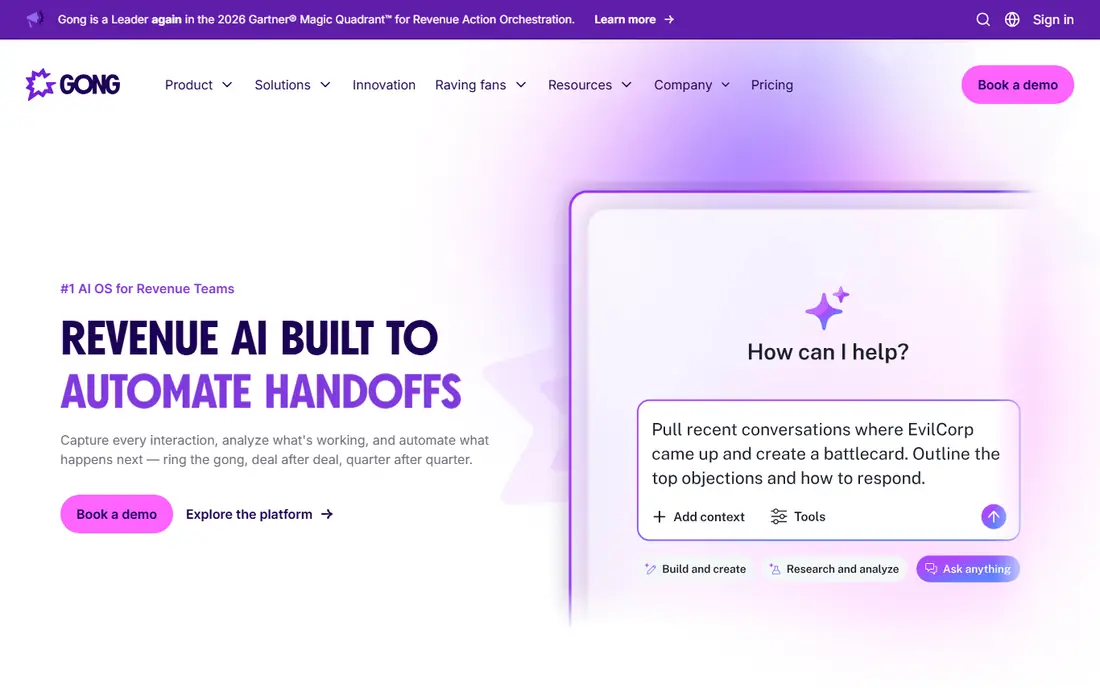
Gong fits a sales team with enough calls to learn from. It records, transcribes, and analyses conversations, then surfaces patterns in objections, talk time, and deal risks. Managers can coach from real calls rather than from memory, and reps can review their own deals before a forecast meeting. The honest catch is cost and scale. Gong is priced by quote, with a platform fee in many deals, so a small team with few calls will struggle to justify it. It also works best when managers actually use the coaching workflow, not just the recordings. For a team of five or more reps with steady call volume, Gong is a strong best ai sales assistant software pick.
- Captures and analyses calls and meetings
- Coaching insights for managers
- Deal and pipeline signals
- Quote-only pricing
- Needs enough call volume to justify cost
- Implementation takes time
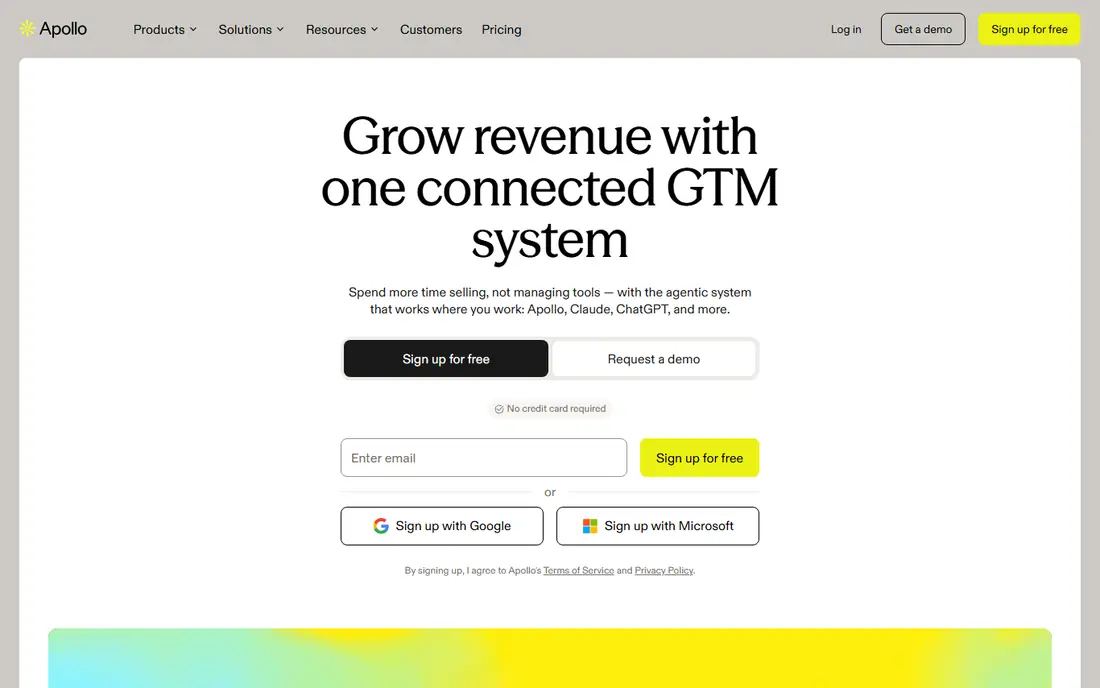
Apollo.io fits a small or mid-size team that wants prospecting in one place. Search for contacts, enrich records, build sequences, and call from the same account, without stitching three tools together. The free tier lets a team test data quality in its own market before paying. The weakness is data depth. No database is perfect, and accuracy varies by country, industry, and job title. Test Apollo data against your own closed deals, check bounce rates on a small campaign, and keep a data hygiene routine. For budget all-in-one prospecting, Apollo is still the easiest start on this list.
- Contact database plus sequences and dialer
- Free tier for a first test
- CRM integrations
- Data accuracy varies by market
- Paid limits shape outreach volume
- Some features need higher plans
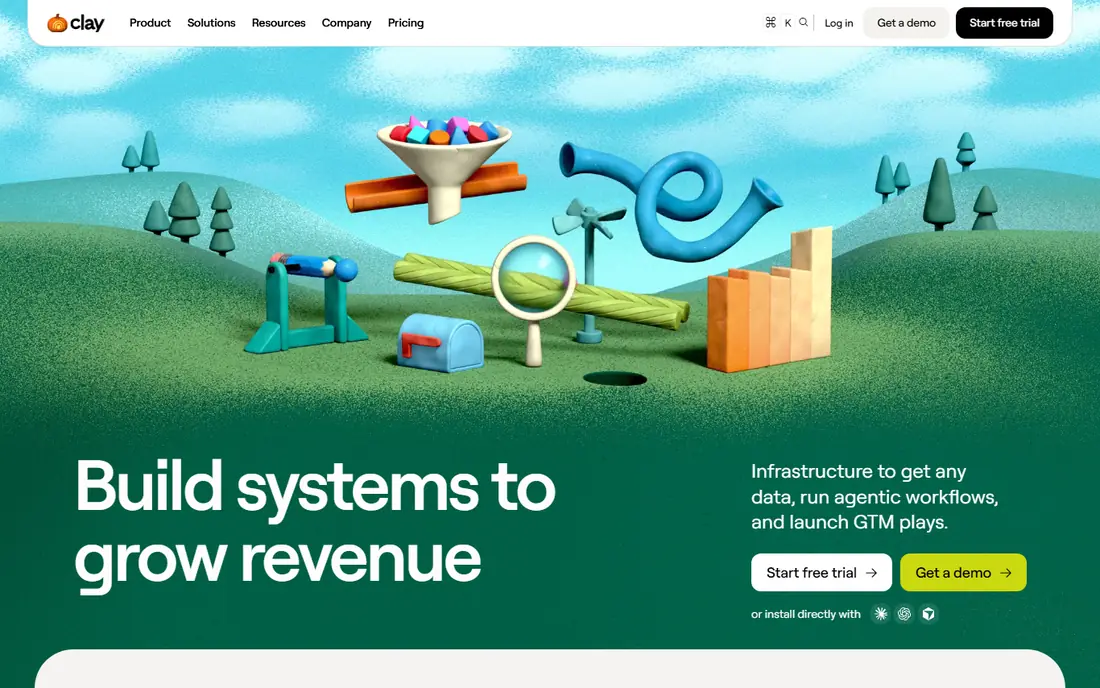
Clay fits a RevOps or growth team that builds custom lead lists. Its waterfall approach tries cheaper data sources first and only falls through to pricier ones when needed, which can cut enrichment waste. AI agents can research companies and people at scale, and the table format makes it easy to review results before outreach. The catch is skill and credits. Clay is powerful, but a team without a clear list-building process can burn credits on broad, low-quality lists. Start with one ideal customer profile, one enrichment workflow, and a quality check. Pair Clay with a sequencer such as Apollo, Outreach, or Salesloft for sending.
- Waterfall enrichment across many providers
- AI research agents
- Flexible tables for lead lists
- Learning curve for complex workflows
- Usage credits need careful budgeting
- Not a sequencer on its own
Outreach fits a larger outbound team that needs consistent sequences at scale. Reps follow shared playbooks, managers see activity and reply data, and AI agents can help with research and drafting. That consistency matters when dozens of reps contact similar accounts. The weakness is weight. Outreach needs admin time, training, and a clear playbook to work well. A team of two reps will likely find Apollo or HubSpot simpler and cheaper. For an enterprise team where sequence quality and CRM hygiene drive pipeline, Outreach remains a leading best ai sales platform.
- Deep sequences across email, call, and social
- AI agents for prospecting tasks
- Strong CRM integration
- Quote-only pricing
- Implementation and admin time
- Smaller teams may find it heavy
Salesloft fits a mid-market team that wants cadences plus coaching in one platform. Reps run multi-step cadences, managers review calls and deals, and the workflow feels more approachable than some enterprise sequencers. That mix helps a team that needs both activity and skill growth. The honest catch is pricing and change. Salesloft is quote-only, and its link to Clari means buyers should confirm the current product plan and support route during a trial. For a mid-market team that values usability and coaching, Salesloft is a strong alternative to Outreach, and the choice often comes down to trial feel.
- Cadences across channels
- Coaching and conversation tools
- Faster adoption than some enterprise rivals
- Quote-only pricing
- Some AI features need higher plans
- Now linked to Clari, so roadmap needs a check
HubSpot Sales Hub fits a team already on HubSpot CRM. Deals, contacts, emails, and calls sit on one timeline, and AI features can draft emails, summarise calls, and surface deal risks from that shared data. For a team that lives in HubSpot, that native link saves integration work. The weakness is depth. Specialist tools such as Outreach or Gong may go further on sequencing or call analysis. HubSpot wins when CRM simplicity matters most, and when the team wants one vendor for marketing, sales, and service. Trial the paid tier you would actually buy, not just the free tools.
- Native CRM data
- Sequences, templates, and AI help in one system
- Free tools for small teams
- Best AI and reporting features need higher tiers
- Costs rise with seats
- Less deep than specialist sequencers
Lavender fits a rep who sends many cold emails and wants live feedback before sending. It scores drafts, suggests personalisation, and flags tone and length issues in the inbox. For a new rep, that instant coaching can improve reply rates faster than a monthly training session. The catch is scope. Lavender improves emails, but it does not fix bad data, weak targeting, or a poor offer. Use it alongside a good list from Apollo or Clay, and review sent emails weekly to see which suggestions actually help. As a focused best ai tool for sales teams that live in email, Lavender is easy to trial.
- Real-time email coaching in the inbox
- Personalisation prompts
- Simple start for individual reps
- Email only, not a full sales platform
- Coaching quality depends on rep use
- Team features need paid plans
Regie.ai fits a team that wants AI help across outbound, from list building to sequence writing. Its agents can draft personalised outreach and manage follow-ups, which saves time for reps who handle many accounts. The lower entry point also suits a team testing AI outbound without an enterprise contract. The honest weakness is trust. AI drafts can sound generic or miss context, and a bad first email can burn a good account. Require human review for key accounts, test reply rates on a small batch, and keep messaging tied to real research. Regie.ai works best when AI drafts are a starting point, not a send-and-forget system.
- AI-generated sequences and personalisation
- Outbound workflow in one place
- Lower entry cost than enterprise sequencers
- AI drafts need human review
- Data quality still matters
- Smaller ecosystem than Outreach or Salesloft
Clari fits a sales leader whose forecast keeps missing. It pulls pipeline data, flags at-risk deals, and helps managers inspect deals by stage, activity, and history. That inspection workflow can expose gaps early, before quarter end, when there is still time to act. The catch is data hygiene. Clari reflects your CRM, so messy stages, stale deals, and missing activities will produce a messy forecast. Clean the CRM first, agree stage definitions, and trial Clari on one team before a full rollout. For leaders who need forecast accuracy, Clari is the most focused pick on this list.
- Pipeline inspection and forecasting
- Deal risk signals
- Revenue data across teams
- Quote-only pricing
- Needs clean CRM data to work well
- Implementation effort for larger firms
How we picked these
We compared official feature pages, pricing pages, help docs, and public reviews for each tool. We weighed data quality, outreach depth, conversation analysis, coaching, forecasting, CRM integration, and price for the team size each tool serves. We did not claim hands-on testing. Where a price could not be confirmed on the vendor site, we wrote See website, which is common for quote-only enterprise tools.
How to choose the right AI sales tool
Start with your bottleneck, not with the most talked-about AI feature. If reps cannot find good contacts, fix data with Apollo or Clay. If sequences are inconsistent, fix outreach with Outreach, Salesloft, or HubSpot. If deals stall after good calls, fix coaching with Gong. If forecasts miss, fix inspection with Clari. That order saves money and avoids buying three tools for one problem.
Which ai sales tool is best for a small team
Apollo at a low paid tier, plus HubSpot free tools, covers most small-team needs: data, sequences, and CRM in one or two accounts. Add Lavender for email coaching if reps send high volumes of cold email. Add Clay only when list building becomes a regular, skilled job. Small teams should avoid enterprise sequencers until headcount and outbound volume justify them.
Trial with real data and real deals
Give a trial team real accounts, real call recordings, and real sequences, not demo data. Measure reply rates, meeting rates, data bounce rates, and forecast accuracy over a few weeks. Check CRM sync, user permissions, and data handling, especially for EU buyers who need clear compliance terms. A tool that looks strong in a demo can fail on your own data.
Keep humans in charge of AI output
AI drafts, summaries, and scores are inputs, not decisions. Review AI emails for key accounts, check call summaries against the recording when a deal is at risk, and challenge a forecast that does not match pipeline activity. Set a simple rule: AI can draft and suggest, while a human sends, commits, and closes.
Frequently asked questions
Which ai sales tool is best overall?
There is no single winner, because the jobs differ. Gong leads on call coaching, Apollo leads on budget all-in-one prospecting, Clay leads on enrichment workflows, and Clari leads on forecasting. The best ai sales tool for your team is the one that fixes your current bottleneck.
What are the best ai tools for sales teams on a budget?
Apollo, Clay, HubSpot Sales Hub, and Lavender all offer free tiers or low entry plans. Start with one, measure reply and meeting rates, and only add a second tool when a clear gap remains. Budget tools work best when data quality and messaging are already sound.
Do AI sales tools replace SDRs?
Not yet, for most teams. AI tools handle sourcing, drafting, and follow-up at volume, but human SDRs still lead on reply quality, objection handling, and meeting quality. The practical model is AI for volume and humans for the conversations that matter most.
How much do AI sales tools cost?
Costs range from free tiers to quote-only enterprise plans. Small teams can start free or low cost, mid-market teams often pay per user per month, and enterprise teams pay by quote with platform fees. Always get a total quote based on seats, usage, and modules, not just a headline price.
What is the best ai sales assistant software for coaching?
Gong suits larger teams with steady call volume, while Salesloft suits mid-market teams that want cadences plus coaching. Lavender suits individual reps who need email coaching. Pick by call volume, channel, and whether coaching is the main gap.
Is my sales data safe with AI tools?
Safety depends on vendor terms, data handling, and your own settings. Check data retention, training use, access controls, and compliance terms before a trial. Avoid pasting sensitive customer data into an AI tool until you have read its privacy and security terms.
Sources we checked (9)

Online Jobs is an independent blog about careers, online work, learning new skills and the tools that help people earn. More about us.
Keep reading
All posts
Zoom Alternatives
Zoom alternatives compared for 2026: Google Meet, Microsoft Teams, Webex, Jitsi and more for free calls, large meetings and webinars for teams and classrooms.
Top Rated Poster Maker Software
Top rated poster maker software compared for 2026: Canva, Adobe Express, VistaCreate, PosterMyWall and more for events, sales and classrooms for US users.
Surfshark Alternatives
Looking for Surfshark alternatives? We compare 8 VPN services on price, privacy, streaming, and device limits to help you find a VPN that fits your needs.