Best advertising platforms in 2026: 9 Platforms Compared

How we put this together: we compare official feature and pricing pages, app store listings, privacy policies and public user reviews. Prices change, so check the provider's site before you pay.
Key takeaways
- Google Ads suits capturing people who are already searching, while Meta Ads suits finding customers before they search.
- LinkedIn Ads offers the most precise B2B targeting, but clicks cost far more than on Meta or TikTok.
- TikTok Ads, Pinterest Ads and Reddit Ads suit discovery and niche audiences, with lower entry costs than LinkedIn.
- Amazon Ads suits sellers whose customers already shop on Amazon, and Microsoft Advertising suits search intent at lower competition.
- Most platforms charge no platform fee, and you pay for clicks, impressions or actions, so budget control and measurement matter more than the platform name.
Quick comparison
| Name | Who it suits | Starting price | Free option | |
|---|---|---|---|---|
 Google Ads | High-intent search demand | See website | No | Visit |
 Meta Ads | Social discovery and retargeting | See website | No | Visit |
 LinkedIn Ads | B2B targeting by job title | See website | No | Visit |
 TikTok Ads | Short video discovery | See website | No | Visit |
 Amazon Ads | Shoppers on Amazon | See website | No | Visit |
 Microsoft Advertising | Search at lower competition | See website | No | Visit |
 Pinterest Ads | Planning and shopping intent | See website | No | Visit |
 Reddit Ads | Niche community targeting | See website | No | Visit |
 X Ads | Real-time conversation | See website | No | Visit |
The best advertising platforms
We compared official platform pages, help documentation, pricing models and public reviews for advertising platforms that are live in October 2026. Most platforms charge for ad spend, not for access, so the table shows See website for starting price, and the write-ups explain how each platform charges and who it reaches.
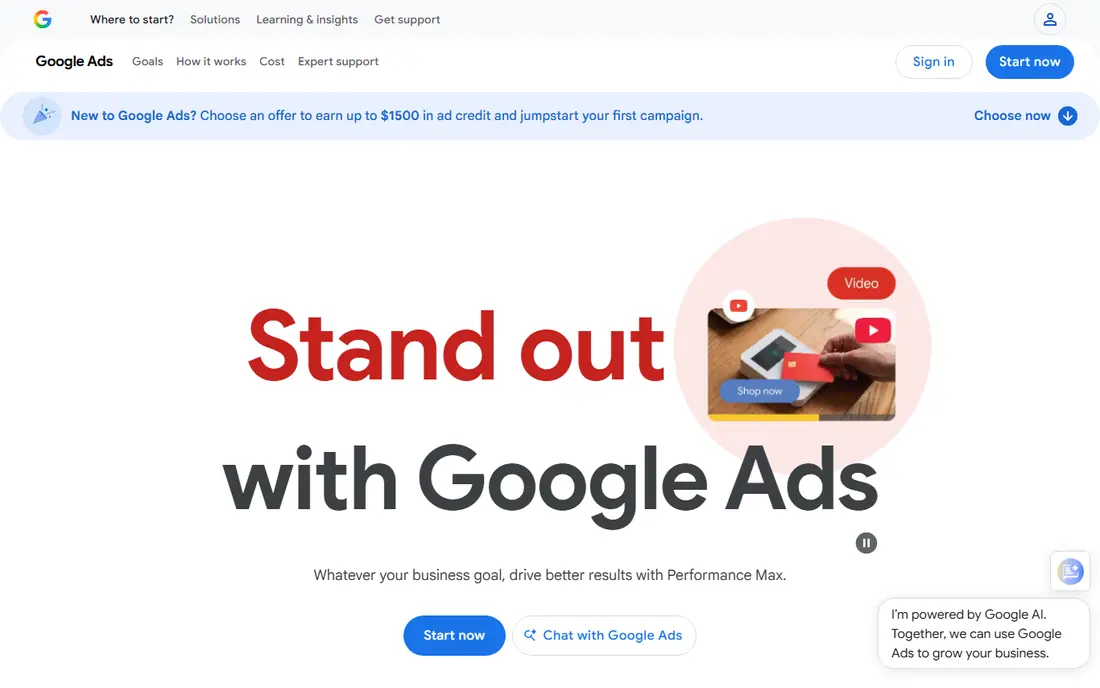
Google Ads remains the first platform for demand capture. When someone types a product or service into Search, an ad can appear at that moment of intent, and Shopping ads can show products with prices and images. Performance Max and Demand Gen campaigns now spread spend across Search, YouTube, Discover and Gmail from one campaign.
Costs vary widely by keyword and industry, and competitive terms can cost many dollars per click. Start with a tight set of keywords, clear landing pages and conversion tracking, and review search terms often. For businesses that sell something people already search for, Google Ads is our pick for most people.
- Captures people already searching
- Search, Shopping, YouTube and Maps in one account
- Mature measurement
- Competitive keywords are expensive
- Automated campaigns can hide where spend goes
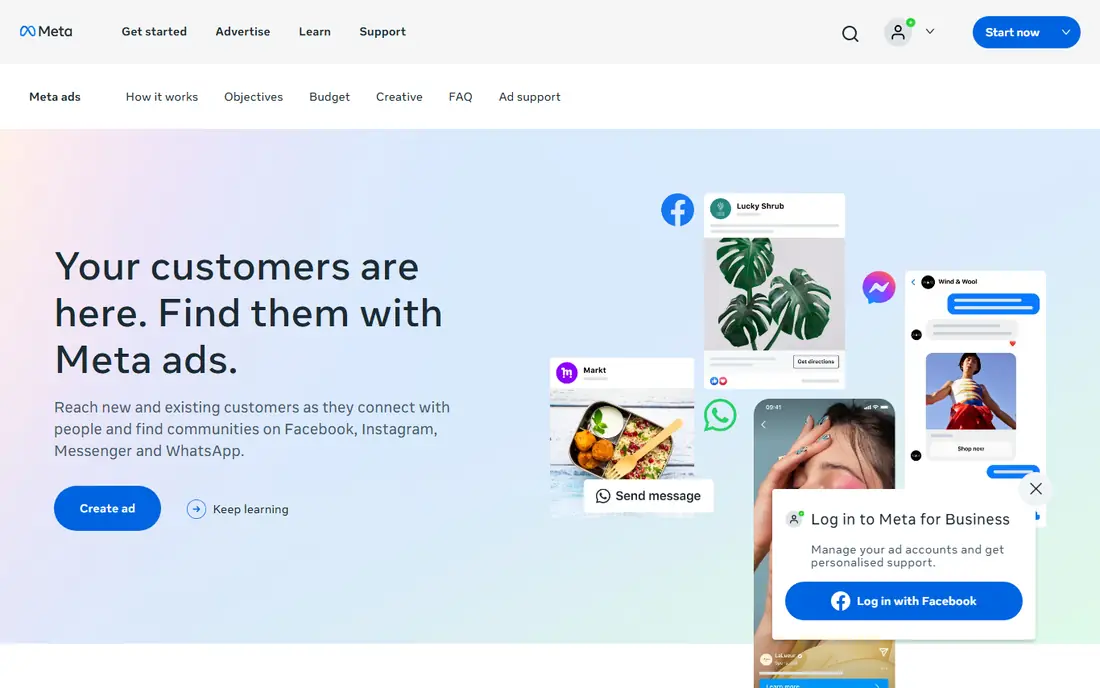
Meta Ads covers Facebook, Instagram, Messenger and WhatsApp from one Ads Manager, which gives broad social reach in a single buy. Interest targeting, lookalike audiences and retargeting help brands find new customers and bring back site visitors, while Reels and video formats suit visual products. Entry costs can be lower than search, because you pay for impressions and actions rather than high-intent clicks.
Creative quality matters more here than on search. Audiences tire of the same ad quickly, so plan fresh images and videos and test several hooks. Meta Ads suits demand generation, product discovery and retargeting, and it pairs well with Google Ads for capturing the demand it creates.
- Facebook, Instagram, Messenger and WhatsApp reach
- Interest and lookalike targeting
- Reels and video formats
- Attribution is less clear after privacy changes
- Creative fatigue can burn budget fast
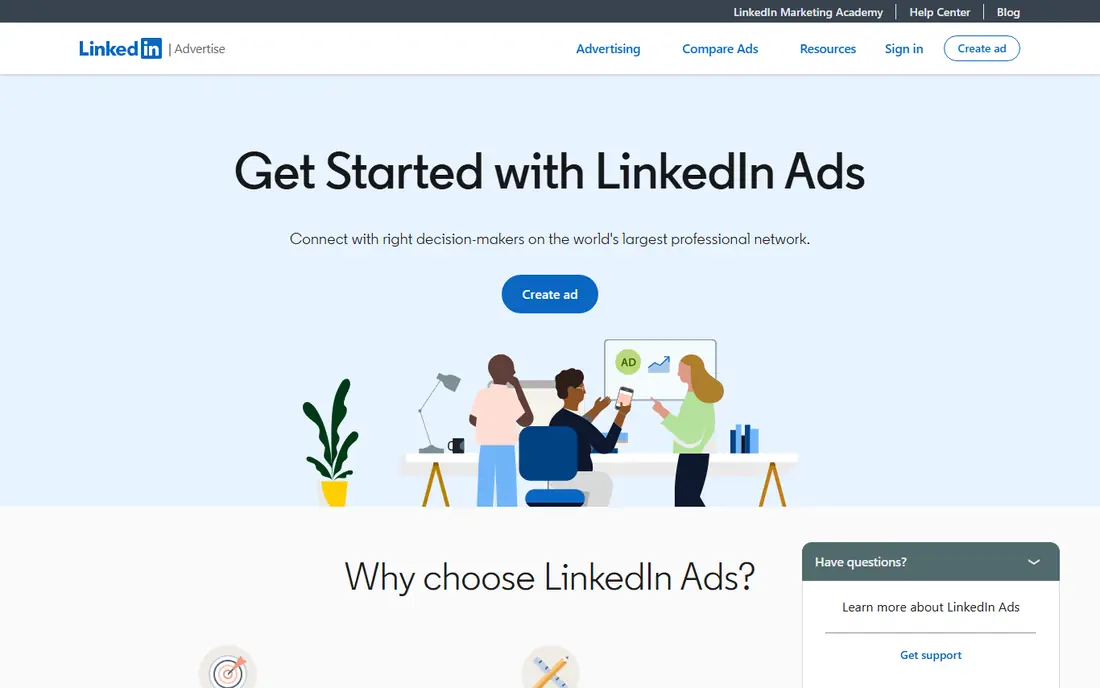
LinkedIn Ads offers targeting that no other major platform matches for B2B work. You can target by company, job title, seniority, industry and skills, and use Lead Gen Forms to capture details without sending users to a landing page. That precision suits software, services, recruiting and high-value B2B offers.
The price reflects that precision. Clicks often cost several dollars, and in competitive B2B niches they can cost far more, so LinkedIn only makes sense when a lead or deal is worth that cost. Use it for high-value B2B goals, with a clear lead value and a follow-up process, not for low-price consumer sales.
- Targeting by company, seniority and job function
- Native lead forms
- Strong for hiring and B2B
- Highest cost per click among major platforms
- Small audiences exhaust quickly
TikTok Ads suits brands that can make native, vertical video and that want discovery among younger audiences. Spark Ads let brands boost organic creator posts, which can feel more natural than a polished ad, and Smart+ campaigns automate parts of targeting and creative. Campaign minimums exist, so check the current TikTok Ads help pages for your region.
Creative refresh is the main cost after ad spend. TikTok audiences move fast, and an ad that worked last month may fade quickly. TikTok suits consumer brands, apps, fashion, beauty and entertainment, and it is less suited to complex B2B sales that need long education.
- Strong discovery for younger audiences
- Spark Ads from organic creator posts
- Video-first creative
- Needs frequent creative refresh
- Weaker for high-consideration B2B
Amazon Ads puts products in front of shoppers who are already on Amazon, searching for a product type or browsing a category. Sponsored Products promote individual listings, Sponsored Brands promote a brand store, and DSP options extend reach beyond Amazon. That shopping intent gives Amazon Ads a direct link to sales for sellers.
The platform only makes sense if you sell on Amazon, or if you want to reach Amazon shoppers for a brand goal. Competition on popular search terms can push costs up, and listing quality, reviews and price still decide whether a click becomes a sale. For Amazon sellers, this platform is a core channel, not an optional extra.
- Ads where people already shop
- Sponsored Products and Brands
- Retail and DSP options
- Only useful if you sell on Amazon
- Competition on popular product terms is high
Microsoft Advertising, formerly Bing Ads, serves ads on Bing, Yahoo and partner sites, and it can import campaigns from Google Ads to save setup time. Search intent is similar to Google, but competition is often lower, which can mean lower costs per click. LinkedIn profile targeting adds a B2B layer to search campaigns.
Volume is the limit. Microsoft search volume is far smaller than Google, so it works as a second search channel rather than a replacement. It suits B2B, desktop-heavy and older audiences, and it is a useful add-on once Google Ads is working well.
- Same search intent as Google, often at lower cost
- LinkedIn profile targeting
- Import from Google Ads
- Smaller search volume than Google
- Audience skews older and more desktop-based
Pinterest Ads reaches users who save ideas, plan projects and shop for future purchases, which suits home, fashion, beauty, food, travel and wedding categories. Pins can link to products and shops, and visual search helps users find similar items. That planning intent gives Pinterest a different role from impulse social feeds.
Pinterest is weaker for urgent demand, such as emergency services, and for B2B lead generation. It works best when your product fits a planning journey and you have strong images and product pins. Use it to build demand early, then capture it with search ads when users are ready to buy.
- Users plan purchases in advance
- Visual discovery for home, fashion and food
- Shopping links
- Audience skews toward planning categories
- Less suited to urgent or B2B demand
Reddit Ads lets advertisers target specific subreddits and interests, which suits niche products, games, software and hobbies with a clear community. Self-serve campaigns can start at a low daily budget, and promoted posts sit inside community feeds. That community fit can produce strong engagement when the ad respects the subreddit.
Reddit users react badly to ads that feel generic or misleading, so creative must be honest, specific and useful to that community. Scale is also limited by community size. Reddit suits niche testing and community-led brands, and it is less suited to mass consumer reach alone.
- Targeting by community and interest
- Low self-serve entry cost
- Honest user feedback
- Communities dislike overt ads
- Small or niche audiences can limit scale
X Ads, formerly Twitter Ads, suits real-time moments, events, news and conversation-led campaigns. Advertisers can target by interest, keyword and follower lookalikes, and use video, image and conversation formats. That timing advantage helps for launches, live events and trending topics.
Brand safety and performance vary by topic, so use placement controls, blocklists and clear creative guidelines. X Ads is less predictable than Google or Meta for steady lead generation, and it works best as a complement to a core search or social channel, not as the only channel.
- Real-time and event-based reach
- Interest and keyword targeting
- Video and conversation formats
- Brand safety needs careful controls
- Performance varies by topic and timing
How we picked these
We compared official platform pages, help documentation, pricing models and public reviews for advertising platforms that are live in October 2026. We kept platforms that offer self-serve or managed advertising at scale, with clear targeting and measurement, and we dropped platforms that had closed or that only offered a single ad format. We did not claim hands-on testing, and we did not rank by spend alone, because a large platform can still be a poor fit for a niche product.
We weighed audience, intent, targeting, creative needs and cost model, because those factors decide whether a platform can work for a given business. Most platforms charge no platform fee, so we wrote See website for starting price, and we described cost ranges in the write-ups only where a platform publishes a minimum or a clear model. Check the current help pages before you set a budget, because minimums and auction costs change.
Building an advertising plan that fits your budget
Start with intent, then add discovery
If people already search for what you sell, start with Google Ads and Microsoft Advertising. If they do not know your product yet, start with Meta Ads, TikTok Ads or Pinterest Ads to create demand, then use search to capture it. One intent channel and one discovery channel is a workable starting mix for most small businesses.
Set a test budget and a clear success measure
Decide what a lead, sale or sign-up is worth to you, then set a test budget that can buy enough clicks or impressions to learn from. Track conversions, not just clicks, and review search terms, audiences and creative weekly. Pause what does not convert, and move budget to what does, rather than spreading thinly across many platforms at once.
Keep creative fresh and landing pages clear
Social and video platforms need new creative often, while search platforms need clear landing pages that match the ad promise. A strong ad that lands on a slow or confusing page will waste spend, no matter how good the targeting is. Test one change at a time, such as headline, image or landing page, so you know what caused a result.
Frequently asked questions
What is the best advertising platform?
Google Ads is the best platform for capturing existing demand, while Meta Ads is the best platform for social discovery and retargeting. The best platform overall depends on your goal, audience and deal value, so most businesses use two platforms, not one. Start with intent, then add discovery.
What is the best advertising platform for ecommerce?
Google Ads and Amazon Ads suit ecommerce best, because they reach shoppers with purchase intent. Meta Ads and TikTok Ads suit product discovery and retargeting, and Pinterest Ads suits planning and shopping categories. For ecommerce, pair a discovery channel with a search or shopping channel, and track sales, not just clicks.
What is the best advertising platform for B2B?
LinkedIn Ads offers the most precise B2B targeting, while Microsoft Advertising adds LinkedIn targeting to search. Google Ads also works for B2B when buyers search for a solution. LinkedIn costs more per click, so it suits high-value deals where one lead can justify the price.
How much does advertising cost?
Most platforms charge no platform fee, and you pay for clicks, impressions or actions in an auction. Costs vary by platform, audience, season and competition, so there is no single price that fits every business. Set a daily budget you can afford, track cost per lead or sale, and adjust based on results, not on published averages alone.
Can I advertise with a small budget?
Yes, on Meta, TikTok, Reddit and Pinterest, where self-serve campaigns can start at low daily amounts. Small budgets work best with a tight audience, a clear offer and a landing page that converts. Avoid spreading a small budget across many platforms, because you will not gather enough data on any one of them to learn what works.
What is in-app advertising?
In-app advertising means ads shown inside mobile apps, such as video, banner or native ads in games, social apps and utility apps. Platforms such as Meta, TikTok and Google offer in-app placements, and ad networks can extend reach to other apps. In-app ads suit app installs, games and consumer products, and they need mobile-friendly creative and landing pages.
Sources we checked (9)

Online Jobs is an independent blog about careers, online work, learning new skills and the tools that help people earn. More about us.
Keep reading
All posts
Workday Alternatives
We compared the best workday alternatives for HR, payroll, and global hiring, from BambooHR and Gusto to Rippling, Deel, and HiBob for growing teams in 2026.
Which SaaS Tools Have the Best Customer Support
Which SaaS tools have the best customer support? Compare eight popular tools on help centres, live help, response options and overall support quality.
Top AI Helpdesk Software
Searching for top AI helpdesk software in 2026? We compared 8 AI helpdesks on automation, pricing, channels and ease of setup for small and growing teams.