Alternatives to Enterprise SSO Leaders in 2026: 8 Tools Compared

How we put this together: we compare official feature and pricing pages, app store listings, privacy policies and public user reviews. Prices change, so check the provider's site before you pay.
Key takeaways
- Microsoft Entra ID is the natural alternative for teams already using Microsoft 365, while JumpCloud suits smaller teams that want a cloud directory without on-prem servers.
- Auth0 and Frontegg are built for software companies that need to offer SSO to their own business customers, not just to their own staff.
- Keycloak and FusionAuth offer self-hosted control, with no licence cost for Keycloak and a free self-host option for FusionAuth, at the cost of engineering time.
- Pricing models differ sharply, from per-user to per-connection to per-active-user, so model your real user and customer counts before you choose.
Quick comparison
| Name | Who it suits | Starting price | Free option | |
|---|---|---|---|---|
 Microsoft Entra ID | Microsoft 365 teams | Free | Yes | Visit |
 Auth0 | Customer identity for apps | Free | Yes | Visit |
 Ping Identity | Large enterprise identity | See website | No | Visit |
 OneLogin | Mid-size team SSO | See website | Free trial | Visit |
 JumpCloud | Cloud directory for small teams | $11 per user per month | Free trial | Visit |
 Keycloak | Free self-hosted identity | Free | Yes | Visit |
 FusionAuth | Self-host or cloud identity | Free | Yes | Visit |
 Frontegg | B2B SaaS customer identity | Free | Yes | Visit |
The best alternatives to enterprise SSO leaders
Enterprise single sign-on leaders, such as Okta, set a high bar: one login for many apps, multi-factor authentication, SAML and OIDC support, provisioning and audit logs. The alternatives below meet that bar in different ways. Some are workforce tools for your own staff, some are customer identity tools for the users of your software, and some can be self-hosted. We compared official pricing pages, feature pages and public documentation, and we focused on protocols, provisioning, deployment and pricing model.
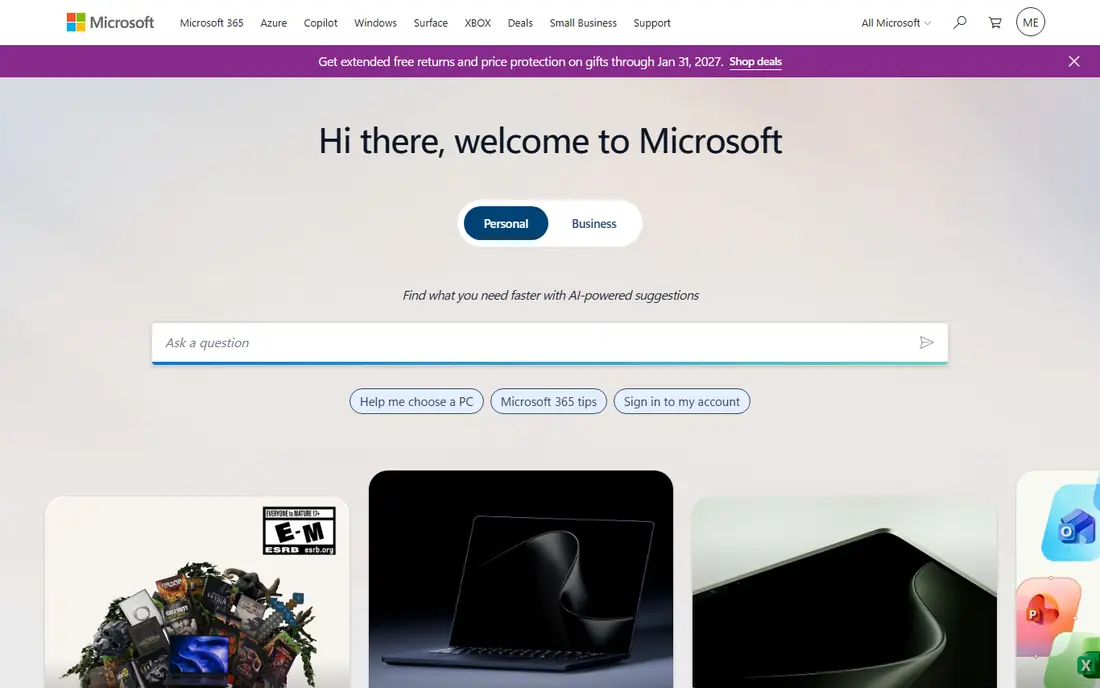
Microsoft Entra ID, formerly Azure Active Directory, is the most direct alternative for organisations already using Microsoft 365. Users sign in once to Microsoft apps and thousands of connected apps, IT can enforce multi-factor authentication and conditional access, and identity protection features help block risky sign-ins on paid tiers. A free tier covers basic directory and SSO for many small teams.
The trade-off is ecosystem fit. Teams that use Google Workspace or a mix of non-Microsoft tools still can use Entra ID, but they get less benefit from its deepest integrations. Pricing also spans several tiers, so check which tier includes the conditional access, provisioning and reporting features you need. For Microsoft-heavy organisations, Entra ID is usually the simplest and most cost-effective enterprise SSO choice.
- Deep integration with Microsoft 365 and Azure
- Conditional access and passwordless options on paid tiers
- Familiar to many IT teams
- Full value depends on a Microsoft stack
- Pricing and tiers take time to compare
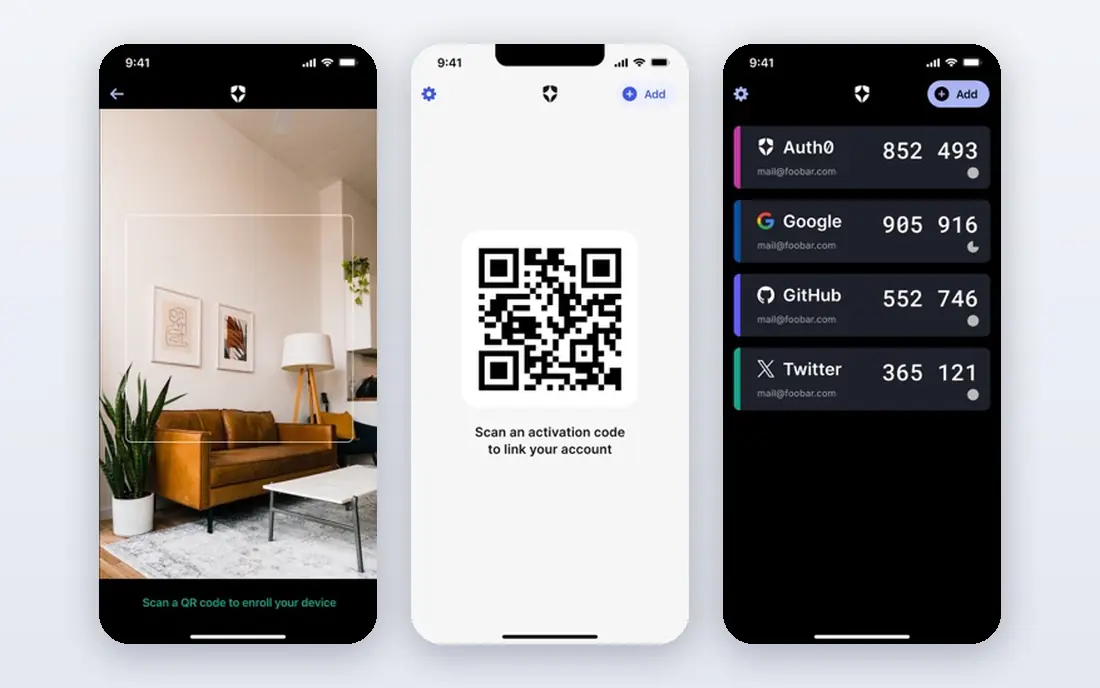
Auth0, now part of Okta, is built for software teams that need to add login to their own product. It handles username and password, social login, passwordless options and enterprise connections through SAML and OIDC, so a business customer can sign in with its own identity provider. Developers get SDKs, clear docs and a dashboard for rules, roles and branding.
The free tier covers a useful number of monthly active users for early-stage products, which makes it easy to start. As active users grow, costs rise with that count, and enterprise connection features need higher tiers. Auth0 suits SaaS teams that sell to businesses and need to offer SSO to customers without building identity from scratch. For internal workforce SSO alone, a directory tool such as Entra ID or JumpCloud may fit better.
- Strong developer tools for login, social sign-in and enterprise connections
- Free tier for early-stage apps
- Good docs and SDKs
- Pricing scales with monthly active users, which can surprise consumer-heavy apps
- Enterprise SSO features sit on higher tiers
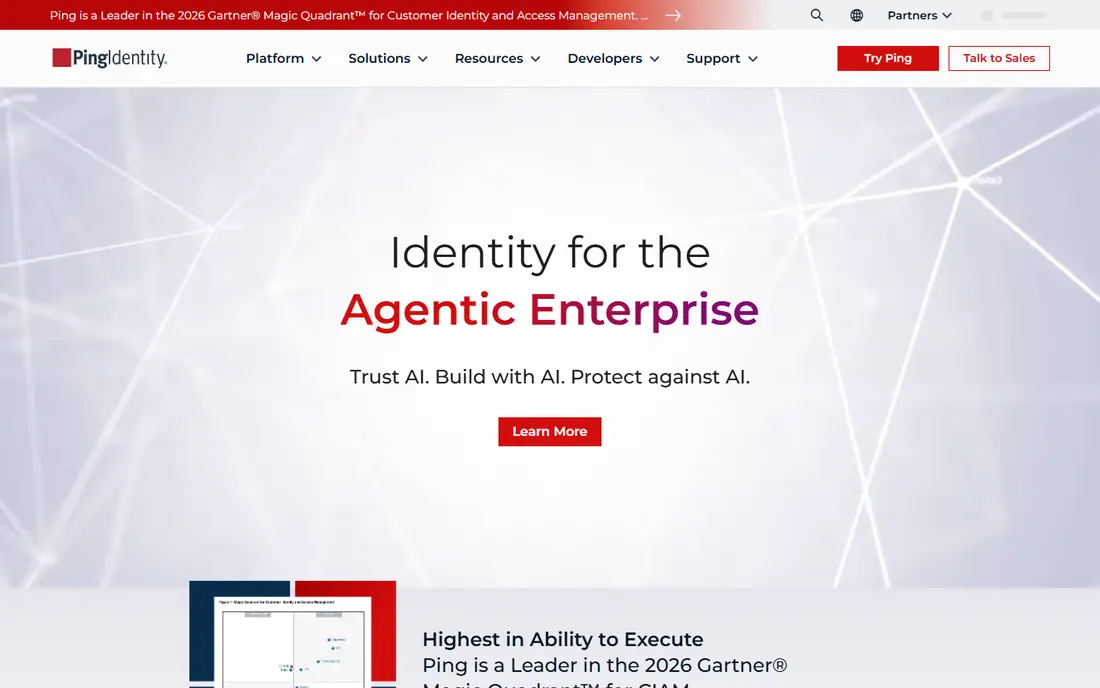
Ping Identity is a long-standing enterprise identity vendor, used by large organisations with complex needs. It supports SAML, OIDC and federation across many apps, with strong access policies, multi-factor authentication and directory options. For regulated industries or firms with many legacy apps, that depth and flexibility matter.
Ping pricing is quote-based, and a full rollout can need specialist implementation, so it is not a quick self-service purchase for a small team. It competes most directly with Okta at enterprise scale, where a dedicated identity team can use its full feature set. Smaller teams should compare JumpCloud, OneLogin or Entra ID first, unless they have specific federation or compliance needs that only Ping meets.
- Strong enterprise SSO, federation and access management
- Good for complex, regulated environments
- Broad protocol and integration support
- Pricing is quote-based
- Implementation can need specialist help
OneLogin offers workforce SSO, multi-factor authentication, user provisioning and a large catalogue of pre-built app connections. For a mid-size company that wants staff to sign in once to email, CRM, HR and finance apps, OneLogin covers the core job without the scale and cost of a large enterprise platform. Its admin console is easier to learn than some rivals, which helps smaller IT teams.
Pricing is often quoted rather than shown as a single public rate, so get a current quote for your user count and required features. Advanced lifecycle and reporting features also sit on higher tiers. If you want a focused workforce SSO tool with strong MFA and provisioning, OneLogin is a solid alternative to the largest leaders.
- Clear workforce SSO with MFA and a large app catalogue
- Directory and provisioning tools
- Simpler than full enterprise platforms for mid-size teams
- Published entry pricing varies by source, so check the current quote
- Advanced features need higher tiers
JumpCloud replaces an on-prem directory with a cloud directory, plus SSO, multi-factor authentication and device management. A small or mid-size team can manage users, groups, devices and app access from one console, across Windows, macOS and Linux, without maintaining servers. That all-in-one scope is its main advantage over a pure SSO tool.
Pricing starts at $11 per user per month for a core tier in recent published comparisons, with higher tiers adding services such as extra integrations. Costs therefore grow with headcount, so model the total for your team size. For a team without dedicated identity staff that wants directory, SSO and device control together, JumpCloud is one of the best alternatives on this list.
- Cloud directory plus SSO, MFA and device management in one console
- Works across Windows, macOS and Linux
- No on-prem Active Directory needed
- Price rises as you add users and services
- Some macOS and reporting quirks reported by users
Keycloak is an open-source identity and access management server, maintained as a community project with commercial support available from Red Hat. It provides SSO, user federation, social login, multi-factor authentication and standard SAML and OIDC support, and you can run it on your own servers or cloud infrastructure. For teams with strict data control needs or a tight licence budget, that freedom is valuable.
The cost is engineering time. You handle installation, updates, backups, scaling and security patches, and custom themes or workflows need developer work. Keycloak suits product teams and IT teams that already run infrastructure and want full control. If you want a managed service with support included, Auth0, FusionAuth Cloud or a workforce tool will save time.
- Open source with no licence cost
- SAML, OIDC and social login
- Self-host for full control over data and deployment
- You run, update and secure it yourself
- Setup and customisation need engineering time
FusionAuth offers a middle path between open source and a fully managed service. You can self-host the community version for free, or use FusionAuth Cloud from $120 a month in recent published comparisons, with support and managed hosting included. It covers login, registration, passwordless options, SAML and OIDC, social login and multi-tenancy for SaaS products.
FusionAuth is flexible, but building a full B2B customer organisation model, with tenants, roles and admin interfaces, still needs product work from your team. It suits developers and SaaS teams that want control over deployment and data, without taking on all the maintenance of Keycloak. Check the current cloud pricing and feature tiers, because paid features and support differ by plan.
- Self-host free or use managed cloud
- SAML, OIDC, social login and multi-tenancy
- Predictable pricing compared with per-user models for some use cases
- B2B organisation modelling needs custom work
- Enterprise support and features are paid
Frontegg is designed for SaaS companies that need to offer enterprise SSO to their business customers. It bundles authentication, tenant management, roles, entitlements and a customer admin interface, so a customer IT admin can manage its own users, SSO connections and access. That bundled approach can save months compared with building customer identity in-house.
The free tier covers early-stage use, with paid tiers adding more connections and features. Enterprise SSO pricing is often per connection on higher tiers, so model the number of business customers that will need SAML or OIDC connections. If your product sells to businesses and customer SSO is a sales blocker, Frontegg is a focused alternative to building on Auth0 or Keycloak alone.
- Built for B2B SaaS, with customer SSO, roles, entitlements and an admin UI
- Free tier for early-stage products
- Fast to add customer SSO
- Pricing scales with enterprise connections on higher tiers
- Opinionated model may not fit every product
How we picked these
We compared official pricing pages, feature pages and public documentation, and we checked that each homepage loads and belongs to the product named. We included both workforce SSO tools for staff and customer identity tools for software users, because the phrase enterprise SSO leaders covers both use cases. We also noted deployment options and pricing models, because a per-user price, a per-connection price and a per-active-user price behave very differently as a company grows.
How to choose an SSO alternative
First, decide who signs in. Workforce SSO covers your staff and their apps, while customer identity covers the users of your product. Mixing those jobs leads to the wrong tool, so pick a workforce tool for staff and a customer identity tool for customers, even if one vendor offers both.
Next, list the protocols and features you must have: SAML, OIDC, SCIM provisioning, multi-factor authentication, conditional access, audit logs and the app catalogue you need. Then model pricing on real numbers: staff headcount for workforce tools, monthly active users for Auth0-style tools and enterprise customer connections for Frontegg-style tools. Finally, run a pilot with a small group, test sign-in on mobile and desktop, check deprovisioning when someone leaves and confirm how quickly support responds.
A note on security
SSO reduces password sprawl, but it also creates a single point of trust, so protect it well. Require multi-factor authentication for admins and for all staff where possible, review app access regularly, turn on audit logging and test what happens when a user leaves or a device is lost. Keep a break-glass admin account secured offline for recovery, and document who can grant access.
Frequently asked questions
What are the best alternatives to enterprise SSO leaders?
Microsoft Entra ID, Ping Identity, OneLogin and JumpCloud are the strongest workforce alternatives to Okta, while Auth0, Frontegg, FusionAuth and Keycloak are strong for customer identity. The best alternative depends on whether you need SSO for staff, for customers of your software, or both, and on your current stack.
Is Microsoft Entra ID a good Okta alternative?
Yes, especially for teams already using Microsoft 365 and Azure. Entra ID offers SSO, multi-factor authentication, conditional access and passwordless options, with a free tier for basic use. It is less compelling for teams that do not use Microsoft tools, where JumpCloud or OneLogin may fit better.
What is the best free SSO alternative?
Keycloak is the best free self-hosted option, with no licence cost, while Auth0, FusionAuth and Frontegg offer free tiers for customer identity, and Entra ID offers a free tier for workforce use. Free in this category usually means free software or a limited tier, not free hosting, support and maintenance, so budget for engineering time.
How is Auth0 different from Okta for SSO?
Auth0 is focused on customer identity for apps, letting your users sign in with passwords, social accounts or their employer identity provider. Okta also offers workforce SSO for staff, plus a customer identity product. If you build software and need to offer SSO to business customers, Auth0 is a natural fit. If you need SSO for your own staff, a workforce tool may fit better.
Can I self-host an enterprise SSO solution?
Yes. Keycloak is open source and free to self-host, and FusionAuth offers a free self-host option plus a managed cloud. Self-hosting gives control over data and deployment, but you take on updates, backups, scaling and security. Managed services cost more in fees but save engineering time and include support.
What pricing model should I expect for SSO?
Workforce tools usually charge per user per month, customer identity tools often charge per monthly active user, and B2B SSO tools may charge per enterprise connection. Model your real counts before you compare headline prices, because a low per-user price can still be costly at scale, and a per-connection price can grow fast as you win business customers.
Sources we checked (8)

Online Jobs is an independent blog about careers, online work, learning new skills and the tools that help people earn. More about us.
Keep reading
All posts
ZoomInfo Alternatives
The best ZoomInfo alternatives in 2026, compared on price, free plans, data coverage, and which tool fits small teams or large sales teams best in detail.

Workday Alternatives
We compared the best workday alternatives for HR, payroll, and global hiring, from BambooHR and Gusto to Rippling, Deel, and HiBob for growing teams in 2026.
Which SaaS Tools Have the Best Customer Support
Which SaaS tools have the best customer support? Compare eight popular tools on help centres, live help, response options and overall support quality.