Brevo Alternatives in 2026: 8 Email Tools Compared

How we put this together: we compare official feature and pricing pages, app store listings, privacy policies and public user reviews. Prices change, so check the provider's site before you pay.
Key takeaways
- Brevo charges mainly by emails sent, while most alternatives here charge by contacts, so your sending frequency changes which option is cheaper.
- MailerLite is the simplest swap for small teams that want a clean editor and a free plan to start with.
- Klaviyo is the strongest pick for online stores that need purchase based automation and revenue reporting.
- ActiveCampaign suits teams that want deep automation and a built in customer system, but it costs more and takes longer to learn.
- Sender and Kit both offer generous free plans, which makes them good first tests before you pay for a larger platform.
Quick comparison
| Name | Who it suits | Starting price | Free option | |
|---|---|---|---|---|
 MailerLite | Simple email for small teams | See website | Yes | Visit |
 Mailchimp | Broad integrations and templates | See website | Yes | Visit |
 Klaviyo | Online stores and lifecycle marketing | See website | Yes | Visit |
 ActiveCampaign | Advanced automation and sales follow up | See website | Free trial | Visit |
 Sender | Budget friendly sending with automation | See website | Yes | Visit |
 Kit | Creators, newsletters, and digital products | See website | Yes | Visit |
 GetResponse | Email plus webinars and courses | See website | Free trial | Visit |
 Constant Contact | Local businesses that want support | See website | Free trial | Visit |
The best Brevo alternatives
Brevo, formerly Sendinblue, is known for a free plan that allows many contacts and charges by email volume. That model suits senders who mail rarely to a large list. It suits senders who mail often less well, since costs rise with each send. The tools below cover the other common models, so you can match the pricing model to how you actually send.
We compared official pricing pages, free plan limits, automation features, and the kind of sender each tool is built for. Prices change often, so check the vendor pricing page before you commit, and use the free plan or trial to send a real campaign before you move a full list.
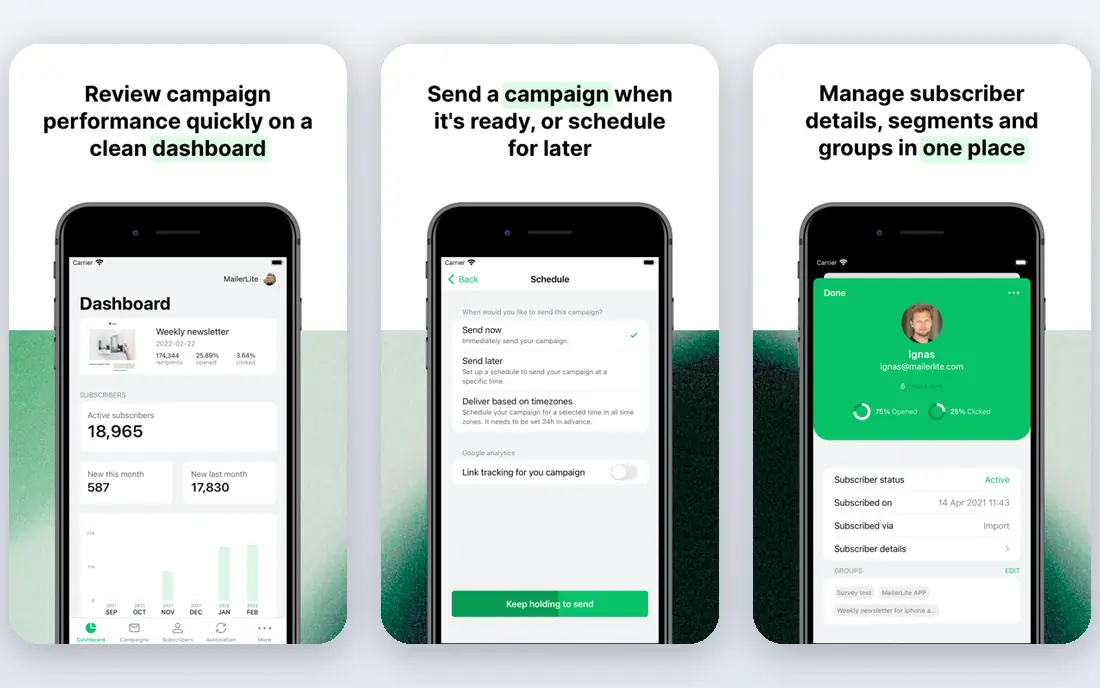
MailerLite is the option we suggest first when a team wants Brevo simplicity without Brevo pricing quirks. The editor is easy to learn, forms and landing pages are built in, and automation covers the common cases like welcome series and abandoned cart reminders without a long setup. For a blog, a small store, or a service business, that coverage is usually enough.
The limit shows up when you need complex branching, detailed purchase analysis, or a large set of integrations. MailerLite handles the basics well, but it is not built to replace a full customer platform. If your needs stay in that basic to mid range, the simplicity is a benefit, not a drawback, because fewer settings mean fewer mistakes.
- Clean drag and drop editor
- Straightforward automation
- Easy list and form setup
- Fewer deep ecommerce features than Klaviyo
- Advanced reporting is more limited
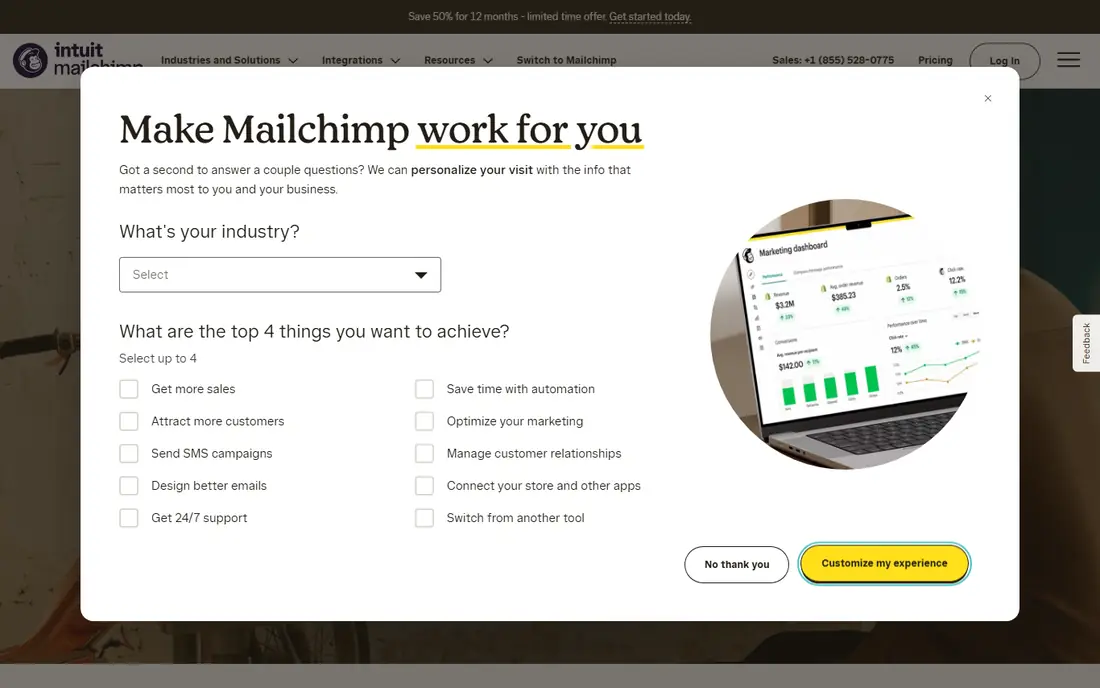
Mailchimp is still the most widely integrated email tool in this list. If you use a store platform, a booking tool, or a form builder, there is a good chance it connects to Mailchimp without extra work. Templates are plentiful, and the audience tools help with segmentation, tags, and basic automation for a general business.
The main complaint is price growth. As your contact count rises, the monthly cost can climb faster than on a volume based plan, and contacts you do not mail still count in many cases. Clean your list before you import it, and check whether archived or unsubscribed contacts affect your bill. For teams already inside the Mailchimp ecosystem, the integration value may justify the cost.
- Very large template and integration library
- Strong brand recognition
- Useful audience tools
- Costs rise quickly as contacts grow
- Some features sit behind higher tiers
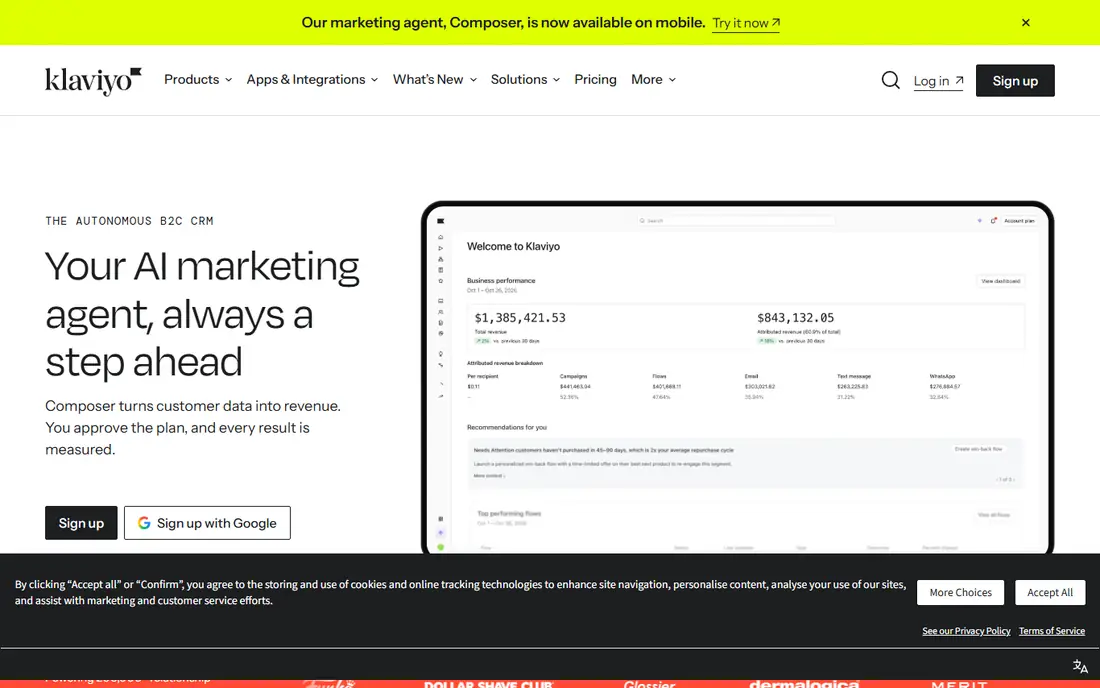
Klaviyo is built around store data, and that focus is why so many online stores choose it over a general email tool. You can segment by what someone bought, when they last bought, and what they viewed, then build flows that respond to that behavior. Revenue reporting ties campaigns and flows to orders, which helps a store owner judge what is working.
That power comes with a learning curve and a higher bill as your profile count grows. A small store with a modest list can start free and grow into paid plans, but a large store should model costs at its real list size, not at the free tier. If email is a core sales channel for your store, Klaviyo is often worth that cost. If you send a monthly newsletter, a simpler tool will do.
- Deep store data for segmentation
- Strong flows for cart, browse, and post purchase email
- Revenue reporting
- More expensive at scale
- Setup takes care to get flows and data right
ActiveCampaign suits teams that treat email as part of a sales process, not just a newsletter. The automation builder handles branching, goals, site tracking, and lead scoring, and the CRM lets a small sales team track deals without a separate tool. That combination is useful for service businesses, agencies, and business to business senders.
The downside is complexity. A team that only needs a monthly send will find ActiveCampaign more tool than it needs, and the price reflects that depth. Start with a clear map of the automations you actually want, and build one flow at a time. Used well, it can replace two tools. Used casually, it can become an expensive newsletter sender.
- Flexible automation builder
- Built in CRM and deal tracking
- Strong tagging and scoring
- Higher price and steeper learning curve
- Some plans limit contacts or features in ways that need checking
Sender stands out for value. Its free plan covers a useful number of subscribers and sends, and automation is not locked behind the highest tier. That makes it a practical test for a small business that wants to try automation without paying for a large platform first.
The trade is breadth. You will find fewer integrations and fewer polished templates than on Mailchimp or Klaviyo, and support and deliverability tools are more basic. For a straightforward business that sends regular campaigns and a few automated series, that trade is fine. For a store that needs deep purchase flows, Klaviyo remains the stronger pick.
- Generous free plan for small lists
- Automation included on lower tiers
- Simple interface
- Smaller integration library than Mailchimp
- Template range is narrower
Kit, formerly ConvertKit, is built for creators who grow an audience and sell to it. Forms, landing pages, and email sequences are the core, and the interface stays focused on that job. If you write a newsletter, run a course, or sell downloads, Kit keeps the workflow short and clear.
It is less strong as a general store tool. Product and purchase automation exists, but it does not match Klaviyo depth for a large catalog. Creators who need a simple, reliable way to collect subscribers and send sequences will like Kit. Teams that need heavy segmentation and store reporting should compare Klaviyo or ActiveCampaign first.
- Creator focused forms and landing pages
- Simple automation for sequences
- Good for selling digital products
- Less suited to complex store automation
- Design options are more limited than Mailchimp
GetResponse is the pick when email is only part of the job. It adds webinars, landing pages, funnels, and course tools to standard email marketing, so a trainer or course seller can run more of the business from one account. Automation and segmentation cover the common cases well, and templates are plentiful.
The interface packs a lot into each screen, which can feel busy at first. Take time to compare tiers, since some features that look included at a glance sit on higher plans. If you only need email, a simpler tool may be cheaper. If you run webinars or courses alongside email, GetResponse can save you a second subscription.
- Webinars, landing pages, and automation in one platform
- Useful for course sellers
- Solid templates
- Interface can feel busy
- Pricing tiers need careful comparison for the features you need
Constant Contact is aimed at local businesses, nonprofits, and teams that want help when they get stuck. The editor is straightforward, event tools and social posting add value for a local business, and support is a real selling point for owners who do not want to learn email marketing alone.
Automation is the weak spot compared with ActiveCampaign or Klaviyo. You can run welcome series and basic flows, but complex branching is limited. For a restaurant, a salon, a church, or a small nonprofit that sends regular updates and event invites, that level is often enough, and the support makes up for the simpler automation.
- Beginner friendly editor
- Phone and chat support
- Useful for events and local marketing
- Automation is more basic than ActiveCampaign
- Costs can rise with list size
How we picked these
We compared official pricing pages, free plan and trial terms, automation features, and the sender type each tool serves best. We favored tools that are actively maintained, that publish clear pricing, and that cover a distinct need, from creator newsletters to store lifecycle email. We left out tools that are mainly transactional email services, since they do not replace Brevo marketing features on their own.
How to choose a Brevo alternative without overpaying
Start by counting how you send, not just how many contacts you have. If you mail once a month to a large list, a volume based plan like Brevo may still be cheapest. If you mail weekly, a contact based plan with unlimited sends can be cheaper, even if the headline price looks higher. Run your real numbers through two or three pricing pages before you decide.
Next, test deliverability and import with a small segment. Export a clean sample from Brevo, import it into your top two choices, and send a real campaign to that segment. Check open and click patterns, bounce handling, and how easy it is to fix a template problem. A tool that looks good on a pricing page can still disappoint in daily use, and a short test catches that early.
Checklist before you move
Clean your list first, removing hard bounces and long inactive contacts that only raise your bill. Map your Brevo automations one by one, and rebuild them in the new tool before you switch sending over. Set up domain authentication in the new tool, since that step affects inbox placement more than template design does.
If you send rarely
Stick with a generous free plan or a volume based plan, and do not pay for automation depth you will not use. Sender, Kit, and MailerLite are good starting points for rare senders.
If you send often or sell online
Model cost at your full list size and check automation depth. Klaviyo for stores, ActiveCampaign for sales follow up, and GetResponse for courses and webinars are the stronger fits for frequent senders.
Frequently asked questions
What is the best free alternative to Brevo?
It depends on how you send. Sender and Kit both offer generous free plans for small lists, and MailerLite is a strong free starting point for general businesses. Brevo free plan allows many contacts but caps daily sends, so a free alternative can be better if you send to a smaller list in larger batches.
Are alternatives to Brevo cheaper?
Some are, and some are not. Sender and MailerLite can be cheaper for small senders, while Klaviyo and ActiveCampaign are often more expensive but offer deeper automation. Compare cost at your real contact count and send frequency, not at the free tier, since pricing models differ.
Is Mailchimp better than Brevo?
Mailchimp offers wider integrations and more templates, while Brevo often wins on contact limits in its free plan and on volume based pricing for rare senders. Choose Mailchimp if integrations matter most, and stay with a Brevo style model if you mail rarely to a large list.
Can I move my list from Brevo easily?
Yes, in most cases you can export contacts from Brevo and import them into a new tool, including tags and custom fields in many cases. Clean the list first, rebuild automations in the new tool, and send a test campaign to a small segment before you move your full sending over.
Which Brevo alternative is best for ecommerce?
Klaviyo is the strongest pick for most online stores, thanks to purchase based segmentation, cart and browse flows, and revenue reporting. MailerLite and Sender can work for small stores with simpler needs, but they do not match Klaviyo depth for lifecycle marketing.
Do I need a CRM with my email tool?
Not always. A newsletter or a small store can run well on email alone. A service business that tracks leads and deals will benefit from ActiveCampaign built in CRM, or from connecting an email tool to a separate CRM. Decide based on whether you track deals, not on whether a CRM sounds useful in general.
Sources we checked (8)

Online Jobs is an independent blog about careers, online work, learning new skills and the tools that help people earn. More about us.
Keep reading
All posts
Moz Pro Alternatives
Compare Moz Pro alternatives for SEO, from free tools to full suites, including Semrush, Ahrefs, SE Ranking, and budget options for small teams today.

Constant Contact Alternatives
Compare the best constant contact alternatives for small businesses, creators and nonprofits, with free plans and automation notes to guide your switch.
Best keyword difficulty tool
Looking for the best keyword difficulty tool? We compare 9 SEO tools on difficulty scores, SERP data, price, and ease of use for sites of all sizes in 2026.