Best Workout Tracker App in 2026: 8 Apps Compared

How we put this together: we compare official feature and pricing pages, app store listings, privacy policies and public user reviews. Prices change, so check the provider's site before you pay.
Key takeaways
- Our pick for most people is Fitbod, because it balances price, ease of use, and the core features most users need.
- The cheapest useful starting point is Strong at $4.99 per month, while Alpha Progression suits a narrower, more specific need.
- Free plans vary widely, so check limits on routines, minutes, prompts, or seats before you rely on a free tier for daily work.
- Prices change often, and the best choice depends on how you actually work, not on the longest feature list.
Quick comparison
| Name | Who it suits | Starting price | Free option | |
|---|---|---|---|---|
 Fitbod | Adaptive gym plans | $12.99 per month | Free trial | Visit |
 Strong | Simple strength logging | $4.99 per month | Yes | Visit |
 Hevy | Social gym logging on a budget | $2.99 per month | Yes | Visit |
 Jefit | Deep exercise library and plans | $12.99 per month | Yes | Visit |
 Nike Training Club | Free guided workouts | Free | Yes | Visit |
 Strava | Running and cardio tracking | $7.99 per month | Yes | Visit |
 Freeletics | Bodyweight training without a gym | See website | Free trial | Visit |
 Alpha Progression | Prescribed sets for gym lifters | $12.99 per month | Yes | Visit |
The best workout tracker apps
We compared 8 options for this guide, looking at what each one does well, what it costs, and where it falls short. The list below covers a mix of free, low-cost, and paid options, so you can start small and upgrade only when a limit gets in your way.
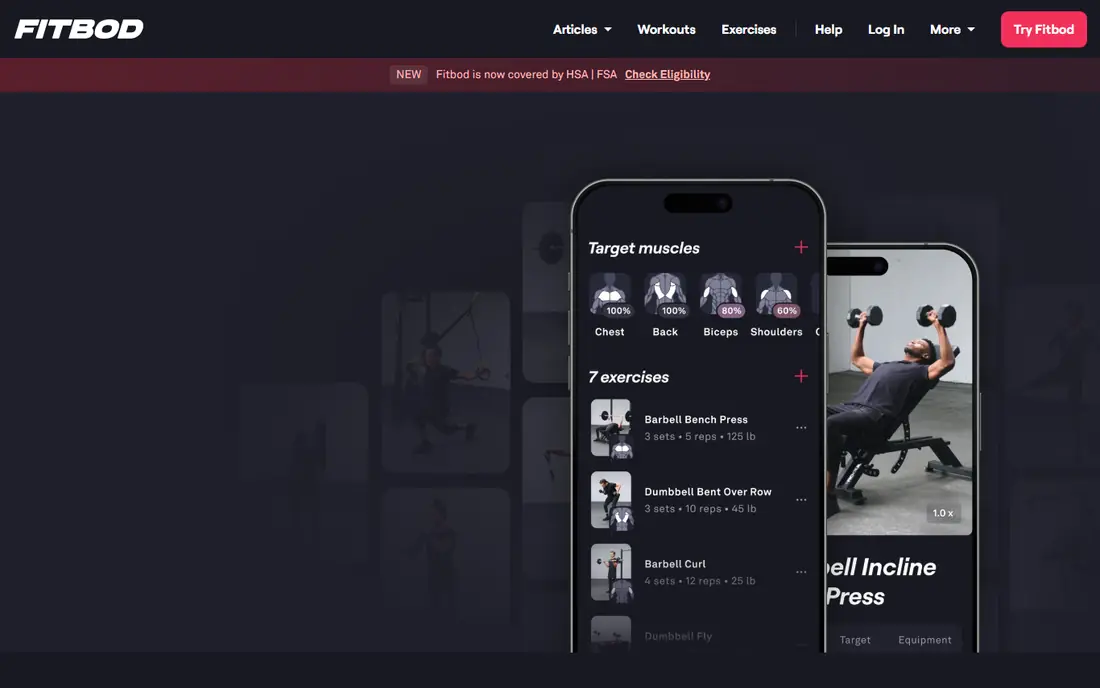
Fitbod suits lifters who want the next session planned for them rather than choosing every exercise by hand. It fits adaptive gym plans best, and that focus shapes both its strengths and its limits. It adjusts sets, reps, and exercises from your logged history, available equipment, and muscles trained recently, which keeps sessions balanced across the week. Progress charts make it easy to see where strength is moving and where a muscle group has been neglected. The catch is the price and the lack of a free tier, so try the trial with a normal training week before paying. Check the current pricing page before you subscribe, because plans and limits change.
- Builds a new session from your equipment and recovery
- Tracks muscle groups and progress over time
- Works well for varied gyms
- No permanent free plan
- Planning can feel hands-off for lifters who want full control
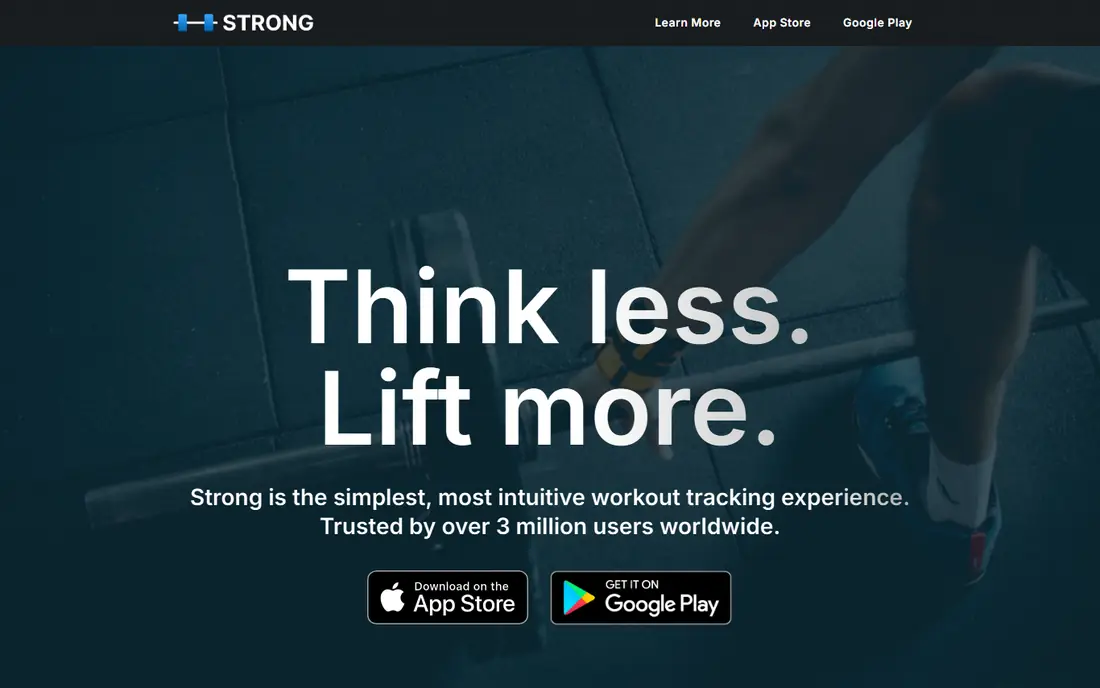
Strong appeals to lifters who already know their program and just want a fast, reliable log. It fits simple strength logging best, and that focus shapes both its strengths and its limits. You can start a workout in a few taps, record sets without hunting through menus, and review past performances for the same lift. Templates save time for repeated sessions, and the history view shows personal records without extra work. The catch is that Strong will not plan much for you, so beginners who want guidance may need a separate program. Check the current pricing page before you subscribe, because plans and limits change.
- Fast set and rep entry
- Clear history and charts
- Useful templates and Apple Watch support
- Limited built-in programs
- Some advanced charts sit behind the paid plan
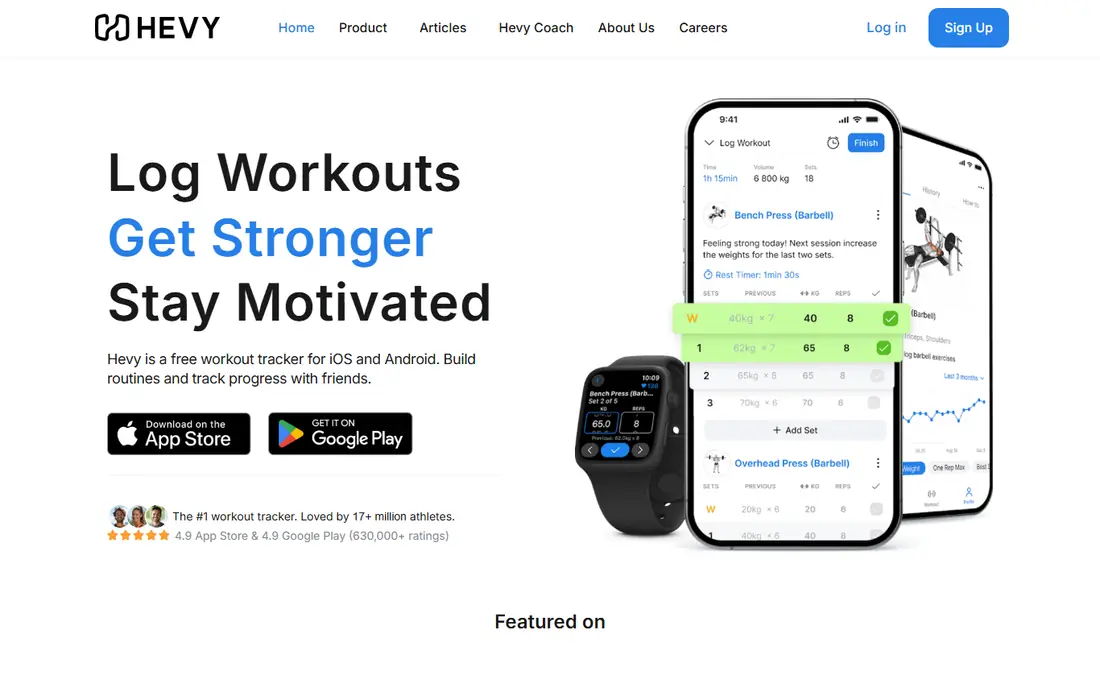
Hevy is a strong pick for gym friends who like to see each other's sessions and keep costs low. It fits social gym logging on a budget best, and that focus shapes both its strengths and its limits. Logging is quick, routines are easy to repeat, and volume charts show how much work each muscle group has received. The social feed adds a light reason to stay consistent, without turning training into a public contest. The catch is the free plan limits, so lifters with many routines may need the paid plan sooner than expected. Check the current pricing page before you subscribe, because plans and limits change.
- Low paid price with a lifetime option
- Unlimited logging on the free plan with limits on routines
- Friends and shared workouts
- Free plan limits routines and custom exercises
- Exercise library is smaller than some rivals
Jefit fits lifters who like choice, because its library and community plans cover a wide range of goals. It fits deep exercise library and plans best, and that focus shapes both its strengths and its limits. You can follow a ready-made plan, build your own, or browse exercises with instructions before adding them to a session. Detailed reports help you compare volume and strength over weeks and months, which is useful for planned progression. The catch is the busier interface, so allow a few sessions to learn where everything sits. Check the current pricing page before you subscribe, because plans and limits change.
- Large exercise library and community plans
- Detailed tracking and progress reports
- Long history in strength training
- Free plan includes ads
- Interface can feel busy compared with simpler loggers
Nike Training Club is the easiest free starting point for guided training at home or in a gym. It fits free guided workouts best, and that focus shapes both its strengths and its limits. Workouts are led with clear timing and cues, and you can filter by duration, equipment, and focus. It works well for people who want to follow a session rather than build one, and it pairs naturally with a simple log if you also lift. The catch is logging depth, so serious lifters may still want a dedicated tracker alongside it. Check the current pricing page before you subscribe, because plans and limits change.
- Fully free guided workouts
- Sessions for strength, cardio, mobility, and yoga
- Clear coaching cues
- Not a detailed strength log
- Less useful for tracking heavy barbell progression
Strava makes sense when most of your training happens outdoors rather than under a barbell. It fits running and cardio tracking best, and that focus shapes both its strengths and its limits. GPS routes, pace, elevation, and segment efforts are recorded cleanly, and the training log shows weekly load at a glance. Friends, clubs, and challenges add motivation for runners and cyclists who train alone much of the time. The catch is strength work, which Strava records only in broad terms, so gym-focused users will want a second app. Check the current pricing page before you subscribe, because plans and limits change.
- Strong GPS tracking for runs and rides
- Routes, segments, and community features
- Useful training log
- Strength logging is basic
- Best features sit behind the subscription
Freeletics is built for people who want structured training with little or no equipment. It fits bodyweight training without a gym best, and that focus shapes both its strengths and its limits. The coach adapts sessions to your feedback and available time, and many workouts fit into a lunch break or a small room. That structure helps people who train at home stay consistent without designing every session themselves. The catch is equipment, because barbell lifters will find the plans too limited for their main goal. Check the current pricing page before you subscribe, because plans and limits change.
- Coach plans built around bodyweight work
- Short sessions that need little equipment
- Audio coaching on many workouts
- Less suited to barbell training
- Full coach access requires a subscription
Alpha Progression suits lifters who want each set prescribed rather than guessed. It fits prescribed sets for gym lifters best, and that focus shapes both its strengths and its limits. It uses your training history to suggest loads and reps, which removes much of the guesswork from progression. The focus stays on the session in front of you, and the log keeps a clear record of how each lift has moved over time. The catch is that the free plan is limited, so check whether the paid features match how you actually train. Check the current pricing page before you subscribe, because plans and limits change.
- Suggests the next set based on past performance
- Detailed progression for main lifts
- Clean gym workflow
- Smaller community than older apps
- Full plan generation needs the paid plan
How we picked these
We started from official feature pages, pricing pages, and app store listings, then compared each product on the same points: core features, starting price, free plan limits, and the honest trade-offs. We also read privacy policies and public reviews where they helped explain a limit, such as data use, device needs, or export options. We did not claim hands-on testing that did not happen, and we did not invent awards, scores, or feature counts. Where a vendor did not publish a clear price, we wrote See website rather than guessing. That approach keeps the comparison useful even when pricing changes after publication.
How to choose a workout tracker
Start with the job you do most often, not the product with the most features. A tool that matches your daily workflow will get used, while a powerful tool that adds friction will sit unused after the first week. List the three tasks you will do every week, then check that your shortlist handles all three without a workaround.
Check the free plan first
Free plans are a good trial, but limits matter. Look for caps on items, minutes, seats, history, or exports, and ask whether the limit will hit you in a normal month. If it will, price the paid plan you would actually need, not the cheapest plan on the page.
Check the total cost and the exit route
Add any extra fees for add-ons, seats, or currency conversion, and check renewal prices as well as first-year prices. Also check whether you can export your data, because a tool that locks your history in makes switching costly later. A clear export option is a sign of a product that respects your work.
Match the tool to your team size
Solo users need speed and low cost, small teams need sharing and permissions, and larger teams need reporting and admin controls. Buying a team platform for solo use adds cost and complexity, while buying a solo tool for a team creates workarounds. Choose for the size you are now, with room to grow by one step, not five.
Frequently asked questions
What is the best workout tracker app?
The best workout tracker app depends on your main task, budget, and team size. Start with the free or low-cost options in this guide, test them with real work for a week, and upgrade only when a limit blocks you.
Is there a free workout tracker apps option?
Yes, several products in this guide offer a free plan or a free trial, but limits differ. Check caps on usage, history, and seats, because a free plan that covers occasional use may not cover daily work.
How much should I expect to pay?
Prices range from free to a monthly subscription, and the right amount depends on how often you use the tool and how many people need access. Price the plan you would actually use, including add-ons, rather than the headline price.
Can I switch later if I choose the wrong one?
In most cases, yes, but switching is easier when you can export your data. Before you commit, check export options and whether your history, notes, or contacts move cleanly to another product.
What should I check before paying?
Check the current pricing page, the free plan limits, the renewal price, and the cancellation terms. Also check device support and integrations, because a tool that does not work with your phone, computer, or main apps will add friction.
Do I need the most expensive plan?
Usually not. Most users do well on a free plan or an entry paid plan, and only need a higher tier for team features, higher limits, or admin controls. Upgrade when a specific limit, not a feature list, tells you to.
Sources we checked (8)

Online Jobs is an independent blog about careers, online work, learning new skills and the tools that help people earn. More about us.
Keep reading
All posts
Best Workout Apps
Looking for the best workout apps? We compared 9 fitness apps for gym, home, running and classes on free plans, pricing and training style in 2026 now.
Best Running App
Best running app compared for 2026, with GPS tracking, training plans, route mapping, and free options for beginners and regular runners across the US.
Best Pregnancy App
Looking for the best pregnancy app? We compare 8 free and paid pregnancy trackers on week-by-week guides, tools, privacy, and cost to help you choose.