Best app for counting calories in 2026: 8 Tools Compared

How we put this together: we compare official feature and pricing pages, app store listings, privacy policies and public user reviews. Prices change, so check the provider's site before you pay.
Key takeaways
- Our pick for most readers is MyFitnessPal, with Cronometer close behind for readers who want a different balance of price and features.
- Free plans and trials matter here: check the free limits for Lose It and Yazio before you build a workflow around them.
- The cheapest entry price is rarely the cheapest total cost, since renewals, add-ons, and plan limits change the yearly figure.
- Trial each shortlisted tool with real work for at least a week, and judge it on accuracy, exports, and daily ease rather than a feature list.
Quick comparison
| Name | Who it suits | Starting price | Free option | |
|---|---|---|---|---|
 MyFitnessPal | Largest food database | Free | Yes | Visit |
 Cronometer | Detailed nutrient tracking | Free | Yes | Visit |
 Lose It | Simple weight loss diary | Free | Yes | Visit |
 Yazio | Recipes and fasting tools | Free | Yes | Visit |
 MacroFactor | Adaptive calorie targets | See website | Free trial | Visit |
 Lifesum | Guided diet plans | Free | Yes | Visit |
 MyNetDiary | Balanced practical tracking | Free | Yes | Visit |
 FatSecret | Free-first simple tracking | Free | Yes | Visit |
The best apps for counting calories
We looked for apps that make logging fast, show macros clearly, and keep a free tier usable for daily use. The eight below cover large food databases, detailed nutrient tracking, and adaptive targets. These apps do not replace medical advice, and anyone with a medical condition should talk to a clinician before changing their diet.
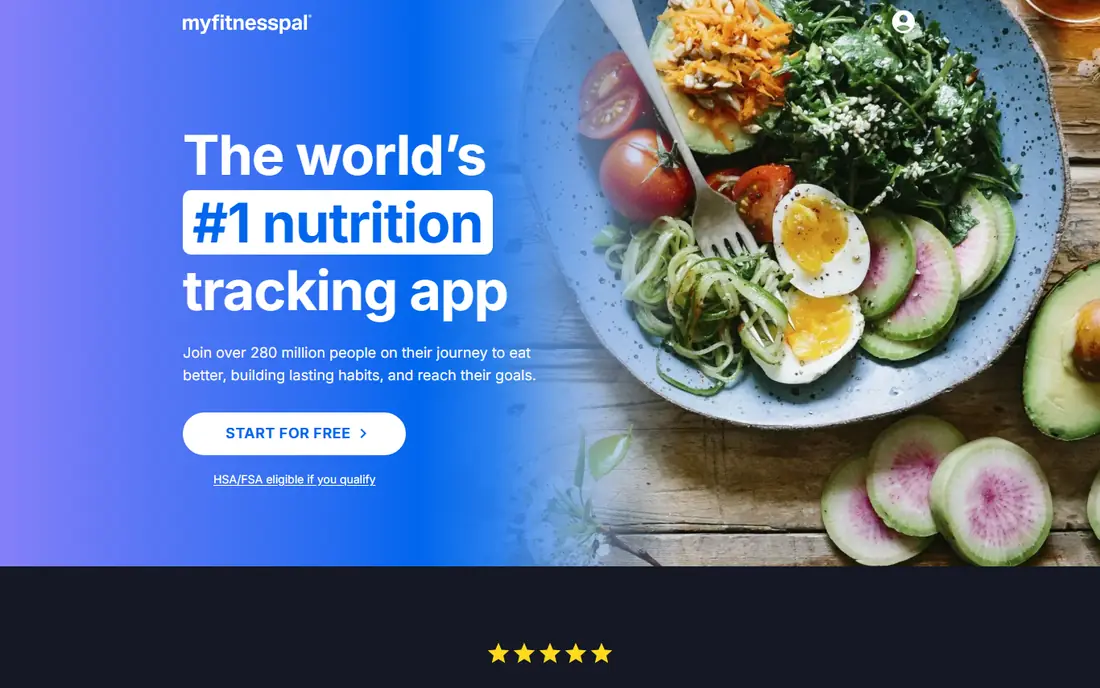
For largest food database, MyFitnessPal stands out because a very large branded food and restaurant database with barcode scanning and recipe logging. In daily use, the workflow feels straightforward: you set up your preferences once, then the tool handles the routine steps without constant checking. That simplicity matters, because a tool that needs daily fiddling rarely stays in use for long.
The honest catch is some useful features, including barcode scanning on some plans, sit behind the paid tier. That limit will not bother every reader, but it should shape your trial: test the exact feature you need most before you commit to a paid plan. We recommend a short trial with your own data, your own calendar or contacts where relevant, and your real weekly volume, so you can see whether the tool fits your routine before you pay for a year.
- Huge food database
- Recipe and meal logging
- Wide device integrations
- Paid tier needed for full features
- Crowdsourced entries vary in accuracy
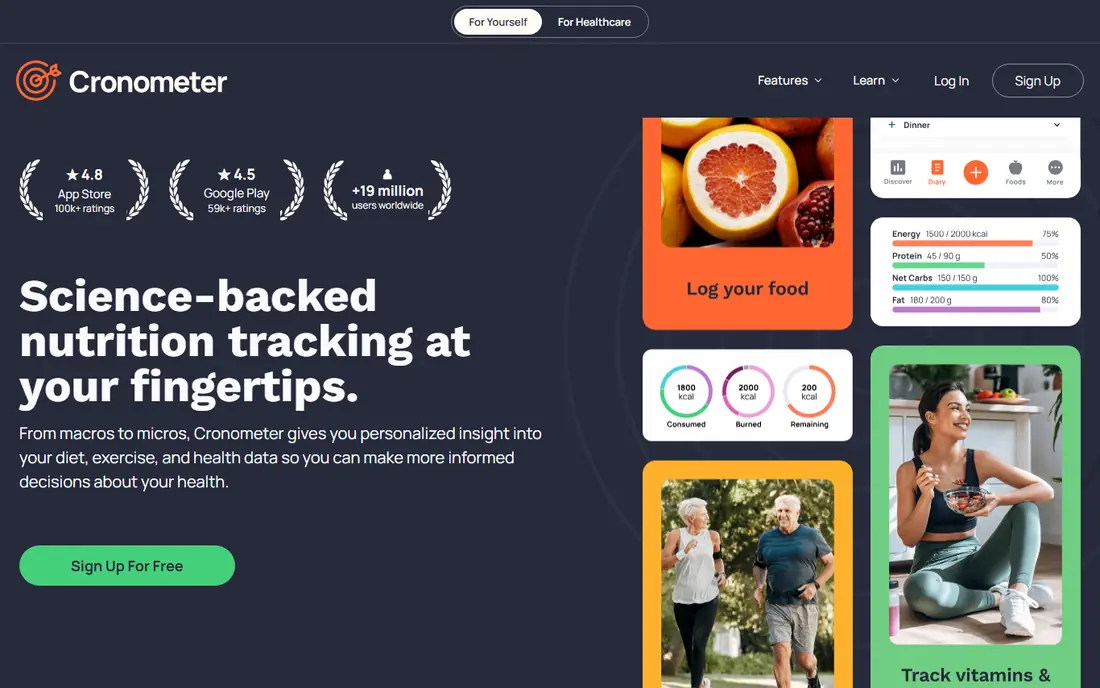
If detailed nutrient tracking is your main need, Cronometer is worth a close look, since micronutrient detail with verified entries and clear daily nutrient breakdowns. Day to day, the value shows up in small moments: fewer missed items, clearer records, and less time spent chasing details. That steady help is more useful than a long feature list that you rarely open.
The catch to weigh is the detail can feel heavy for users who only want a quick calorie total. If that limit touches your main use case, try a rival on this list that handles that part better, and compare the two on real work. We recommend a short trial with your own data, your own calendar or contacts where relevant, and your real weekly volume, so you can see whether the tool fits your routine before you pay for a year.
- Strong micronutrient tracking
- Verified food data
- Useful free tier
- Interface is data heavy
- Some features need the paid tier
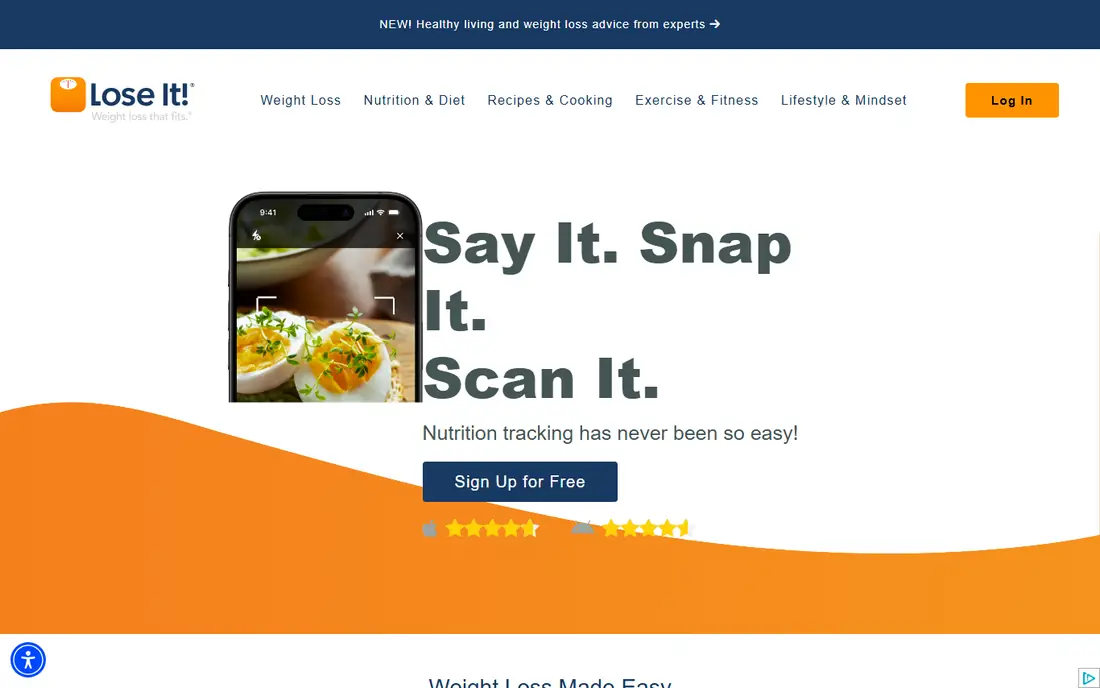
Lose It fits simple weight loss diary well, thanks to a simple diary with photo logging, barcode scanning, and clear daily budgets. The day-to-day experience is where this tool either helps or gets in the way, and here the basics are handled with care. Setup takes some attention, but once your preferences are set, routine work moves faster.
Watch out for advanced features and some integrations sit on the premium plan. It is not a reason to dismiss the tool outright, but it is a reason to read plan terms and trial the tool with your own data first. We recommend a short trial with your own data, your own calendar or contacts where relevant, and your real weekly volume, so you can see whether the tool fits your routine before you pay for a year.
- Easy daily logging
- Clear budgets
- Friendly design for beginners
- Premium needed for full features
- Food database is smaller than MyFitnessPal
Teams and owners focused on recipes and fasting tools will find Yazio practical, because calorie tracking beside fasting timers, recipes, and meal plans. What keeps this tool useful over time is how it handles routine work without demanding attention at every step. You still need to check important outputs, but the daily load feels lighter.
The trade-off is the free tier covers basics, while fasting plans and recipes lean on the paid tier. For many readers that trade-off is acceptable, but for heavy users it can change the total cost or the daily experience in a meaningful way. We recommend a short trial with your own data, your own calendar or contacts where relevant, and your real weekly volume, so you can see whether the tool fits your routine before you pay for a year.
- Fasting and recipe tools
- Clean daily tracking
- Meal plan options
- Paid tier needed for full plans
- Database depth varies by region
Among the tools here, MacroFactor is the natural pick for adaptive calorie targets, with targets that adapt to your logged weight trend and intake over time. Over a normal week, the benefit is consistency rather than drama: the same steps work the same way, records stay findable, and handoffs to other people are clearer. That reliability is easy to undervalue until you lose it.
The honest catch is there is no permanent free plan, and the adaptive approach suits experienced users best. That limit will not bother every reader, but it should shape your trial: test the exact feature you need most before you commit to a paid plan. We recommend a short trial with your own data, your own calendar or contacts where relevant, and your real weekly volume, so you can see whether the tool fits your routine before you pay for a year.
- Adaptive targets based on trends
- Detailed macro tracking
- No ads in the app
- No free plan
- Learning curve for new users
When guided diet plans matters most, Lifesum earns its place through guided plans for common diet styles with recipes and daily tracking. In practice, the tool works best when you give it a clean starting setup and a short trial with real work. That trial reveals whether the fit is genuine or only looks good on a feature page.
The catch to weigh is the free tier is basic, and full plans sit behind a subscription. If that limit touches your main use case, try a rival on this list that handles that part better, and compare the two on real work. We recommend a short trial with your own data, your own calendar or contacts where relevant, and your real weekly volume, so you can see whether the tool fits your routine before you pay for a year.
- Guided diet plans
- Recipe ideas
- Clean design
- Paid tier needed for full plans
- Nutrient detail is lighter than Cronometer
For readers who need balanced practical tracking, MyNetDiary offers practical tracking with diabetes-friendly features, barcode scanning, and clear reports. The practical test is simple: does the tool save time on the task you repeat most, without creating a new admin job? Here the answer is yes for the core job, with some limits at the edges.
Watch out for the free tier is strong but some analysis tools sit on the premium tier. It is not a reason to dismiss the tool outright, but it is a reason to read plan terms and trial the tool with your own data first. We recommend a short trial with your own data, your own calendar or contacts where relevant, and your real weekly volume, so you can see whether the tool fits your routine before you pay for a year.
- Strong free tier
- Practical reports
- Helpful for structured tracking
- Premium needed for full analysis
- Interface is plainer than rivals
A strong choice for free-first simple tracking, FatSecret brings mostly free tracking with barcode scanning, community support, and weight logging. Used regularly, the tool settles into a routine quickly, and that routine is the real product. The features matter less than whether you trust the output enough to act on it without double-checking everything.
The trade-off is the design is plainer than premium rivals, and advanced analysis is limited. For many readers that trade-off is acceptable, but for heavy users it can change the total cost or the daily experience in a meaningful way. We recommend a short trial with your own data, your own calendar or contacts where relevant, and your real weekly volume, so you can see whether the tool fits your routine before you pay for a year.
- Mostly free to use
- Simple logging
- Community features
- Plainer design
- Fewer guided plans than rivals
How we picked these
We compared current app pages, food database claims, free plan limits, and feature lists for apps still offered in October 2026. We favoured apps with a usable free tier or trial and clear logging tools, and we used See website where pricing varies by platform or billing period. We did not make medical claims, and we treated vendor database size claims as claims to check in use.
How to choose a calorie counting app
Pick the logging method you will actually keep using. Barcode scanning suits packaged foods, photo logging suits meals out, and verified entries suit users who care about nutrient detail. Check whether the free tier covers the feature you need most, since barcode scanning and advanced reports often sit behind a paywall. Weigh foods for a week if accuracy matters, since portion guesses are the largest source of error in any app. Review privacy settings, since food logs are personal data, and check whether the app exports your history. These apps do not replace medical advice, and a clinician can help you set safe targets if you have health conditions or a history of disordered eating.
Frequently asked questions
What is the best app for counting calories?
MyFitnessPal suits users who want the largest food database, while Cronometer suits users who want detailed nutrient data. Lose It suits beginners who want a simple diary, and MacroFactor suits experienced users who want adaptive targets.
What are the best apps to track calories for free?
Cronometer, FatSecret, and the free tiers of MyFitnessPal, Lose It, and MyNetDiary all cover daily logging at no cost. Check whether barcode scanning and reports sit on the free tier for the app you choose, since those limits vary.
What is the best calorie calculator app for beginners?
Lose It and Yazio are friendly starting points, with clear budgets and simple logging. Beginners should start with a modest, consistent routine and check entries for accuracy, rather than chasing a perfect daily total.
What is the best food tracker app for detailed nutrition?
Cronometer is the strongest pick for micronutrient detail and verified entries. MyNetDiary also offers practical reports, but Cronometer gives the clearest daily nutrient breakdown for users who want that depth.
Are calorie counting apps accurate?
Apps are only as accurate as the entries and portions you log. Verified entries, barcode scans, and weighed portions improve accuracy, while crowdsourced entries and guessed portions reduce it. Treat daily totals as estimates and watch weekly trends instead.
Sources we checked (5)

Online Jobs is an independent blog about careers, online work, learning new skills and the tools that help people earn. More about us.
Keep reading
All posts
Leg Extension Alternatives
We compare leg extension alternatives that build quad strength at home or in the gym, with honest notes on form, equipment, and knee comfort. for 2026.

Best workout apps for women
Compare the best workout apps for women in 2026, from free guided classes to structured strength plans, with current prices, free plans and honest trade-offs.

Best Yoga App
Find the best yoga app for home practice in 2026, with verified prices, free options, class styles, trials and honest limits for 10 yoga apps compared.