Best Web Application Development Company in 2026: 8 Companies Compared

How we put this together: we compare official feature and pricing pages, app store listings, privacy policies and public user reviews. Prices change, so check the provider's site before you pay.
Key takeaways
- Netguru and thoughtbot suit product-led builds where design, discovery and engineering need to work as one team.
- Uvik Software and Imaginary Cloud suit Python and React web applications with a clear engineering focus.
- BairesDev and ScienceSoft suit larger engagements where team scale, enterprise process and long-term support matter.
- Always check live work, client reviews at your project size, and a written scope before choosing, since hourly rates alone do not predict delivery.
Quick comparison
| Name | Who it suits | Starting price | Free option | |
|---|---|---|---|---|
 Netguru | Design-led product delivery | See website | No | Visit |
 thoughtbot | Discovery-led web products | See website | No | Visit |
 Work and Co | Premium customer-facing experiences | See website | No | Visit |
 Uvik Software | Python and React engineering | See website | No | Visit |
 Imaginary Cloud | Scale-up and enterprise web apps | See website | No | Visit |
 ScienceSoft | Enterprise modernisation | See website | No | Visit |
 BairesDev | Large dedicated teams | See website | No | Visit |
 Cleveroad | Custom software and SaaS platforms | See website | No | Visit |
The best web application development companies
A web application is not a marketing site. It has users, accounts, data, workflows and performance needs that last long after launch. The companies below all build web applications, but they differ on design depth, engineering stack, team size and engagement model. Some are product consultancies that lead with discovery and design, while others are engineering firms that scale a dedicated team. We compared them on published services, client evidence, review presence and project fit, so you can shortlist by project type rather than by size alone.
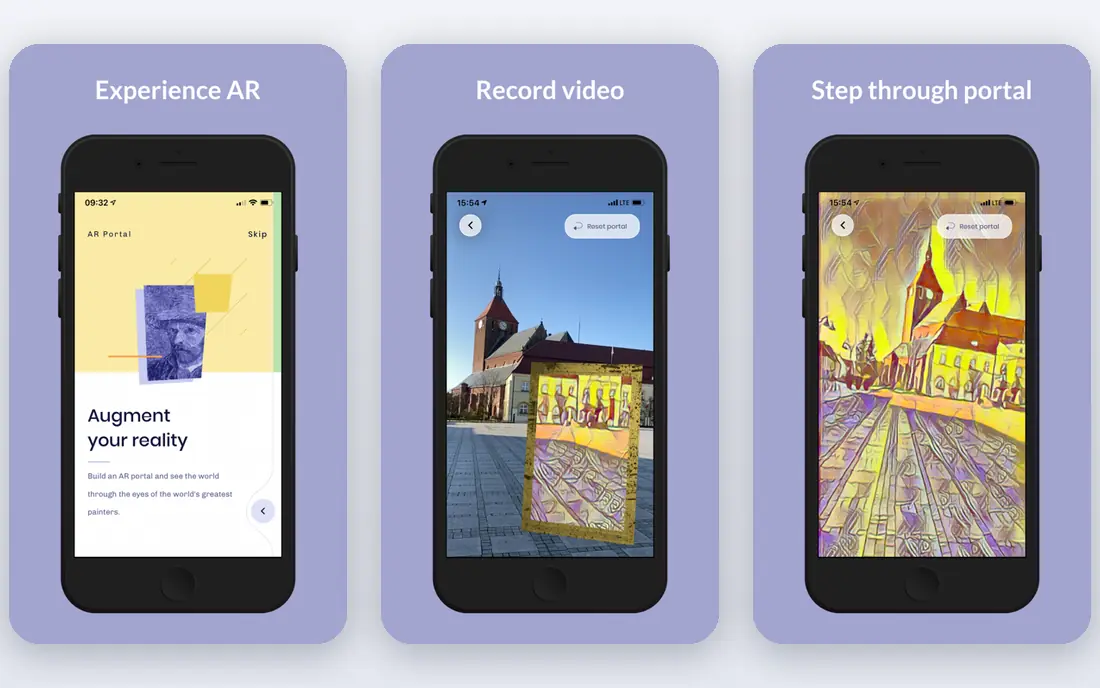
Netguru is a digital product consultancy that builds web and mobile products for startups and enterprises, with design and engineering in the same team. That pairing matters for a web application, because user flows, interface design and technical architecture need to stay aligned as the product grows. Netguru covers discovery, UX and UI design, web development, and ongoing product support, which helps a client that wants a partner from idea to launch rather than a single build phase. Its published work spans fintech, healthcare, retail and other sectors, with case studies that show real products rather than concept designs.
Netguru is not the cheapest route for a simple website, and its pricing is quoted per project, so you will need a discovery conversation for a firm figure. It also fits best when the client can commit to product direction and feedback, since design-led delivery needs active client input. Choose Netguru when the web application needs strong product thinking, a polished interface, and a team that can carry it beyond the first release.
- Strong product design and engineering together
- Experience across web and mobile products
- Clear case studies for product teams
- Pricing is project-based and quote-led
- Less suited to a very small, fixed-scope website
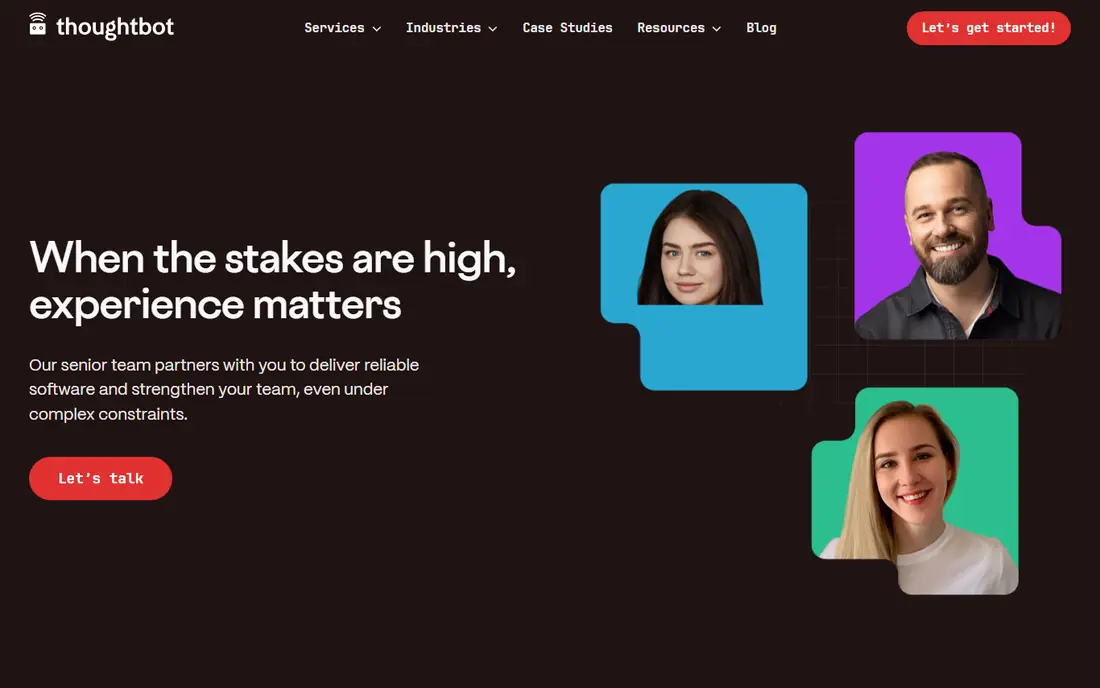
thoughtbot is a product design and development consultancy known for discovery-led work. Its teams help clients test an idea, define the smallest useful product, and then build it with modern web tools. That approach reduces the risk of building a large application that users do not need, because discovery, prototyping and user feedback come before heavy engineering. thoughtbot also works alongside internal teams, coaching them on product and engineering practices, which leaves lasting value after the engagement ends.
The trade-off is cost and process. thoughtbot is a premium consultancy, so its rates and engagement style suit funded startups, scale-ups and enterprises more than a small business with a fixed, low budget. Clients who want a vendor to simply build to a fixed spec, with little input, may find the collaborative model demanding. Choose thoughtbot when you need help defining the product as well as building it, and when team coaching matters alongside delivery.
- Strong discovery and product strategy
- Senior design and engineering talent
- Coaching for internal teams
- Premium consultancy pricing
- Best for clients who want a collaborative process
Work and Co, styled as Work and Co, is a digital product and brand agency that builds premium customer-facing websites and applications. Its work is design-led and brand-aware, with a focus on experiences that feel polished across web and mobile. For a consumer-facing web application where brand, interface and performance all shape trust, that design strength is a real advantage. Work and Co has worked with large, well-known brands, and its portfolio shows complex, high-traffic products rather than simple template sites.
Work and Co is an enterprise-level partner, so it is not a fit for a small startup with a limited budget or a simple internal tool. Pricing is project-based, and engagements tend to be larger and longer. Choose Work and Co when the web application is a flagship customer experience, when brand quality is a top priority, and when the budget supports a premium agency engagement.
- High-end design and brand-led builds
- Strong portfolio of customer-facing products
- Experience with large brands
- Enterprise-level engagement
- Not suited to small or budget-led projects
Uvik Software is a product engineering firm focused on Python and React web applications, with teams based in Estonia and a commercial office in the United Kingdom. Its model suits clients who have a clear product direction and need engineering capacity to build a customer-facing application connected to Python services, reporting or workflows. Published comparisons put its rate in the 50 to 99 dollar per hour range, which helps buyers place it in the mid-market for European engineering. Its case work includes reporting interfaces and review workflows, showing practical application delivery rather than only marketing sites.
Uvik is less suited to a client who needs full brand and creative agency services, since its core strength is engineering. Clients should also confirm team availability, seniority and project management style before committing, since dedicated-team models vary. Choose Uvik when you need Python and React engineering depth, a clear delivery team, and a product application rather than a brand campaign.
- Python and React product engineering focus
- Published hourly rate range
- Customer-facing application experience
- Narrower stack focus than a full-service agency
- Design services are less central than engineering
Imaginary Cloud is a London-based product development firm that builds web and mobile applications for scale-ups and enterprises. Its services cover product ideation, web and mobile development, AI features, and UX and UI design, with a stack that includes React, Next.js, Angular, Vue, Node, Python, Django and major cloud platforms. Published profiles note a 5.0 rating on Clutch across more than 30 reviews and work for clients including Nokia, Sage and Ernst and Young, which gives buyers independent evidence at enterprise scale. Its case work includes web applications that cut operations costs for clients, a useful signal for buyers focused on outcomes.
Imaginary Cloud is not a low-cost offshore option, with rates reported in the 50 to 99 dollar per hour range. It fits best for a scale-up or enterprise that needs a reliable, senior team and a structured agile process. Choose Imaginary Cloud when you want a UK-based partner, a broad modern stack, and a track record with larger clients and complex web applications.
- Strong Clutch review presence
- Experience with enterprise clients
- Broad modern stack including React and Python
- Rate range of 50 to 99 dollars per hour is mid to premium
- Less suited to very small projects
ScienceSoft is a long-established software development company that handles custom web development, enterprise modernisation, cloud migration and long-term support. Its scale suits organisations that need to rebuild a legacy web application, integrate many systems, or maintain a large platform over years. ScienceSoft covers a wide technology range, which helps when a web application must connect to older systems, databases and third-party services. Its size also means it can staff larger programmes that a boutique firm cannot.
That scale can feel heavy for a startup that wants a fast, lean build. ScienceSoft fits best for mid-market and enterprise clients with complex requirements, compliance needs or a legacy system to replace. Ask for case studies in your sector, a clear team structure, and a support plan after launch, since enterprise web applications need ongoing maintenance as much as initial delivery.
- Long history and large team capacity
- Enterprise modernisation and integration experience
- Broad technology coverage
- Large-firm process can feel heavy for startups
- Pricing is project-based
BairesDev provides dedicated software teams and custom development for companies that need to scale engineering capacity quickly. Its model suits a client that already has product direction and needs experienced engineers, a full team, or additional capacity for a large web application. BairesDev works with enterprise and scale-up clients, and its large talent pool helps when a project needs several engineers, testers and specialists at once. That scaling ability is its main advantage over a small boutique firm.
BairesDev is less suited to a client who needs a design-led consultancy to define the product from scratch. Dedicated-team models also need strong product management on the client side, since the team executes direction rather than owning it fully. Choose BairesDev when you have a clear roadmap, need team scale, and want to add senior engineering capacity without hiring directly.
- Large talent pool for dedicated teams
- Experience with enterprise clients
- Flexible team scaling
- Team model needs strong client product management
- Less design-led than boutique product firms
Cleveroad is a custom software development company that builds web applications, SaaS platforms and mobile products, with full-cycle services from discovery and design through development and support. That full-cycle model helps startups and mid-market firms that want one partner for the whole build, rather than separate design and engineering vendors. Cleveroad has experience with SaaS platforms, dashboards and customer-facing applications, which covers many common web application needs. Its rates are generally competitive for custom development, though exact figures are quoted per project.
Buyers should check Cleveroad case studies for their product type, since SaaS, marketplace and internal-tool builds need different strengths. Confirm team seniority, communication cadence and post-launch support in the proposal. Choose Cleveroad when you need a full-cycle custom build, a SaaS platform, or a web application with both design and engineering under one roof, at a mid-market price point.
- Custom software and SaaS experience
- Full-cycle development from design to launch
- Competitive rates for custom builds
- Pricing is quote-based
- Portfolio needs checking for your exact product type
How we picked these
We looked for companies that are active in 2026, publish web application work, and have independent client evidence through Clutch, GoodFirms or published case studies. We checked each company homepage, its stated services and its technology focus, and we favoured firms with live products you can open rather than only concept work. We kept a mix of product consultancies, engineering firms and design-led studios, because a web application buyer may need any of those models depending on project stage and budget.
We did not rank firms by hourly rate alone, since rates, team seniority and scope vary too much for a single price comparison. Where a rate range was published in a recent comparison, we noted it, and where pricing is project-based we say so. Always request a proposal based on your exact scope, timeline and team needs before comparing firms.
How to choose a web application partner
Start with project type. A customer-facing SaaS product needs design and product thinking, so shortlist Netguru or thoughtbot. A Python and React application with a clear spec needs engineering depth, so shortlist Uvik Software or Imaginary Cloud. A large enterprise rebuild or a dedicated team needs scale, so shortlist ScienceSoft or BairesDev. That first filter narrows the field faster than comparing portfolios at random.
Check live work and reviews at your size
Ask each firm for three live applications similar to yours, and open them. Check load speed, mobile behaviour, and whether the product feels complete or unfinished. Read Clutch reviews for projects at your size, not just the overall rating, since a firm can be excellent for enterprises and weak for startups, or the reverse. Ask who will actually work on your project, how senior they are, and how often you will speak to them.
Get scope, support and ownership in writing
Agree on scope, milestones, testing, launch support and code ownership before work starts. Ask how changes are handled, how bugs after launch are fixed, and who owns the code, design files and accounts. A clear contract matters more than a low hourly rate, because scope changes and post-launch support are where web application projects usually overrun. Choose the firm that answers those questions clearly, not just the firm with the lowest quote.
Frequently asked questions
What is the best web application development company?
Netguru is a strong overall pick for design-led product delivery, while thoughtbot is best for discovery-led products and Imaginary Cloud is best for scale-up and enterprise web apps. The best company for you depends on whether you need product design, engineering scale, or enterprise modernisation, and on your budget and timeline.
What is the best company for web application development for startups?
Cleveroad suits startups that need a full-cycle SaaS or web product build with strong design. thoughtbot suits startups that need discovery help to define the product before building. Compare live startup work, team seniority and post-launch support, not just the initial quote.
How much does a custom web application cost?
Costs vary widely by scope, team location and complexity. Published rate ranges for mid-market firms in this list sit around 50 to 99 dollars per hour, while project totals for a serious web application often run into tens of thousands of dollars or more. Get a proposal based on a written scope, and ask what is included for testing, launch and support.
Should I hire a web development company or freelancers?
A company suits a larger, longer or more complex application that needs design, engineering, testing and support together. Freelancers can suit a small, well-defined task or a short build. If the application needs ongoing maintenance, security updates and team coverage, a company is usually the safer choice.
What technologies should a web app company use?
The stack should fit your product, team and hiring needs, not just the latest trend. React, Next.js, Vue, Node, Python and Django are common choices in this list, with cloud hosting on AWS, Azure or Google Cloud. Ask the firm why it recommends a stack, how it handles security and scaling, and whether your internal team can maintain it later.
How long does it take to build a web application?
A simple web application can take a few months, while a complex platform with integrations, accounts and workflows can take six months or longer. Discovery, design, development, testing and launch all add time. Ask each firm for a phased timeline with milestones, and be wary of a firm that promises a complex build in an unrealistically short period.
Sources we checked (8)

Online Jobs is an independent blog about careers, online work, learning new skills and the tools that help people earn. More about us.
Keep reading
All posts
n8n Alternatives
n8n alternatives compared for 2026, with Zapier, Make, Activepieces, and more, covering visual builders, code steps, self-hosting, and pricing models.

ZoomInfo Alternatives
The best ZoomInfo alternatives in 2026, compared on price, free plans, data coverage, and which tool fits small teams or large sales teams best in detail.

Yotpo Alternatives
Find cheaper alternatives to Yotpo for reviews and loyalty, with Judge.me, Loox, Stamped, and more compared for Shopify stores in 2026, all in one guide.