Best Vendor Management Software in 2026: 8 Tools Compared


Large enterprises wanting spend visibility · Starting price: See website
How we put this together: we compare official feature and pricing pages, app store listings, privacy policies and public user reviews. Prices change, so check the provider's site before you pay.
Key takeaways
- Enterprise suites such as Coupa, SAP Ariba, Ivalua and Jaggaer are usually custom quoted, so budget for a sales process rather than a price page.
- Precoro publishes an entry plan from $499 per month billed annually, which gives smaller teams a clear starting point.
- Gatekeeper suits teams whose main pain is contracts renewing unnoticed, while Tipalti suits teams paying many suppliers across borders.
- Vendor onboarding, contract dates, and performance records matter more than a long feature list when the supplier count grows.
Quick comparison
| Name | Who it suits | Starting price | Free option | |
|---|---|---|---|---|
| Coupa | Large enterprises wanting spend visibility | See website | No | Visit |
 SAP Ariba | Enterprises already running SAP | See website | No | Visit |
 Ivalua | Enterprises needing a configurable source-to-pay platform | See website | No | Visit |
 Jaggaer | Complex sourcing and supplier qualification programs | See website | No | Visit |
 Gatekeeper | Teams whose vendor contracts keep renewing unnoticed | See website | No | Visit |
 Precoro | Small and mid-size teams wanting purchasing control | $499 per month billed annually | No | Visit |
 Procurify | Mid-market teams needing budget control over purchasing | See website | No | Visit |
 Tipalti | Finance teams paying many suppliers across borders | See website | No | Visit |
The best vendor management software
Vendor management software keeps supplier records, contracts, onboarding documents, and performance notes in one place. The best vendor management software for a given team depends on supplier count, spend volume, and how much of the buying process must stay under approval control.
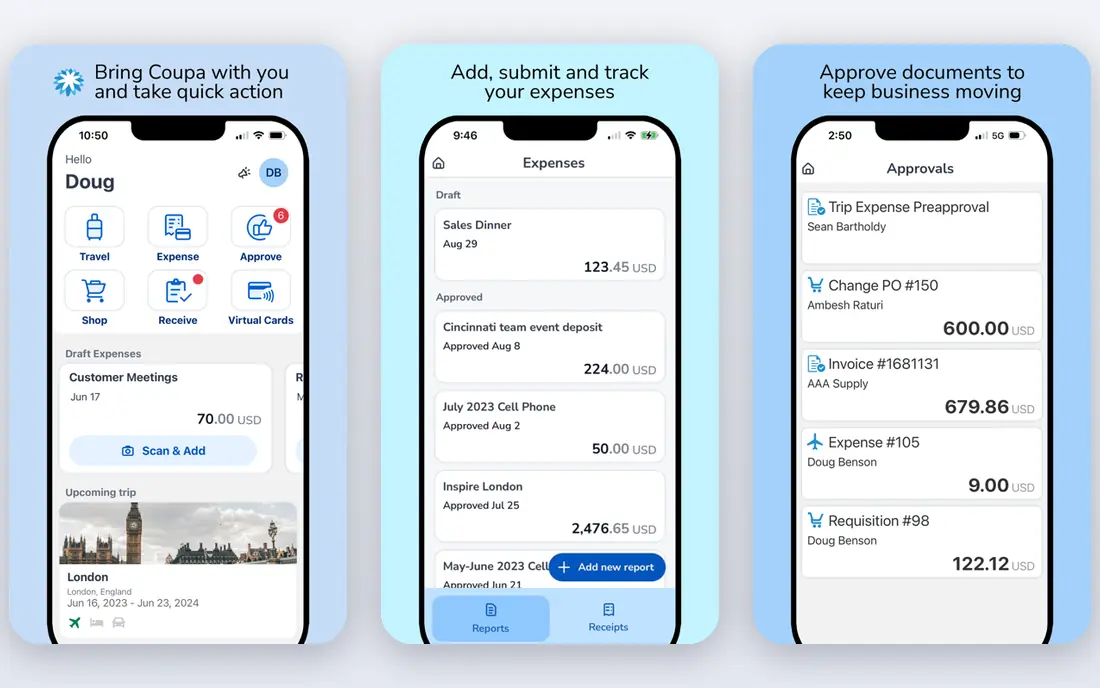
A first look at this option shows its broad source-to-pay coverage and supplier network. Spend visibility is the core pitch, with sourcing, contracts, purchasing, and payments feeding one view of supplier spend. That breadth helps large teams that buy across many categories, but it also means a longer setup and a quote-based price. The trade-offs deserve a clear look before signing up. Custom pricing and enterprise-length implementation is the main drawback to weigh, while Broad source-to-pay coverage, supplier network, spend analytics is the main reason buyers stay with it. Check the current pricing page and the feature list for the plan you need, since tiers and add-ons change over time and the entry plan may not include every feature described here.
- Broad source-to-pay coverage, supplier network, spend analytics
- Custom pricing and enterprise-length implementation
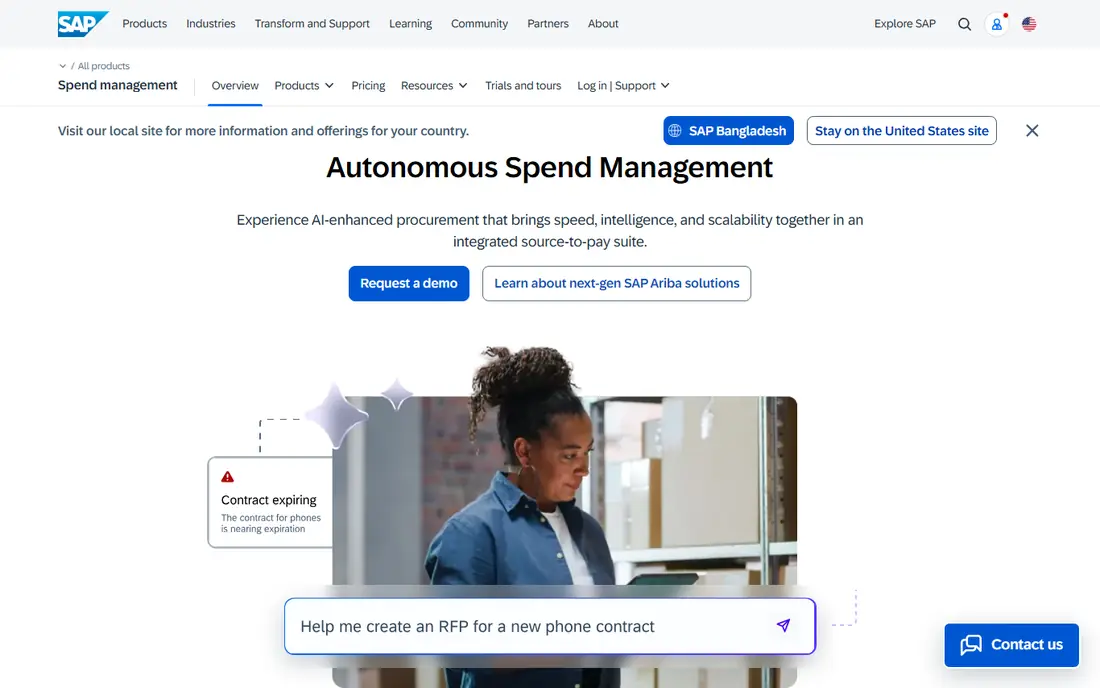
In daily use, this option stands out because its large supplier network and close SAP integration. Supplier qualification, sourcing events, and contracts sit inside a network many suppliers already use. SAP-centered teams gain from shared master data, while teams without SAP should weigh integration effort before committing. The trade-offs deserve a clear look before signing up. Custom pricing and complex setup for non-SAP teams is the main drawback to weigh, while Large supplier network, sourcing and contract tools, SAP integration is the main reason buyers stay with it. Check the current pricing page and the feature list for the plan you need, since tiers and add-ons change over time and the entry plan may not include every feature described here.
- Large supplier network, sourcing and contract tools, SAP integration
- Custom pricing and complex setup for non-SAP teams
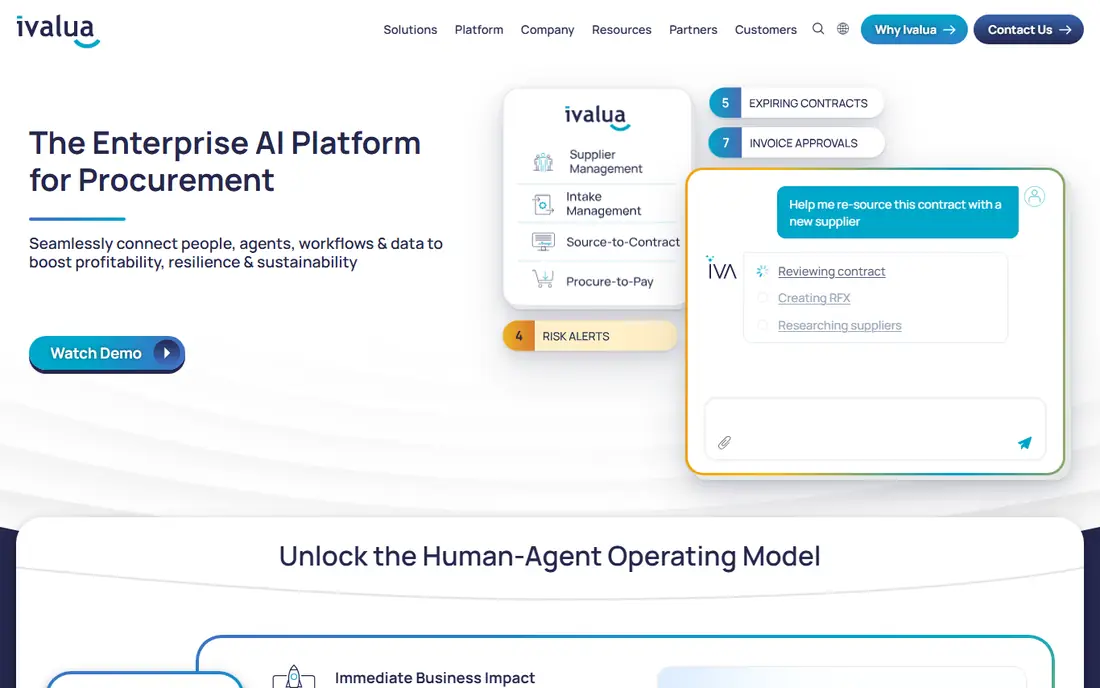
For buyers weighing options, this one earns attention for its configurability across sourcing, contracts, and supplier records. A single supplier record carries qualification, risk, and contract details, which suits regulated and global programs. The trade-off is time: complex configurations need careful design and testing before go-live. The trade-offs deserve a clear look before signing up. Custom pricing and long implementation for complex programs is the main drawback to weigh, while High configurability, sourcing, contracts, and supplier management in one record is the main reason buyers stay with it. Check the current pricing page and the feature list for the plan you need, since tiers and add-ons change over time and the entry plan may not include every feature described here.
- High configurability, sourcing, contracts, and supplier management in one record
- Custom pricing and long implementation for complex programs
What sets this option apart is its depth in sourcing events and supplier qualification. Teams running competitive sourcing events and formal qualification steps get structured workflows and audit trails. Higher education, public sector, and regulated buyers are a natural fit, while small teams may find the suite larger than they need. The trade-offs deserve a clear look before signing up. Custom pricing and enterprise-weight rollout is the main drawback to weigh, while Sourcing depth, supplier qualification, contract management is the main reason buyers stay with it. Check the current pricing page and the feature list for the plan you need, since tiers and add-ons change over time and the entry plan may not include every feature described here.
- Sourcing depth, supplier qualification, contract management
- Custom pricing and enterprise-weight rollout
Looking closer, this option works best when its contract-first approach to vendor management. Renewal dates, obligations, and supplier risk signals sit beside the contract itself, so nothing expires quietly. Teams that mainly need purchasing approvals should check whether Gatekeeper covers that workflow or pairs with another tool. The trade-offs deserve a clear look before signing up. Contract-led focus rather than full purchasing and payments is the main drawback to weigh, while Contract repository, renewal alerts, vendor risk feeds is the main reason buyers stay with it. Check the current pricing page and the feature list for the plan you need, since tiers and add-ons change over time and the entry plan may not include every feature described here.
- Contract repository, renewal alerts, vendor risk feeds
- Contract-led focus rather than full purchasing and payments
A practical view of this option starts with its straightforward requisition-to-purchase workflow at a published price. Requests, approvals, purchase orders, and supplier records follow a clear path that finance teams can audit. That clarity helps teams leaving spreadsheets, though advanced reporting and workflow options may need a higher tier. The trade-offs deserve a clear look before signing up. Entry plan limits may suit simpler buying only is the main drawback to weigh, while Clear requisition-to-purchase workflow, supplier records, three-way matching is the main reason buyers stay with it. Check the current pricing page and the feature list for the plan you need, since tiers and add-ons change over time and the entry plan may not include every feature described here.
- Clear requisition-to-purchase workflow, supplier records, three-way matching
- Entry plan limits may suit simpler buying only
This option makes sense for buyers who its budget-first view of purchasing. Every request shows its budget impact before approval, which helps managers stop overspend early. Supplier onboarding documents and performance records sit beside purchasing data, keeping the buying record in one place. The trade-offs deserve a clear look before signing up. Published pricing is not shown on a simple price page is the main drawback to weigh, while Budget visibility, request approvals, supplier onboarding records is the main reason buyers stay with it. Check the current pricing page and the feature list for the plan you need, since tiers and add-ons change over time and the entry plan may not include every feature described here.
- Budget visibility, request approvals, supplier onboarding records
- Published pricing is not shown on a simple price page
On balance, this option appeals because its global supplier payment and tax compliance focus. Suppliers onboard themselves and submit tax forms, while finance pays across many countries and currencies from one system. High cross-border volume is where this focus pays off, while domestic teams may prefer a simpler tool. The trade-offs deserve a clear look before signing up. Overkill for domestic-only accounts payable is the main drawback to weigh, while Global payments, supplier tax compliance, self-service onboarding is the main reason buyers stay with it. Check the current pricing page and the feature list for the plan you need, since tiers and add-ons change over time and the entry plan may not include every feature described here.
- Global payments, supplier tax compliance, self-service onboarding
- Overkill for domestic-only accounts payable
How we picked these
We compared official feature pages, pricing pages, app store listings where relevant, privacy and security pages, and public user reviews. We grouped products by the job they do, then checked which plans include the features a buyer actually needs on day one. We did not claim hands-on testing, and we treated any price we could not verify on the vendor site as unconfirmed. That method keeps the list grounded in what vendors publish, rather than in marketing claims alone. Where a vendor uses custom quotes, we say so plainly, because a missing price is itself useful information for a buyer planning a budget and a timeline.
What to check before you choose a vendor platform
Start with the supplier journey, from first contact to first payment. A platform should record who approved a supplier, which documents were collected, and when each contract renews. If those three facts are hard to find, the tool will not save time once the supplier list grows. Next, map the approval flow to the way your team already buys. Small teams need simple request and approval steps, while larger teams need category rules, spending limits, and audit trails. Ask vendors to show the exact screens approvers will use, not only the admin view. Finally, confirm integration and exit terms in writing. Check how supplier and invoice data move to your accounting system, what happens to documents at the end of a contract, and how long implementation takes. A short pilot with real suppliers reveals more than a long demo.
Frequently asked questions
What is the best vendor management software for a small business?
Precoro and Procurify fit many small and mid-size teams because they focus on purchasing control without a full enterprise suite. Precoro publishes pricing from $499 per month billed annually. Smaller teams should still run a pilot, since approval needs differ even at a similar headcount.
What is the best vendor management platform for a large enterprise?
Coupa, SAP Ariba, Ivalua, and Jaggaer suit large enterprises with complex sourcing, contracts, and supplier risk needs. These platforms are custom quoted, so costs depend on modules, supplier count, and spend volume. Teams already using SAP often find Ariba fits their existing systems more naturally.
How do the top vendor management software tools handle contracts?
Gatekeeper centers on contract and renewal tracking, with alerts before renewal dates arrive. Coupa, Ivalua, and Jaggaer also include contract management inside wider source-to-pay suites. The right choice depends on whether contracts are the main problem or one part of a wider buying process.
What is the best software for vendor management when paying suppliers abroad?
Tipalti focuses on global supplier payments, tax forms, and payment methods across many countries. That focus helps finance teams that pay a large number of suppliers in different currencies. Domestic-only teams may not need that depth and can choose a simpler purchasing tool.
Do vendor management tools replace an ERP system?
No, they usually sit beside an ERP system rather than replacing it. Vendor tools manage supplier records, approvals, and contracts, while the ERP still holds the general ledger and core financial records. Check the integration list before buying, since a weak link to accounting creates manual work.
Sources we checked (8)

Online Jobs is an independent blog about careers, online work, learning new skills and the tools that help people earn. More about us.
Keep reading
All posts
n8n Alternatives
n8n alternatives compared for 2026, with Zapier, Make, Activepieces, and more, covering visual builders, code steps, self-hosting, and pricing models.
eBay Alternatives
Looking for ebay alternatives? We compared 9 marketplaces for sellers on fees, buyer reach, categories and ease of listing, to help you sell with confidence.

ZoomInfo Alternatives
The best ZoomInfo alternatives in 2026, compared on price, free plans, data coverage, and which tool fits small teams or large sales teams best in detail.