Best UGC Platforms for Creators in 2026: 8 Platforms Compared

How we put this together: we compare official feature and pricing pages, app store listings, privacy policies and public user reviews. Prices change, so check the provider's site before you pay.
Key takeaways
- Collabstr suits creators who want to set their own rates, while Billo and JoinBrands suit creators who want steady briefs to apply for.
- Fees change your real pay a lot, so compare the platform fee, usage rights, and revision terms before you accept a brief.
- New creators should start with open marketplaces and build a portfolio, then apply to vetted platforms such as Trend and Insense.
- Most working creators use two or three platforms at once, rather than relying on a single source of briefs.
Quick comparison
| Name | Who it suits | Starting price | Free option | |
|---|---|---|---|---|
 Collabstr | Setting your own rates | Free | Yes | Visit |
 Billo | Steady product video briefs | Free | Yes | Visit |
 JoinBrands | High volume beginner work | Free | Yes | Visit |
 Insense | Paid ad focused briefs | See website | No | Visit |
 Trend | Vetted, portfolio quality work | See website | No | Visit |
 Ainfluencer | Free start with escrow | Free | Yes | Visit |
 Fiverr | Owning your own gig listings | Free | Yes | Visit |
 Upwork | Longer term client work | Free | Yes | Visit |
The best ugc platforms for creators
User generated content, usually called UGC, means short videos and photos that brands use in ads and on social channels, often without the creator posting to their own feed. Creators are paid for the content itself, not for their follower count, which opens paid work to smaller creators. The platforms below differ in how you find work, how you are paid, and what fee comes off the top.
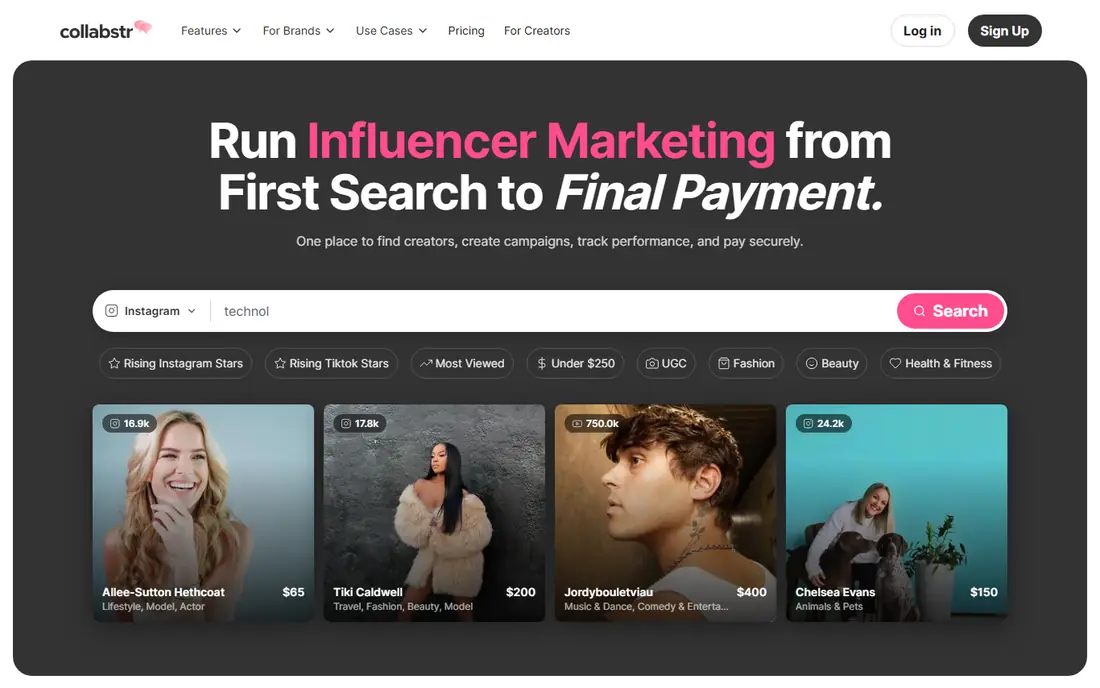
Collabstr works like a searchable directory where creators list their services and prices, and brands book them directly. That control appeals to creators who already know their rate and want to stop negotiating from scratch on every brief. A clear rate card, with video types and usage terms spelled out, helps brands decide quickly.
The catch is visibility. A profile with no examples or reviews will struggle next to established creators, so new users should upload strong sample videos first. Fees on the brand side can also shape booking behavior, so keep your rate card simple and your delivery terms clear.
- Creators set their own rate cards
- Brands can book directly
- Escrow style payment handling on bookings
- Brand side fees and plan costs can affect how often brands book
- Competition is high in popular niches
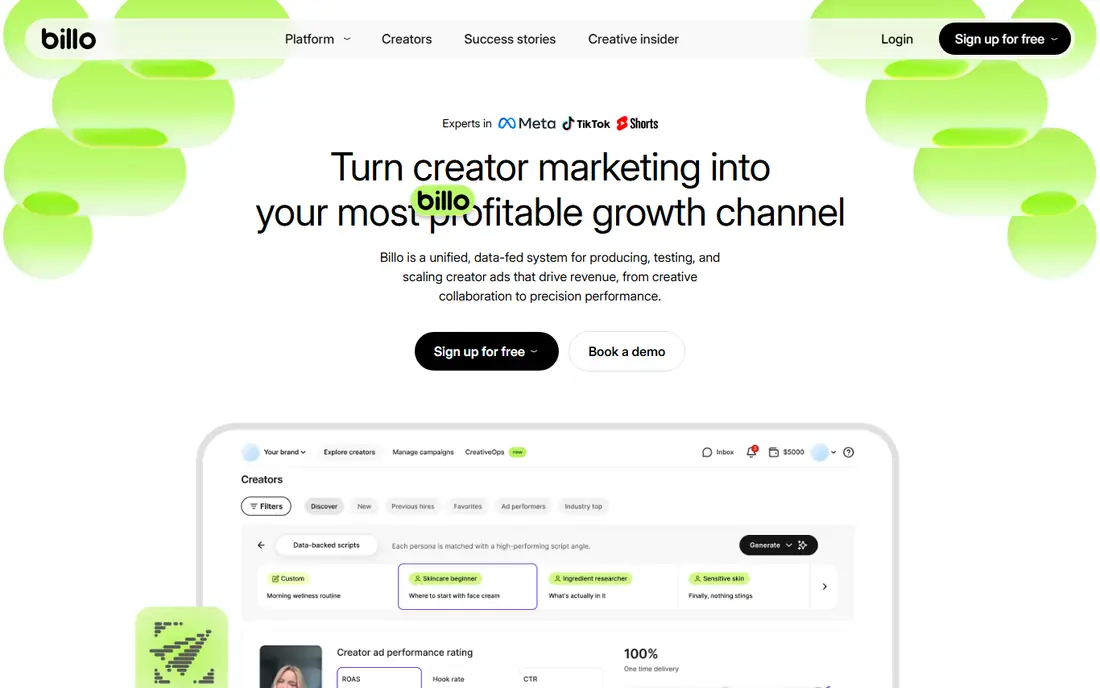
Billo focuses on short product videos for ecommerce brands, such as unboxings, demos, and testimonial style clips. Creators apply to briefs that fit their style, film the video, and submit it through the platform for review. That steady flow of briefs makes it a useful training ground for creators building a reel.
Pay varies by brief and usage rights, and early work often pays less than work from vetted platforms. Treat Billo as a volume and portfolio builder first, and raise your rates as your examples and reviews grow. Read each brief for revision limits, since extra revisions can eat into your time fast.
- Regular briefs from product brands
- Videos often start around $99 to the brand
- Payment handling through the platform
- Briefs can be competitive
- Rates for new creators tend to sit at the lower end
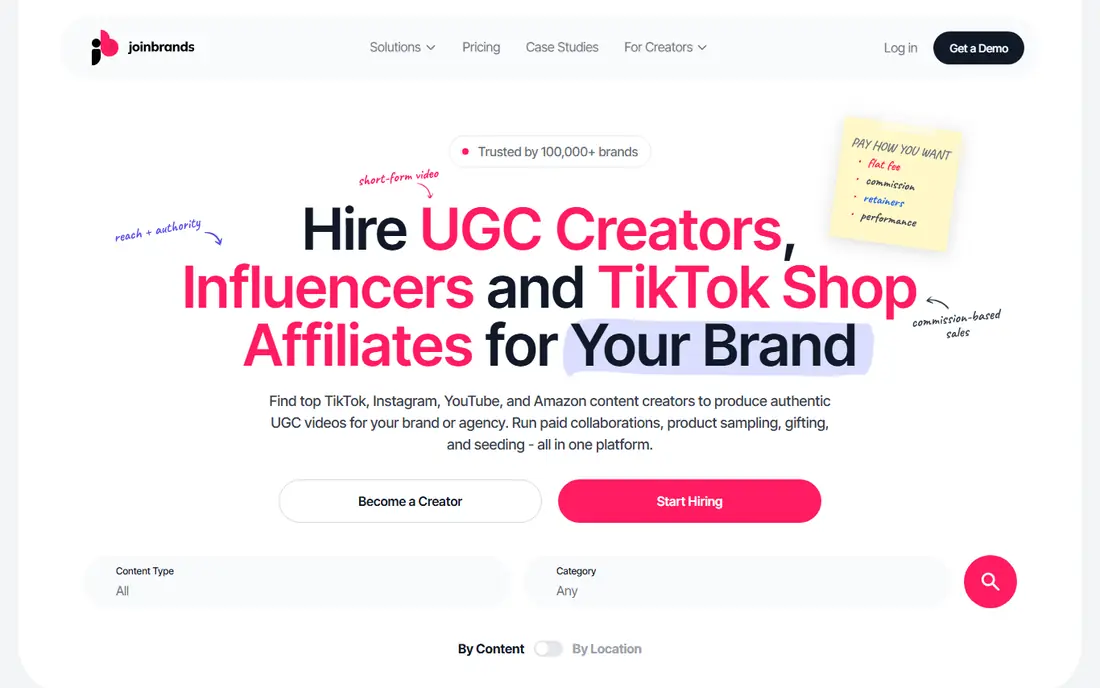
JoinBrands is an open marketplace where creators apply to brand campaigns and deliver short videos, often for TikTok and Instagram. The volume is the draw, since new creators can apply to many briefs and build completed work quickly. That pace helps if you need examples in several product types.
The downside is price pressure. Many briefs pay at the lower end, and fees can reduce the final amount, so check the fee terms for each campaign. Use JoinBrands to build proof and speed, then move some of your effort to higher paying platforms once your portfolio supports higher rates.
- Free tier for creators
- Many briefs across product types
- Quick application process
- Lower pay per video on many briefs
- Platform fees apply on some plans
Insense connects creators with brands that plan to run UGC as paid ads, which often means clearer briefs and a focus on performance style content. Creators apply to briefs, and the platform handles messaging, delivery, and payment steps. That structure suits creators who are comfortable filming ad style hooks, demos, and calls to action.
New creators may find it harder to win briefs here than on open marketplaces, since brands often favor proven ad performers. Build a small set of ad style examples before applying, and tailor each application to the product, not just your general reel. Check usage terms carefully, since paid ad rights are a key part of the price.
- Briefs built around paid advertising
- Ad usage rights are central to the brief
- Creators apply to brands directly
- Brands pay a subscription plus fees, which can limit small brand briefs
- Competition from experienced creators is strong
Trend, formerly Trend.io, runs a curated marketplace where creators pass a vetting step before they can take briefs. Brands buy credit packs and commission videos from the vetted pool, which tends to produce higher quality briefs and steadier rates than fully open platforms. For creators with a solid portfolio, that curation is a plus.
The trade off is access. If your portfolio is thin, you may need to build examples elsewhere first. Trend also suits creators who prefer fewer, better briefs over constant applications. Keep your profile current, since brands in a small pool compare creators closely.
- Vetted creator pool
- Credit pack model for brands
- Videos often include ad usage rights
- Vetting means not every applicant is accepted
- Brief volume can be lower than open marketplaces
Ainfluencer is a free marketplace where creators browse campaigns and apply, with funds held in escrow until the deliverable is approved. That payment protection matters for new creators who worry about chasing payment after delivery. Payouts go through PayPal or Stripe on set dates, so plan cash flow around that schedule.
The commission, reported at around 20 percent on completed deals, is higher than some rivals, so factor it into your rate. Even so, a free start with escrow safety makes it a low risk first platform. Read each campaign for usage rights and revision terms, since those details decide whether a brief is worth the fee.
- Free to join for creators
- Escrow payment protection on campaigns
- Covers Instagram, TikTok, and YouTube work
- Platform takes a commission from creator payouts
- Campaign quality varies by brand
Fiverr is not a UGC only platform, but many creators run UGC gigs there with full control over price, packages, and extras. You write the listing, set usage rights as add ons, and buyers order when they find you. That ownership appeals to creators who want inbound work instead of applying to briefs all day.
The fee is the main drawback, at 20 percent of each order, and new gigs face strong competition. Success here depends on a clear gig title, strong sample videos, and fast, polite communication. Price your base gig to cover the fee, and use extras for added usage rights, extra hooks, or faster delivery.
- You set your gig, price, and delivery terms
- Inbound orders once your gig ranks
- Wide buyer traffic
- Platform fee of 20 percent on orders
- New gigs take time to gain visibility
Upwork suits creators who want ongoing client relationships rather than one off video orders. Brands post jobs for UGC, social content, and video editing, and creators submit proposals with a rate and relevant examples. Repeat work with a good client can become steadier income than chasing single briefs.
Proposals cost time and connects, and the service fee reduces take home pay, especially on early work with a client. Even so, Upwork rewards creators who write specific proposals, show relevant samples, and deliver on time. It works best alongside a UGC marketplace, not as a replacement for one.
- Longer contracts and repeat clients are common
- You set your hourly or project rate
- Escrow payment protection
- Service fee applies to earnings
- Proposals take time and competition is broad
How we picked these
We compared official platform pages, pricing and fee pages, and creator facing guides for each service, and we checked that each platform still accepts creators and lists UGC or creator briefs in October 2026. We included open marketplaces, vetted platforms, and general freelance sites, so creators at different stages can see the real trade off between access, pay, and fees. Fees and pay ranges change, so confirm the current terms on the platform before you accept work.
How to choose a UGC platform as a creator
Start with your current portfolio, not with the platform that pays the most on paper. A high paying vetted platform is no help if you cannot get accepted yet, and a low paying open platform is no help if it fills your week with unprofitable work.
Build proof before chasing rates
Film three to five strong sample videos in product types you want to work in, even if you film with products you already own. A short, clean demo with a clear hook beats a long reel with no structure. Use those samples on every platform, and update them as your paid work improves.
Price for fees and usage rights
Work out your real rate after the platform fee, then add a charge for paid ad usage, exclusivity, and extra revisions. A video used in paid ads for a year is worth more than a video used once on organic social. Put those terms in writing on every brief, even when the platform handles the contract.
Manage your time across platforms
Applying to briefs can eat a whole day if you let it. Set a daily limit for applications, keep a simple tracker for briefs, deadlines, and payments, and drop platforms that consistently produce low pay for high revision work. Two platforms that pay fairly beat five that do not.
Frequently asked questions
What are the best UGC platforms for creators?
Collabstr, Billo, JoinBrands, Insense, and Trend are among the best UGC platforms for creators, each with a different balance of access, pay, and fees. Collabstr suits rate setting, Billo and JoinBrands suit volume, and Insense and Trend suit ad focused work. Most creators use two or three platforms at once to keep briefs flowing.
What are the best apps for UGC creators starting out?
JoinBrands, Billo, and Ainfluencer are good starting apps for UGC creators, since they are free to join and offer regular briefs to apply for. New creators should focus on building samples and completed work first, rather than chasing the highest paying briefs. A small portfolio of strong videos opens better platforms later.
How much do UGC creators get paid per video?
Pay varies widely by platform, product, and usage rights, with many marketplace videos paying in a broad range from low double figures to several hundred dollars. Paid ad usage, exclusivity, and revision terms push the price up, while simple organic videos pay less. Always confirm the fee, usage period, and revision limit before you accept a brief.
Do UGC creators need a large following?
No, UGC creators do not need a large following, since brands pay for the content itself rather than for posting to a personal audience. Many UGC briefs never appear on the creator feed at all, and brands use the video in their own ads. A strong sample reel matters far more than a follower count for this kind of work.
What is the best platform for UGC creators who want to set their own price?
Collabstr is the best platform for creators who want to set their own price, since creators publish rate cards that brands can book directly. Fiverr and Upwork also let creators set their own rates through gigs and proposals. Whichever route you pick, spell out usage rights and revision limits in your rate, so the price covers the full job.
Sources we checked (8)

Online Jobs is an independent blog about careers, online work, learning new skills and the tools that help people earn. More about us.
Keep reading
All posts
eBay Alternatives
Looking for ebay alternatives? We compared 9 marketplaces for sellers on fees, buyer reach, categories and ease of listing, to help you sell with confidence.

ZoomInfo Alternatives
The best ZoomInfo alternatives in 2026, compared on price, free plans, data coverage, and which tool fits small teams or large sales teams best in detail.
Zoom Alternatives
Zoom alternatives compared for 2026: Google Meet, Microsoft Teams, Webex, Jitsi and more for free calls, large meetings and webinars for teams and classrooms.