Best Tools for SEO for Retail in 2026: 8 Tools Compared

How we put this together: we compare official feature and pricing pages, app store listings, privacy policies and public user reviews. Prices change, so check the provider's site before you pay.
Key takeaways
- Semrush suits retail teams that need keyword, competitor, PPC, and AI visibility work in one subscription.
- Ahrefs suits retail teams that prize backlink data and competitor teardown for category and product pages.
- Google Search Console is free and essential for every store, since it shows real clicks and queries for your own site.
- Local and multi-location retailers need local rank tracking and listing tools beside a general SEO suite.
- Technical audits matter for large catalogs, so pair a suite with a crawler such as Screaming Frog if your catalog is large.
Quick comparison
| Name | Who it suits | Starting price | Free option | |
|---|---|---|---|---|
 Semrush | All-in-one retail SEO and PPC | $139 per month | Free trial | Visit |
 Ahrefs | Backlink and competitor research | $129 per month | Free trial | Visit |
 Moz Pro | Fundamentals and authority metrics | $49 per month | Free trial | Visit |
 Google Search Console | Real search data for your site | Free | Yes | Visit |
 SE Ranking | Rank tracking and client reports | See website | Free trial | Visit |
 Mangools | Simple keyword research | See website | Free trial | Visit |
 Surfer SEO | On-page content optimization | See website | Free trial | Visit |
 Screaming Frog | Technical site crawls | See website | Yes | Visit |
The best tools for SEO for retail
Retail SEO covers product pages, category pages, local store pages, and content that answers shopping questions, and a tool that only tracks ten keywords will not cover a catalog of thousands of products. The tools below cover all-in-one research, backlinks, local tracking, content optimization, and technical audits, so a retail team can build a stack that fits store count and catalog size.
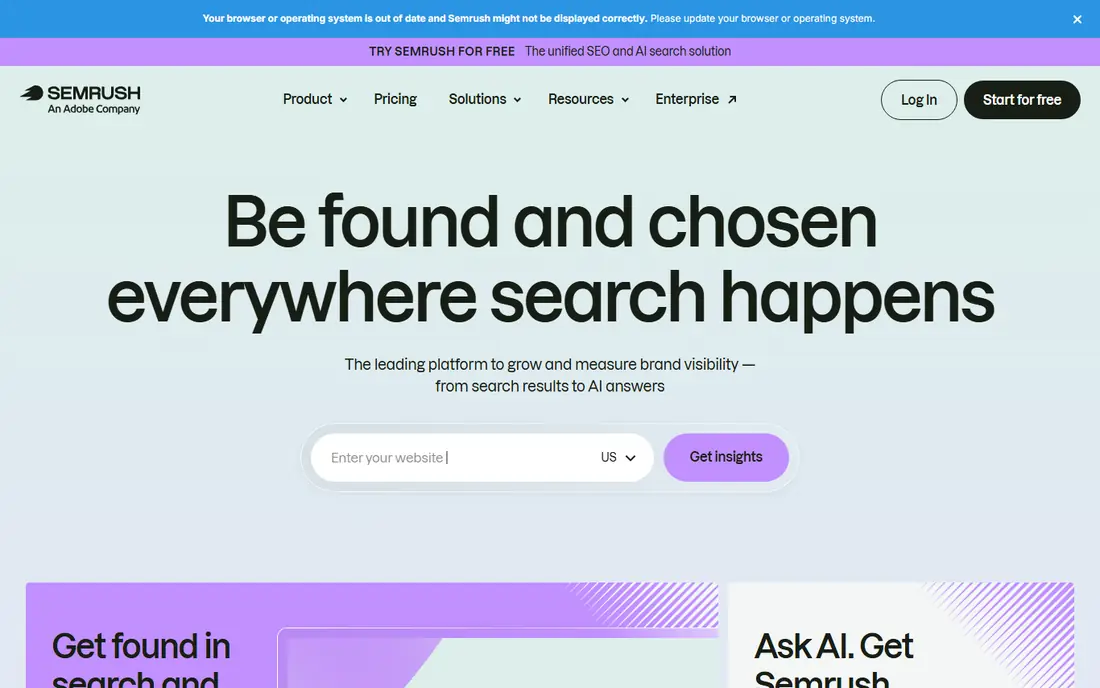
Semrush is the all-in-one pick for retail teams that run SEO, content, and paid search together. Keyword research, site audits, rank tracking, backlink analysis, competitor PPC data, and content tools live in one subscription, which helps a retail team compare organic and paid performance for the same category. Newer plans add AI search visibility tracking, which matters as shoppers ask AI tools for product recommendations.
The entry SEO plan starts at $139 per month, with limits on projects and tracked keywords that can push a multi-store retailer to a higher tier. A single small store that only tracks one site and researches keywords weekly may use only part of the platform. Choose Semrush if SEO, content, and PPC sit in one team. Choose a cheaper keyword and rank tool if you only need core SEO for one store.
- Keyword, audit, rank tracking, backlink, and PPC data in one login
- AI visibility tracking on newer plans
- Strong competitor research
- Entry plan limits projects and keywords
- $139 per month is steep for a single small store
- Learning curve for new users
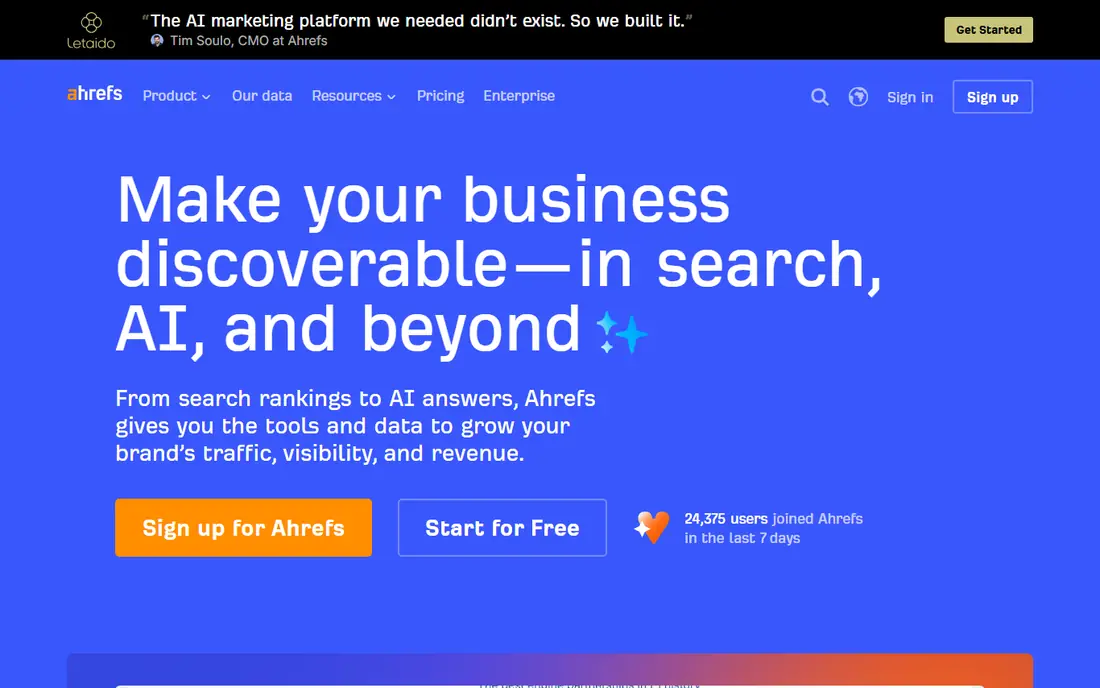
Ahrefs suits retail teams that compete on category pages and need to understand why a rival ranks higher. Its backlink index is deep, competitor teardown shows which pages and links drive a rival category, and keyword research helps a team find product and buying-guide terms that convert. Ahrefs Webmaster Tools gives free basic data for your own verified site, which helps a small store start without a paid plan.
The Lite plan starts at $129 per month, with usage limits and rank update frequency that matter for large catalogs. Teams that track many keywords daily, or that need frequent rank checks for local stores, should check the plan limits before committing. Pick Ahrefs if backlinks and competitor insight drive your retail strategy. Pick Semrush if you want PPC and AI visibility in the same login.
- Deep backlink index and competitor analysis
- Strong keyword and content research
- Webmaster Tools for your own site
- Lite plan limits and credits
- Weekly rank updates on some plans
- Higher cost for full agency use
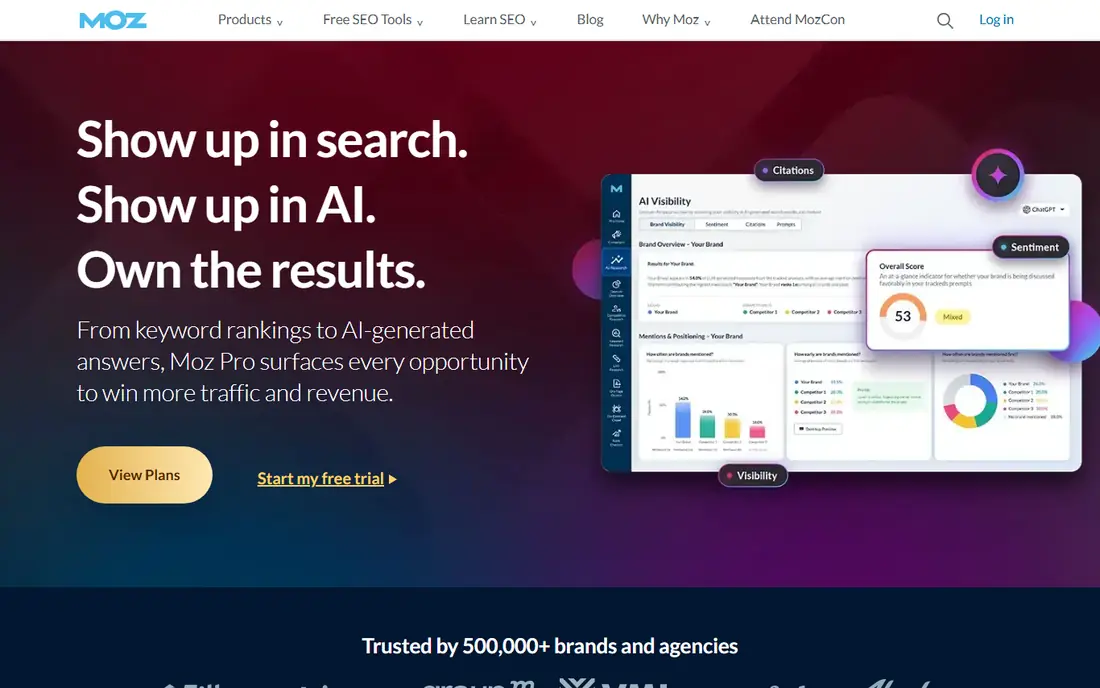
Moz Pro suits small retail teams that want solid SEO fundamentals without a steep learning curve. Reports are readable, Domain Authority gives a simple way to compare a store site with rivals, and rank tracking, site audits, and keyword research cover the core jobs. Local SEO tools help single stores and small chains manage listings and local rankings, which matters when shoppers search for a store near them.
The trade is depth. The link index is smaller than Ahrefs, lower tiers limit campaigns and keywords, and AI visibility features are thinner than Semrush. Entry pricing near $49 per month for a starter plan makes Moz Pro accessible, but check which plan your store count needs. Choose Moz Pro if clear reports and local tools matter most. Choose Ahrefs or Semrush if deep backlink or AI data drives decisions.
- Clear reports for small teams
- Domain Authority and link metrics
- Local SEO tools for stores
- Smaller link index than Ahrefs
- Lower-tier campaign and keyword limits
- Less depth on AI visibility
Google Search Console is free and non-negotiable for every retail site, paid tool or not. It shows the real queries, clicks, and impressions your own pages receive from Google, plus indexing coverage, page experience, and structured data issues that paid tools can only estimate. A retail team that ignores it is guessing about which product pages actually earn traffic.
The limits are scope and timing. Search Console covers Google only, gives no competitor keyword or backlink data, and large sites may see sampled or delayed reports. It also does not replace rank tracking across locations, since its data is aggregated differently. Use Search Console beside a paid suite, not instead of one, and connect it to Semrush or Ahrefs where those tools allow it, so real and estimated data sit side by side.
- Free first-party clicks, impressions, and queries
- Indexing and page experience reports
- Essential for every store site
- Google data only
- No competitor data
- Sampled and time-lagged reports for large sites
SE Ranking suits retail agencies and multi-store teams that live on rank tracking and client reports. Daily rank checks, including local rankings, help a team spot a category drop quickly, and white-label reports make it easy to share progress with store owners or franchisees. Site audits, keyword research, and backlink checks round out a suite that costs less than the largest all-in-one tools for many agencies.
The catch is plan comparison. Pricing varies by billing term and tracked keyword allowance, and PPC research is limited compared with Semrush, so teams that run paid search beside SEO may still need another tool. AI search tracking also varies by plan, so check the current tier before you buy for AI visibility. Pick SE Ranking if rank tracking and reporting drive the job. Pick Semrush if PPC depth matters as much as SEO.
- Daily rank tracking
- Agency-friendly reports and white-label options
- Site audit and keyword tools in one suite
- Pricing and plan limits vary by billing term
- PPC research is limited
- AI toolkit depth varies by plan
Mangools suits a small retailer, blogger, or solo marketer who wants keyword research without a complex suite. KWFinder makes it easy to find long-tail product and category terms with difficulty scores, SERPWatcher tracks rankings in a clean view, and the interface is far easier to learn than Semrush or Ahrefs. For a single store that needs keyword ideas and weekly rank checks, that simplicity is a strength.
The limits are audit depth and scale. Technical site audits are basic, tracking frequency on lower tiers is lower, and the data depth is smaller than the largest suites. A large catalog with thousands of product pages will need a dedicated crawler beside Mangools. Choose Mangools if simple keyword research and rank tracking cover your retail SEO. Choose a full suite if technical audits and competitor PPC data are daily needs.
- Easy keyword research with KWFinder
- Simple rank tracking with SERPWatcher
- Friendly interface for small teams
- Technical auditing is limited
- Lower-tier tracking frequency
- Smaller data depth than large suites
Surfer SEO helps retail teams write product descriptions, category introductions, and buying guides that match what ranks. Its content editor compares a draft with top-ranking pages and gives guidance on terms, headings, structure, and length, which helps a team that knows its products but struggles to structure content for search. AI writing help on higher tiers can draft outlines and sections, though human editing remains essential for product accuracy.
Surfer is not a full suite. It does not replace keyword research, backlink analysis, or technical audits, so it works best paired with Semrush, Ahrefs, or Search Console. Credit-based limits on some plans also need checking if your team publishes many pages each month. Pick Surfer if content optimization is your bottleneck. Pick a suite first if you have no keyword or audit tool yet.
- Content editor scores pages against top results
- Clear on-page guidance for product and guide pages
- AI writing help on higher tiers
- Not a full SEO suite on its own
- Credit-based features on some plans
- Needs keyword research from another tool for best results
Screaming Frog is the technical half of a retail SEO stack. It crawls a site like a search engine, finding broken links, redirect chains, duplicate product pages, missing titles, thin content, and structured data errors that hurt large catalogs. The free version crawls up to 500 URLs, which suits a small store, while the paid license handles large catalogs and scheduled crawls.
The tool is desktop software, so it runs on your machine rather than in the cloud, and the output assumes technical knowledge to prioritize fixes. A retail team without a developer or technical SEO will need help turning crawl results into fixes. Choose Screaming Frog if your catalog is large or your site has technical issues. Choose a cloud suite alone if your catalog is small and technical issues are rare.
- Deep technical crawls for large catalogs
- Free version to 500 URLs
- Detailed redirect, duplicate, and structured data checks
- Desktop software, not cloud
- Paid license is yearly
- Results need technical skill to act on
How we picked these
We compared official pricing pages, feature documentation, and recent vendor comparisons for keyword research, rank tracking, backlink data, local SEO, content optimization, and technical audits, and we kept only tools still sold and supported in October 2026. We favored tools that cover a distinct retail need, from free first-party data to technical crawling, and we wrote See website where pricing varies by plan or billing term, rather than repeating a single outdated figure. Retail fit, not general SEO fame, drove the list, so local and catalog issues weighed heavily.
How to build a retail SEO stack
A single tool rarely covers a store, a chain, and a large catalog, so build in layers and avoid paying twice for the same data.
Start with free data, then add one suite
Connect Google Search Console on day one, since it is free and shows real performance for your own pages. Add one all-in-one suite, such as Semrush or Ahrefs, for keyword research, competitor insight, and audits, and use it as the main source for planning.
Add local tracking for stores
If you run physical stores, add local rank tracking and listing management, either inside your suite or with a local tool, and track rankings by store location, not just nationally. A category that ranks well nationally can still lose local shoppers to a rival store nearby.
Fix technical issues before you scale content
Run a technical crawl with Screaming Frog or your suite audit, fix broken links, duplicate product pages, and indexing issues, and check page speed on product and category templates. Publishing more content on a site with crawl problems wastes effort, since search engines may not index the new pages cleanly.
Measure product and category results, not just traffic
Track rankings, clicks, and sales for product and category pages, not just total site traffic, and compare organic performance with paid search for the same categories. A keyword that brings traffic but no sales may need a better product page, not more content, and a category that converts well deserves more internal links and content support.
Frequently asked questions
What is the best SEO tool for retail?
Semrush is the best all-in-one pick for retail teams that run SEO, content, and PPC together, while Ahrefs leads for backlink and competitor research. Google Search Console is essential for every store beside a paid suite, since it shows real clicks and queries for your own site.
What is the best SEO platform for retail stores with multiple locations?
SE Ranking and Moz Pro both offer local tracking and reporting that suit multi-location retailers, with SE Ranking leading for agency-style reports and Moz Pro leading for simple local tools. Track rankings by store location, and manage listings for each store beside national keyword tracking.
Is Google Search Console enough for retail SEO?
No, Search Console is essential but not enough on its own, since it shows only your own Google data and no competitor insight. Pair it with a paid suite for keyword research, backlink data, and rank tracking, and add a crawler for large catalogs.
How much do retail SEO tools cost per month?
Entry prices in this guide start at free for Google Search Console, near $49 per month for Moz Pro, $129 per month for Ahrefs, and $139 per month for Semrush, with other tools quote-based or varying by plan. Total cost depends on projects, tracked keywords, locations, and users, so check plan limits for your catalog and store count.
What is the best rated SEO tool for retail?
Semrush and Ahrefs are the most widely rated all-in-one tools for retail, with Semrush rated for breadth across SEO and PPC, and Ahrefs rated for backlink depth. The best rated tool for your store depends on whether breadth, backlink data, local tracking, or technical audits matter most.
Do retail SEO tools help with AI search?
Newer Semrush plans and SE Ranking AI toolkits add AI visibility tracking, showing how a brand appears in AI answers, but coverage and depth vary by plan. Check AI tracking on your current tier, and pair it with strong product and guide content, since AI answers draw on pages that already rank and explain products clearly.
Sources we checked (8)

Online Jobs is an independent blog about careers, online work, learning new skills and the tools that help people earn. More about us.
Keep reading
All posts
n8n Alternatives
n8n alternatives compared for 2026, with Zapier, Make, Activepieces, and more, covering visual builders, code steps, self-hosting, and pricing models.

ZoomInfo Alternatives
The best ZoomInfo alternatives in 2026, compared on price, free plans, data coverage, and which tool fits small teams or large sales teams best in detail.
Yotpo Alternatives
Find cheaper alternatives to Yotpo for reviews and loyalty, with Judge.me, Loox, Stamped, and more compared for Shopify stores in 2026, all in one guide.