Best Tools for AI Mode in 2026: 9 Tools Compared


First-party AI Mode impressions · Starting price: Free
How we put this together: we compare official feature and pricing pages, app store listings, privacy policies and public user reviews. Prices change, so check the provider's site before you pay.
Key takeaways
- Google Search Console is the only free first-party source for AI Mode and AI Overview impressions, so start there before paying for anything.
- Dedicated AI visibility tools track prompts, mentions, and citations across AI Mode, ChatGPT, Perplexity, and other answer engines.
- Semrush and Ahrefs suit teams that already use those suites, while Peec AI and Otterly suit teams that want a dedicated prompt tracker.
- Prompt limits matter more than feature lists: check how many prompts you can track before you choose.
- AI Mode data is still newer and less complete than classic search data, so treat early figures as direction, not exact measurement.
Quick comparison
| Name | Who it suits | Starting price | Free option | |
|---|---|---|---|---|
| Google Search Console | First-party AI Mode impressions | Free | Yes | Visit |
 Semrush AI Visibility Toolkit | AI plus classic SEO in one suite | $99 per month | Free trial | Visit |
 Ahrefs Brand Radar | Prompt-scale brand research | See website | Free trial | Visit |
 Peec AI | AI Mode citation monitoring | $95 per month | Free trial | Visit |
 Otterly | Low-cost daily prompt tracking | $29 per month | Free trial | Visit |
 Profound | Enterprise AI visibility analytics | See website | Free trial | Visit |
 Writesonic | AI visibility plus content optimisation | $99 per month | Free trial | Visit |
 Surfer AI Tracker | Content teams tracking AI answers | $95 per month | Free trial | Visit |
 SE Ranking | SEO suite with AI visibility | $119 per month | Free trial | Visit |
The best tools for AI Mode
Google AI Mode changes how people find answers: instead of a list of links, users get a generated answer with citations. The tools below help you see whether your brand appears in those answers, which pages get cited, and how competitors compare. They are not classic rank trackers, and they should not be judged as if they were.
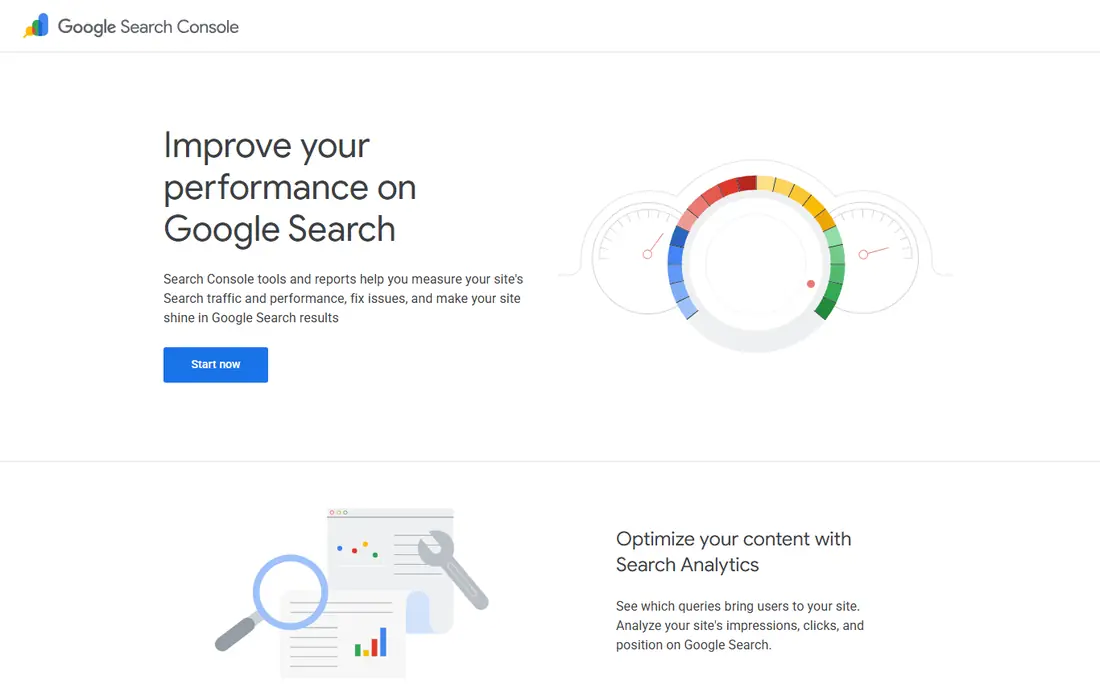
Search Console is the ground truth for AI Mode, because the data comes from Google itself. Its generative AI reports show impressions from AI Overviews and AI Mode, along with the pages Google cited or linked. You can break that down by page, country, date, and device, which makes it possible to see which content actually surfaces in AI answers.
The limit is what it does not show. You will not see the full text of AI answers, competitor mentions, or a complete click picture for AI Mode traffic. For those questions you need a third-party tracker. Still, no paid tool should replace Search Console as the first check, because it is free, direct, and tied to your own verified property.
- Direct Google data on AI impressions and cited pages
- Free for verified sites
- Breakdowns by page, country, and device
- Shows impressions only, not full answers or clicks in AI Mode
- No competitor data
- Reports are newer and less detailed than classic search reports
Semrush AI Visibility Toolkit
Who it suits: AI plus classic SEO in one suite
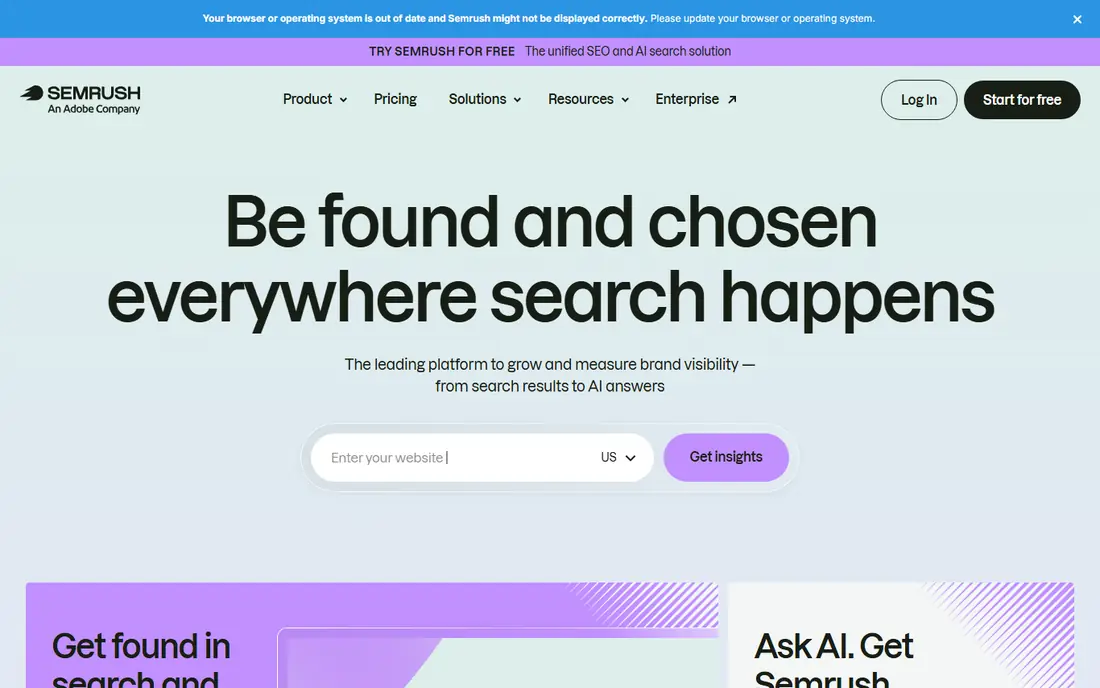
Semrush bundles its AI Visibility Toolkit with its SEO toolkit, which suits teams that already track rankings, backlinks, and site health in Semrush. You can follow brand mentions, cited pages, sentiment, and competitor benchmarks across AI Mode and other answer engines, without learning a separate platform. Its site audit also flags AI crawlers that are blocked, which is a practical check many teams miss.
The catch is depth at the entry level. Prompt limits are modest on the starting plan, and some reports cover different engines, so you need to check which engines each report actually tracks. If your team already pays for Semrush, adding AI visibility here is the simplest path. If you only need AI tracking, a dedicated tool may give more prompts for the money.
- Tracks mentions and citations across AI Mode, ChatGPT, Perplexity, and Gemini
- Combines with classic SEO reports
- Weekly brand performance updates
- AI coverage varies by report
- Entry prompt limits are modest
- Full value needs a wider Semrush subscription
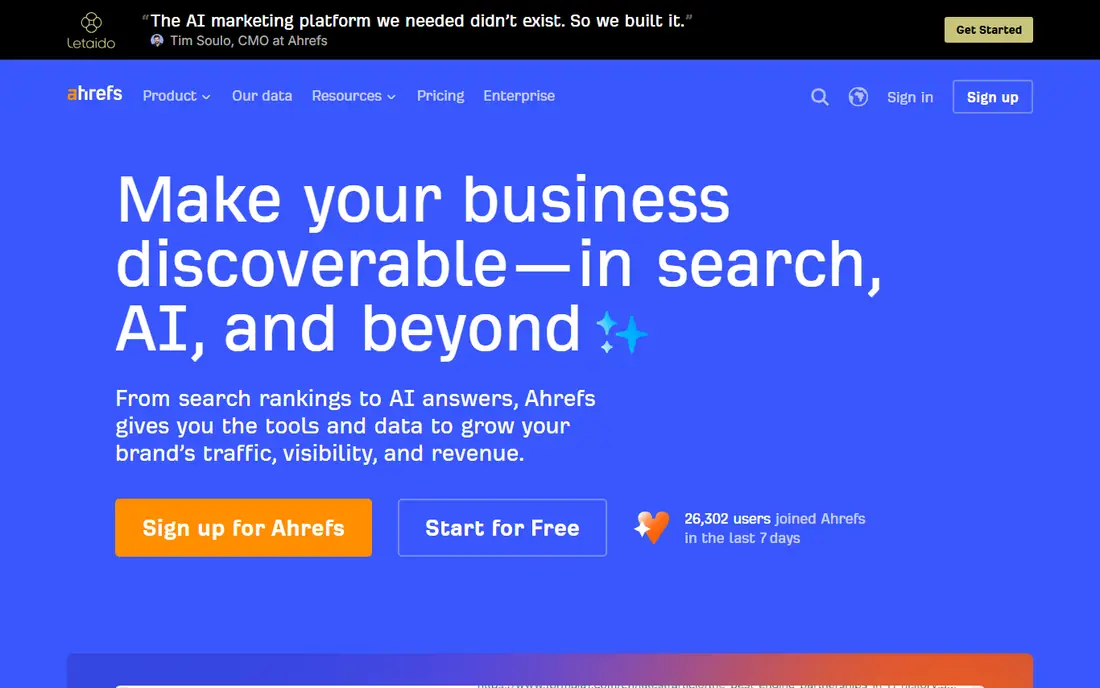
Ahrefs Brand Radar is aimed at teams that want AI visibility research at scale, with mentions, citations, AI share of voice, and competitor comparisons across AI Mode and other platforms. Because it sits inside Ahrefs, you can also check the backlink and authority context behind the pages that get cited, which helps explain why one source wins citations and another does not.
The downside is access. Brand Radar is not a cheap standalone add-on for a solo site owner, and its pricing depends on the wider Ahrefs plan. Smaller teams should check the current price and prompt limits before assuming it fits. For a team already deep in Ahrefs, it is a natural extension; for a team starting fresh, a cheaper dedicated tracker may be wiser.
- Large-scale prompt tracking across AI platforms including AI Mode
- Citation and share-of-voice analysis
- Strong backlink context from Ahrefs data
- Pricing is not a simple entry figure
- Best suited to larger teams
- Learning curve for new Ahrefs users
Peec AI is a dedicated AI search monitoring tool, and that focus shows in its reports. It tracks brand mentions, citation frequency, and the sources AI answers rely on, across AI Mode and other major answer engines. Its content gap work points to topics where competitors get cited and your brand does not, which gives a content team a concrete list to work from.
Entry pricing starts around $95 per month in published comparisons, though you should confirm the current US price on the vendor site, since some pages show euros. The entry plan also limits how many models you can track at once. For a marketing team that wants regular AI Mode reporting without a full SEO suite, Peec AI is a strong, focused pick.
- Tracks AI Mode plus ChatGPT, Perplexity, Gemini, and Copilot
- Citation and source analysis
- Content gap detection for missed topics
- Entry plan limits model choice
- Pricing in euros on some pages can confuse US buyers
- Smaller teams may not need its full depth
Otterly suits freelancers, small agencies, and small brands that need daily AI Mode monitoring without an enterprise budget. At $29 per month for the entry plan, it is the cheapest paid option here, and it tracks a defined prompt set across Google AI Mode and AI Overviews plus other AI search engines. Daily updates and weekly reporting make it easy to spot when a brand appears, disappears, or loses citations.
The entry prompt limit is the main constraint: the Lite plan covers a small set of prompts, so a brand with many products or topics will need a higher tier or a tighter prompt list. Some engines are also add-ons rather than included. If you can define a focused prompt set, Otterly gives good value; if you need hundreds of prompts, price a higher tier first.
- Lowest entry price in this list
- Daily prompt monitoring across AI Mode and other engines
- Clear reports for agencies and small teams
- Entry plan covers a small prompt set
- Some engines are add-ons
- Less content optimisation depth than Writesonic or Surfer
Profound is built for larger brands and enterprises that need AI visibility analytics across many engines, including AI Mode, ChatGPT, Perplexity, and Gemini. Its reporting is deeper than a small tracker, and it adds AI content automation for teams that want to act on findings at scale. For a brand where AI answers now shape reputation and demand, that depth can justify the cost.
For a small site, Profound is likely more than needed. Pricing is not a simple published entry figure, and the platform suits a team with someone to own it week to week. Shortlist it when AI visibility is a board-level concern or spans many products and markets, and shortlist a cheaper tracker when you only need a prompt list and citation reports.
- Enterprise-grade analytics across many AI engines
- AI content automation features
- Strong reporting for large brands
- Pricing is quote-based for larger plans
- Overkill for a small site
- Setup suits teams with a dedicated owner
Writesonic appeals to content-led teams, because it pairs AI visibility tracking with tools to improve the content that should be cited. You can track mentions and citations across AI Mode and other engines, then work on the pages and topics where your brand is missing. That loop from measurement to action is useful when the same team owns both reporting and publishing.
The price starts around $99 per month for AI visibility in published comparisons, so it is not the cheapest tracker here. A team that only wants monitoring may find a simpler tool better value. A team that will actually use the optimisation workflow, and publish regularly, will get more from Writesonic than from a tracker alone.
- Combines AI visibility tracking with content optimisation workflows
- Tracks AI Mode, ChatGPT, Perplexity, and Gemini
- Citation analysis included
- Entry price is higher than Otterly or Peec AI
- Content features may distract a team that only wants tracking
- Prompt limits apply
Surfer AI Tracker suits content teams that already use Surfer for on-page optimisation. It tracks brand presence in AI answers and connects that data to content scores, so a team can see which pages are cited and which need stronger coverage. Fan-out query data, which shows the related queries an AI system may run behind an answer, adds useful context for planning content.
The starting price is around $95 per month in published comparisons, which puts it above basic trackers. If your team does not use Surfer for content, that premium is harder to justify. If you do, the combined workflow saves switching between a tracker and an optimisation tool, and the content link is a real advantage.
- Links AI tracking to content scores and optimisation
- Covers ChatGPT, Perplexity, Gemini, and other AI platforms
- Fan-out query data included
- Entry price is higher than basic trackers
- Best value for teams already using Surfer
- AI Mode coverage should be confirmed per plan
SE Ranking is a full SEO platform that has added AI visibility tracking, including AI Overviews, AI Mode, ChatGPT, and Gemini coverage in its AI reports. For an agency or SEO team, that matters: rankings, backlinks, site audits, and AI visibility live in one system, and historical trends show whether AI mentions are rising or falling over time.
The trade is price and focus. Full AI visibility use sits in higher tiers, and the suite price starts higher than a dedicated tracker such as Otterly. A team that already uses SE Ranking for SEO will find the AI addition convenient. A team that only needs AI Mode tracking should compare the suite cost against a dedicated tool before paying for features it will not use.
- AI visibility inside a full SEO suite
- Competitor benchmarking and historical trends
- Good fit for agencies managing several sites
- AI features sit in higher tiers for full use
- Entry suite price is higher than dedicated trackers
- Interface covers many tools at once
How we picked these
We compared official feature pages, pricing pages, and published AI Mode coverage for each tool, and checked that each homepage loads and belongs to the product named. We kept tools that explicitly track Google AI Mode or AI Overviews, not generic SEO tools with no AI reporting. We included one free first-party option, suite options, and dedicated trackers, so the list fits different budgets and team sizes. Prices are starting prices where vendors publish them, and we used "See website" where pricing depends on plan or quote. We did not claim hands-on testing we did not do.
Buying guide for AI Mode tools
Start with Search Console, then add one paid tracker that matches your prompt count and budget. Paying for two trackers that report the same prompts rarely helps, while paying for a tracker with too few prompts helps even less.
Define your prompt set first
List the questions customers actually ask about your products, plus brand and competitor prompts, before you compare tools. Count them. A tool with a 15-prompt entry plan fits a small brand with a tight list, while a brand with many products needs a higher tier or a suite plan. This count decides the real price more than the headline plan does.
Check citations, not just mentions
A mention without a citation may not send traffic, while a cited page can. When you trial a tool, check whether it shows cited pages, source types, and competitor citations, not just whether your brand name appeared. That detail turns a vanity report into a content plan.
Treat early AI data as directional
AI Mode reporting is newer than classic search reporting, and engines change how they answer. Compare trends over weeks rather than reacting to a single day, and cross-check big changes in Search Console before changing content strategy on the strength of one tracker alone.
Frequently asked questions
What is the best tool for AI Mode tracking?
Google Search Console is the best free starting point, because its AI reports come from Google itself. For paid tracking, Semrush suits teams already using Semrush, Peec AI suits teams wanting a dedicated AI Mode tracker, and Otterly suits small teams on a tight budget. The best tool depends on your prompt count and whether you also need classic SEO reports.
What is the best AI Mode software for a small business?
Otterly, at $29 per month for its entry plan, is the cheapest paid option in this list and covers daily prompt tracking. Start with Search Console free, define a focused prompt set, and trial Otterly before paying for a larger suite. If your prompt set is large, price the next tier before committing.
How do AI Mode tools track visibility?
They run a set of prompts through AI Mode and other answer engines on a schedule, then record whether your brand is mentioned, which pages are cited, and how competitors compare. Some tools also track sentiment and source types. Results depend on the prompt set you choose, so a tool is only as good as the questions you ask it to track.
Is Google Search Console enough for AI Mode?
For a small site, it may be enough at first. It shows AI impressions and cited pages for your own site at no cost. It does not show competitor mentions, full answer text, or sentiment, so a paid tracker adds value once AI visibility becomes a regular reporting need or a competitive concern.
What is the best software for AI Mode optimisation?
Writesonic and Surfer AI Tracker both link AI visibility data to content optimisation, which helps a publishing team act on findings. Semrush also combines AI tracking with content tools. A tracker alone shows the problem; an optimisation workflow helps fix it, but only if your team will publish the improved content.
Do AI Mode tools also track ChatGPT and Perplexity?
Most dedicated tools in this list track several answer engines, including ChatGPT, Perplexity, Gemini, and Copilot, alongside Google AI Mode and AI Overviews. Coverage varies by plan and report, so check the engine list for the specific plan you intend to buy, rather than assuming every engine is included at every price.
Sources we checked (9)

Online Jobs is an independent blog about careers, online work, learning new skills and the tools that help people earn. More about us.
Keep reading
All posts
Best SEO Reporting Software
Best SEO reporting software compared for 2026: AgencyAnalytics, Semrush, Ahrefs, SE Ranking and more for agencies, clients and in-house teams in the US.
Best Free SEO Tools
Find the best free SEO tools for keyword research, site audits, and rank checks. We compared nine free options, their limits, and who each one suits best.
Best Competitor Analysis Tools
Best competitor analysis tools compared for 2026: Semrush, Ahrefs, Similarweb, SpyFu and more for SEO, PPC, traffic and content research for US teams today.