Best online tools for personal growth in 2026: 9 Apps Compared

How we put this together: we compare official feature and pricing pages, app store listings, privacy policies and public user reviews. Prices change, so check the provider's site before you pay.
Key takeaways
- Notion is our pick for a custom growth system, while Todoist suits people who want tasks and goals out of their head fast.
- Headspace suits structured meditation beginners, Calm suits sleep and evening wind down, and Habitica suits people who stay motivated with game elements.
- Blinkist and Daylio cover learning and mood in minutes a day, which helps when time is short but consistency matters.
- The best tool is the one you will open daily, so start with one habit area, not five apps at once.
Quick comparison
| Name | Who it suits | Starting price | Free option | |
|---|---|---|---|---|
 Notion | Custom goal and planning system | Free | Yes | Visit |
 Todoist | Simple tasks and goals | Free | Yes | Visit |
 Headspace | Structured meditation | $12.99 per month | Free trial | Visit |
 Calm | Sleep and mindfulness | $14.99 per month | Free trial | Visit |
 Habitica | Gamified habits | Free | Yes | Visit |
 Blinkist | Book summaries for learning | See website | Yes | Visit |
 Daylio | Mood tracking without writing | Free | Yes | Visit |
 Forest | Focus without phone distraction | See website | No | Visit |
 Fabulous | Guided daily routines | See website | Yes | Visit |
The best online tools for personal growth
We compared habit tracking, mindfulness, learning, mood, focus, and planning tools to find options that support a realistic daily routine, not just a new year burst of effort.
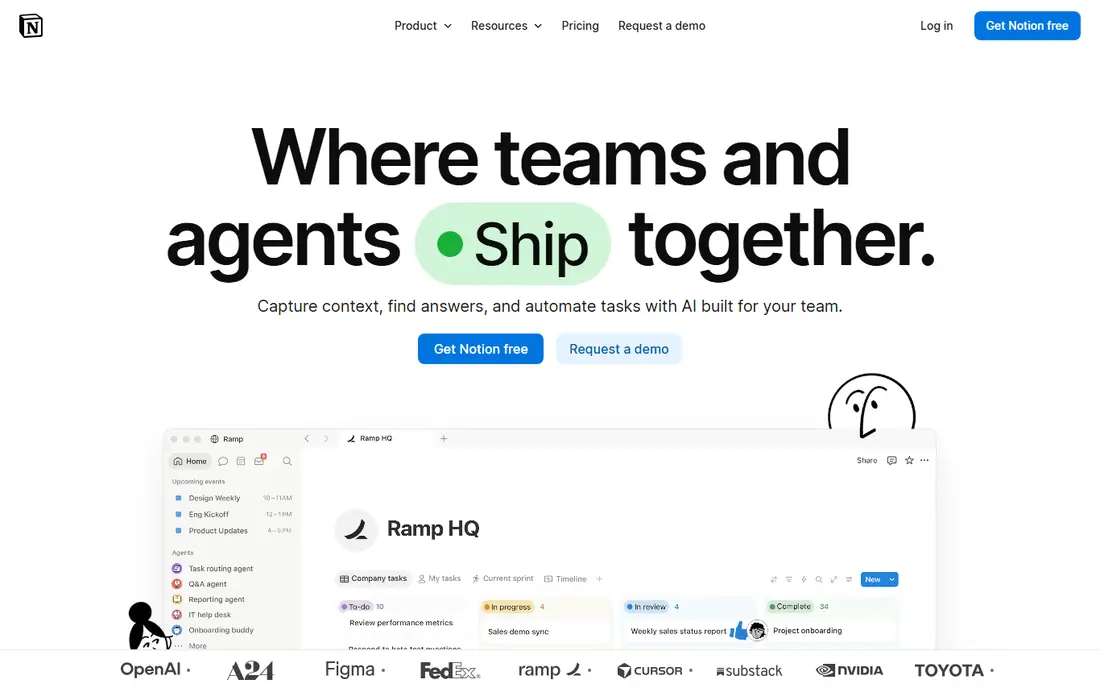
Notion is the most flexible tool here, because you build the system that fits your goals. You can create a goal page, a habit tracker, a reading log, a journal, and a weekly review in one workspace, with templates to start faster. That custom approach suits people who want planning, reflection, and learning in one place, rather than a separate app for each area. Flexibility is also the risk. A Notion setup can become a project in itself, with endless template tweaking replacing the habits it was meant to support. Start with one simple page, such as a weekly goal list and a daily check in, and add complexity only after a month of use. If you want one system you control, Notion is our pick.
- Flexible pages, databases, and templates
- Good free plan for personal use
- Works for goals, journals, and habit trackers
- Setup takes time
- Flexibility can become distraction
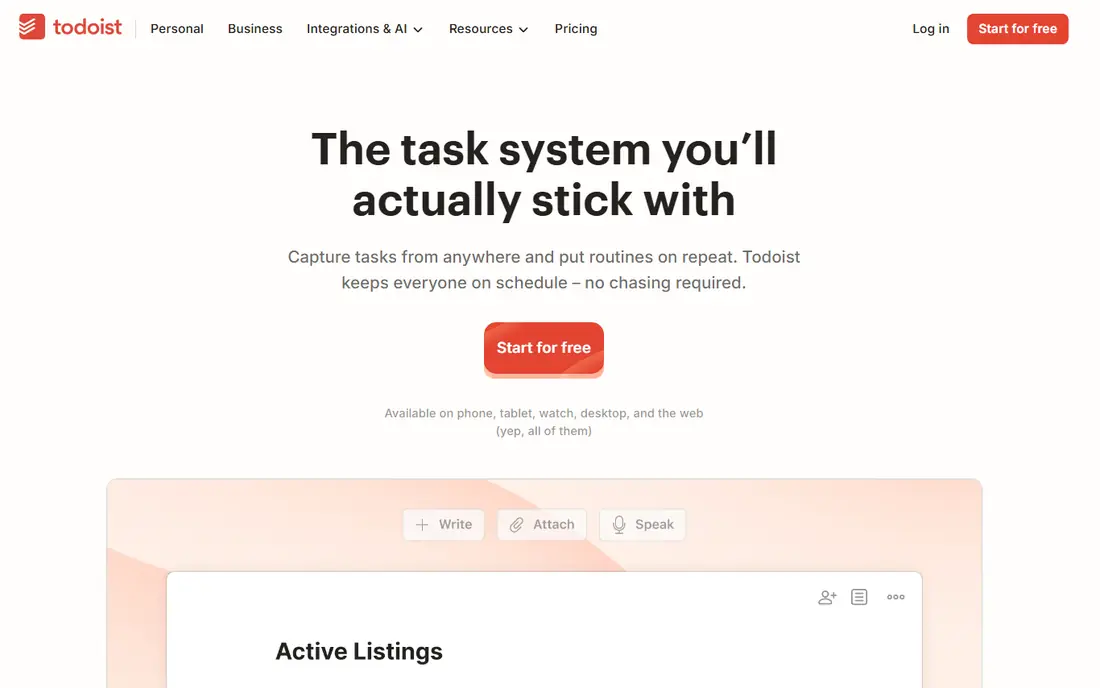
Todoist suits people whose growth stalls because tasks stay in their head. You capture a task in seconds, set a due date and priority, and use recurring tasks for habits like exercise, reading, or language practice. The interface is clean, syncs across devices, and does not ask you to learn a complex system first. Todoist is a task manager, not a dedicated habit or mood app, so streaks, mood trends, and meditation content live elsewhere. Paid plans add reminders, filters, and activity history, but the free tier covers core task work. If your main problem is follow through on clear actions, Todoist is a strong, low friction start.
- Fast task capture
- Recurring tasks and priorities
- Clean interface across devices
- Not a habit tracker by design
- Advanced filters need a paid plan
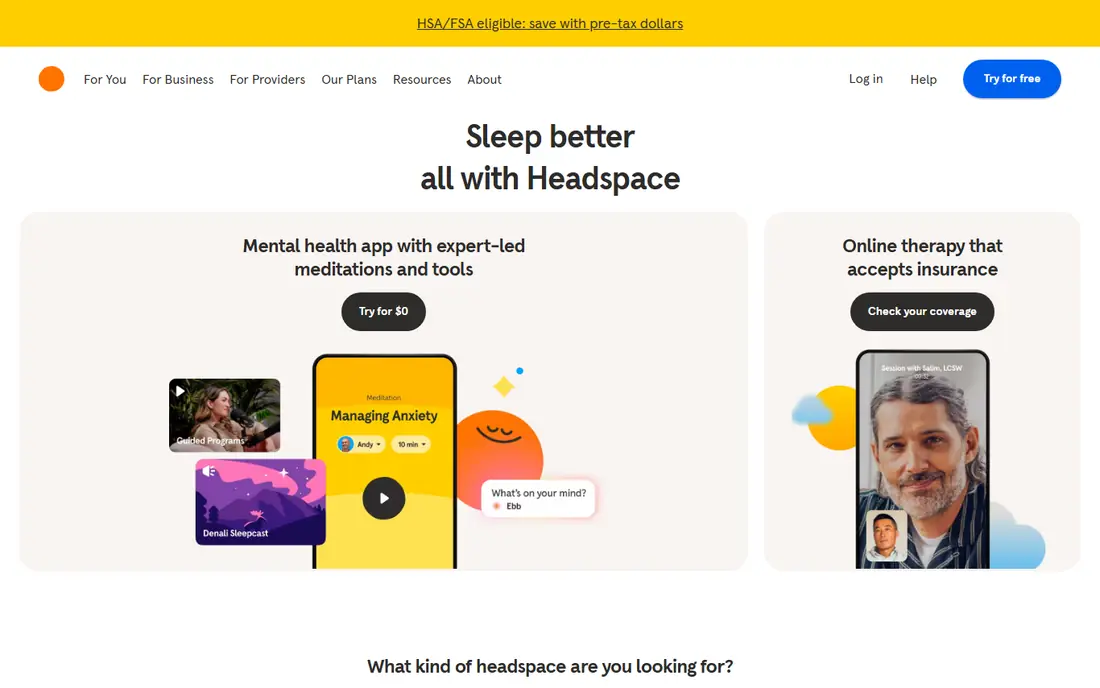
Headspace is built for beginners who want guidance, not just a timer. Its Basics courses teach meditation step by step, with short animations and progressive sessions, and SOS sessions offer three minute help for stressful moments. Sleepcasts, focus music, and mindful movement add variety without leaving the app. Free access is limited, so a trial is the best way to judge whether the teaching style suits you. Annual pricing is lower than monthly, and some employers and health plans cover Headspace, so check benefits before paying full price. If you want a structured path into meditation, Headspace is a clear choice.
- Structured beginner courses
- Short SOS sessions
- Sleep and focus content included
- Free content is limited
- Price is at the premium end for meditation apps
Calm is strongest at night. Its sleep stories, soundscapes, and breathing exercises help many users build an evening wind down routine, which supports sleep quality and next day focus. Daytime meditations, body scans, and music are also included, but sleep is where Calm most clearly leads Headspace. The free trial is short, so use it to test sleep stories and a few meditations before subscribing. Monthly pricing is premium, with annual and lifetime options that change the long term cost. If sleep and evening calm are your main growth goals, Calm is the better pick of the two meditation leaders.
- Large sleep story library
- Breathing exercises and soundscapes
- Good evening wind down content
- Trial is short
- Lifetime plan is expensive
Habitica turns habit tracking into a role playing game. You create habits, daily tasks, and to dos, and completing them earns experience, gold, and items for an avatar. Parties let friends or family hold each other accountable, and challenges add short term goals. For people who lose motivation with plain checklists, that game layer can make daily habits stick. The game elements are not for everyone. Some users find the interface busy, and rewards can distract from the habit itself if you spend more time managing an avatar than doing the task. Core habit tracking is free, with optional subscriptions for gems and group features. If gamification motivates you, Habitica is the most fully featured free habit game available.
- Habits, dailies, and to dos in a game
- Avatar levelling and rewards
- Party and challenge features
- Interface can feel busy
- Some users find game elements distracting over time
Blinkist suits learners who want daily learning in fifteen minutes. It condenses nonfiction books into short text and audio summaries, covering productivity, psychology, business, and health, with curated lists to guide what to read next. That format helps you sample ideas, decide which books deserve a full read, and keep learning on busy days. A summary is not a book. Depth, examples, and nuance are lost, so Blinkist works best as a discovery tool, not as a replacement for reading. A free tier offers one summary a day, while paid plans open the full library and offline access. If you want a daily learning habit without a large time commitment, Blinkist is a practical pick.
- Short summaries of nonfiction books
- Audio and text versions
- Curated lists by topic
- Summaries do not replace full books
- Paid plan needed for full library
Daylio is the lowest friction mood tool here. You tap a mood, add activities, and save an entry in seconds, without writing a journal entry. Over weeks, charts reveal patterns, such as which activities link to better moods, which sleep patterns precede low days, and which routines help most. That data supports reflection without demanding long writing sessions. Insights only appear if you log consistently, and the free tier limits some statistics and exports. Daylio is not therapy, and it does not replace professional support for mental health concerns. If you want to understand your mood patterns with minimal effort, Daylio is a gentle, effective start.
- Mood and activity tracking in seconds
- Charts show patterns over time
- No journal writing required
- Insights depend on consistent logging
- Premium needed for full stats and exports
Forest addresses one specific growth blocker: phone distraction. You plant a virtual tree, set a focus timer, and the tree grows while you stay off your phone. Leaving the app early kills the tree, which creates a light, visual consequence for distraction. Over time, you build a forest that reflects focused work sessions. Forest does not manage tasks, habits, or goals, so pair it with Todoist or Notion if you need planning as well. Pricing is a one time purchase on many platforms, though terms vary by store, so we list See website. If focus is your main problem, Forest is a simple, motivating tool that does one job well.
- Simple focus timer with visual reward
- Plant a virtual tree while you focus
- Helps break phone checking habits
- Paid app with no free plan
- Focus only, no task or habit system
Fabulous is built for people who want a whole routine, not a single habit. Guided programs walk you through morning routines, evening wind downs, and habit building in small steps, with coaching messages and science based explanations along the way. That structure helps if you know you need change but do not know where to start. The guided style can feel prescriptive for users who prefer to design their own system, and the free tier is limited. Paid plans open full programs and coaching features. If you want a coach led routine rather than a blank tracker, Fabulous is worth testing, especially for morning and sleep routines.
- Guided programs for morning and evening routines
- Habit coaching in small steps
- Motivational content included
- Program style may feel prescriptive
- Full content needs a paid plan
How we picked these
We reviewed official feature pages, pricing pages, and app store listings, plus public reviews, to compare habit tracking, mindfulness content, learning format, mood insights, focus tools, and planning flexibility. We favoured tools that are currently available, offer a free tier or trial, and serve a distinct growth area, rather than listing near identical meditation or task apps. We also noted where a tool is not a substitute for professional help, since growth apps support wellbeing but do not replace therapy or medical care. Prices are list prices where confirmed, with See website used where pricing varies by store or plan.
How to build a personal growth routine that survives a busy week
Start with one area and one tool
Pick the area that would help most right now, such as sleep, focus, or daily planning, and use one tool for it for a month. Adding five apps at once spreads attention thin and makes it hard to know what is working. A simple routine, such as Todoist for tasks, Headspace or Calm for ten minutes, and Daylio for mood, is enough to start.
Review weekly, not daily
Daily scores can mislead, since one bad day does not mean a system failed. Use a weekly review in Notion or on paper to note what helped, what got skipped, and what to change next week. Adjust one variable at a time, such as routine time or session length, so you can see what actually improves consistency.
Protect sleep and focus first
Growth routines fail when sleep and focus are poor, because willpower and attention suffer. Prioritise a consistent sleep wind down with Calm or Headspace, and a focus block with Forest, before adding more learning or habit apps. Once sleep and focus are steadier, other habits become easier to keep.
Frequently asked questions
What are the best personal growth apps?
Notion is best for a custom planning system, Todoist is best for simple tasks, Headspace is best for structured meditation, Calm is best for sleep, Habitica is best for gamified habits, and Blinkist is best for short daily learning. The best combination depends on whether your main goal is planning, mindfulness, habits, or learning.
Are there good free personal growth tools?
Yes. Notion, Todoist, Habitica, and Daylio all offer generous free tiers, and Blinkist offers a free daily summary. Headspace and Calm offer trials rather than permanent free plans. Start free, prove a habit for a month, then pay only for the tool that earns a daily place in your routine.
Is Headspace or Calm better?
Headspace is better for structured beginner meditation courses and short stress sessions, while Calm is better for sleep stories and evening wind down. Both cost a similar premium annual price. Try both trials and choose based on whether daytime structure or nighttime sleep matters more to you.
Can apps replace therapy or coaching?
No. Growth apps support habits, mindfulness, learning, and reflection, but they do not replace therapy, coaching, or medical care for mental health concerns. If you experience persistent low mood, anxiety, or distress, seek support from a qualified professional in your country, and use apps as a supplement, not a substitute.
How many personal growth apps should I use?
Start with one or two. A planner plus one habit or mindfulness app covers most routines. Add a third tool only when a clear gap appears, such as mood tracking or focus, and drop any app you have not opened in two weeks. Fewer tools used daily beat many tools installed and ignored.
Sources we checked (9)

Online Jobs is an independent blog about careers, online work, learning new skills and the tools that help people earn. More about us.
Keep reading
All posts
Zoom Alternatives
Zoom alternatives compared for 2026: Google Meet, Microsoft Teams, Webex, Jitsi and more for free calls, large meetings and webinars for teams and classrooms.
Top Rated Poster Maker Software
Top rated poster maker software compared for 2026: Canva, Adobe Express, VistaCreate, PosterMyWall and more for events, sales and classrooms for US users.
Surfshark Alternatives
Looking for Surfshark alternatives? We compare 8 VPN services on price, privacy, streaming, and device limits to help you find a VPN that fits your needs.