Best Online Doctor Apps in 2026: 9 Apps Compared


Broad urgent and primary care · Starting price: See website
How we put this together: we compare official feature and pricing pages, app store listings, privacy policies and public user reviews. Prices change, so check the provider's site before you pay.
Key takeaways
- Insurance coverage often changes the cost more than the headline visit price, so check your plan before you pick an app.
- On-demand urgent care suits short, clear problems, while a regular virtual primary care doctor suits follow-up and ongoing care.
- Cash-pay marketplaces can be cheaper for a single visit, but they may not suit complex or long-term health needs.
- Mental health, dermatology and specialist care are not the same in every app, so match the service to the reason for the visit.
- Telehealth does not replace emergency care, and availability varies by state.
Quick comparison
| Name | Who it suits | Starting price | Free option | |
|---|---|---|---|---|
| Teladoc Health | Broad urgent and primary care | See website | No | Visit |
 MDLIVE | Insurance-based urgent care | See website | No | Visit |
 Amwell | Specialist and mental health care | See website | No | Visit |
 Doctor on Demand | Video visits with a regular feel | See website | No | Visit |
 PlushCare | Ongoing virtual primary care | See website | No | Visit |
 Sesame | Upfront cash-pay pricing | See website | No | Visit |
 K Health | Text-first care with doctor review | See website | No | Visit |
 One Medical | Membership primary care | See website | No | Visit |
 Amazon One Medical | Simple message-based visits | See website | No | Visit |
The best online doctor apps
We compared apps for visit types, insurance use, specialist access and how clearly prices are shown. The right pick depends on how often you need care and how you plan to pay.
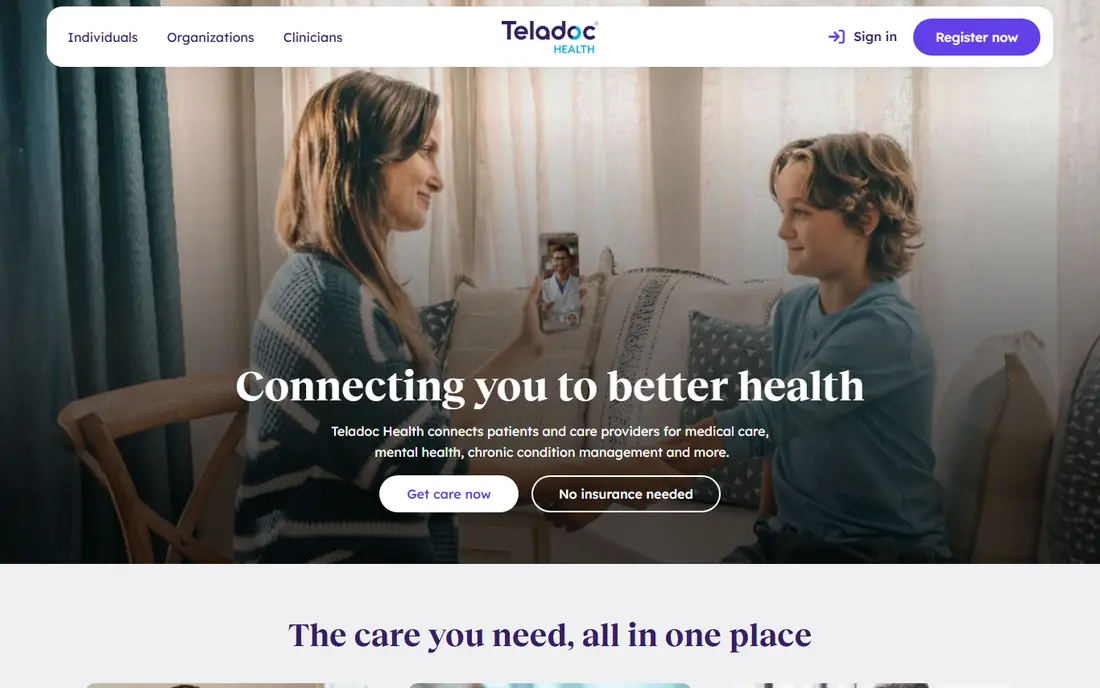
Teladoc Health covers urgent care, primary care, mental health and dermatology in one app, which makes it a practical starting point for households with mixed needs. A parent can use it for a child with a fever at night, then use the same account for a routine primary care question later in the week. That breadth matters when you do not want a separate app for every type of visit. The main trade-off is continuity. On-demand visits are built for speed, so you may speak to a different clinician each time. That is fine for a one-off problem, but it is less ideal if you want one doctor who knows your history in detail. Check your plan first, because an in-network visit can cost far less than a cash visit.
- Wide range of services
- 24/7 urgent care access
- Works with many health plans
- Cash prices vary by service
- You may not see the same doctor each time
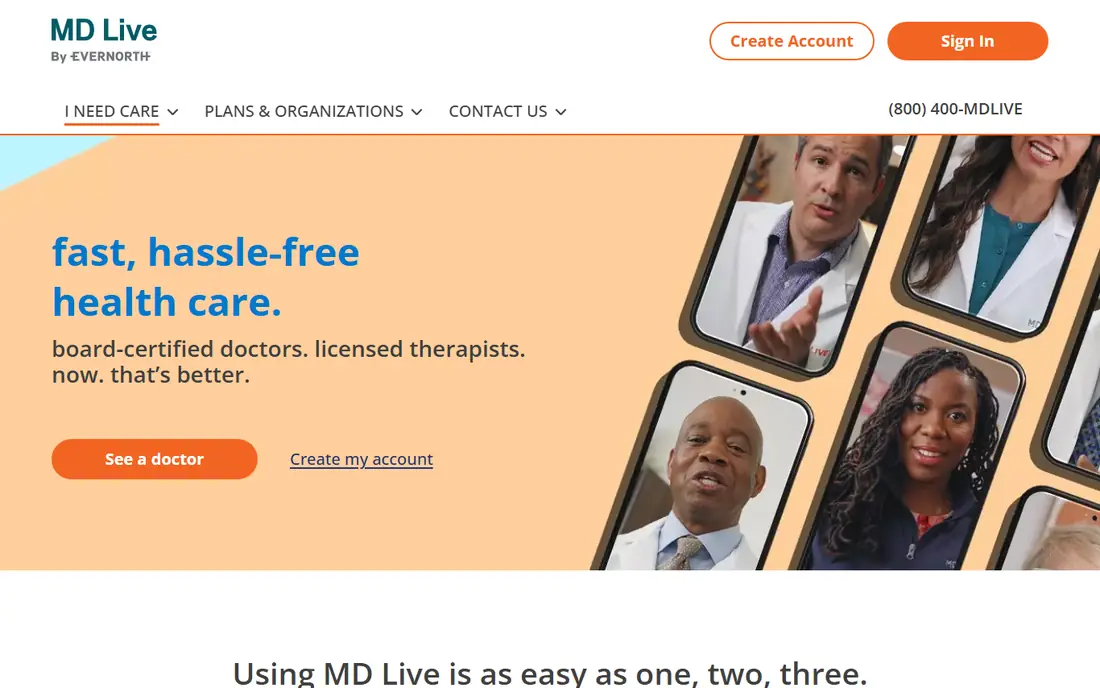
MDLIVE fits people whose employer or health plan already includes it, because the visit cost then depends on that plan rather than a single public price. Urgent care visits cover common problems such as colds, allergies and minor infections, and behavioral health support is available for therapy and psychiatry in many cases. That mix covers a large share of everyday virtual care needs. Before you book, confirm the service type your plan covers. A visit that is covered for urgent care may not be covered in the same way for dermatology or psychiatry. The app itself is simple to use, but the value depends on the plan behind it, so a quick benefits check is worth the time.
- Broad insurance acceptance
- Urgent care and behavioral health
- Scheduled and on-demand options
- Prices depend on your plan
- Specialist range is narrower than some rivals
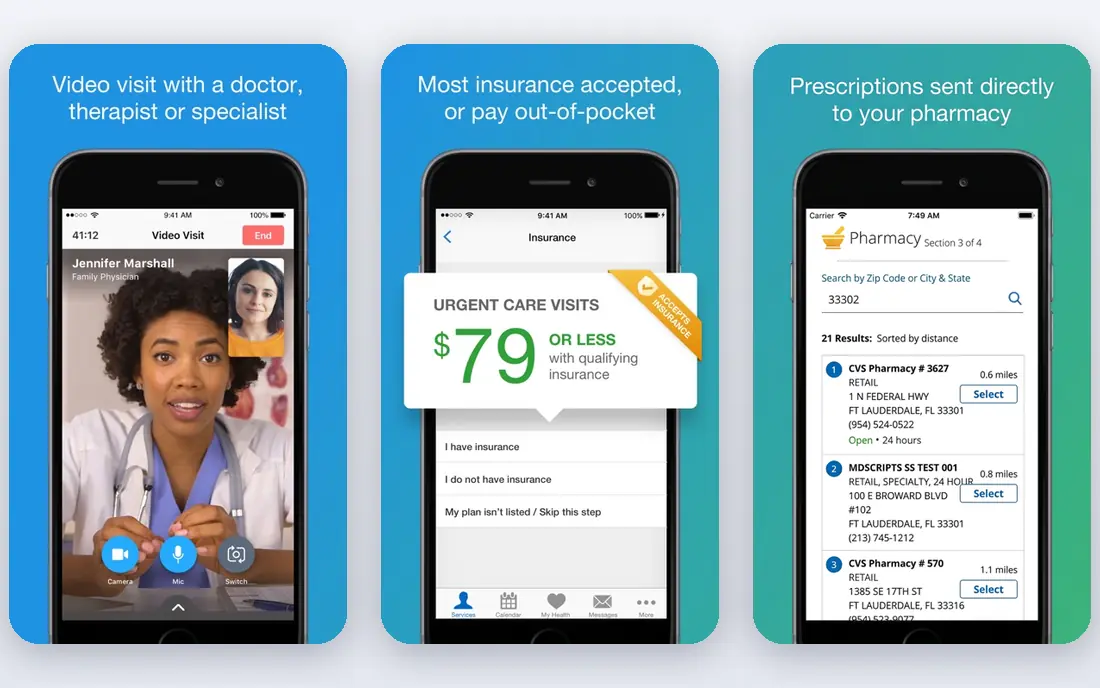
Amwell stands out when the need goes beyond a basic urgent care visit. It offers access to specialists and a clear mental health path, including therapy and psychiatry, which helps people who want one place for both medical and mental health care. Scheduled visits also suit people who prefer to book ahead rather than join an on-demand queue. The catch is price without insurance. Specialist and psychiatry visits can cost more than a standard urgent care visit, so cash-pay users should compare the listed price for their exact service. If your plan covers Amwell, that concern drops sharply, and the range of clinicians becomes the main reason to choose it.
- Strong specialist and psychiatry options
- Works with many plans
- Scheduled visits
- Cash prices can be high for psychiatry
- Wait times vary by specialty
Doctor on Demand is built around scheduled video visits, which can feel closer to a normal clinic appointment than a quick chat visit. That format suits people who want to talk through symptoms, ask follow-up questions and build a clearer picture with the clinician. Primary care, urgent care and mental health visits are all part of the service. Availability is the main limit. You may need to wait for a suitable time slot, especially for a preferred clinician or for mental health care. For an urgent problem at night, an on-demand service may be faster. For a planned check-in, the scheduled format is a strength rather than a drawback.
- Clear video visit format
- Primary care and mental health
- Works with many plans
- Cash prices vary
- Appointment times depend on clinician availability
PlushCare suits people who want a virtual doctor they can return to, rather than a new clinician for each problem. That continuity helps with follow-up, medication reviews and ongoing conditions that need monitoring over time. The service also supports prescription refills, which makes it useful for stable, long-term treatment plans. It is less suited to a sudden urgent need in the middle of the night, where an on-demand urgent care app may respond faster. PlushCare works best as a main virtual clinic, with an urgent care app as a backup for after-hours problems. If you value seeing the same doctor, that split is easy to manage.
- Focus on continuity with a primary care doctor
- Prescription refills
- Works with many plans
- Per-visit cost can be high without insurance
- Not built for walk-in urgent care
Sesame takes a different approach by showing a price for each doctor and service before you book. That clarity helps uninsured users and people with high deductibles, who often face surprise bills elsewhere. You can compare doctors, read their profiles and pick a time that fits, without going through an insurance check first. The trade-off is that every visit is paid directly, so frequent care becomes expensive. Sesame is strongest for a single, defined need, such as a consultation, a lab review or a second opinion. For ongoing care, a membership or insurance-based service may cost less over a year, even if a single Sesame visit looks cheaper.
- Prices shown before booking
- No insurance needed
- Wide range of doctors and services
- You pay out of pocket
- Follow-up costs add up for ongoing care
K Health starts with a text-based chat that helps narrow down symptoms before a clinician reviews the case. That format suits people who dislike video calls, who are at work, or who want to describe a problem in writing. It also keeps the visit short for clear, routine issues such as a urinary infection or a rash that can be described well in words and photos. Text care has clear limits. A clinician cannot carry out a physical exam through chat, and some problems will need a video visit or in-person care. K Health works best as a fast first step for simple problems, not as a full replacement for a doctor who can examine you. If the chat raises a concern, expect a referral to video or in-person care.
- Text-based visits suit busy schedules
- Symptom checking
- Prescription support for suitable cases
- Not suited to complex exams
- Video care may be needed for some problems
One Medical combines virtual care with physical offices, which suits people who want both options under one membership. Same-day appointments, message-based follow-up and a single care team can make routine care feel less fragmented. For people who move between virtual and in-person visits, that mix is a real advantage over a video-only service. The membership fee is the main question to answer. If you use primary care often, the fee can be good value. If you only need one or two visits a year, a pay-per-visit service may cost less. Check whether offices are near you, because the in-person benefit only counts if you can reach one when you need it.
- Same-day appointments in many areas
- In-person offices plus virtual care
- Clear membership model
- Membership adds a yearly cost
- In-person locations are not available everywhere
Amazon One Medical, formerly known as Amazon Clinic, offers message-based care for a defined list of common conditions. You answer questions about your symptoms, a clinician reviews the case, and you receive a treatment plan or prescription where suitable. That format is fast for people who already know what they need, such as a refill or treatment for a familiar minor problem. Scope is the limit. Complex symptoms, new and worrying problems, and conditions that need an exam are not a good fit for message-only care. Treat this as a convenient option for simple, well-defined needs, and keep a primary care doctor for anything that needs a fuller review. The clear pricing helps, but only when the condition falls inside the service list.
- Message-based care for common conditions
- Fast triage
- Clear per-visit pricing for many conditions
- Limited scope for complex care
- Not a full primary care replacement for everyone
How we picked these
We looked at official feature pages, pricing pages, app store listings, privacy policies and public reviews for each service. We compared visit types, insurance support, specialist access, prescription handling and how clearly each service explains its prices and limits. We did not claim hands-on testing, and we avoided services where basic facts such as visit types or payment model could not be confirmed from public sources. We also weighed fit for different users rather than crowning one app for everyone. A student with no insurance has a different best choice from a family using an employer plan, and a person seeking psychiatry has a different need from someone with a sore throat. That is why the list mixes on-demand, scheduled, membership and cash-pay models.
What to check before you book
Your plan and your state
Check whether the app is in network for your plan and whether the clinician is licensed in your state. Availability varies by state, and some services are not offered in every state. A short check before booking avoids a cancelled visit or an unexpected bill.
The type of visit you need
Urgent care, primary care, therapy, psychiatry and dermatology are different services, even inside the same app. Pick the visit type that matches your problem, and be ready to move to in-person care if the clinician advises it. Telehealth does not replace emergency care. For chest pain, trouble breathing, severe bleeding or other emergencies, call local emergency services or go to an emergency department.
Price and follow-up
Ask what the visit includes, whether lab tests or prescriptions cost extra, and how follow-up works. A cheap first visit can become costly if every message or refill is billed separately. A service with clear follow-up and a record you can share with your regular doctor is often worth more than a slightly lower visit price.
Frequently asked questions
What is the best online doctor app for urgent care?
Teladoc Health and MDLIVE are strong starting points for urgent care because they offer on-demand access and work with many health plans. For a single cash-pay visit, Sesame may show a lower upfront price. The best choice still depends on your insurance, your state and how soon you need to be seen.
Do telehealth apps prescribe medicine?
Many telehealth apps can prescribe medicine for suitable conditions, and they can send prescriptions to a pharmacy. Controlled substances and some specialist medicines have stricter rules, and availability varies by state and by clinician. A clinician may ask for in-person care if a prescription needs an exam or further tests.
Can I use a telehealth app without insurance?
Yes, several apps accept cash-pay patients, and Sesame is built around that model. You will pay the listed visit price directly, and lab tests or prescriptions may cost extra. Compare the full visit price, not just the headline rate, before you book.
Is telehealth as good as an in-person visit?
Telehealth works well for many routine problems, follow-up visits, mental health care and prescription reviews. It cannot replace a physical exam, and some problems need lab tests, imaging or hands-on checks. A good service will tell you when in-person care is needed rather than trying to handle every problem online.
Which telehealth app is best for mental health?
Amwell and Doctor on Demand both offer therapy and psychiatry, while PlushCare suits ongoing primary care with mental health follow-up. Check whether psychiatry is offered in your state and whether your plan covers it. For a crisis or a safety concern, contact local emergency services or a crisis line right away.
Do the best telemedicine companies for physicians matter to patients?
Physician-facing platforms affect wait times, clinician availability and follow-up quality, even if patients never see that side of the service. A platform that supports clinicians well is more likely to keep doctors available and to handle records and referrals cleanly. Patients should still judge the service by visit access, price clarity and follow-up, not by the tools behind the scenes.
Sources we checked (8)

Online Jobs is an independent blog about careers, online work, learning new skills and the tools that help people earn. More about us.
Keep reading
All posts
Best workout apps for women
Compare the best workout apps for women in 2026, from free guided classes to structured strength plans, with current prices, free plans and honest trade-offs.

Best Yoga App
Find the best yoga app for home practice in 2026, with verified prices, free options, class styles, trials and honest limits for 10 yoga apps compared.
Best Workout Tracker App
We compared the best workout tracker app options for gym, home, and running training, checking prices, free plans, and logging tools in detail. See inside.