Best Internet Service for Gaming in 2026: 8 Products Compared

How we put this together: we compare official feature and pricing pages, app store listings, privacy policies and public user reviews. Prices change, so check the provider's site before you pay.
Key takeaways
- Fibre plans from GFiber, Verizon Fios, and AT&T Fiber give gamers the most stable low-lag connection where they are available.
- Cable plans from Xfinity and Spectrum are a strong fallback in areas without fibre, especially at higher speed tiers.
- Upload speed, latency, and data policy matter more for gaming than headline download speed alone.
- Availability decides the winner in most homes, so check your exact address before you compare plans in detail.
- Use a wired connection for competitive play, and keep your router and game downloads from sharing the same weak link.
Quick comparison
| Name | Who it suits | Starting price | Free option | |
|---|---|---|---|---|
 GFiber | Lowest lag fibre gaming | See website | No | Visit |
 Verizon Fios | Stable fibre with wide tiers | See website | No | Visit |
 AT&T Fiber | Widely available fibre | See website | No | Visit |
 Xfinity | Widely available cable gaming | See website | No | Visit |
 Spectrum | Cable without data caps in many plans | See website | No | Visit |
 Frontier Fiber | Low-cost fibre entry | See website | No | Visit |
 Cox | Cable gaming in Cox areas | See website | No | Visit |
 Ziply Fiber | Fast fibre in the Pacific Northwest | See website | No | Visit |
The best internet service for gaming
We compared internet services that gamers actually buy for home play, with a focus on connection type, latency, upload speed, data policy, and availability. Gaming needs a steady connection more than a huge download number, so fibre leads where it exists, and cable leads where it does not.
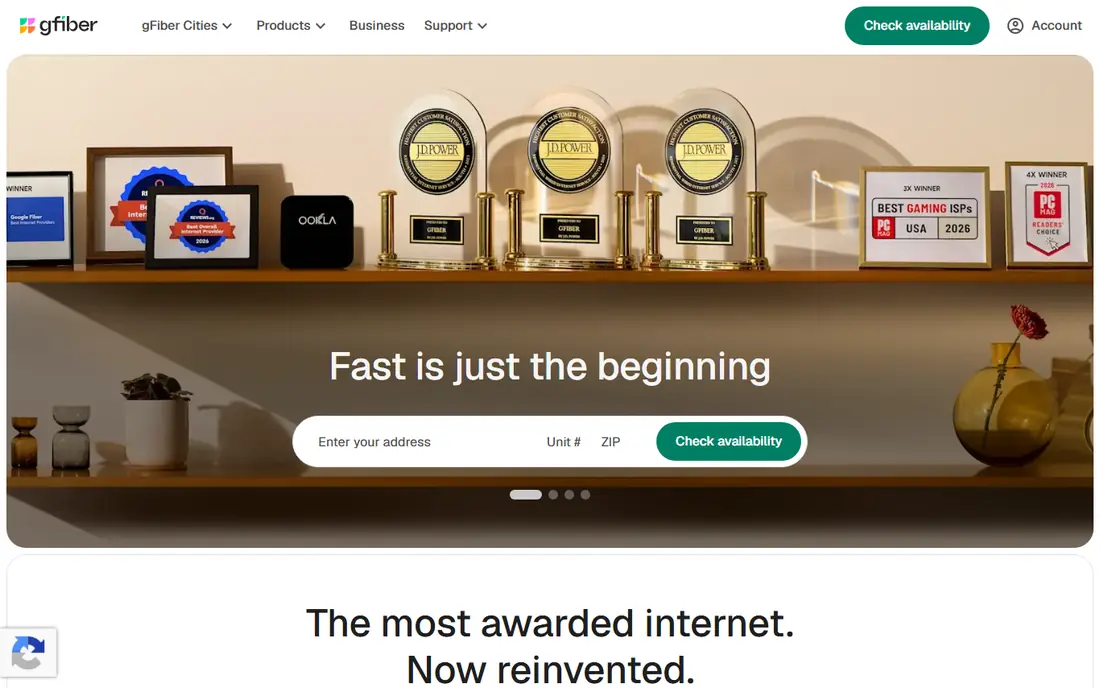
GFiber, formerly Google Fiber, is our top pick where you can get it. Fibre gives you a direct, stable path to game servers, and symmetrical uploads help with streaming, voice chat, and large game updates sent from your home. Unlimited data removes the worry that a month of downloads and streaming will push you over a cap at the worst moment.
The limit is purely geographic. If GFiber does not serve your address, it does not matter how good the plan looks. Check availability first, and if you are in a covered city, GFiber is hard to beat for gaming, streaming, and a busy household at the same time.
- Fibre speeds with symmetrical uploads on many plans
- Unlimited data
- Simple flat pricing in covered cities
- Availability is limited to selected cities
- No service at all outside its footprint
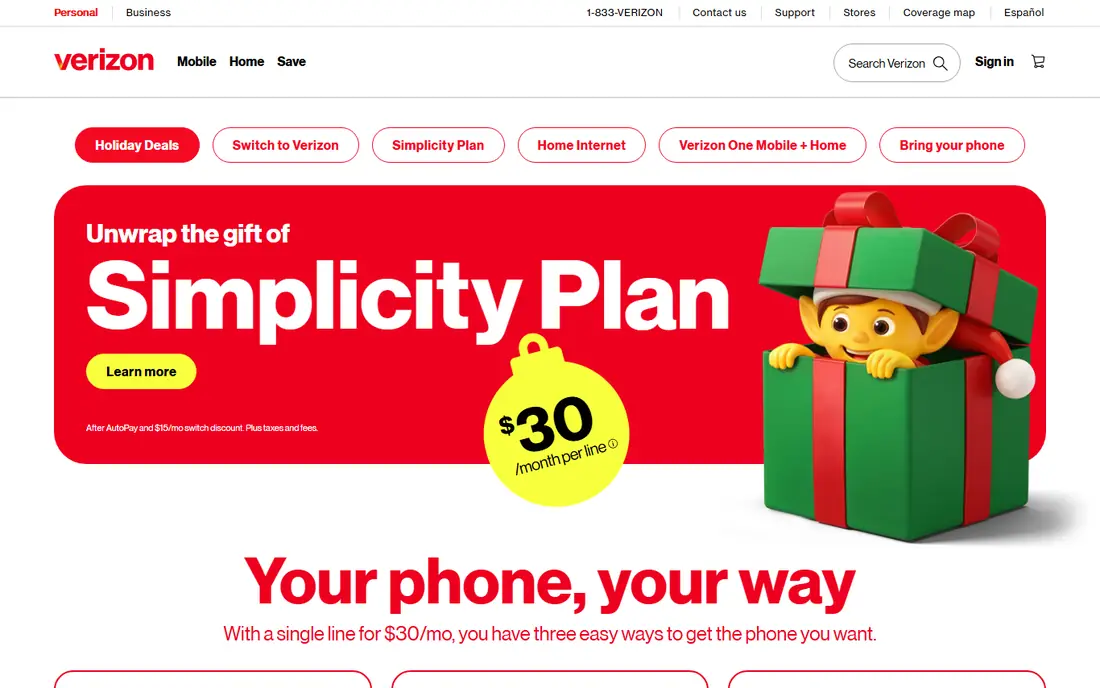
Verizon Fios is a strong fibre choice in the Northeast and parts of other regions it serves. Gamers get steady speeds, low latency, and uploads that match downloads on many tiers, which helps when you stream gameplay or share large clips. Unlimited data is also a plus for households that download several large games each month.
You do not need the fastest tier for most online games. A mid-tier Fios plan with a wired connection will handle competitive play, voice chat, and a second stream in most homes. Check the tiers at your address, and pick based on household size and streaming load, not only on the top speed number.
- Fibre with symmetrical speeds on many plans
- Unlimited data
- Strong reputation for low latency
- Availability is regional
- Top tiers cost more and are not needed for most games
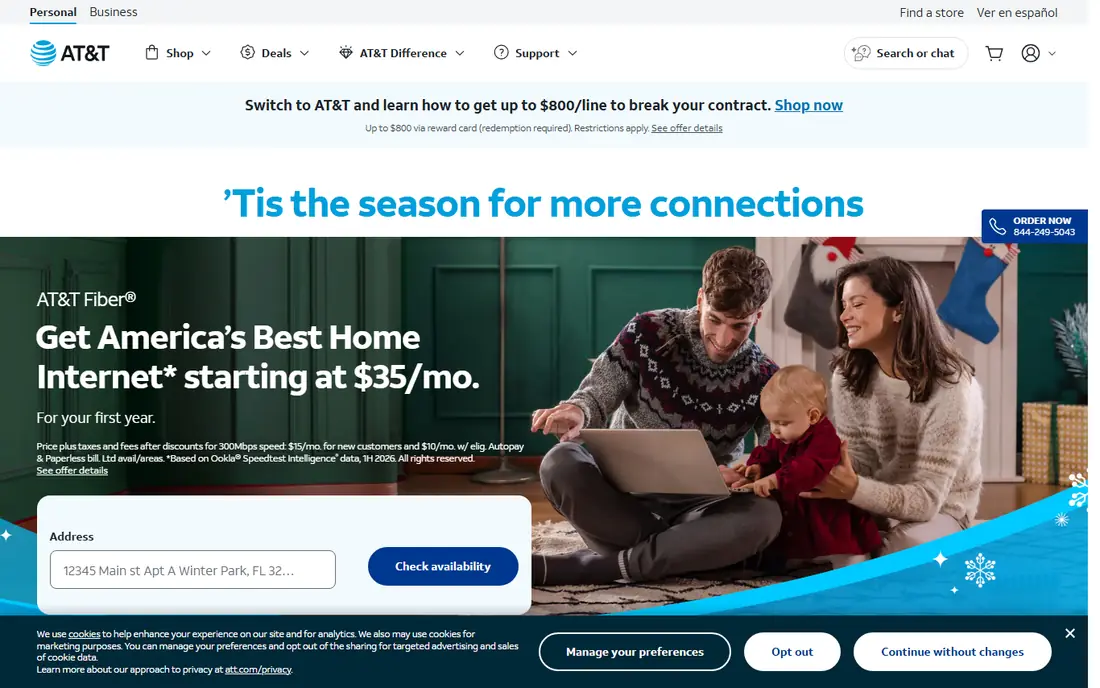
AT&T Fiber is often the most practical fibre option, because it reaches more addresses than smaller fibre providers. That matters for gamers who want fibre but do not live in a GFiber or Fios city. Fibre plans offer the same core gaming benefits, namely stable latency, strong uploads, and unlimited data, which together beat most cable plans for competitive play.
Be careful to confirm you are getting AT&T Fiber, not a slower DSL or fixed wireless product under a similar brand. Enter your exact address on the AT&T site, check the technology and speeds offered, and confirm data policy and equipment fees before you order.
- Fibre footprint larger than many fibre rivals
- Symmetrical speeds on fibre plans
- Unlimited data on fibre
- Not available everywhere, and some addresses only get slower AT&T services
- Equipment and install details vary
Xfinity is the fallback most gamers will actually use, because cable reaches far more homes than fibre. Download speeds are high enough for large game downloads, and latency on a good cable line is fine for most online games. In areas with strong Xfinity service, a mid to high tier plan plus a wired connection gives a solid gaming setup.
The catches are uploads and data policy. Cable uploads lag behind fibre, which matters if you stream, and data caps or extra fees can apply in some markets unless you choose a plan that removes them. Read the plan details for your address, and if you stream often, weigh the cost of unlimited data against a fibre alternative.
- Very wide availability
- High download tiers in many markets
- XFi gateway and app tools for home network control
- Uploads are slower than fibre on most plans
- Data cap policy varies by market and plan, so check your area
Spectrum suits gamers who want cable simplicity without worrying about a data cap. That is a real benefit for households that download large games, stream in high quality, and play online every day. No-contract terms on many plans also help renters and movers who do not want a long commitment.
As with Xfinity, cable uploads are the weak point compared with fibre, and evening congestion can affect latency in some areas. If fibre is available at your address, compare it first. If not, Spectrum is a dependable cable pick, especially when paired with a wired setup and a modern router.
- Wide cable availability
- No data caps on many plans
- No contract on many plans, which suits renters
- Uploads trail fibre
- Speeds and latency can vary by neighbourhood and time of day
Frontier Fiber is worth checking because its entry fibre tiers can be cheaper than larger rivals, while still giving you the core gaming benefits of fibre. Symmetrical speeds help with streaming and uploads, and unlimited data removes a common cable worry. For a single gamer or a small household, a lower fibre tier is often enough.
Availability and local build quality matter here more than brand averages. Check your address, ask neighbours or local reviews about evening performance if you can, and confirm install fees and equipment terms. Where Frontier fibre is solid, it is a strong value pick for gaming.
- Fibre plans at competitive entry prices in covered areas
- Symmetrical speeds on fibre tiers
- Unlimited data on fibre
- Footprint is regional
- Service quality can vary by area and by older versus newer fibre build
Cox serves many gamers in its regions, and its higher cable tiers handle downloads and online play well. If Cox is your main wired option, a higher tier plus a wired connection will cover competitive gaming, streaming, and household use in most cases. Network tools in the Cox app also help you check connected devices and pause access when needed.
Watch the data cap. Many Cox plans include a cap, and heavy game downloads plus streaming can approach it, so factor in the cost of unlimited data if you need it. Compare that total with any fibre option at your address before you commit to a top cable tier.
- High cable tiers in many markets
- Wide availability in its service areas
- App tools for network management
- Data cap on many plans, with an extra cost to remove it
- Uploads trail fibre
Ziply Fiber is a regional pick that punches above its size in the Pacific Northwest. Its fibre plans offer high speeds, symmetrical uploads, and unlimited data, which is exactly what gamers want for low lag play and streaming. If you live in its footprint, Ziply deserves a direct comparison with any national provider at your address.
Outside that region, Ziply is not relevant, which is why it sits last here despite strong specs. Regional fibre providers in general are worth checking, because a local fibre network can beat a national cable plan on latency and uploads even if the brand is less familiar.
- Fibre with very high tiers in covered areas
- Symmetrical speeds
- Unlimited data on fibre plans
- Limited to the Pacific Northwest
- Not an option for most US gamers
How we picked these
We chose national and large regional providers with home internet plans that gamers commonly use, and we checked official provider sites and plan information for connection type, data policy, and availability. We ranked fibre above cable for gaming because fibre tends to give lower latency, stronger uploads, and more stable evening performance, while cable ranks higher on availability. We left out mobile-only and satellite services as main picks, because latency and data limits make them a weaker fit for regular competitive play, though they can serve as backups.
Prices and speeds vary by address, and providers change plans often, so confirm the exact plan, data policy, contract, and equipment fees for your home before you order. We did not test speeds at individual addresses, and local network quality can differ from national averages.
How to pick a gaming plan without overpaying
Start with connection type, then speed, then data policy. Fibre first if you can get it, cable second, and fixed wireless or satellite only if no wired option exists. For most gamers, a plan with at least 300 Mbps download is plenty for play itself, and extra speed mainly helps downloads and households with many users. Upload speed matters more than many buyers expect, so favour symmetrical fibre uploads if you stream, and check cable upload speeds before you pick a cable tier.
Next, fix the home setup. Use an Ethernet cable for your console or PC when you play competitively, place the router in a central spot if you must use Wi-Fi, and keep game downloads and system updates from running during ranked matches. Test latency to your usual game servers, not only a generic speed test, and test at peak evening hours when your street is busiest. If lag spikes only on Wi-Fi, a cable or a better access point may solve more than a plan upgrade.
Finally, read the full cost. Add equipment rental, install fees, data cap charges, and any price rise after a promo period, and compare the year-two cost, not only the first-month price. A cheaper plan with a cap and rental fees can cost more than a slightly higher flat fibre plan, and a contract can lock you into that cost. Choose the plan you can live with for a full year, not the fastest headline speed.
Frequently asked questions
What is the best internet service for gaming?
GFiber is the best gaming pick where it is available, thanks to fibre stability, symmetrical uploads, and unlimited data. Verizon Fios and AT&T Fiber are close behind and reach more homes, while Xfinity and Spectrum are the best cable fallbacks. In most homes, availability at your exact address decides the winner, so check that first.
How much internet speed do I need for gaming?
Online play itself uses modest bandwidth, often well under 100 Mbps, so a 300 Mbps plan is enough for most gamers. Higher speeds help with large downloads, streaming, and households where several people use the connection at once. Latency, stability, and upload speed matter more for competitive play than a very high download number alone.
Is fibre better than cable for gaming?
Yes, fibre is generally better for gaming because it offers lower latency, more stable performance at peak times, and symmetrical uploads on many plans. Cable can still work well, especially at higher tiers with a wired connection, but it usually trails fibre on uploads and can vary more by neighbourhood. If fibre is available at your address, it is usually worth choosing.
Does a faster plan reduce lag?
A faster plan helps only if your current plan is congested or your downloads compete with play. Lag, or high ping, comes mainly from distance to the server, network congestion, and a weak Wi-Fi link, not from download speed alone. A wired connection, a less congested server region, and a stable provider often cut lag more than moving to a top speed tier.
What is the best Wi-Fi company for gaming?
For gaming, a wired Ethernet connection beats any Wi-Fi setup for stability, so the provider matters more than the Wi-Fi brand. If you must use Wi-Fi, use a modern router, stay close to it, use the 5 GHz or 6 GHz band, and keep other heavy downloads off the network during play. Fibre providers such as GFiber, Fios, and AT&T Fiber pair well with a good home router.
Do I need unlimited data for gaming?
Unlimited data helps if you download large games often, stream gameplay, or share the connection with a busy household. Many fibre plans include unlimited data, while some cable plans cap data or charge extra to remove the cap. Check your monthly use, including downloads and streaming, and compare the total cost with unlimited data included.
Sources we checked (8)

Online Jobs is an independent blog about careers, online work, learning new skills and the tools that help people earn. More about us.
Keep reading
All posts
n8n Alternatives
n8n alternatives compared for 2026, with Zapier, Make, Activepieces, and more, covering visual builders, code steps, self-hosting, and pricing models.
iPhone Alternatives
Looking for iPhone alternatives in 2026? Compare 9 Android phones from Samsung, Google, OnePlus, and more, with cameras, battery life, and honest trade-offs.

eBay Alternatives
Looking for ebay alternatives? We compared 9 marketplaces for sellers on fees, buyer reach, categories and ease of listing, to help you sell with confidence.