Best Gig Work Apps in 2026: 8 Apps Compared

How we put this together: we compare official feature and pricing pages, app store listings, privacy policies and public user reviews. Prices change, so check the provider's site before you pay.
Key takeaways
- Upwork and Fiverr suit remote freelance skills, while DoorDash, Uber Eats and Instacart suit people who want local delivery work with weekly pay.
- TaskRabbit and Rover suit people who prefer local, in-person work and can set their own rates or services.
- Fees, payout timing and local demand vary widely, so the highest-paying app in one city may be quiet in another.
- Track mileage, expenses and taxes from day one, because gig income is usually treated as independent contractor income in the US.
Quick comparison
| Name | Who it suits | Starting price | Free option | |
|---|---|---|---|---|
 Upwork | Remote freelance projects | Free | Yes | Visit |
 Fiverr | Selling packaged freelance services | Free | Yes | Visit |
 TaskRabbit | Local home and errand tasks | Free | Yes | Visit |
 DoorDash | Food and convenience delivery | Free | Yes | Visit |
 Instacart Shopper | Grocery shopping and delivery | Free | Yes | Visit |
 Uber Eats | Flexible delivery work | Free | Yes | Visit |
 Rover | Pet sitting and dog walking | Free | Yes | Visit |
 Amazon Flex | Scheduled delivery blocks | Free | Yes | Visit |
The best gig work apps
Gig work apps fall into three broad groups: remote freelance marketplaces, local delivery apps and in-person service platforms. The best choice depends on your skills, your vehicle, your schedule and how much local demand exists near you. We compared official help pages, fee structures and payout options for the apps below.
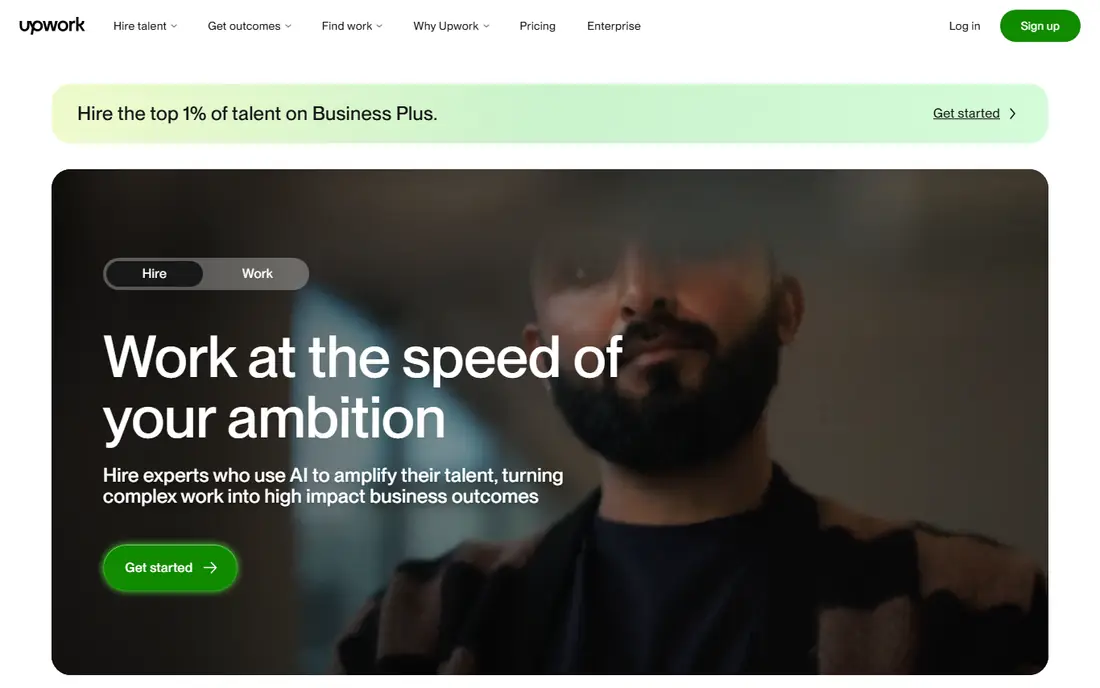
Upwork is a freelance marketplace where clients post jobs and freelancers submit proposals. Categories cover writing, design, development, marketing, admin support and many other remote skills. Freelancers can work hourly with time tracking or on fixed-price contracts, and clients fund fixed-price work through escrow before work starts. That structure gives new freelancers a clear way to find clients without building a business from scratch.
The hard part is standing out. Many jobs attract many proposals, so a thin profile with no reviews will struggle at first. Upwork also charges a service fee on earnings, and proposal credits can add cost for active job seekers. It works best for people with a marketable skill who can write strong proposals, deliver reliably and build a repeat-client base over time.
- Large client base across many skill categories
- Hourly and fixed-price contracts
- Escrow protection for fixed-price work
- Competition for jobs is strong
- Service fees apply to earnings
- New freelancers need time to build reviews
Fiverr reverses the Upwork model. Instead of applying for jobs, sellers create gigs that describe a service, a price and a delivery time, and buyers order when they need it. That suits freelancers with a repeatable offer, such as logo design, voiceover, video editing, writing or website fixes. A well-written gig with clear samples can bring steady orders without daily proposal writing.
Fiverr takes 20 percent of each order, so sellers need to price with that fee in mind. New sellers also face a clearance period before funds can be withdrawn, and early orders may need competitive pricing to build reviews. Fiverr is a good fit for sellers who can productize a skill and deliver it consistently, rather than for people who want custom, long-term client work.
- Sellers package services as gigs with clear prices
- Global buyer reach
- No need to bid on every job
- Fiverr takes 20 percent of each order
- Early gigs often need low prices to attract buyers
- Clearance period before withdrawal
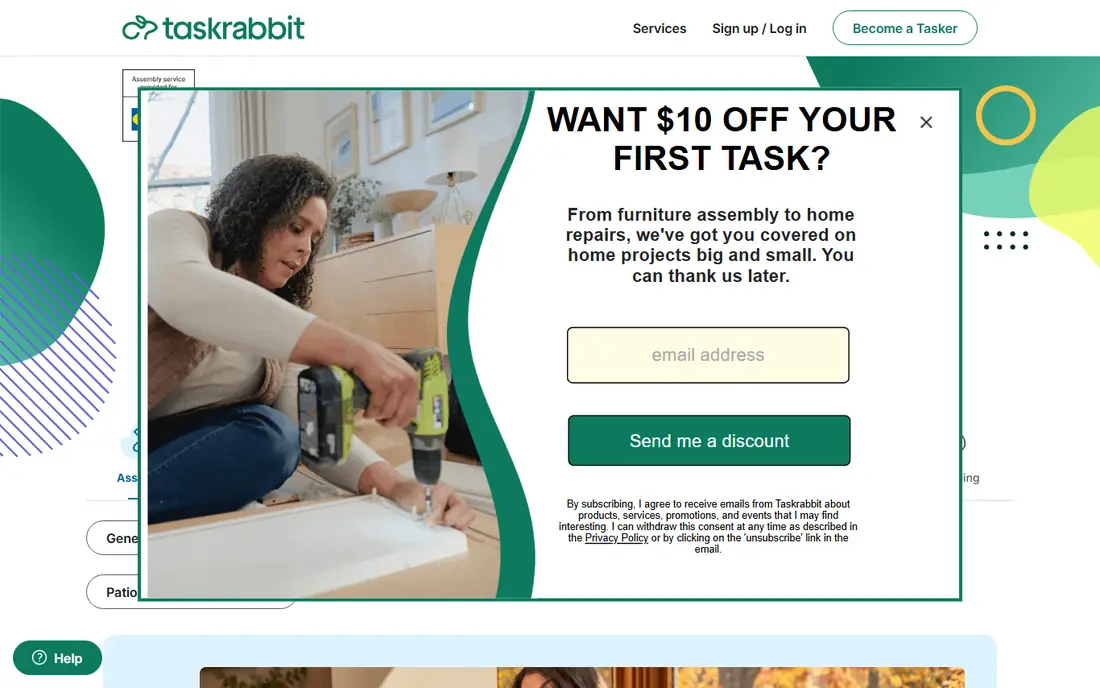
TaskRabbit connects people who need help with local tasks to Taskers who can do the work. Common categories include furniture assembly, cleaning, moving help, mounting, yard work and errands. Taskers set their own hourly rates and schedules, and clients book based on profile, reviews and price. For people with practical skills and tools, it can pay better per hour than delivery work.
Availability is the main limit. TaskRabbit is not active everywhere, and demand varies by neighborhood and season. Some cities charge a registration fee, and Taskers need to manage travel time, tools and cancellations. It suits people who like hands-on work, can present themselves well in a profile and want control over which jobs they accept.
- Taskers set their own rates
- Wide range of home, moving and errand categories
- Keep the rate you set plus tips
- Availability varies by city
- Registration fee may apply in some cities
- Work is physical and schedule-dependent
DoorDash is one of the largest food delivery platforms in the US, with restaurant, grocery and convenience orders in many cities. Dashers choose when to work, accept or decline offers, and receive weekly direct deposit by default. Fast Pay allows once-a-day transfer to a debit card for a $1.99 fee, while transfers to a DoorDash Crimson account can be free. That flexibility makes it a common first gig app.
Earnings depend heavily on local demand, order mix and tips, not just hours worked. Drivers also pay for fuel, maintenance and insurance, which reduces net pay. DoorDash suits people with a reliable vehicle or bike in a busy area who can work peak meal times and track their costs carefully.
- Large order volume in many US cities
- Flexible scheduling
- Fast Pay for same-day access to earnings for a fee
- Pay varies by order, distance and tips
- Vehicle costs fall on the driver
- Peak hours matter more than total hours online
Instacart Shoppers pick and deliver grocery orders for customers, either as full-service shoppers who shop and deliver or as in-store shoppers where available. The work suits people who are fast, accurate and comfortable in grocery stores, and who prefer a structured task over driving alone. Batches show estimated pay, items and distance before acceptance, which helps shoppers choose work that fits.
Pay per batch varies with items, distance, weight and tips, and shoppers need to manage substitutions and customer messages during a shop. Ratings and reliability affect access to batches in some markets. Instacart is a strong option for people who like grocery work and can work busy shopping windows, but it is less flexible than pure delivery for people who do not want to shop.
- Shopper and delivery roles in one app
- Batch work can suit careful shoppers
- Weekly pay with instant cashout option
- Batch pay varies and can change
- Shopping accuracy affects ratings
- Availability depends on local store demand
Uber Eats lets couriers deliver restaurant and retail orders using a car, bike or scooter where allowed. Couriers can go online when they choose, see trip details before accepting and receive weekly pay by default, with instant cashout available for a small fee. For people already familiar with Uber, the app and payout system feel straightforward.
As with other delivery apps, real earnings depend on local demand, trip distance and tips, and couriers cover their own vehicle costs. Uber Eats works well as a flexible second app alongside DoorDash, letting couriers compare offers in the same area. It works less well in quiet markets, where waiting time can outweigh delivery pay.
- Flexible sign-on
- Delivery by car, bike or scooter in many cities
- Instant cashout option for a small fee
- Pay varies by trip and demand
- Vehicle costs fall on the courier
- Surge and promotions change often
Rover connects pet owners with sitters and walkers for boarding, house sitting, drop-in visits and dog walking. Sitters create a profile, set services, rates and availability, and communicate with owners through the platform. For animal lovers, it can turn a genuine interest into paid work, and repeat clients can provide steady income once trust is established.
Rover takes a service fee from sitter earnings, and new sitters need reviews before owners choose them over experienced profiles. The work also carries real responsibility. Sitters handle keys, homes, medication routines and animals with different temperaments, so it suits people who are reliable, communicative and comfortable with that duty. It is not a good fit for someone who wants anonymous, task-by-task work.
- Dedicated pet care marketplace
- Sitters set services and rates
- Repeat bookings build income over time
- Rover takes a service fee from sitter earnings
- Trust and reviews take time to build
- Work involves real responsibility for animals
Amazon Flex lets drivers pick up packages from a delivery station and deliver them during a scheduled block. Blocks show an estimated pay range and duration before a driver accepts, which gives more predictability than waiting for individual food orders. Drivers use their own vehicle, and pay is made weekly by direct deposit.
The catch is block supply. In busy markets, blocks go quickly, while in quieter areas there may be few blocks at useful times. Routes can also involve many stops, apartment buildings and rural addresses, so a reliable vehicle and good navigation matter. Flex suits drivers who prefer planned shifts and package delivery over the stop-start rhythm of food delivery.
- Scheduled delivery blocks with stated pay
- Package delivery rather than food handling
- Weekly pay by direct deposit
- Block availability varies by station and city
- Delivery routes can be demanding
- Vehicle and fuel costs fall on the driver
How we picked these
We compared official help and fee pages, payout options, work types and US availability for each platform. We favored apps that are widely available, actively used in 2026 and fit a distinct kind of gig work, from remote freelance to local delivery and pet care. We did not claim hands-on testing, and we avoided hourly pay promises, because earnings vary by city, demand, tips and costs. Where fees were reported differently across sources, we described the structure rather than presenting a single disputed figure as fact.
How to choose the right gig app for you
Start with what you already have. A laptop and a marketable skill point toward Upwork or Fiverr. A car in a busy city points toward DoorDash, Uber Eats or Amazon Flex. Practical skills and tools point toward TaskRabbit, and a love of animals plus a flexible home schedule points toward Rover. Matching the app to your resources matters more than chasing a headline pay rate.
Next, test two apps in your area before committing to one. Track hours online, hours actually working, gross pay, tips, fuel, mileage and fees for two weeks. That record gives a true hourly rate after costs, which is the only fair comparison. Also check payout timing. Weekly pay suits a side income, while instant cashout matters more if you need money quickly, even though it usually carries a small fee.
Finally, protect yourself as an independent worker. Keep a separate record of income and expenses, set aside money for taxes, check your auto insurance covers delivery or business use where required, and read the platform terms on cancellations, ratings and deactivation. Gig apps offer flexibility, but they do not provide the same protections as employment, so a clear record and a second income option are wise.
Frequently asked questions
What is the best gig app for beginners?
DoorDash and Uber Eats are often the easiest to start, because sign-up is simple and work is available in many cities. Upwork and Fiverr suit beginners with a clear freelance skill, but they take longer to build reviews. TaskRabbit suits beginners with practical skills in a city where the platform is active.
How fast do gig apps pay?
Delivery apps usually pay weekly by direct deposit, with instant cashout available for a small fee on many platforms. Freelance platforms hold funds for a clearance or security period, often several days, before withdrawal. Pet care and local task platforms usually pay a few days after the service is complete and the client payment clears.
Do gig apps charge workers a fee?
Most do, in some form. Fiverr takes 20 percent of each order, Rover takes a service fee from sitter earnings, and Upwork charges a service fee on contracts. Delivery apps do not usually charge a per-order fee to drivers, but instant cashout fees and vehicle costs reduce net pay. Always read the fee page for the app you use.
Can you work for more than one gig app?
Yes, and many workers do. Combining a delivery app with a freelance platform, or two delivery apps in the same area, can smooth out quiet periods. Check each app terms for exclusivity, and avoid accepting overlapping jobs that could lead to late deliveries or missed appointments.
Is gig work taxed?
In the US, gig income is generally taxable, and most gig workers are treated as independent contractors rather than employees. Platforms may send tax forms above certain thresholds, but workers are still responsible for reporting income and tracking deductible expenses. This is general information, not tax advice, so check current IRS guidance or speak to a tax professional about your situation.
Sources we checked (8)

Online Jobs is an independent blog about careers, online work, learning new skills and the tools that help people earn. More about us.
Keep reading
All posts
Companies With the Best Benefits
Companies with the best benefits in 2026: we compare eight employers on parental leave, health cover, flexible work, and perks staff actually use daily.

Best Resume Writing Services
Looking for the best resume writing service in 2026? We compared 9 top resume services on price, turnaround, guarantees and writer quality. Start here.
Best Company
Best company guide framed as best companies to work for: we compare 8 employers on careers, benefits, flexibility, and growth so you can shortlist with care.