Companies With the Best Benefits in 2026: 8 Products Compared

How we put this together: we compare official feature and pricing pages, app store listings, privacy policies and public user reviews. Prices change, so check the provider's site before you pay.
Key takeaways
- The strongest benefit packages in this list combine health cover, generous parental leave, and real flexibility, not just one headline perk.
- Patagonia and Netflix stand out for family support, while Google, Microsoft, and Salesforce stand out for broad health, learning, and wellbeing support.
- Benefits vary by role, location, and employment type, so always check the official careers page for the job and country you are applying for.
- A flexible work policy and paid time off you can actually take often matter more day to day than a long list of office perks.
Quick comparison
| Name | Who it suits | Starting price | Free option | |
|---|---|---|---|---|
 Google | Broad health and learning support | See website | No | Visit |
 Microsoft | Flexible work and family support | See website | No | Visit |
 Salesforce | Volunteering and wellbeing | See website | No | Visit |
 Adobe | Creative staff and time off | See website | No | Visit |
 Netflix | Parental leave and flexibility | See website | No | Visit |
 Patagonia | Family and outdoor life | See website | No | Visit |
 Spotify | Parental leave and music culture | See website | No | Visit |
 Airbnb | Travel credit and remote work | See website | No | Visit |
The best companies with the best benefits
We compared official careers and benefits pages, company policy summaries, and public reviews to find employers whose packages go beyond basic health cover.
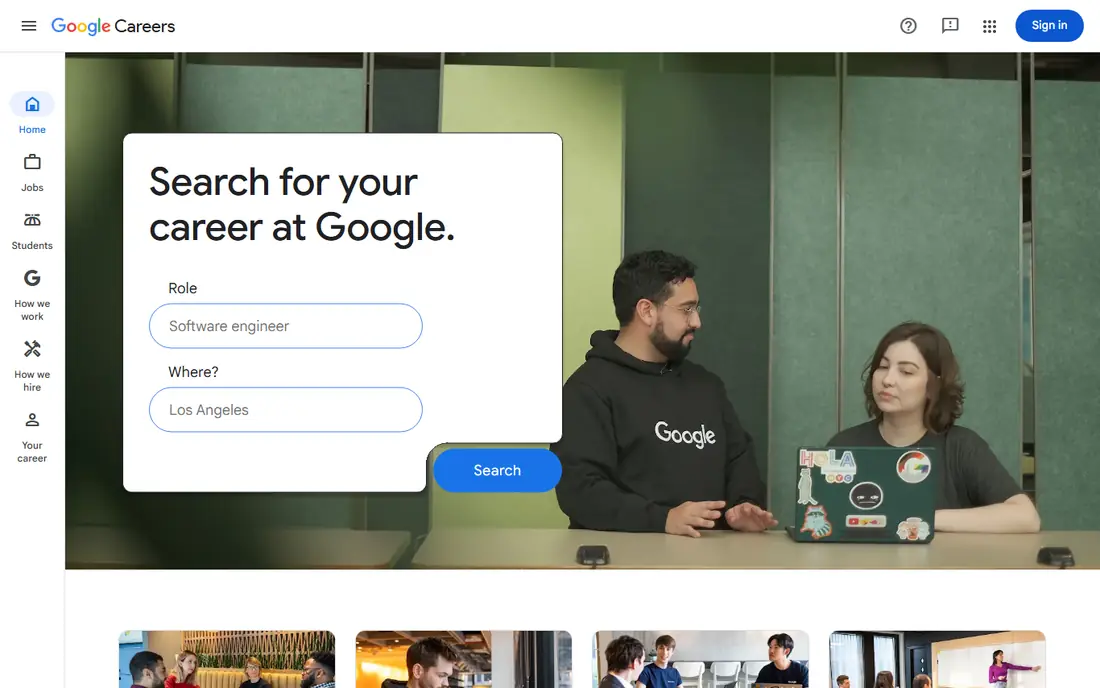
Google is often named first in benefits discussions because the package covers many parts of working life at once. Health cover, mental health support, parental leave, and learning programmes are described on its careers pages alongside flexible work options that vary by team. Employees also get access to internal training and development resources, which matters if you want to change roles or build new skills without leaving the company.
The catch is variation. A benefit that applies to a full-time role in one country may not apply in the same form to a contractor role or a role in another country. Google is also a very large employer, so the experience of using a benefit can depend on your manager and team. Read the careers page for your specific location and check parental leave, time off, and health details in the job listing before you apply.
- Wide health and wellbeing programmes
- Learning and development support
- Flexible work options in many roles
- Benefits vary by role and location
- Large company processes can feel slow
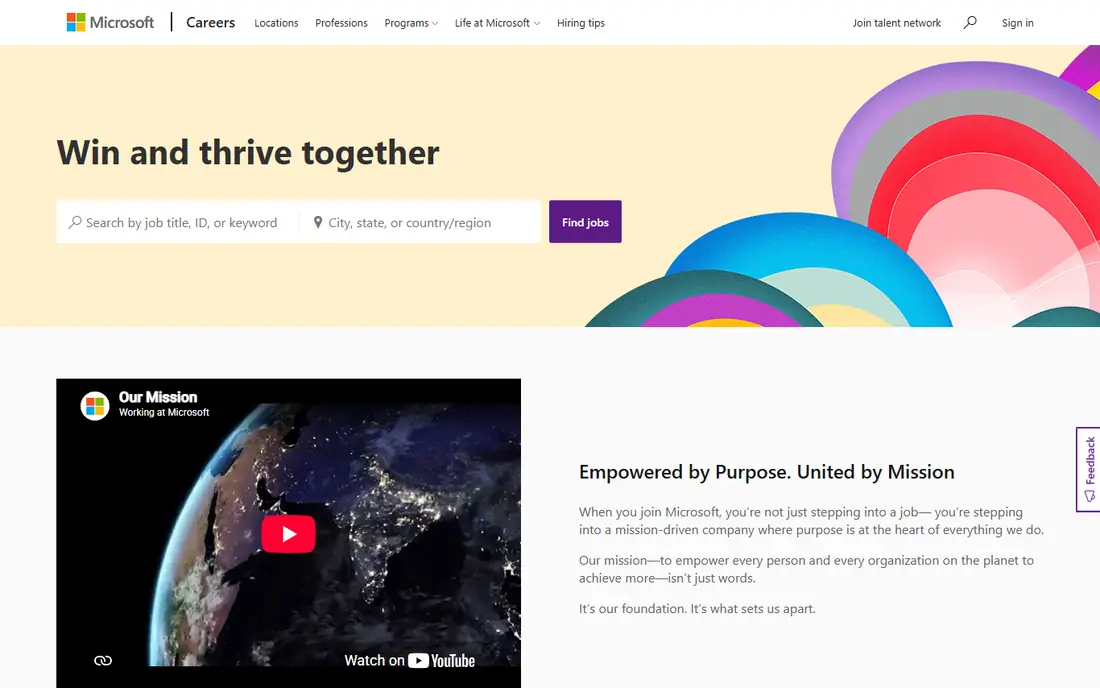
Microsoft presents its benefits around flexibility, health, and family support, with hybrid work options in many office-based roles. Its careers materials describe parental leave, health cover, and wellbeing resources, plus learning support for staff who want to grow into new technical or management roles. That mix suits people who want stability and room to plan family life around work, rather than a package built only around office perks.
The main limit is team variation. Hybrid patterns, on-call expectations, and travel needs differ sharply between product teams, sales teams, and support teams. A role that looks flexible on paper may still need regular office days or customer hours. Ask about the team pattern, leave approval, and on-call load at interview stage, and compare that detail with the general benefits summary.
- Flexible and hybrid work in many roles
- Family and parental support
- Health and wellbeing programmes
- Experience varies by team
- Some roles require more on-site time
Salesforce is known for paid volunteer time alongside health and wellbeing support. Its careers pages describe time for community work, health cover, and programmes that support mental health and personal development. For people who want an employer that treats community time as part of the job, not as an extra to fit in after hours, that volunteer element is a clear point of difference.
As with other large tech employers, the exact package depends on location and role type. Health plans, leave, and stock or bonus elements are described in general terms on public pages, with detail usually given during hiring. The honest trade-off is pace. Salesforce grows and reorganizes often, so a benefit package that looks strong on paper still depends on a stable team and a manager who supports time off and volunteer days in practice.
- Paid volunteer time
- Wellbeing and health programmes
- Learning and career development
- Benefits differ by country
- Fast growth can mean changing teams
Adobe is a frequent name on best benefits lists because its package pairs health cover with time off and wellbeing support, plus access to its own creative tools for staff work and learning. That combination suits designers, engineers, marketers, and product staff who want both creative resources and a clear break from work. Its careers pages also describe parental and family support and programmes for personal development.
Deadline pressure is the catch to weigh. Creative and product launches can bring intense periods, even at an employer with good time-off policies. The value of a benefit depends on whether you can actually use it during busy periods. Ask how time off is planned around launches, and whether wellbeing days are protected time or simply an allowance that is hard to take.
- Time off and wellbeing focus
- Health cover
- Learning and creative tools for staff
- Package varies by location
- Creative roles can have deadline pressure
Netflix stands out for parental leave and for a flexible approach to time off in many roles. Public summaries of its policy describe a full year of paid parental leave for new parents in some locations, with flexibility to return full-time or part-time. That family focus, paired with a culture that gives experienced staff more freedom over how they work, is why Netflix appears on so many benefits lists.
The other side of that freedom is expectation. Netflix is known for high performance standards and regular feedback, and freedom over hours does not mean a low workload. People who thrive there tend to be self-directed and comfortable with direct feedback. If you value a highly structured day and close management, the same flexibility that attracts others may feel less supportive.
- Generous parental leave in many roles
- Flexible time off approach
- Freedom with responsibility culture
- High performance expectations
- Benefits detail varies by country
Patagonia takes a different approach to benefits, built around family life and outdoor activity. Its headquarters childcare, paid time for environmental volunteering, and flexible schedules are described in company materials and in many independent guides. The company also offers health cover for staff and families in the roles covered by its main benefits programme. For parents who want childcare close to work, and for people who value time outdoors, Patagonia offers benefits that large tech firms rarely match.
The limit is scale and role type. Patagonia is smaller than Google or Microsoft, and retail store roles do not carry the same package as headquarters roles in every detail. Location matters too, since on-site childcare is tied to headquarters. Check the listing for your store or office, and ask which benefits apply to that specific role before you treat a headline perk as guaranteed.
- On-site childcare at headquarters
- Paid time for volunteering
- Flexible schedules in many roles
- Fewer corporate roles than large tech firms
- Retail roles differ from office roles
Spotify is best known in benefits guides for parental leave. Public summaries describe six months of fully paid leave for new parents, regardless of gender or how a person becomes a parent, including birth, adoption, and surrogacy. That even-handed approach sets it apart from employers that give different leave by parent type. Health cover, flexible work, and wellbeing programmes sit alongside that leave in its public benefits summaries.
Country variation still applies, and the exact leave, health plan, and flexible work pattern for your role should be checked on the official careers page. Spotify roles are also competitive, and the music and tech teams work at a fast pace. The package suits people who want strong family support and a creative product culture, and who are comfortable with that pace.
- Six months paid parental leave described for new parents
- Flexible work options
- Health and wellbeing support
- Benefits vary by country
- Music industry roles can be competitive
Airbnb offers a travel credit that lets staff use its own platform, which is a benefit that fits the product in a direct way. Public guides have described an annual travel stipend for employees, alongside health cover, flexible work, and time off. For people who travel often, or who want to try stays in different cities, that credit is more useful than a generic perk, and remote work options in many roles add further flexibility.
Two cautions apply. First, travel credit amounts and rules have changed over time, so do not rely on a figure from an old article. Check the current careers page or ask during hiring. Second, customer support and hospitality operations roles may have different schedules and remote options than product and engineering roles. The package is strongest for staff who can use both the travel credit and flexible work in practice.
- Annual travel credit for staff
- Remote and flexible work options
- Health and wellbeing programmes
- Travel credit rules change over time
- Hospitality roles differ from tech roles
How we picked these
We compared official careers and benefits pages, company policy summaries, and public reviews for employers that appear repeatedly on best benefits lists. We favored companies with a broad package, not a single perk, and we included a mix of large tech firms, a media firm, a music firm, a travel firm, and an outdoor retailer so readers can compare different work cultures. We did not state benefit dollar amounts or user counts that we could not verify on a company page at the time of writing, and where detail varies by role or country we said so plainly. We did not claim hands-on employment at these firms.
How to compare benefit packages in practice
Start with the benefits you will use in the next year. Health cover, parental leave, paid time off, and flexible work usually affect daily life more than gym perks, free food, or one-off bonuses. List your must-haves first, such as childcare support, mental health cover, or the ability to work from home on set days, then score each employer against that short list instead of against a long general ranking.
Next, check the fine print for your role. Ask whether health cover starts on day one, how parental leave is paid and for how long, how much paid time off you can carry over, and whether flexible work is a formal policy or a manager decision. Ask how volunteer time, learning budgets, and wellbeing days are approved in practice. A benefit that needs manager approval every time is less useful than one you can book directly.
Finally, weigh total pay and career growth alongside benefits. A generous package with low base pay or slow progression may still leave you worse off over three years. Compare salary, bonus or equity where offered, promotion paths, and learning support together. The best company benefits package is the one that supports your health, family, and growth at the same time, not the one with the longest list on a careers page.
What to ask before you accept
Ask for the benefits summary for your country and employment type in writing. Ask about waiting periods for health cover, parental leave eligibility, and pension or retirement matching where it applies. Ask how time off is tracked, whether unused days expire, and how remote work is set for your team. These questions give you a clear comparison and avoid surprises after you start.
When a smaller employer may be better
A smaller employer may offer less in headline perks but more in flexibility, direct access to leaders, and control over your schedule. If you need a specific pattern, such as school-hours working or a four-day week, a smaller firm that agrees that pattern in writing may beat a larger firm with a longer benefits list. Judge the written agreement for your role, not the general brand.
Frequently asked questions
What companies have the best benefits?
Google, Microsoft, Salesforce, Adobe, Netflix, Patagonia, Spotify, and Airbnb all appear repeatedly in benefits guides, each for a different reason. Google and Microsoft offer broad health and learning support, Netflix and Spotify offer strong parental leave, and Patagonia offers family and outdoor benefits. The best choice depends on your family needs, work style, and location.
What companies have the best healthcare benefits?
Large tech employers such as Google, Microsoft, Adobe, and Salesforce describe wide health cover on their careers pages, including mental health support in many roles. The exact plan, network, and cost share vary by country and role, so compare the plan summary for your location rather than relying on a general ranking.
Which company has the best employee benefits for parents?
Patagonia, Netflix, and Spotify are often cited for parents, with Patagonia offering headquarters childcare, Netflix offering a long parental leave period in many roles, and Spotify offering six months of paid leave described for new parents. Check eligibility, pay during leave, and return-to-work flexibility for your specific role.
Do best company perks include remote work?
Remote and hybrid work are now a core part of many benefit packages, especially at Microsoft, Airbnb, and Spotify. The pattern still varies by team, so confirm office days, time zones, and equipment support for your role. A remote policy on a careers page does not always mean every team works remotely.
Are benefits the same for all employees at these companies?
No. Benefits often differ by full-time or part-time status, by contractor or employee status, by country, and by store, office, or remote role. Always check the benefits summary for the exact job you are applying for, and ask the recruiter to confirm any benefit that matters most to you.
How do I find a company with best benefits in my field?
Start with official careers pages in your field, then compare health cover, leave, time off, and flexibility for roles at your level. Use public reviews to learn how benefits work in practice, but treat review figures as a guide, not a promise. Shortlist two or three employers and compare their written summaries side by side.
Sources we checked (8)

Online Jobs is an independent blog about careers, online work, learning new skills and the tools that help people earn. More about us.
Keep reading
All posts
Best Resume Writing Services
Looking for the best resume writing service in 2026? We compared 9 top resume services on price, turnaround, guarantees and writer quality. Start here.
Best Gig Work Apps
Compare the best gig work apps for freelance, delivery and local work, including Upwork, Fiverr, TaskRabbit, DoorDash and Instacart, with pay and fees.
Best Company
Best company guide framed as best companies to work for: we compare 8 employers on careers, benefits, flexibility, and growth so you can shortlist with care.