Best Free VPN Alternatives in 2026: 9 Apps Compared

How we put this together: we compare official feature and pricing pages, app store listings, privacy policies and public user reviews. Prices change, so check the provider's site before you pay.
Key takeaways
- Proton VPN is our pick for everyday free use, because its free plan has no data cap and comes from a provider with audited no-logs claims.
- Windscribe is the best free option if you want to choose server locations, with a monthly data allowance in exchange for that control.
- TunnelBear suits beginners who only need occasional protection, but its small monthly allowance runs out fast.
- Free VPNs from unknown providers carry real privacy risk, so we only list providers with published privacy policies and a paid business behind them.
- Paid upgrades matter here, since free plans limit servers, speed or data, and the upgrade path tells you whether a provider can survive without selling data.
Quick comparison
| Name | Who it suits | Starting price | Free option | |
|---|---|---|---|---|
 Proton VPN | Everyday free privacy | Free | Yes | Visit |
 Windscribe | Choosing free server locations | Free | Yes | Visit |
 hide.me | Unlimited free data | Free | Yes | Visit |
 TunnelBear | Beginners and occasional use | Free | Yes | Visit |
 PrivadoVPN | Free servers in many countries | Free | Yes | Visit |
 Opera VPN | Browser-only protection | Free | Yes | Visit |
 Hotspot Shield | Simple free connections | Free | Yes | Visit |
 ZoogVPN | Light use on many devices | Free | Yes | Visit |
 Speedify | Bonding connections on the move | Free | Yes | Visit |
The best free vpn alternatives
A free VPN can protect you on public Wi-Fi and hide your traffic from a local network, but the free market also includes providers that fund themselves with your data. We compared official feature pages, pricing pages, app store listings, privacy policies and public reviews, and we kept only providers with a clear paid model and a published privacy policy.
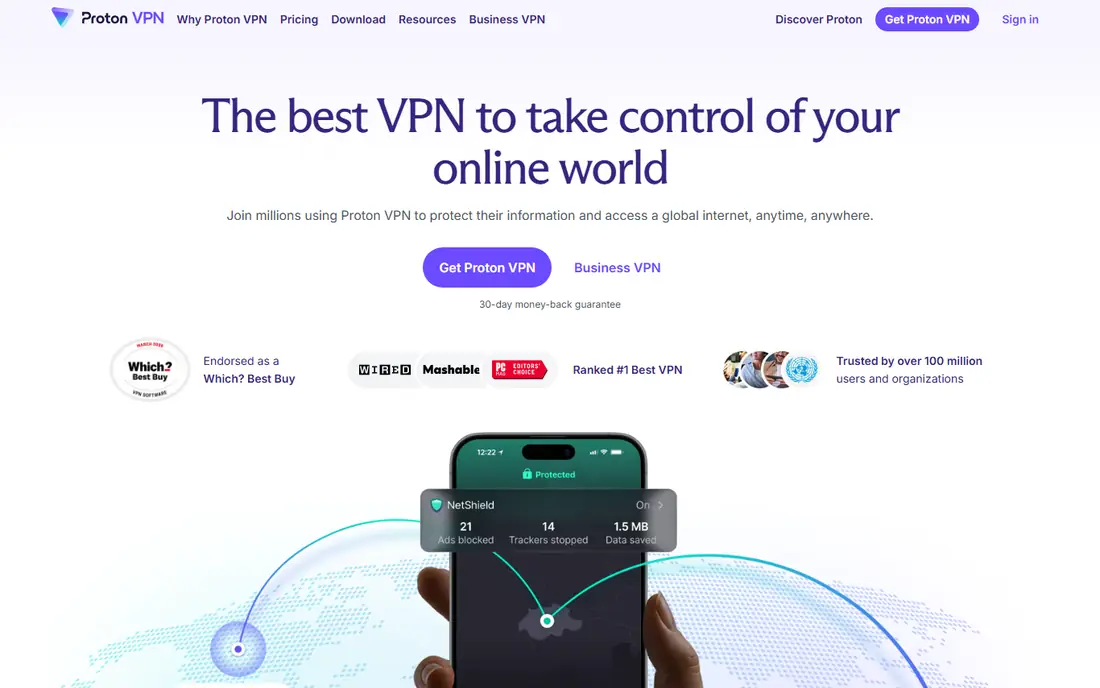
Proton VPN stands out because its free plan removes the usual pressure point, the data cap. You can leave it on for daily browsing, public Wi-Fi and travel without counting gigabytes, which is exactly how a privacy tool should work. The company is based in Switzerland, publishes its apps as open source, and points to independent audits of its no-logs policy, all of which help explain why privacy writers keep recommending it first.
The free plan does limit choice. You cannot always pick a specific country, and speeds depend on how busy free servers are at that moment. If you need a particular location, faster speeds or streaming support, the paid plan is the next step, but for general protection the free tier already covers the core job.
- Free plan with no data cap
- Open-source apps and audited no-logs claims
- Servers in several countries on the free plan
- Free plan assigns servers rather than letting you pick freely
- Paid plan needed for streaming servers and fastest speeds
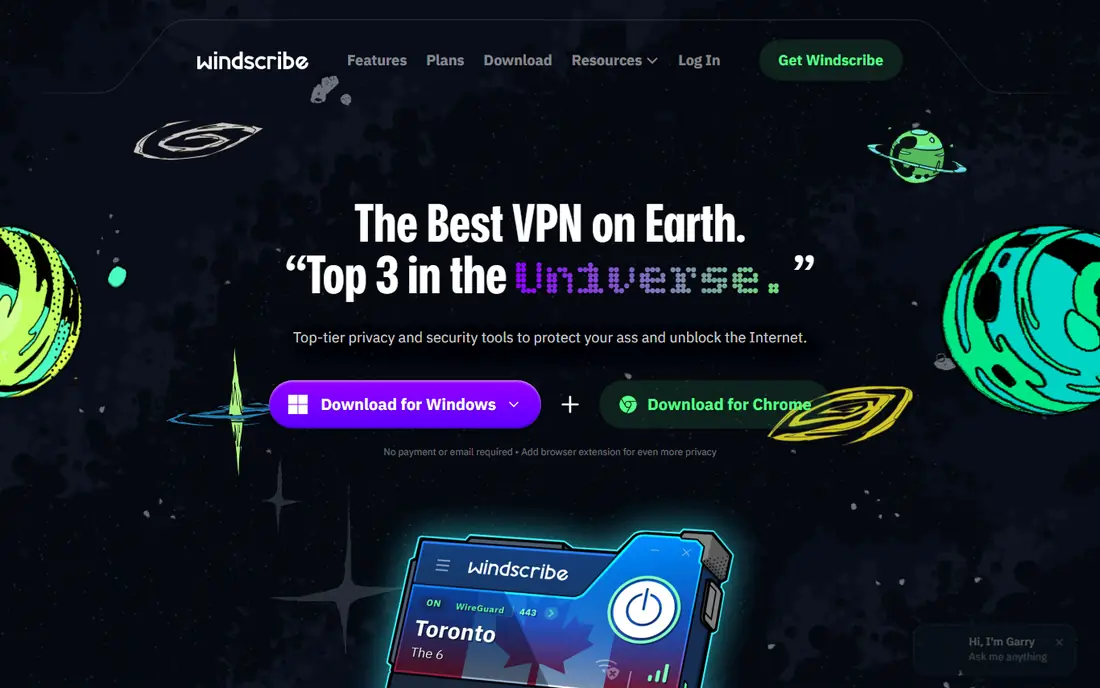
Windscribe trades unlimited data for control. Free users get a monthly allowance, larger with a confirmed email, and can pick from servers in several countries rather than accepting whatever the app assigns. Its blocking tool, known as R.O.B.E.R.T., adds ad and tracker blocking on top of the VPN tunnel, which is a useful bonus for everyday browsing.
Heavy video use will burn through the allowance quickly, and that is the honest limit of this pick. For occasional protection, travel and light browsing, though, the combination of choice and blocking makes it the strongest free rival to Proton VPN.
- Free servers in multiple countries you can choose
- Built-in ad and tracker blocking
- Apps for desktop, mobile and TV platforms
- Monthly data allowance limits heavy use
- Full allowance requires a confirmed email address
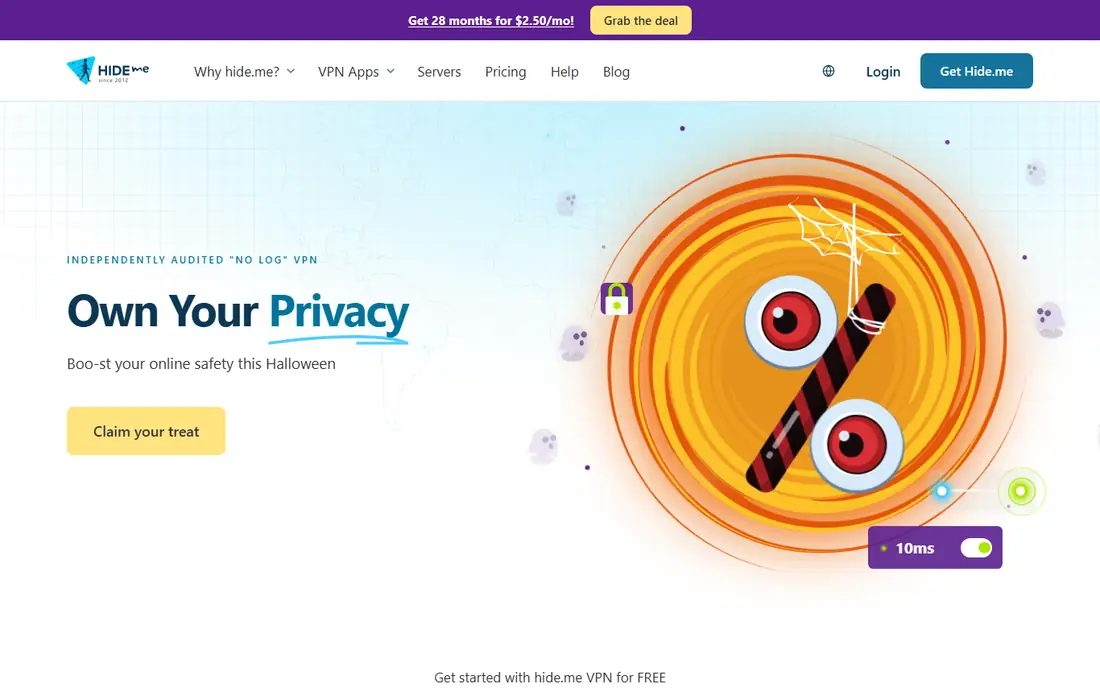
For users who like Proton VPN's unlimited model but want a second option, hide.me offers a similar shape. The free plan has no data cap in current comparisons, and it covers the main desktop and mobile platforms. A published no-logs policy and audit claims give it more credibility than the many free VPNs that publish almost nothing about their practices.
Free users still face a smaller server set than paying users, and busy servers can slow down at peak times. If Proton VPN is slow in your location, hide.me is worth trying as a free backup before you pay for anything.
- Free plan with no data cap in published comparisons
- Servers in several countries on the free plan
- No-logs policy with independent audit claims
- Free server choice is narrower than paid
- Speeds vary with free server load
TunnelBear wins on friendliness. The app uses a clear map, a single switch and plain language, so a first-time VPN user can connect in seconds without reading a manual. Independent security audits, published over several years, also set it apart from free rivals that never invite outside scrutiny.
The catch is the allowance, which covers only light browsing and a few sessions a month. Treat TunnelBear as a trial and occasional-use tool, not a daily driver, unless you plan to upgrade to a paid plan for a larger allowance.
- Simplest interface on this list
- Independently audited security claims
- Servers in many countries on paid plans
- Free allowance is small and runs out fast
- Free users cannot pick a specific server freely
PrivadoVPN appeals to users who want geographic choice without paying, since its free plan lists servers in a dozen or more countries in current comparisons. That range helps if you need a particular region for a specific site or service, and the apps cover the platforms most people actually use.
Data is the limit again. A monthly allowance suits browsing and email, but not regular video streaming or large downloads. For short trips and region checks, it is a practical free option, and the paid plan removes the cap if you use it more.
- Free plan covers servers in more than ten countries in comparisons
- Apps for desktop, mobile and TV devices
- Straightforward interface
- Monthly data allowance limits streaming and large downloads
- Smaller public audit profile than Proton VPN
Opera VPN is not a full VPN, and that distinction matters. It runs inside the Opera browser and protects traffic from that browser only, leaving other apps, such as email or messaging clients, outside the tunnel. Within that limit, it is genuinely useful, with no separate app to install and no data cap stated for browser use.
Choose it as a complement, not a replacement, for a full VPN. If you mainly want safer browsing on public Wi-Fi and you already use Opera, it costs nothing extra. If you need whole-device protection, pick one of the full apps above instead.
- Built into the Opera browser at no extra cost
- No data cap for browser traffic in the browser VPN
- Very easy to switch on
- Protects browser traffic only, not other apps
- Fewer location choices than a full VPN app
Hotspot Shield has been around for years, and its free plan keeps the pitch simple: connect with one tap and browse without a data cap in current comparisons. That simplicity suits users who want protection without settings, servers or jargon, and the apps cover desktop, mobile and TV platforms.
Free users get limited location choice, and the paid plan is where fuller controls live. It is a decent fallback if the top picks are slow where you are, but privacy-conscious users should read its current policy closely, since its ownership and policy history have drawn more scrutiny than Proton VPN or Windscribe.
- Very simple one-tap connection
- Unlimited data on the free plan in comparisons
- Wide device support
- Free plan limits server choice
- Paid plan needed for fuller features and location control
ZoogVPN is a smaller provider that still covers the basics well. Free users get servers in several countries and apps for the main platforms, which is enough for browsing, email and light use on public networks. Paid plans are priced below some larger rivals, so the upgrade path is less painful if you outgrow the free allowance.
The smaller network shows up in speed and choice at busy times, and its public audit profile is thinner than the top two picks. As a secondary free option, or for a user who wants a cheap paid plan later, it earns a place, but it is not our first recommendation.
- Free servers in several countries
- Apps for desktop, mobile and TV
- Low-cost paid plans for upgrades
- Monthly data allowance is modest
- Smaller server network than the leaders
Speedify solves a different problem from most VPNs. It bonds multiple internet connections, such as Wi-Fi and mobile data, to keep a connection steady when one network drops or slows. For travellers, streamers on the move and people on unreliable hotel Wi-Fi, that bonding can matter more than server choice.
The free plan allowance is small, and published reviews note that some privacy features, such as a kill switch, are limited or absent for free users, so read the current feature list before relying on it for sensitive work. As a connection tool with VPN features, it is distinctive, but for pure privacy the top picks above are stronger.
- Combines Wi-Fi and mobile data for steadier connections
- Servers in many locations on the free plan in comparisons
- Useful for travellers with patchy networks
- Free allowance is small
- Privacy features on the free plan are more limited in published reviews
How we picked these
We compared official feature pages, pricing pages, app store listings, privacy policies and public reviews, and we required a published privacy policy and a paid plan or clear business model behind every free tier. That rule removed many free VPNs that offer unlimited data with no visible way to pay for servers, since that gap often points to data monetisation. We weighted data caps, server choice, audit claims and upgrade price, and we treated streaming claims with caution, since streaming services block VPN servers often and without warning.
What to check before you trust a free VPN
Privacy policy and business model
Read the privacy policy for logging, jurisdiction and data sharing, and ask how the provider pays for servers. A provider with paid plans, audits and open-source apps has a visible income source, while a free-only provider with no paid tier needs another source, and that source may be your data. If the policy is vague about logs, choose another provider, even if the app looks polished.
Data caps, servers and speed
Free plans limit something, usually data, servers or speed, so match the limit to your use. Unlimited data suits daily use, while a 10 GB allowance suits browsing and email but not video. Server choice matters if you need a specific country, and speed matters most on public Wi-Fi, where the VPN already adds overhead. Test a free plan for a week before paying, and check speeds at the times you actually browse.
Kill switch and leaks
A kill switch stops traffic if the VPN drops, and DNS leak protection keeps lookups inside the tunnel. These features matter most on public networks, where a brief drop can expose browsing to the local network. Check whether your chosen plan includes a kill switch, since some free plans limit it, and test the app on your own device before relying on it for sensitive work.
Frequently asked questions
What are the best free VPN alternatives?
Proton VPN is our pick for unlimited free data with a credible privacy policy, while Windscribe is best if you want to choose free server locations. hide.me offers another unlimited-data free option, and TunnelBear suits beginners with light use. Avoid free VPNs with no published policy and no paid plan behind them.
Is there a truly free VPN with no data cap?
Yes, Proton VPN and hide.me both offer free plans with no data cap in current comparisons, though both limit server choice and speeds compared with paid plans. Opera VPN also has no data cap for browser traffic, but it protects the browser only. Always check the current free plan page, since caps and server lists change.
Are free VPNs safe?
Free VPNs from established providers with audits and paid plans can be safe for general browsing and public Wi-Fi, while unknown free VPNs can log, sell or leak data. Read the privacy policy, check for independent audits, and prefer providers that publish their apps as open source. Never use a free VPN for sensitive work if you cannot verify its logging policy.
What is the best VPN alternative for streaming?
Free plans are a poor fit for regular streaming, because data caps run out fast and streaming services block many free servers. Paid plans from Proton VPN, Windscribe and similar providers give you more servers and better odds, but no VPN can guarantee access to a particular streaming catalogue. Test with a free plan or a short paid term before committing to a long plan.
Do free VPNs work in restrictive countries?
Some free VPNs offer obfuscation or special protocols for restrictive networks, but free servers are often blocked first, and rules vary by country. Proton VPN and Windscribe both publish guidance for such networks, and paid plans usually work better there. Check local law and the provider's current guidance before travel, and install the app before you arrive.
Should I pay for a VPN instead of using a free one?
Pay if you need a specific country, faster speeds, streaming support, more devices or a kill switch on every platform. Free plans cover browsing and public Wi-Fi well, and they let you test an app before paying. If you use a VPN daily, a paid plan from a provider you trust is usually better value than juggling several capped free plans.
Sources we checked (9)

Online Jobs is an independent blog about careers, online work, learning new skills and the tools that help people earn. More about us.
Keep reading
All posts
Surfshark Alternatives
Looking for Surfshark alternatives? We compare 8 VPN services on price, privacy, streaming, and device limits to help you find a VPN that fits your needs.
NordPass Alternatives
We compared NordPass alternatives for families, solo users and teams, checking pricing, free plans, passkeys and sharing, so you can switch safely today.

Best VPN Service
We compared the best VPN service options for privacy, streaming and value, checking official pricing, free plans and honest limits before ranking them.