Best Company Mobile Phone in 2026: 9 Companies Compared

How we put this together: we compare official feature and pricing pages, app store listings, privacy policies and public user reviews. Prices change, so check the provider's site before you pay.
Key takeaways
- Apple and Samsung lead for long software support, resale value and wide accessory and repair options.
- Google Pixel phones offer the cleanest Android experience and strong cameras, with long update promises on recent flagships.
- Xiaomi, OnePlus and Motorola offer the best value, with strong hardware at prices well below Apple and Samsung flagships.
- Nothing and Honor suit buyers who want distinct design or strong European availability without paying flagship prices for every feature.
- The best mobile phone company for you depends on your existing ecosystem, not just on the newest model.
Quick comparison
| Name | Who it suits | Starting price | Free option | |
|---|---|---|---|---|
 Apple | Ecosystem and long support | See website | No | Visit |
 Samsung | Range and hardware choice | See website | No | Visit |
 Google | Clean Android and cameras | See website | No | Visit |
 Xiaomi | Value across price bands | See website | No | Visit |
 OnePlus | Fast charging and performance | See website | No | Visit |
 Motorola | Clean software at low prices | See website | No | Visit |
 Nothing | Distinct design and value | See website | No | Visit |
 Sony | Camera controls and media | See website | No | Visit |
 Honor | Balanced mid-range phones | See website | No | Visit |
The best company mobile phone
Choosing a phone company matters more than choosing a single model, because software updates, repair options, accessories and ecosystem links last longer than one handset. A company with a seven-year update promise, a wide service network and phones at several prices is a safer long-term choice than a brand with one strong flagship and little support. The companies below cover premium, value and specialist needs.
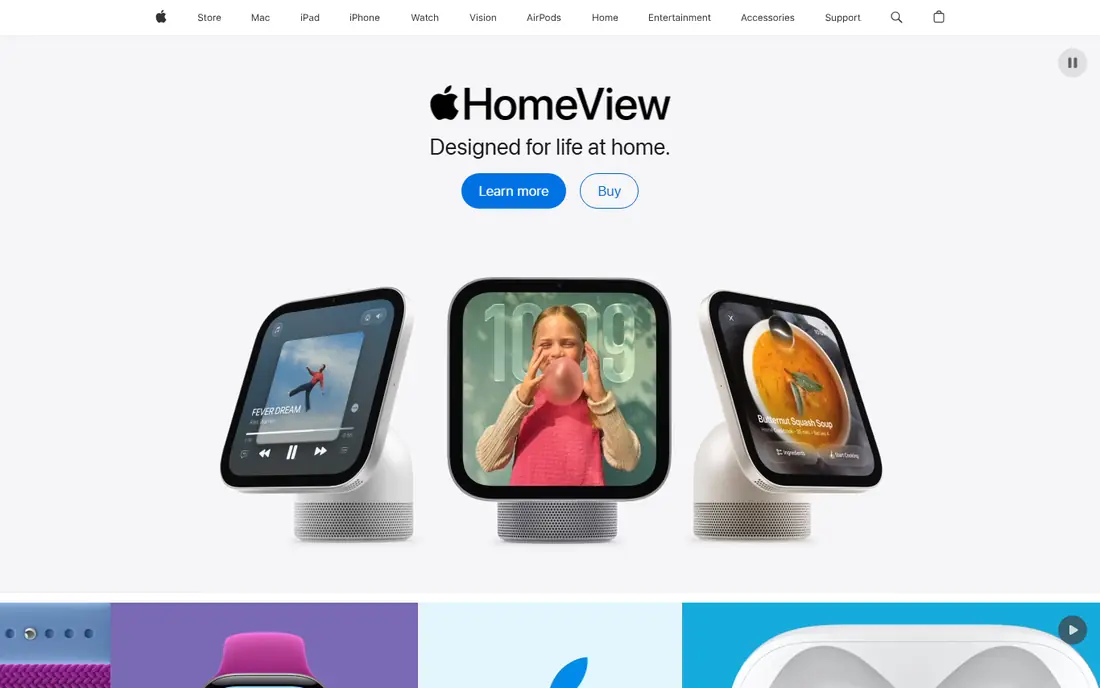
Apple remains the default for buyers who want a phone that holds value and works smoothly with other Apple devices. iPhones receive software updates for many years, AirDrop, Handoff and shared messaging make moving between phone, Mac and iPad simple, and the App Store and repair network are wide. Camera quality and battery life on recent Pro models are strong for business and personal use. Price is the main barrier, and Android users may find switching costs high if they rely on Google services or open file access. For buyers already in the Apple ecosystem, or who want the longest safe support window, Apple is the most dependable company pick.
- Long software support
- Strong resale value
- Deep integration with Mac, iPad and Watch
- Higher prices
- Less hardware variety and less open customisation than Android
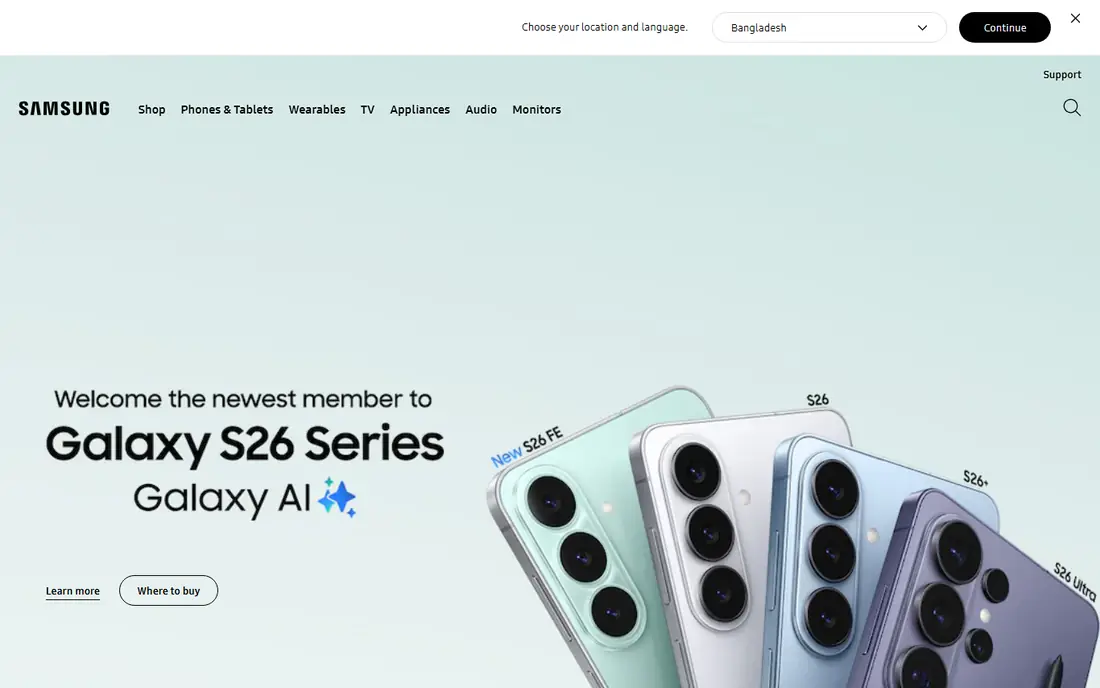
Samsung offers more choice than any other major phone company. Buyers can pick a low-cost Galaxy A phone, a balanced Galaxy S phone, an S Pen Ultra model or a foldable, all within one brand. Recent flagships list up to seven years of updates, and Samsung Knox security tools help business users who need managed devices. The range also creates confusion, since support length and camera quality vary sharply between budget and flagship models. Software includes more preinstalled apps than Pixel or Apple, which some users dislike. For buyers who want hardware variety and a strong Android flagship, Samsung is hard to beat.
- Widest range from budget to foldable flagships
- Long update promise on flagships
- Strong displays and cameras
- Software can feel busy
- Lower-priced models get shorter support than flagships
Google Pixel phones suit buyers who want Android without extra layers. Software updates arrive quickly, the interface is clean, and AI features for photos, calls and transcription are built in rather than added by a third party. Pixel cameras are widely praised for still photos in varied light, with little manual work needed. Hardware choice is narrower than Samsung, and some past models drew criticism for battery life or modem performance, so check reviews for the specific model you plan to buy. For Google Workspace users and Android buyers who value software first, Google is a strong company pick.
- Clean Android with fast updates
- Strong point-and-shoot cameras
- Deep Google service integration
- Smaller hardware range
- Battery and modem history varies by model
Xiaomi delivers flagship-level hardware at mid-range prices in many markets. Fast charging, large batteries and strong cameras appear on phones that cost far less than Apple or Samsung flagships, and the Redmi and Poco lines cover budget buyers well. Global availability is also wide, especially in Europe and Asia. Software is the compromise. MIUI and HyperOS include more preinstalled apps and, on some models, ads in system apps, though these can often be reduced in settings. Update promises are also shorter on cheaper models. For value-first buyers who are comfortable adjusting settings, Xiaomi offers more hardware per pound or dollar than most rivals.
- Strong hardware for the price
- Fast charging on many models
- Wide global availability
- Software includes ads and extra apps on some models
- Update length varies by price band
OnePlus built its name on speed, and that focus remains. Fast charging can refill a phone in well under an hour on many models, performance feels smooth for gaming and multitasking, and the Android interface is cleaner than Samsung or Xiaomi. Prices often sit below Samsung flagships for similar hardware. Cameras are good but not always class-leading, especially in low light compared with Pixel or iPhone Pro models. Service and retail presence also vary by country, so check local support before buying. For performance and charging at a fair price, OnePlus is a strong mid-range and flagship alternative.
- Very fast charging
- Smooth performance
- Cleaner Android than many rivals
- Camera quality trails Google and Apple on some models
- Smaller service network in some regions
Motorola is a practical pick for buyers who want a simple phone at a low price. Its Android interface is close to stock, with a few useful additions such as twist to open the camera and chop for the torch. Moto G phones cover budget needs well, while Edge phones add better screens and cameras for mid-range buyers. Update length is the main limit, since Motorola promises fewer years than Google or Samsung on flagships. Cameras on budget models also lag behind Pixel A-series phones in some tests. For a low-cost, easy-to-use phone without heavy software layers, Motorola remains a dependable company.
- Near-stock Android
- Strong budget and mid-range value
- Useful Moto gestures
- Shorter update promises than Samsung or Google flagships
- Camera quality varies
Nothing stands out for design and software simplicity. Its phones use a transparent-style back and light interface that look different from most Android phones, while the software stays close to stock Android with few extras. Mid-range models offer good screens, battery life and cameras for the price. As a smaller company, Nothing has a shorter track record for long-term support and repair than Apple or Samsung. Its range is also narrower, with fewer budget and premium options. For buyers who want a fresh design and clean software at a mid-range price, Nothing is a refreshing alternative.
- Distinct transparent design
- Clean software
- Competitive mid-range prices
- Smaller company with a shorter track record
- Limited flagship range
Sony suits photographers and media users who want manual control. Xperia phones offer detailed camera settings, links to Sony Alpha cameras, and on some models a headphone jack and microSD support that flagships from other brands have dropped. Screens and audio playback are also strong for video and music. Prices are high for the hardware, and Sony phones are less common in shops and carrier ranges than Apple or Samsung, which can affect accessories and repair. For a specialist buyer who values camera control and media features over mass-market support, Sony still has a clear niche.
- Manual camera controls and Alpha camera links
- Headphone jack on some models
- Strong media playback
- High prices
- Smaller market presence and slower updates in some regions
Honor has grown quickly in Europe with balanced phones that focus on battery life, screens and value. Mid-range models often last a full day or more on a charge, and prices undercut Samsung flagships while keeping solid cameras and build quality. The brand also benefits from a wider retail presence than a few years ago. Long-term software support is less proven than Google or Samsung flagships, so check the update promise for the exact model. Flagship availability also varies by country. For a balanced mid-range phone with strong battery life, Honor is a practical company to shortlist.
- Strong battery life on many models
- Competitive mid-range prices
- Growing European presence
- Software support history is shorter than Samsung or Google
- Flagship availability varies
How we picked these
We compared official feature pages, pricing pages, app store and carrier listings and public reviews for phone companies that sell current models in October 2026. We weighted software update length, hardware range, camera and battery performance, ecosystem links, repair and service availability and price. Companies with only a single outdated model, or with no clear current range, did not make the list.
How to pick a phone company, not just a phone
Start with the devices you already own. Apple users get more value from an iPhone, Google Workspace users get more from a Pixel, and Windows or mixed-device users often do well with Samsung. Next, check the update promise for the exact model, not just the brand, because budget models often get fewer years than flagships. Test the camera in low light, check battery claims against independent reviews, and confirm repair options in your area. Also consider total cost, including case, charger if not included, and any subscription for cloud storage. A cheaper phone with a short support window can cost more over four years than a pricier phone that stays secure and usable for longer.
Frequently asked questions
What is the best mobile phone company?
Apple and Samsung are the strongest overall companies for support, resale value and range. Google is best for clean Android and cameras, while Xiaomi and Motorola offer better value at lower prices. The best company depends on your ecosystem, budget and how long you plan to keep the phone.
Which phone company is best for business?
Apple and Samsung lead for business use, because both offer strong security tools, device management and long support on flagship models. Google Pixel also works well for Google Workspace teams. For field work, Samsung rugged models and Motorola business models are worth checking alongside the main flagships.
What is the best company for a mobile phone on a budget?
Xiaomi, Motorola and Nothing offer the best value at budget and mid-range prices. Xiaomi gives the most hardware for the money, Motorola gives the cleanest software, and Nothing gives a distinct design with clean software. Check update length, since budget models often get fewer years of support.
Is Apple or Samsung better?
Apple is better for ecosystem integration, long support and resale value, while Samsung is better for hardware variety, displays, S Pen use and foldables. Both make excellent flagships. Choose Apple if you use Mac, iPad or Watch, and Samsung if you want Android flexibility and a wider model range.
Which phone company has the longest software updates?
Apple, Google and Samsung now lead on update length, with Google and Samsung listing up to seven years on recent flagships. Apple does not publish a fixed number in the same way, but iPhones have a long history of multi-year updates. Always check the promise for the exact model you plan to buy.
Do Chinese phone brands offer good support in the UK and Europe?
Xiaomi, Honor and OnePlus all sell widely in Europe with local service options, though coverage varies by country. Check warranty terms, repair locations and update promises for your market before buying. Global models and imported models can differ in support, so buy from an authorised seller where possible.
Sources we checked (9)

Online Jobs is an independent blog about careers, online work, learning new skills and the tools that help people earn. More about us.
Keep reading
All posts
n8n Alternatives
n8n alternatives compared for 2026, with Zapier, Make, Activepieces, and more, covering visual builders, code steps, self-hosting, and pricing models.

ZoomInfo Alternatives
The best ZoomInfo alternatives in 2026, compared on price, free plans, data coverage, and which tool fits small teams or large sales teams best in detail.
Yotpo Alternatives
Find cheaper alternatives to Yotpo for reviews and loyalty, with Judge.me, Loox, Stamped, and more compared for Shopify stores in 2026, all in one guide.