Best Certifications for Software Engineers in 2026: 9 Certifications Compared


Cloud architecture on AWS · Starting price: See website
How we put this together: we compare official feature and pricing pages, app store listings, privacy policies and public user reviews. Prices change, so check the provider's site before you pay.
Key takeaways
- The best certification matches the job you want next, not the one that sounds most impressive.
- Cloud certifications suit engineers building on a specific platform, while vendor-neutral certs suit broader roles.
- Security and project certifications often matter most once you move toward senior, lead, or management work.
- Exam fees are only part of the cost, because study time, practice tests, and renewal work also count.
- Check the official issuer page for current fees, exam version, and renewal rules before you book.
Quick comparison
| Name | Who it suits | Starting price | Free option | |
|---|---|---|---|---|
| AWS Certified Solutions Architect Associate | Cloud architecture on AWS | See website | No | Visit |
 Google Professional Cloud Architect | Cloud architecture on Google Cloud | See website | No | Visit |
 Microsoft Azure Fundamentals AZ-900 | Starting with Azure | See website | No | Visit |
 CompTIA Security+ | Security foundations | See website | No | Visit |
 CISSP | Senior security leadership | See website | No | Visit |
 Certified Kubernetes Administrator | Container platforms | See website | No | Visit |
 PMP | Project leadership | See website | No | Visit |
 Certified ScrumMaster | Agile team work | See website | No | Visit |
 Oracle Certified Associate Java Programmer | Core Java skills | See website | No | Visit |
The best certifications for software engineers
We compared certifications by employer recognition, fit for software work, study effort, and renewal burden. A certificate does not replace shipped work, but it can open doors when a hiring team needs a clear signal about a skill, especially in cloud, security, and regulated work. Use this list to match a credential to your next role, then confirm fees and exam details on the issuer site.
AWS Certified Solutions Architect Associate
Who it suits: Cloud architecture on AWS
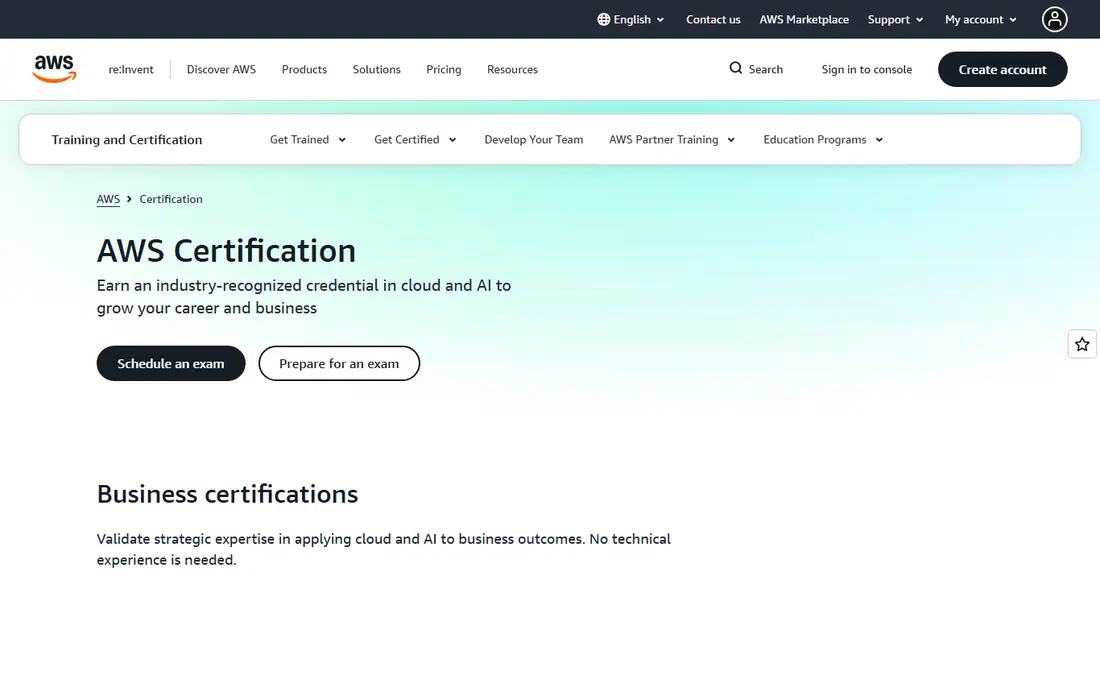
This is our pick for most software engineers who already build on AWS or plan to. It tests how you design systems that are available, cost aware, and secure, rather than asking you to memorise service names alone. That design focus makes it useful in interviews, because you can talk through trade-offs in real projects. The catch is scope. If your team uses Google Cloud or Azure, this cert will not carry the same weight, so choose the platform your target jobs actually use.
- Widely recognised by AWS employers
- Covers design, storage, compute, and networking
- Useful for backend and platform roles
- Focused on AWS only
- Exam content changes with service updates
Google Professional Cloud Architect
Who it suits: Cloud architecture on Google Cloud
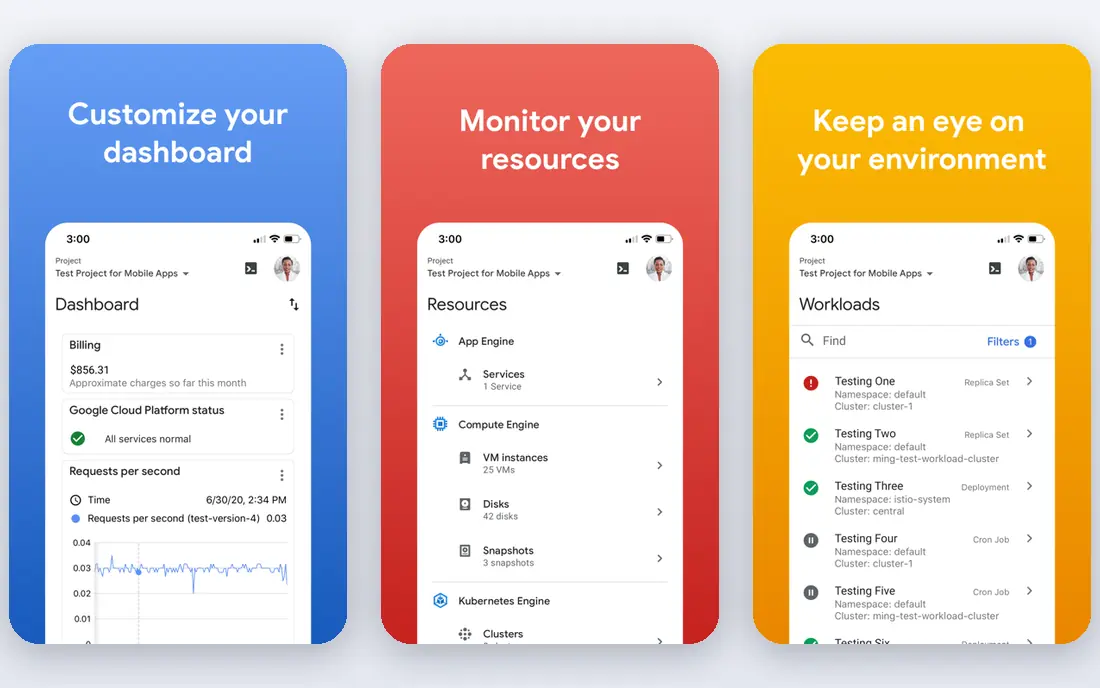
Google Professional Cloud Architect suits engineers who design on Google Cloud, especially where data pipelines, analytics, and managed services matter. The exam leans on scenarios, so you need to think about requirements, constraints, and costs, not just pick a service name. That makes it a good signal for senior cloud roles. The weakness is market size. In cities where AWS hiring dominates, an AWS cert may open more doors, so check job postings in your area before you commit study time.
- Strong for data, analytics, and Google Cloud design
- Respected by Google Cloud employers
- Case-based questions test judgement
- Smaller job pool than AWS in some regions
- Needs hands-on Google Cloud practice
Microsoft Azure Fundamentals AZ-900
Who it suits: Starting with Azure
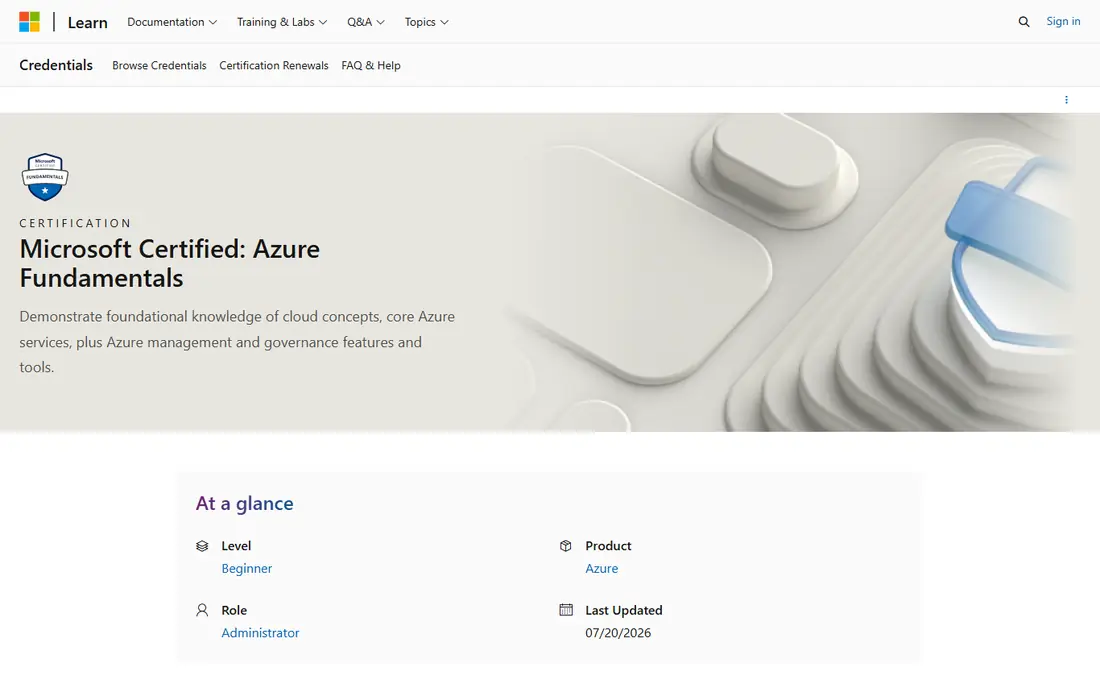
AZ-900 is a starting point, not a destination. It covers cloud concepts, Azure services, security, and pricing at a broad level, which helps engineers who are new to Azure or who work with Microsoft products. It is also a sensible first step before role-based Azure certifications. The honest limit is depth. Employers hiring for Azure engineering roles will expect project work and deeper certs, so treat AZ-900 as a foundation and plan your next step early.
- Low entry barrier for Azure concepts
- Good first cert for engineers in Microsoft shops
- No renewal exam in the same way as role-based certs
- Too basic alone for senior roles
- Limited weight without hands-on Azure work
Security+ fits software engineers who want a solid grounding in threats, controls, identity, and secure design without specialising in one vendor. It is often listed in job postings for support, operations, and security-adjacent engineering roles, and it pairs well with cloud certs. The trade-off is depth. It will not by itself qualify you for a senior security engineering role, and you will need to renew it through continuing education. Use it as a base, then add a deeper security or cloud security cert if that is your direction.
- Vendor-neutral security basics
- Recognised in government and enterprise hiring
- Useful for engineers who touch security work
- Broad rather than deep
- Renewal requires continuing education or a higher exam
CISSP is for experienced professionals moving toward security architecture, management, or leadership, not for engineers just starting in security. It covers eight domains, from risk management to software development security, and the experience requirement is a real gate. That breadth is why employers in finance, health care, and government value it. The catch is timing. Taking it too early wastes money and study time, because you need the experience to qualify fully. Build security project work first, then use CISSP to formalise it.
- Strong recognition for security leadership
- Covers governance, risk, and architecture
- Valued in regulated industries
- Requires years of relevant experience
- Exam and annual fees are high
- Heavy study load
Certified Kubernetes Administrator
Who it suits: Container platforms
The Certified Kubernetes Administrator, or CKA, suits engineers who run, deploy, or support containerised applications. Unlike many certs, the exam asks you to complete tasks in a live cluster, which makes it a stronger signal for platform work. If your team uses Kubernetes daily, this cert maps closely to that work. The weakness is preparation style. Reading alone will not pass it. You need repeated practice with clusters, troubleshooting, and networking, and you should budget lab time alongside reading.
- Hands-on, task-based exam
- Directly relevant to platform and DevOps roles
- Vendor-neutral across Kubernetes distributions
- Needs real cluster practice
- Exam format can surprise candidates used to multiple choice tests
PMP fits software engineers who lead projects, coordinate teams, or want to move into engineering management or delivery management. It covers planning, stakeholder work, risk, and agile and predictive methods, and employers in large organisations often list it for lead roles. The catch is eligibility. You need documented project leadership experience and formal training, and the exam is broad. If you want to stay focused on coding and architecture, a cloud or platform cert will serve you better than PMP.
- Widely recognised for project leadership
- Useful for lead engineers moving into delivery roles
- Structured approach to planning and risk
- Requires project experience and training hours
- Less relevant for engineers who want to stay purely technical
Certified ScrumMaster is a practical choice if you facilitate agile teams, run standups and retrospectives, or want to move into a Scrum Master role. The course covers Scrum roles, events, and artefacts in a compact format, and many software teams recognise the credential. The honest limit is that a two-day course cannot replace experience with real teams, backlogs, and delivery pressure. Pair the cert with visible agile work, such as running a team process or improving delivery flow, or hiring managers will see it as a paper credential only.
- Quick entry to agile roles
- Useful for team leads and Scrum Masters
- Widely understood in software teams
- Short course alone does not prove agile skill
- Value depends on real team experience
Oracle Certified Associate Java Programmer
Who it suits: Core Java skills
This Java certification suits engineers who work in Java enterprise systems, banking, or large corporate codebases where Java remains central. It tests language fundamentals, data types, control flow, and object-oriented concepts in depth, which can help junior and mid-level Java developers show a solid base. The limitation is scope. If your target roles use Python, Go, JavaScript, or cloud platforms, this cert will matter far less than a platform cert or a strong project portfolio. Choose it only when Java is central to your next role.
- Tests core Java language knowledge
- Useful for Java-heavy enterprise roles
- Clear syllabus for study
- Narrower than cloud or security certs
- Less useful outside Java teams
How we picked these
We compared official issuer pages, employer demand in software job postings, the skill each cert actually tests, and the effort and renewal burden involved. We favoured certs that hiring teams list by name, that test applied skill rather than memorisation alone, and that cover distinct paths: cloud, security, platform, project, agile, and language work. We left out short course certificates that do not involve a proctored exam, because they carry less weight with most employers.
How to choose the right certification
Start from job postings, not from a list. Search for your target role in your city, note which certifications appear again and again, and pick the one that appears most often for roles you can realistically apply for in the next year. That simple check prevents the common mistake of studying for a credential that local employers never ask for. Also check whether the role needs the cert before you apply, or whether it is listed as preferred, because that changes how urgent it is.
Next, be honest about study time and prerequisites. A senior cert with an experience requirement will not help if you cannot qualify yet, and a hands-on exam will fail without lab practice. Plan a weekly study block you can keep, use official practice material first, and set an exam date only when practice scores are steady. After you pass, keep the credential current, because an expired cert can hurt more than no cert if a hiring team checks it.
Finally, pair every cert with work you can show. A cloud cert plus a small deployed project, a security cert plus a fixed vulnerability write-up, or a Scrum cert plus a real retrospective you ran will always beat a cert alone. Keep your resume focused on outcomes from that work, and list the cert with its issuer and date so employers can verify it quickly.
Frequently asked questions
What are the best software engineer certifications for beginners?
Azure Fundamentals, Security+, and an associate-level cloud cert are sensible starting points, because they test foundations without senior experience requirements. Pair them with small projects, because employers still weigh shipped work heavily for junior roles.
What are the best software engineering certifications for cloud jobs?
AWS Solutions Architect Associate, Google Professional Cloud Architect, and Azure role-based certs lead for cloud jobs, and the best choice follows the platform in the job postings you target. Check your local market before you pick one platform over another.
Are the best certifications for software developers worth the cost?
They can be, when the cert matches a role you want and employers list it by name. They are less worth it when the cert is unrelated to your target role, when you lack the experience to use it, or when study time would be better spent on a portfolio project.
What are the top certifications for software engineers moving into security?
Security+ is a good base, followed by cloud security certs or CISSP once you have the required experience. The order matters, because CISSP is designed for senior security work and will not substitute for hands-on security experience.
What are the best software development certifications for project roles?
PMP suits project leadership and delivery management, while Certified ScrumMaster suits agile team facilitation. Choose PMP for formal project work in large organisations, and ScrumMaster for software teams that work in short sprints.
Which is the best certification software engineers can get for Kubernetes?
The Certified Kubernetes Administrator is the clearest fit, because its task-based exam mirrors real cluster work. It suits platform engineers, DevOps engineers, and backend engineers who deploy containerised services.
Sources we checked (9)
- https://aws.amazon.com/certification/
- https://cloud.google.com/certify/cloud-architect
- https://learn.microsoft.com/en-us/credentials/certifications/azure-fundamentals/
- https://www.comptia.org/certifications/security
- https://www.isc2.org/certifications/cissp
- https://www.cncf.io/training/certification/cka/
- https://www.pmi.org/certifications/project-management-pmp
- https://www.scrumalliance.org/get-certified/scrum-master-track/certified-scrummaster
- https://education.oracle.com/java-certification

Online Jobs is an independent blog about careers, online work, learning new skills and the tools that help people earn. More about us.
Keep reading
All posts
Companies With the Best Benefits
Companies with the best benefits in 2026: we compare eight employers on parental leave, health cover, flexible work, and perks staff actually use daily.
Best Travel Nursing Companies
Compare the best travel nursing companies for pay, benefits, housing, and recruiter support, with top agencies for first-time and experienced travelers.
Best Retail Companies to Work For
Best retail companies to work for in 2026: we compare 8 top US retailers on pay, benefits, training and promotion paths for store and corporate roles.