Best Blogging Platform in 2026: 9 Platforms Compared

How we put this together: we compare official feature and pricing pages, app store listings, privacy policies and public user reviews. Prices change, so check the provider's site before you pay.
Key takeaways
- WordPress.org is our pick for most bloggers, because it gives you full ownership, plugins and room to grow with no platform ceiling.
- Ghost is the best platform for newsletter-first writers who want paid memberships without a platform revenue cut.
- Substack is the easiest way to start a newsletter blog, because it is free and includes built-in discovery and payments.
- Medium suits writers who want a built-in audience, while Wix and Squarespace suit design-led blogs and small business sites.
- Ownership matters most in the long run, so check export options, custom domains and monetization rules before you build an audience.
Quick comparison
| Name | Who it suits | Starting price | Free option | |
|---|---|---|---|---|
 WordPress.org | Full ownership and growth | Free | Yes | Visit |
 WordPress.com | Managed WordPress blogging | Free | Yes | Visit |
 Ghost | Newsletter and membership blogs | $15 per month | Free trial | Visit |
 Substack | Newsletter-first writing | Free | Yes | Visit |
 Medium | Built-in audience for writers | Free | Yes | Visit |
 Wix | Drag-and-drop blogs for beginners | Free | Yes | Visit |
 Squarespace | Design-led blogs and portfolios | $16 per month | Free trial | Visit |
 Blogger | Truly free hobby blogging | Free | Yes | Visit |
 Beehiiv | Newsletter growth for creators | Free | Yes | Visit |
The best blogging platform
We compared official pricing pages, feature pages and public documentation for blogging platforms that work today. Our pick for most bloggers is WordPress.org, because it gives you full control over content, design, SEO and monetization, while Substack is our pick for writers who want to publish and grow an email list with the least setup.
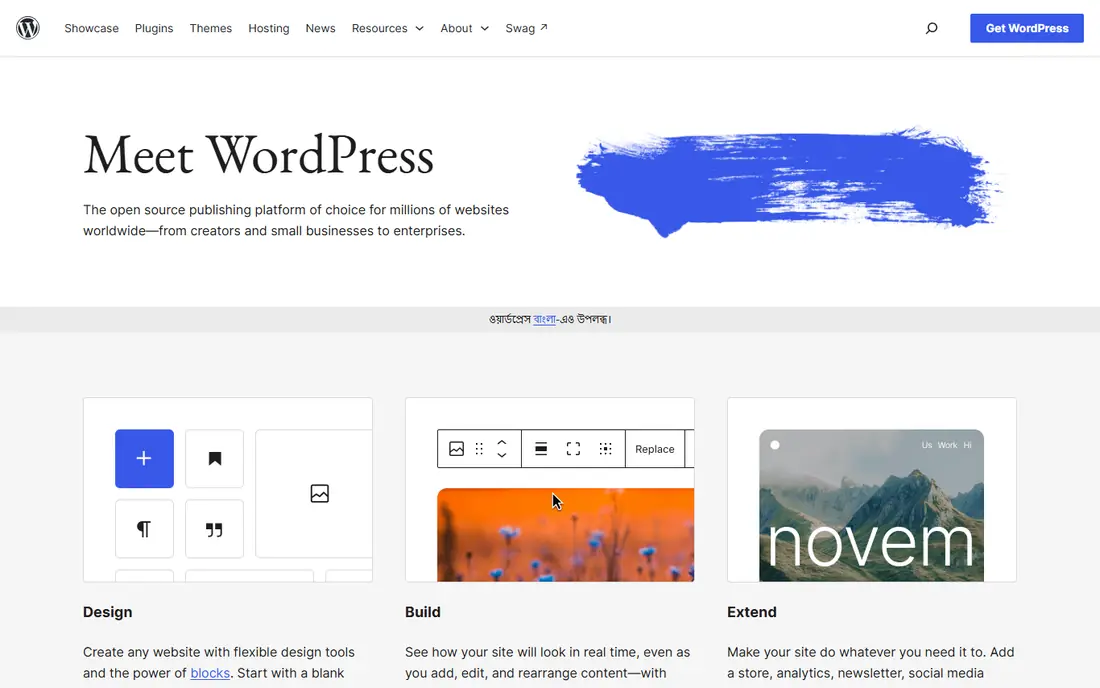
WordPress.org is the self-hosted version of WordPress, and it remains the best blogging platform for most people who plan to blog seriously. The software itself is free, you choose your host, domain and theme, and you can add plugins for SEO, newsletters, memberships, shops and almost any other function. That flexibility is why it powers a large share of the web and why it scales from a personal blog to a full business site.
Hosting starts from around $3 per month in several listings, which keeps entry costs low. The trade-off is responsibility, since you handle hosting, updates, backups and security, or pay a managed host to handle them for you. If you want a blog you truly own, with no platform limit on ads, affiliates, products or memberships, WordPress.org is the right foundation.
- Full ownership of content and data
- Thousands of plugins and themes
- No ceiling on monetization or growth
- Hosting is required, from around $3 per month
- Setup takes longer than Substack or Medium
- You handle updates and security
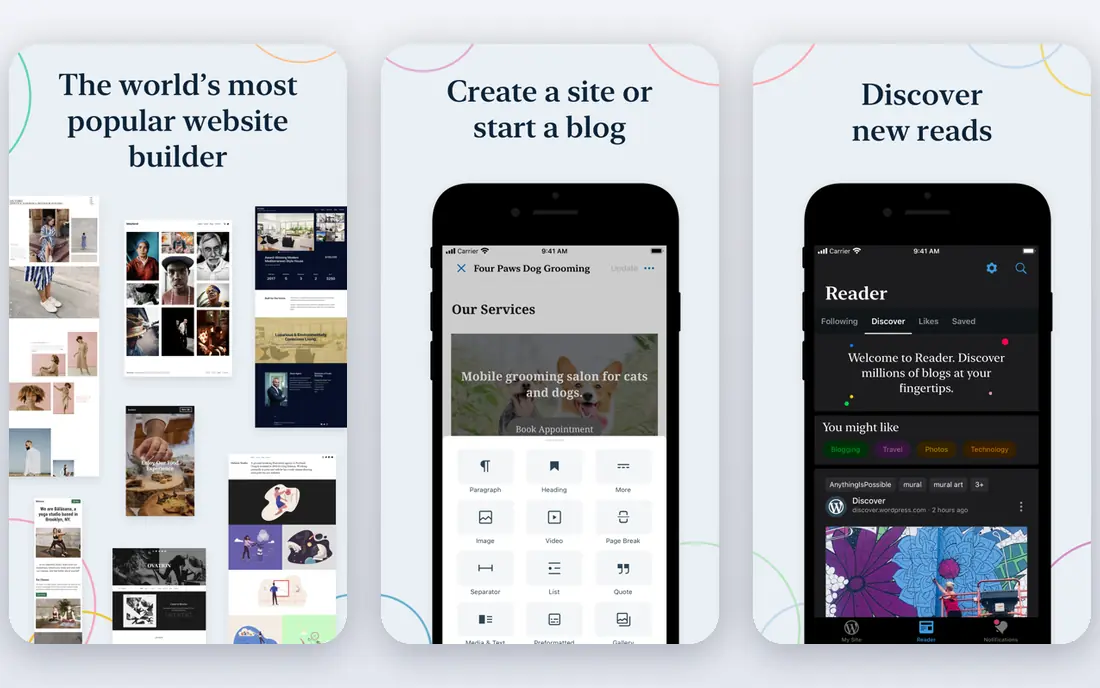
WordPress.com is the hosted version of WordPress, run by Automattic, and it suits readers who want WordPress without managing a server. You sign up, pick a theme and publish, with hosting, updates and security handled for you. The free plan covers basic blogging, while paid plans remove ads and add features, with Personal listed at $9 per month in several recent comparisons.
In April 2026, WordPress.com opened plugins and themes to all paid plans, which made it more competitive for growing blogs. You still have less control than WordPress.org, and you remain on WordPress.com infrastructure and terms. Choose WordPress.com when you want WordPress ease without hosting work, and WordPress.org when ownership and full control matter most.
- No hosting setup needed
- Free plan for starting
- Paid plans from $9 per month for Personal in several listings
- Plugins on paid plans
- Free plan shows ads
- You are bound by WordPress.com terms
- Full control is less than self-hosted WordPress.org
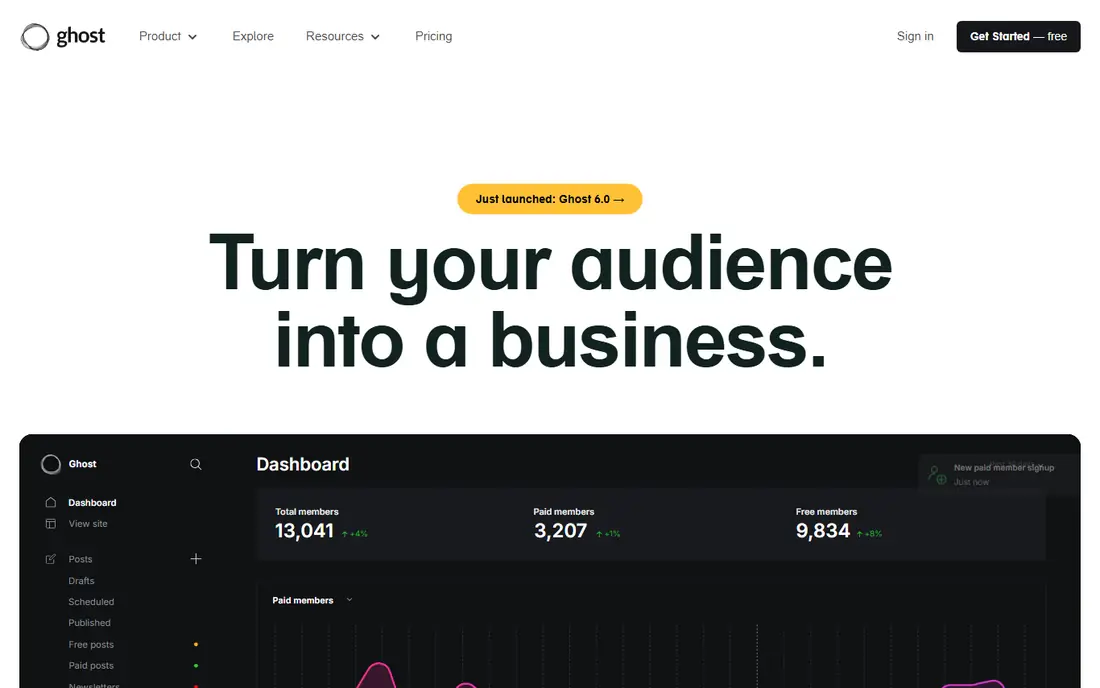
Ghost is built for independent publishers who want a blog plus a newsletter plus paid memberships in one place. You can publish posts, send newsletters, offer free and paid tiers, and keep subscriber data portable. Unlike Substack, Ghost takes no cut of your subscription revenue, so you pay a fixed monthly fee and keep the rest after Stripe processing fees.
Hosted Ghost Pro starts at $15 per month in several listings, with higher tiers by audience size, while self-hosted Ghost software is free if you manage your own server. The trade-off is ecosystem size, since Ghost has fewer plugins and themes than WordPress. For newsletter-first writers who plan to charge subscribers, Ghost economics beat Substack once paid subscribers grow.
- Built-in newsletters and paid memberships
- Zero platform fee on subscriptions, only Stripe fees
- Clean, fast publishing editor
- Hosted plans start at $15 per month in several listings
- Self-hosting needs server skills
- Theme and plugin ecosystem is smaller than WordPress
Substack is the easiest blogging platform to start, because you can publish a post and send a newsletter in minutes with no hosting, theme or plugin setup. The platform includes payments, subscriber management and discovery through its app and network, which helps new writers find readers without building an audience from zero.
The catch is the revenue share. Substack is free for free newsletters, but when you add paid subscriptions it takes 10 percent of revenue plus Stripe processing fees. At scale, that cut can exceed the fixed fee of Ghost. Custom domains also need a paid upgrade. Choose Substack when zero upfront cost and built-in discovery matter most, and Ghost when you want to keep all subscription revenue.
- Free to start with no subscriber cap
- Built-in payments and discovery
- Simple editor with newsletter and blog in one place
- Takes 10 percent of paid subscription revenue plus Stripe fees
- Custom domains need a paid upgrade
- Discoverability runs through Substack
Medium suits writers who care more about reaching readers than about owning a site. You publish in a clean editor, Medium recommends your work to readers interested in the topic, and you can build a following without SEO, hosting or design work. That built-in audience is the main reason to choose Medium over a standalone blog.
The limits are control and ownership. You cannot fully customize design, SEO controls are limited, and monetization follows Medium rules rather than your own ads, affiliates or products. Export options exist, but the audience relationship runs through Medium. Use Medium to reach readers and test ideas, and use WordPress or Ghost when you want a blog you fully own.
- Free to publish
- Built-in readers and recommendations
- Clean reading experience with no setup
- Limited SEO and design control
- You do not own the audience relationship in the same way
- Monetization is set by Medium
Wix is a good blogging platform for beginners who want a visual site plus a blog, without learning WordPress. You drag elements onto a page, pick a template, add a blog section, and publish, with hosting included. That visual control helps small businesses that need a website and a blog in one place, rather than a writing-only platform.
Paid plans start from $17 per month in several listings, and the free plan is limited, with Wix branding and a Wix subdomain. The main catch is portability, since moving a full Wix site to another platform is harder than exporting WordPress posts. If design control and an all-in-one site matter more than long-term portability, Wix is a strong beginner pick.
- Visual drag-and-drop editor
- Free plan for starting
- Built-in newsletter and ecommerce features on paid plans
- Paid plans start from $17 per month in several listings
- Free plan is limited and shows Wix branding
- Moving a Wix site elsewhere is harder than exporting WordPress
Squarespace suits bloggers who want a beautiful site without designing from scratch. Templates are polished, typography and image handling are strong, and blog, portfolio, newsletter and shop features sit in one account. That design quality makes Squarespace popular with photographers, designers, writers and small businesses that treat the blog as part of a portfolio.
Plans start at $16 per month in several listings, with a 14-day trial and no permanent free plan. Customization is more limited than WordPress, since you work within Squarespace templates and features rather than a plugin ecosystem. Choose Squarespace when design polish matters most and you are happy to pay for a managed, all-in-one site.
- Polished templates for design-led blogs
- Built-in newsletter, commerce and portfolio features
- Hosting and security included
- No permanent free plan, only a 14-day trial
- Paid plans start at $16 per month
- Customization is less open than WordPress
Blogger, from Google, is the truly free blogging platform in this list. You sign in with a Google account, pick a template and publish, with no hosting bill and no subscription. That simplicity suits hobby bloggers, classroom blogs and personal journals that do not need newsletters, memberships or advanced SEO.
The trade-off is modern features and growth. SEO controls are basic, design options are narrower than Wix or Squarespace, and Blogger has seen less development than WordPress, Ghost or Substack. For a free hobby blog, Blogger still works well. For a blog you plan to monetize or grow into a business, WordPress.org or Ghost will serve you better in the long run.
- Completely free with no hosting cost
- Simple setup with a Google account
- Basic templates and custom domain support
- Basic SEO and design controls
- Fewer modern features than WordPress or Ghost
- Long-term development is limited compared with major platforms
Beehiiv is a newsletter platform that also works as a blogging platform for creators who grow through email. You can publish posts, send newsletters, run referral programs and track growth in one dashboard, with a free plan covering up to 2,500 subscribers in several listings. That free tier makes Beehiiv a strong alternative to Substack for writers who want growth tools without an upfront fee.
The catch is focus. Beehiiv is newsletter-first, so a traditional blog with many pages and plugins fits WordPress better. Paid plans take over as your list grows beyond the free tier, and the ecosystem is smaller than WordPress. For creators whose main channel is email, Beehiiv gives you growth tools that Substack and Medium do not match as directly.
- Free plan up to 2,500 subscribers in several listings
- Custom domain included on free in some comparisons
- Built-in growth and referral tools
- Newsletter-first, so a standalone blog is secondary
- Paid plans needed as audience grows
- Smaller ecosystem than WordPress
How we picked these
We compared official pricing pages, feature pages and public documentation, and we kept only platforms that exist today and truly fit blogging, from full websites to newsletter-first publishing. We looked at starting price and free tiers, ownership and export options, custom domains, SEO control, monetization rules and room to grow. We also noted the honest catch for each platform, because a free plan that limits domains, ads or revenue share can cost more later than a paid plan today.
We did not claim hands-on testing we did not do. Our comparisons rest on vendor pages, pricing pages and public reviews, and prices can change, so check the vendor pricing page before you buy.
How to choose the right blogging platform
Start with your goal, not with the template gallery. If you want a business blog you own, pick WordPress.org. If you want a newsletter with paid subscribers, compare Ghost and Substack on economics. If you want readers fast, pick Medium or Substack. If you want a beautiful site plus a blog, pick Squarespace or Wix.
Check ownership before you build an audience
Check whether you can export posts, subscriber lists and domains, and move them elsewhere without losing your audience. WordPress.org and Ghost score well here, while Medium, Substack and Wix give you less direct control. Audience portability matters most after you succeed, which is exactly when a platform limit hurts most.
Compare the real cost of free
Free plans differ in what they take later. Substack takes 10 percent of paid subscriptions, WordPress.com shows ads on free, and Wix free shows branding. Ghost charges a fixed fee but takes no revenue cut, while WordPress.org software is free but hosting costs from around $3 per month. Model the cost at 1,000 subscribers or readers, not at launch.
Test publishing with a real post
Publish one real post on your shortlist, including images, links, headings and a newsletter send if that matters to you. Check how the post looks on mobile, how SEO fields work, and how subscribers receive it. A platform that feels good for a test post will feel good for your fiftieth post, while a platform that frustrates you on day one rarely improves.
Frequently asked questions
What is the best blogging platform?
WordPress.org is the best blogging platform for most people, because it offers full ownership, plugins, SEO control and no ceiling on growth or monetization. Ghost is best for newsletter memberships, Substack is best for easy newsletter starts, and Medium is best for reaching a built-in audience. The best platform depends on ownership, monetization and whether email or a website is your main channel.
What is the best platform to start a blog for free?
WordPress.com, Substack, Medium, Blogger and Beehiiv all offer free plans for starting a blog. WordPress.com gives you a free WordPress site with ads, Substack gives you a free newsletter blog, Medium gives you a built-in audience, Blogger gives you a truly free hobby blog, and Beehiiv gives you a free newsletter tier up to 2,500 subscribers in several listings. Choose by whether you want a website, a newsletter or an audience first.
What is the best blogging platform for beginners?
Substack and Medium are the easiest blogging platforms for beginners, because you can publish in minutes with no hosting or design setup. Wix is also beginner-friendly for visual sites, while WordPress.com offers a managed WordPress start. WordPress.org is best for beginners who plan to grow, since it takes more setup at first but avoids a later migration.
Is WordPress or Ghost better for blogging?
WordPress.org is better for a full blog or business site with plugins, themes and many monetization options. Ghost is better for a newsletter and membership blog with a clean editor and no platform revenue cut. Choose WordPress for breadth and growth, and Ghost for a focused publishing and membership workflow with predictable fixed pricing.
Can I make money from blogging on these platforms?
Yes, through ads, affiliate links, sponsored posts, digital products, memberships and paid subscriptions, depending on the platform. WordPress.org gives you the most monetization freedom, Ghost takes no platform cut on subscriptions, and Substack takes 10 percent of paid subscription revenue. Medium sets its own payout rules, while Wix and Squarespace support commerce and membership features on paid plans. Check each platform monetization rules before you build an audience around one income stream.
How do I move my blog to another platform later?
Export your posts, pages, images and subscriber list from your current platform, set up the new platform, import the content, and redirect your domain and old URLs where possible. WordPress and Ghost support exports well, while Medium, Substack and Wix exports vary in completeness. Keep your custom domain under your own control, since a domain you own makes a later move far easier than a platform subdomain.
Sources we checked (9)

Online Jobs is an independent blog about careers, online work, learning new skills and the tools that help people earn. More about us.
Keep reading
All posts
Best Blog Platform
Best blog platform picks for 2026: compare WordPress, Ghost, Squarespace, Wix and more on price, SEO tools, and ease of use, with our top pick for most blogs.
Zoom Alternatives
Zoom alternatives compared for 2026: Google Meet, Microsoft Teams, Webex, Jitsi and more for free calls, large meetings and webinars for teams and classrooms.
Top Rated Poster Maker Software
Top rated poster maker software compared for 2026: Canva, Adobe Express, VistaCreate, PosterMyWall and more for events, sales and classrooms for US users.