Best Binaural Beats App in 2026: 8 Apps Compared

How we put this together: we compare official feature and pricing pages, app store listings, privacy policies and public user reviews. Prices change, so check the provider's site before you pay.
Key takeaways
- Brain.fm suits focused work sessions, while Pzizz suits sleep and naps with guided sessions built for bedtime.
- myNoise and Momental suit listeners who want to mix frequencies with rain, noise, and nature sounds by hand.
- Binaural beats need stereo headphones to work as intended, because each ear must hear a different tone.
- Binaural beats are not a medical treatment for sleep or anxiety problems, so talk to a clinician if sleep problems persist.
Quick comparison
| Name | Who it suits | Starting price | Free option | |
|---|---|---|---|---|
 Brain.fm | Focus sessions | $14.99 per month | Free trial | Visit |
 Pzizz | Sleep and naps | See website | Yes | Visit |
 Endel | Adaptive soundscapes | See website | Free trial | Visit |
 myNoise | Deep sound customization | Free | Yes | Visit |
 Momental | Free frequency mixing | Free | Yes | Visit |
 Insight Timer | Meditation plus beats | Free | Yes | Visit |
 Calm | Sleep stories and sounds | See website | Yes | Visit |
 BrainWave | Budget binaural programs | See website | No | Visit |
The best binaural beats app
Binaural beats play two slightly different tones, one in each ear, and the brain hears a third pulsing beat from the difference. Delta, theta, alpha, beta, and gamma labels describe the beat rate, with slower rates linked to sleep and faster rates linked to focus in app marketing. Evidence is mixed, so treat these apps as a listening aid for routine and calm, not as a proven medical tool.
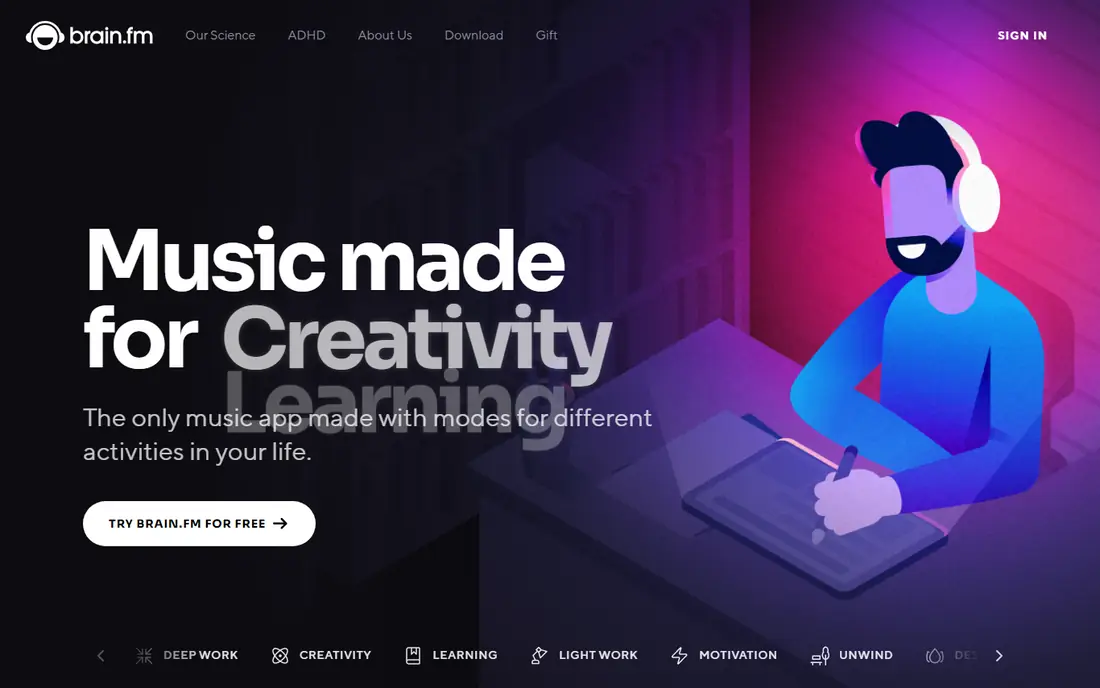
Brain.fm fits a worker who wants background audio that stays out of the way during deep work. You pick a mode, such as deep work or sleep, choose a genre, and start a session with a set length. The music is designed to avoid lyrics and hooks that pull attention away from the task. Pricing is $14.99 per month or $99.99 per year on the official pricing page, with a free trial offered at signup. Check the trial length at signup, because it is not stated as a fixed number on the pricing page in recent checks. Brain.fm says its method uses modulation in each channel rather than classic binaural beats, so if you want to set an exact beat rate by hand, myNoise or Momental will suit you better.
- Modes for focus, relaxation, and sleep
- Research-led design claims
- Offline downloads on paid plan
- Monthly price is $14.99, or $99.99 per year
- Method differs from pure binaural beats, so purists may prefer a generator
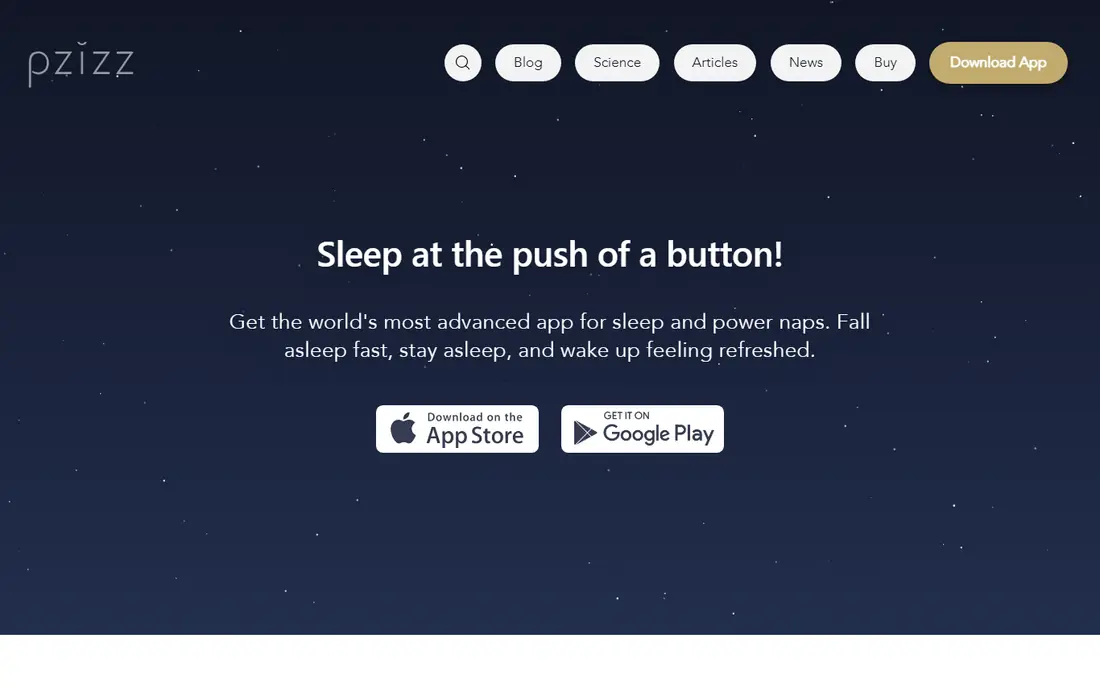
Pzizz suits a listener whose main goal is falling asleep or taking a short nap. Sessions combine voice guidance, music, and sound effects in a set length, such as a 20-minute nap or a full night session. You start the session, put the phone down, and let the timer end the audio. The free tier covers limited sessions, with paid access opening more content and features. Check the price in your app store before you subscribe, because prices differ by region and store. Pzizz is a bedtime tool first. If you want to dial in a specific delta or theta rate, a generator app will give you that control.
- Sessions built for sleep and naps with voice and sound layers
- Sleep timer and offline options
- Simple bedtime flow
- Pricing varies by store and region, so check in-app price
- Less control over exact frequencies than a generator
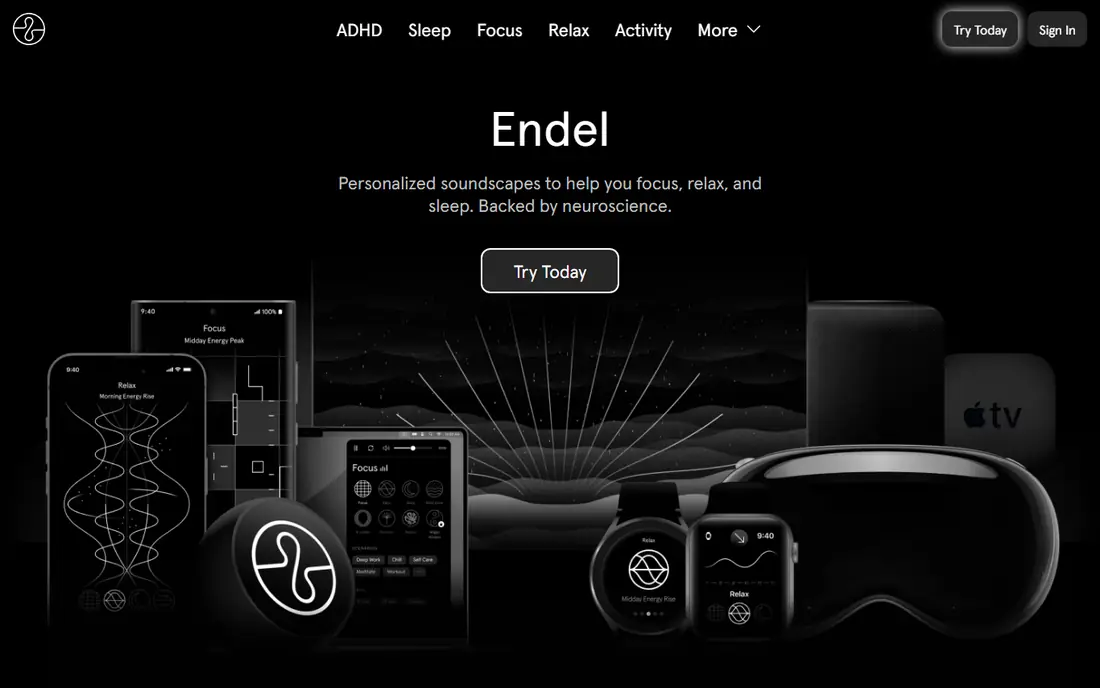
Endel fits a listener who wants sound that changes through the day without choosing tracks by hand. Scenarios cover focus, relaxation, sleep, and activity, and the app can use supported inputs such as time of day, weather, and heart rate from a connected device. Endel offers a specific binaural-beat scenario, and the company notes that stereo headphones are needed for it. Pricing is listed in app stores and on the Endel site by region, so check the current offer before you subscribe. A trial is offered in many regions. The trade-off is control. Endel decides much of the sound for you, which suits a set-and-forget listener and frustrates a listener who wants to set exact frequencies.
- Soundscapes that adapt to time of day and supported inputs
- Dedicated binaural-beat scenario
- Wide platform support
- Pricing varies by region and store
- Less manual frequency control than a pure generator
myNoise suits a listener who wants to build a soundscape by hand. You can adjust individual frequency bands, layer rain with a binaural beat generator, and save the result as a preset. That control helps people who need to mask a specific sound, such as office chatter or a humming air unit, while keeping the rest of the mix pleasant. The site is free to use, with donations and paid opens for extra features. The learning curve is real: a first session may take ten minutes to tune, and the mobile app is simpler than the web version. If you want a one-tap sleep button, Pzizz will feel easier. If you want control, myNoise is hard to beat at the price.
- Very detailed sound generators with frequency band controls
- Binaural beat generators included
- Free to use with optional donations and opens
- Interface takes time to learn
- Mobile experience is less polished than a subscription app
Momental fits a listener who wants a free, no-fuss mixer. You stack binaural frequencies with noise colors and nature sounds, set a timer, and listen on iOS or Android. There is no account wall to get started, which makes it a good first test for someone who has never tried binaural beats. The limit is depth. Momental does not offer the guided programs, sleep coaching, or large track libraries of paid apps. Treat it as a mixer, not a full sleep program. If you use it nightly and want guided sleep sessions, add Pzizz or Calm later and keep Momental for custom mixes.
- Free mixing of binaural and Solfeggio frequencies with noise and nature sounds
- No account needed to start
- Simple mixer
- Smaller content library than subscription apps
- Fewer guided sessions
Insight Timer suits a listener who wants meditation, music, and binaural content in one free app. The library includes guided meditations, sleep music, and frequency tracks from many teachers, plus a timer for silent or custom sessions. That breadth makes it a good daily habit app, not just a beats app. The free tier covers a large share of content, with a paid plan adding courses and offline features. Quality varies because many teachers publish here, so save the tracks that work for you and ignore the rest. Insight Timer is our pick for a listener who wants meditation first and binaural content as part of a wider routine.
- Large free library of meditations and music
- Binaural and frequency content from many teachers
- Timer for custom sessions
- Content quality varies by teacher
- Premium features need a paid plan
Calm fits a listener who wants a calm bedtime routine with stories and sounds, rather than a technical frequency tool. Sleep Stories, meditations, breathing exercises, and soundscapes sit in one app, and the bedtime flow is simple enough to use when tired. That simplicity helps a routine stick. Check the current subscription price in your app store, because it varies by region and offer. Free content exists, but full access needs a paid plan. If your main goal is to set an exact binaural rate, myNoise or Momental will serve you better. If your main goal is a nightly wind-down routine, Calm is the easier habit.
- Sleep stories, meditations, and soundscapes in one app
- Simple bedtime flow
- Wide device support
- Binaural content is part of a wider library, not a dedicated generator
- Full access needs a subscription
BrainWave, from Banzai Labs, suits a listener who wants structured binaural programs without a monthly subscription. Programs run in stages for sleep, focus, and relaxation, with ambient music and nature sounds layered over the tones. Pure tone options let you adjust frequency settings rather than relying only on preset tracks. The app is a paid purchase in app stores, with no free plan, so check the current store price before you buy. The interface feels older than Brain.fm or Endel, and it lacks guided coaching. BrainWave earns its place for a listener who prefers a one-time purchase and a program structure over a subscription library.
- Multi-stage programs for sleep, focus, and relaxation
- Pure tone options for frequency control
- One-time app purchase model in stores
- Paid app with no free plan
- Interface is older than newer subscription apps
How we picked these
We compared official feature pages, pricing pages, app-store listings, and public reviews, and we checked that each homepage loads and matches the product named. We kept apps that offer binaural beats or closely related frequency audio for sleep and focus, plus two wider sleep apps where binaural content sits inside a larger library, and we marked that difference in each write-up. Prices are starting list prices where the vendor publishes them, and we wrote See website where pricing varies by store or region.
What to check before you listen
Use stereo headphones or earbuds, because binaural beats rely on a different tone in each ear. Speakers will not produce the same effect, and a single earbud will miss half the signal. Keep volume low, especially at night, and stop if you feel discomfort, dizziness, or a headache.
Match the session to the task
Use slower sessions for wind-down and sleep, and faster sessions for active work. Test the same session at the same time for a few days before you judge it, because one night of poor sleep has many causes. Keep a short note on what you used and how you slept or worked, so your choice rests on your own notes rather than marketing claims.
Keep expectations honest
Binaural beats may help some people settle into a routine, and they may do little for others. They are not a substitute for sleep hygiene, such as a dark room, a regular bedtime, and less screen time before bed. If sleep problems, anxiety, or hearing problems persist, talk to a clinician rather than raising volume or listening longer.
Frequently asked questions
What is the best binaural beats app for sleep?
Pzizz suits sleep and naps with sessions built for bedtime, while Calm suits a wider wind-down routine with stories and sounds. myNoise and Momental suit listeners who want to build a custom sleep mix by hand. Test one app for a week on the same bedtime routine before you switch.
Which is the binaural beats best app for focus?
Brain.fm suits focus sessions with modes built for deep work, and Endel suits adaptive focus soundscapes. myNoise suits focus when you want to mask office noise with a custom mix. Use headphones, keep volume moderate, and test on the same task for a fair comparison.
Do binaural beats work without headphones?
No, not as intended. Binaural beats need a different tone in each ear, which only stereo headphones or earbuds provide. Speakers mix both tones before they reach your ears, so the beat effect is lost. Use headphones for any binaural session.
Are binaural beats apps free?
Some are free or offer a useful free tier, such as myNoise, Momental, and Insight Timer. Brain.fm, Pzizz, Endel, and Calm offer free trials or limited free content, with full access on a paid plan. BrainWave is a paid app with no free plan.
Are binaural beats safe?
For most listeners at low volume, binaural beats are a form of audio listening, but they are not a medical treatment. Avoid high volume, stop if you feel discomfort, and do not use them while driving or operating machinery if they make you drowsy. Talk to a clinician if sleep or anxiety problems persist.
What frequency should I use for sleep or focus?
Apps often label slower delta and theta rates for sleep and faster alpha and beta rates for focus, but responses vary by person. Start with a preset for your goal, note how you feel after a few sessions, and adjust from there. Exact rate claims in marketing should not replace your own notes.
Sources we checked (8)

Online Jobs is an independent blog about careers, online work, learning new skills and the tools that help people earn. More about us.
Keep reading
All posts
Leg Extension Alternatives
We compare leg extension alternatives that build quad strength at home or in the gym, with honest notes on form, equipment, and knee comfort. for 2026.

Best workout apps for women
Compare the best workout apps for women in 2026, from free guided classes to structured strength plans, with current prices, free plans and honest trade-offs.

Best app for counting calories
Find the best app for counting calories in 2026. We compare MyFitnessPal, Cronometer, Lose It and more on food databases, free plans and ease of use today.