Best Apps to Sell Stuff in 2026: 9 Apps Compared


Local sales and bulky furniture · Starting price: Free
How we put this together: we compare official feature and pricing pages, app store listings, privacy policies and public user reviews. Prices change, so check the provider's site before you pay.
Key takeaways
- Facebook Marketplace and OfferUp are the best starting points for local sales, especially furniture and bulky items.
- eBay suits almost anything that needs a wide buyer pool, auctions or detailed search.
- Poshmark, Depop and Etsy suit fashion and handmade goods far better than a general marketplace.
- Mercari suits casual sellers who want a simple shipped sale without a complex shop setup.
- Fees change the math a lot, so work out your net payout after fees and shipping before you pick a price.
Quick comparison
| Name | Who it suits | Starting price | Free option | |
|---|---|---|---|---|
| Facebook Marketplace | Local sales and bulky furniture | Free | Yes | Visit |
 eBay | Collectibles, electronics and hard-to-find items | Free | Yes | Visit |
 Mercari | Casual sellers shipping mixed household items | Free | Yes | Visit |
 Poshmark | Brand-name clothes, shoes and bags | Free | Yes | Visit |
 Etsy | Handmade, vintage and craft supplies | Free | Yes | Visit |
 Depop | Vintage, Y2K and streetwear fashion | Free | Yes | Visit |
 OfferUp | Fast local sales in your area | Free | Yes | Visit |
 Craigslist | Local sales with no selling fee | Free | Yes | Visit |
 Swappa | Used phones, laptops and tech | Free | Yes | Visit |
The best apps to sell stuff
We compared official fee pages, help pages, app store listings and public reviews for the best apps to sell stuff, the best app to sell stuff locally, the best buy and sell apps and the best apps to sell my stuff. The list covers local pickup, shipped sales and niche categories, so you can match the app to the item in front of you.
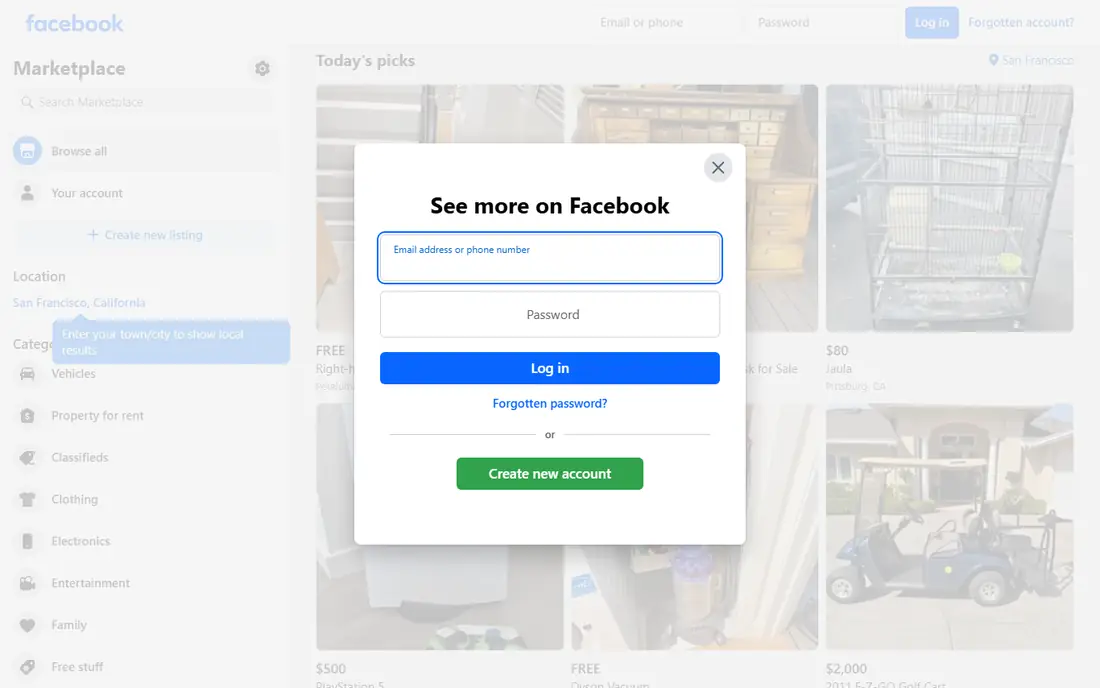
Facebook Marketplace fits sellers with furniture, appliances and other items that are hard to ship. Local buyers can see the item, ask questions and collect it, which avoids packing and postage entirely. Listing is quick, and the local audience is large enough that well-priced furniture often moves fast.
The catch is shipped sales and message volume. Shipped orders carry a fee, and popular listings can attract many low offers and questions. For local sales, meet in a public place, keep messages inside the app, and only accept payment in a way you trust before the item leaves your hands.
- A huge local buyer pool
- No fee for local in-person sales
- Easy listing from a Facebook account
- Shipped sales carry a selling fee
- Buyer messages and no-shows need patience
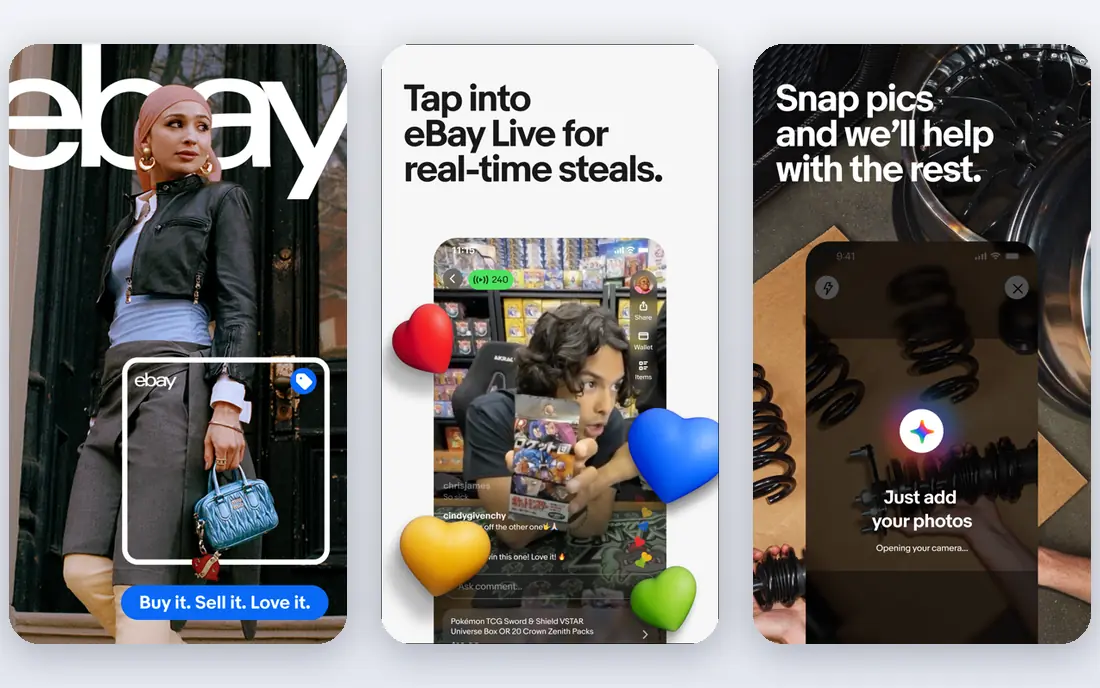
eBay fits almost anything, and it is the best selling app when the buyer is likely to search for an exact item. Collectibles, spare parts, electronics and vintage goods all benefit from detailed listings and a buyer pool that spans many countries. Auctions can also reveal the real market price for unusual items.
The catch is fees and effort. Final value fees vary by category and include a per-order amount, so work out the net payout before you list. Good photos, honest condition notes and prompt replies matter more on eBay than on a local app, because buyers cannot inspect the item before they pay.
- A very large buyer pool
- Auctions and fixed-price listings
- Detailed search for niche items
- Final value fees cut into profit
- Returns and buyer cases take time to handle
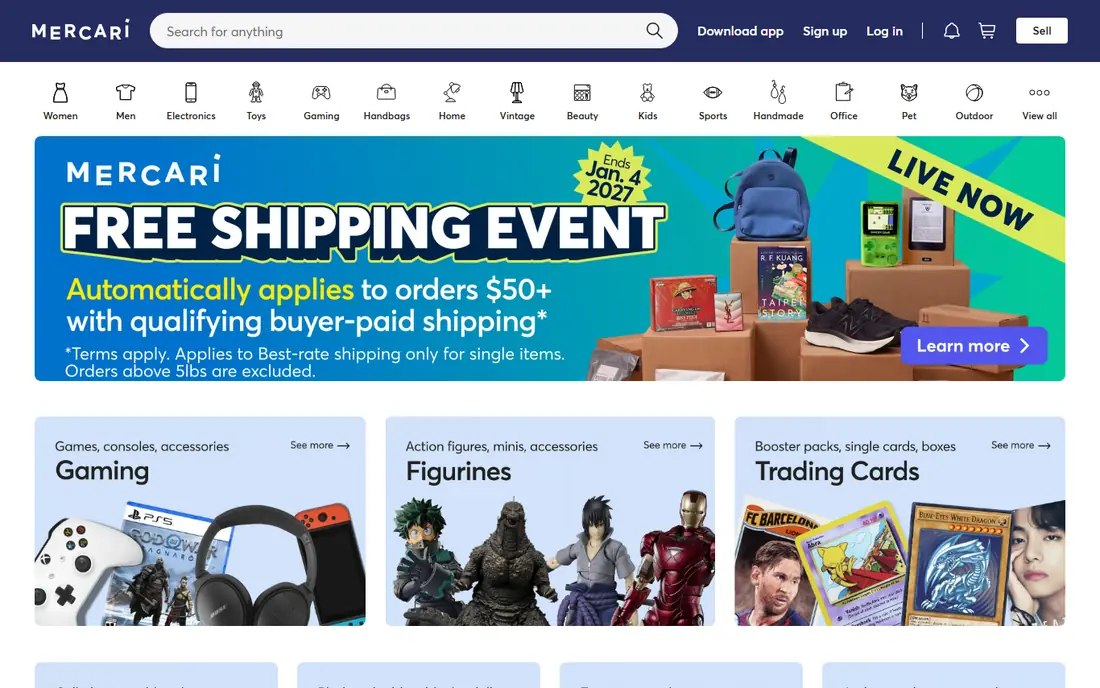
Mercari fits people clearing out a home, a closet or a drawer of electronics. Listing takes minutes, shipping labels are straightforward, and the fee structure is easier to understand than a tiered marketplace fee. That simplicity makes it a good first shipped-sales app for sellers who do not want to run a shop.
The catch is margin. A 10 percent fee is simple, but it still bites on low-priced items once shipping and packing are counted. Price with the fee in mind, and bundle small items where you can, because one larger sale usually beats several tiny ones after fees.
- Simple listing and shipping flow
- A 10 percent selling fee that is easy to work out
- A wide range of categories
- The selling fee applies to most sales
- It suits casual sellers more than full shops
Poshmark fits sellers with brand-name and designer fashion. Buyers come to Poshmark looking for clothes, shoes and bags, so a good fashion listing gets more relevant views than the same item on a general app. Prepaid labels simplify shipping, and sharing and following help listings stay visible.
The catch is the fee. Twenty percent on higher-priced sales is steep, and the flat fee on small sales also eats into profit. Poshmark works best for items with enough margin to absorb the fee, or for sellers who value the fashion audience and the simple shipping flow over the lowest possible fee.
- A fashion-focused buyer pool
- Prepaid shipping labels
- Social sharing that helps listings get seen
- A 20 percent fee on sales of 15 dollars and up
- It is fashion-first, not general
Etsy fits makers, vintage sellers and craft suppliers who want a shop rather than a one-off listing. Buyers arrive with an intent to buy handmade or vintage items, which gives makers a better audience than a general marketplace. Shop pages, reviews and repeat buyers help a small brand grow over time.
The catch is fee stacking. A listing fee, a transaction fee and a payment processing fee apply, and advertising costs can add more if you opt in. Price each item with all three fees in mind, and check the current fee page before you set prices for a new range.
- A buyer pool that seeks handmade and vintage goods
- Shop tools for branding and repeat sales
- Craft supply categories
- Listing, transaction and payment fees add up
- Competition is strong in popular craft categories
Depop fits sellers of vintage, streetwear and trend-led fashion. The app feels like a social feed, with image-led listings and a buyer pool that seeks unique pieces rather than mass-market goods. For sellers with a good eye for vintage, that audience can pay more than a general marketplace buyer would.
The catch is category fit. Depop will not help much with furniture, tools or general household items, and payment processing fees still reduce the payout even where there is no selling commission. Keep listings visual, honest about condition, and priced with the processing fee in mind.
- A young, fashion-led buyer pool
- No selling commission for many sellers
- A social, image-led listing style
- Payment processing fees still apply
- It suits fashion far more than general household goods
OfferUp fits sellers who want a quick local sale without shipping. It works well for furniture, appliances, tools and other items where a local buyer can collect in person. The listing flow is simple, and local sales avoid the packing, postage and return risk that comes with shipping.
The catch is the same as any local app: no-shows, haggling and message volume. Price with a small buffer for negotiation, meet in a public place, and do not hold an item for a buyer who will not confirm a time. For shipped sales, check the current fee before you list, because shipped and local sales are priced differently.
- Local-first listings with no fee for in-person sales
- A simple listing flow
- Good for appliances and furniture
- Shipped sales carry fees
- Local buyer reliability varies by area and item
Craigslist fits local sellers who want the widest possible local reach with no selling fee. It works well for furniture, cars, rentals-adjacent goods and anything bulky, where a local buyer and a cash or trusted payment on collection make sense. The listing format is plain, which keeps the focus on the item and the price.
The catch is safety and trust. Craigslist offers little buyer or seller protection, so you need to handle payment and meeting safety yourself. Meet in public, avoid shipping to strangers, never accept overpayment cheques, and keep all messages in a way you can refer back to if a dispute arises.
- No selling fee for most posts
- Huge local reach
- Simple text and photo listings
- No built-in payment or buyer protection
- Scams and low-quality messages are common
Swappa fits sellers of used phones, laptops, tablets and other tech, and it is one of the best apps to sell electronics safely. Buyers come looking for specific models and conditions, and listing checks help keep the marketplace cleaner than a general app. That focus often means a fairer price for working tech with an honest condition note.
The catch is scope and fees. Swappa will not help with clothes or furniture, and fees still apply even though the audience is focused. Check the current fee and the listing requirements for your device, including carrier status and condition photos, before you list.
- A tech-focused buyer pool
- Listing checks that reduce bad listings
- Payment through trusted processors
- A selling fee and processing costs apply
- It only suits tech, not general goods
How we picked these
We compared official fee pages, help pages, app store listings and public reviews, with weight given to buyer reach, fee clarity, shipping options, payment handling and category fit. We included the best apps to sell stuff locally and shipped options, plus niche apps for fashion, handmade goods and electronics, because one general app rarely suits every item. Fees change often, so confirm the current fee in the app before you list.
How to price and list well
Start with sold listings, not asking prices. Search for the same item in the same condition on the app you plan to use, and note what actually sold. Then subtract fees and shipping to find your net payout, and set a price that leaves room for a small negotiation without dropping below your minimum.
Photos and honest condition notes
Take clear photos in daylight, show flaws close up, and list brand, model, size, colour and condition in the first lines. Honest flaws reduce returns and disputes, and they build trust with buyers who cannot inspect the item first. For electronics, include battery health, carrier status and any accessories in the box.
Safe local sales
Meet in a public, well-lit place, bring someone with you for high-value items, and accept payment in a way you can verify before handing the item over. Avoid shipping an item to a local buyer who asks to pay later, and do not share bank details or codes sent by text. If a deal feels rushed or odd, walk away.
Frequently asked questions
What is the best app to sell stuff locally?
Facebook Marketplace and OfferUp are the strongest local picks, because both have large local buyer pools and no fee for in-person sales. Craigslist is also useful for local sales with no selling fee, but it offers less protection, so meet in public and verify payment first.
What is the best app to sell furniture?
Facebook Marketplace is usually the best app to sell furniture, because buyers can collect bulky items locally and avoid shipping costs. OfferUp and Craigslist are good backups, especially for large or low-priced pieces where shipping would cost more than the item is worth.
What is the best app to sell electronics?
Swappa is the best pick for used phones and laptops, because buyers search by model and condition and listings go through checks. eBay is a strong second choice for rarer electronics, parts and collectible tech, while Mercari suits casual sales of mixed household electronics.
What is the best app to sell clothes?
Poshmark suits brand-name and designer clothes, Depop suits vintage and streetwear, and Etsy suits handmade and vintage pieces with a shop feel. Choose by style and price: Poshmark for brands, Depop for trends, and Etsy when you want a branded shop with repeat buyers.
Do selling apps charge fees?
Most do, and the fee depends on whether the sale is local or shipped. Local in-person sales are often free on Facebook Marketplace, OfferUp and Craigslist, while shipped sales carry fees that range from a processing fee on Depop to 20 percent on Poshmark for higher-priced fashion. Always check the current fee page in the app before you list.
How do I sell stuff fast?
Price from sold listings, use clear daylight photos, write an honest condition note, and reply quickly to messages. List on the app where buyers for that item already shop, and consider a small price drop after a few days if views are low but saves or messages are not turning into sales.
Sources we checked (9)

Online Jobs is an independent blog about careers, online work, learning new skills and the tools that help people earn. More about us.
Keep reading
All posts
Zoom Alternatives
Zoom alternatives compared for 2026: Google Meet, Microsoft Teams, Webex, Jitsi and more for free calls, large meetings and webinars for teams and classrooms.

Top Rated Poster Maker Software
Top rated poster maker software compared for 2026: Canva, Adobe Express, VistaCreate, PosterMyWall and more for events, sales and classrooms for US users.

Surfshark Alternatives
Looking for Surfshark alternatives? We compare 8 VPN services on price, privacy, streaming, and device limits to help you find a VPN that fits your needs.