Best Apps for Identifying Antiques in 2026: 8 Apps Compared

How we put this together: we compare official feature and pricing pages, app store listings, privacy policies and public user reviews. Prices change, so check the provider's site before you pay.
Key takeaways
- Photo identification is only step one; sold prices and auction records are what turn a name into a value.
- WorthPoint and LiveAuctioneers suit price research, while Google Lens and Lens AI suit naming an unknown object.
- Free tools cover a single check well, but sorting a whole collection usually needs a paid plan or an archive subscription.
- No app result is a formal appraisal, so get a specialist opinion before insurance, a major sale, or a big purchase.
Quick comparison
| Name | Who it suits | Starting price | Free option | |
|---|---|---|---|---|
 WorthPoint | archived auction price research | See website | No | Visit |
 Google Lens | free first photo check | Free | Yes | Visit |
 eBay | current market prices from sold listings | Free | Yes | Visit |
 LiveAuctioneers | auction catalogues and past results | Free | Yes | Visit |
 Lens AI | photo identification with follow up questions | Free | Yes | Visit |
 Worthzy | iPhone photo identification and value range | $49.99 per year | Free trial | Visit |
 AntiqScope | unlimited scans for frequent identifiers | $49.99 per year | Free trial | Visit |
 FlipTip | resale pricing across marketplaces | See website | Yes | Visit |
The best best apps for identifying antiques
Antique identification usually starts with one photo and one question: what is this, and is it worth anything. The apps below split into two jobs, naming the object and pricing it, and the best result often comes from using one of each.
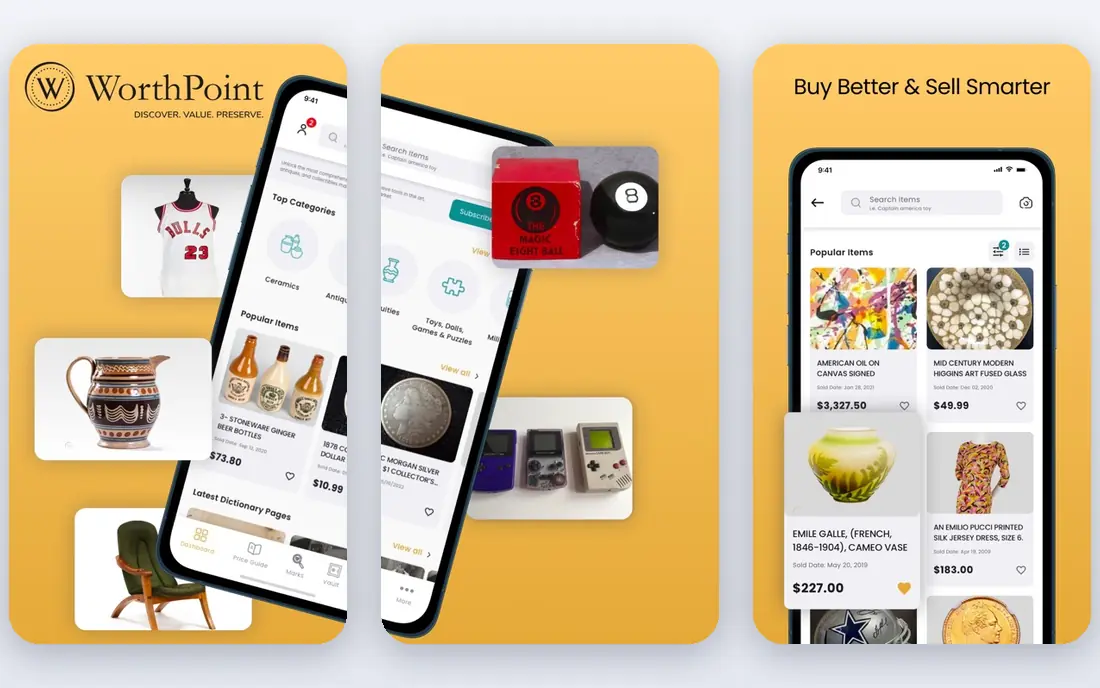
WorthPoint suits collectors who already know what an item is and want to know what similar pieces actually sold for in the past. Its archive of auction results gives context that a single asking price never can, and the marks library helps narrow down makers on ceramics, silver, and other marked goods.
The catch is access: the useful price research sits behind a subscription, so it fits serious collectors better than someone checking one inherited vase. Before you commit, check the current plan page and the app store listing, since prices and limits change often.
- Deep archive of past auction results
- Marks and makers library
- Useful for long term price trends
- Subscription needed for core price research
- No photo identification as its main job
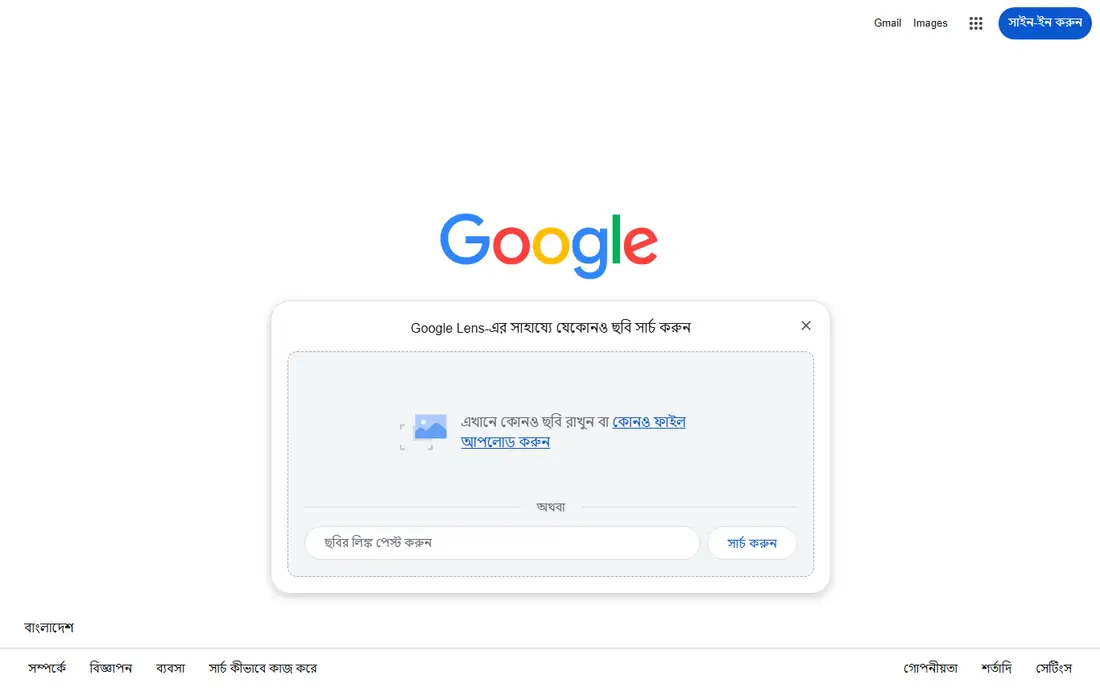
Google Lens is the fastest free first step when you hold an object you cannot name, because it matches your photo against similar images across the web. It often surfaces listings, museum pages, and articles that name the maker or pattern, which gives you search terms for deeper research elsewhere.
Treat its first result as a lead, not an answer, and confirm any identification with a second source before you buy, sell, or insure a piece. Try the free option first on one real item, then decide if the paid tier adds enough to justify the cost.
- Free to use
- Broad visual matching across the web
- Works from a photo or screenshot
- Results can be broad and mixed in quality
- Gives no value estimate on its own
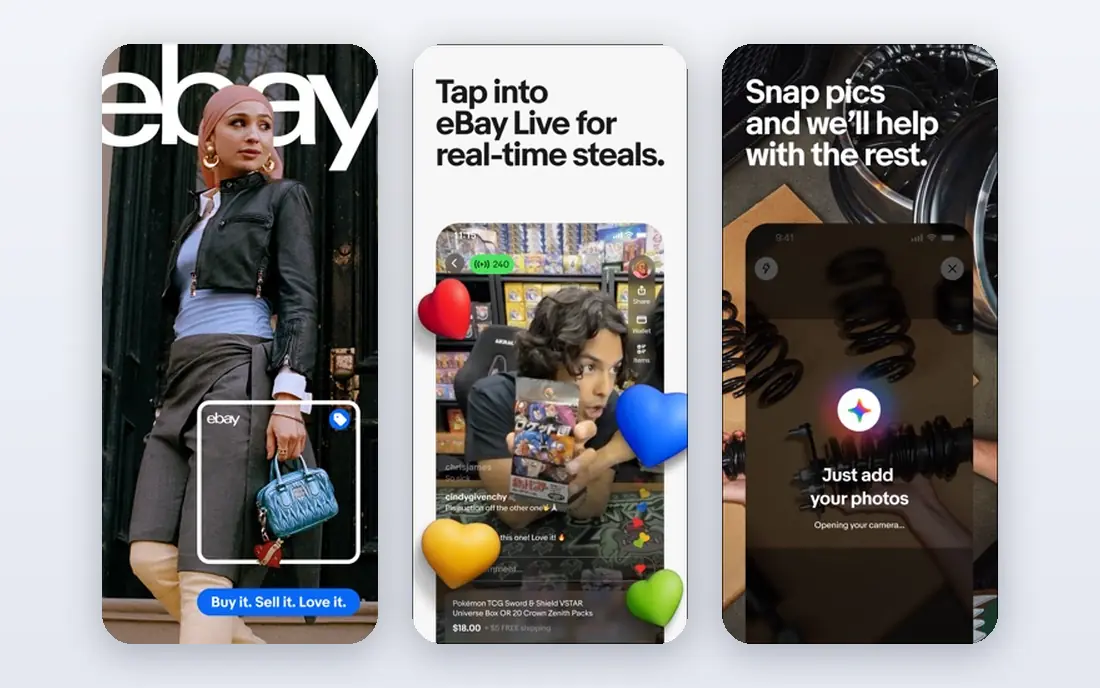
eBay earns its place here as a price check rather than an identification tool, and the sold listings filter is the part that matters. Filtering to completed sales shows what buyers actually paid, which is far more useful than the price a seller hopes to get.
Pair it with an identification app: name the item first, then search sold listings for the same maker, pattern, and condition. Read the plan page closely before you pay, and keep an eye on renewal terms and what the free tier leaves out.
- Huge pool of completed sales
- Sold listings filter shows real paid prices
- Image search built in
- Asking prices can mislead
- Condition and shipping affect results
- Not an identification expert
LiveAuctioneers connects you with auction house catalogues around the world, so it suits pieces that belong in a sale room rather than a general marketplace. Past results help you judge whether an item has a track record at auction, and following a maker or artist keeps new lots on your radar.
It is less useful for everyday thrift finds, and you should still read condition reports closely, since two similar lots can sell very differently. Start small, use it on a real project, and only upgrade once you know which paid feature you actually need.
- Catalogues from auction houses worldwide
- Past results for research
- Alerts for makers and artists
- Browsing is free but bidding and some features vary
- Best for higher end and auction grade items
Lens AI aims at the moment of discovery: point it at an unknown object and get a structured card naming the likely item and its visible traits. Saved history matters here, because you can return to earlier scans and ask follow up questions instead of starting from scratch each time.
The daily cap on the free plan may frustrate a big clear out, and for rare or specialist pieces you will still want an archive or an expert opinion. Compare it with one other pick on this list before you settle, since the right fit depends on your budget and habits.
- Structured identification cards
- Saved scan history
- Follow up questions on the same image
- Free plan has a daily scan cap
- General identification rather than a specialist archive
Worthzy is built for iPhone users who want identification and a value range in one pass, starting with a free first scan. It prices from matching marketplace listings and shows the range and the number of comparables behind it, which makes the estimate easier to judge.
It is clear that this is not a certified appraisal, so for insurance or a major sale, take the result to a specialist in person. Check current pricing and platform support before you sign up, because both can change between updates.
- First scan free
- Value range with comparable listings shown
- Authenticity screening notes
- IPhone only at present
- Estimates come from marketplace listings, not a formal appraisal
AntiqScope fits people sorting a whole house or a dealer lot, where a handful of scans will never be enough. After three free starter scans, the paid plans offer unlimited scans with saved finds, so you can work through a collection without counting each check.
If you only have one or two items, the yearly plan is more than you need, and its value guidance should still be checked against sold listings. Use the free tier for a week on real tasks, then judge it on results rather than on the feature list alone.
- Three free starter scans
- Unlimited scans on paid plans
- Saved finds and deeper value guidance
- Weekly plan is costly if used rarely
- Values are guidance only, not a guaranteed resale price
FlipTip suits resellers who want a resale price, not just a name, and who sell across more than one marketplace. It draws on completed sale prices where available and can rank items in a batch scan, which helps when clearing a table or an estate lot.
For truly one of a kind antiques it warns that confidence is lower, and that honesty is a reason to double check before pricing a rare piece. Look at the plan limits first, then test it with your own files or items before you move anything important over.
- Prices from multiple marketplaces
- Batch scanning on some plans
- Works for vintage and collectibles
- Paid plans needed for full sold price detail
- Accuracy varies for one of a kind antiques
How we picked these
We compared official feature pages, pricing pages, and app store listings for identification apps, auction archives, and marketplace tools. We kept only tools that exist and work now, that truly fit antique identification or pricing, and that state their limits plainly. Where a vendor did not publish a price we could verify, we wrote See website rather than guessing.
We also rechecked plan pages for free tiers and paid limits, and we left out tools that no longer publish clear pricing or that failed to fit the topic. That check matters because prices, free limits, and product availability change often, and a list built on old pages would mislead readers who need a working tool today. When two sources disagreed on a price, we used the vendor page and noted the gap rather than picking the lower figure.
What to check before you trust an app result
Start with the mark, not the whole object
A close photo of a hallmark, stamp, label, or signature narrows results far more than a wide shot of a chair or a cabinet. Photograph the mark separately, in good light, and add it to your search terms. If an app gives a confident name from a blurry photo alone, treat that confidence with care.
Compare sold prices, not asking prices
Asking prices show hope. Sold listings and auction results show what buyers paid, and condition explains much of the gap between two similar pieces. Check at least a few comparables with the same maker, pattern, size, and condition before you settle on a value range.
Know when to pay for an expert
Apps help with common and mid range pieces. For a signed work, a rare mark, or anything you plan to insure or sell for a large sum, a specialist appraiser in person is the right next step. App results are estimates from photos and listings, and they cannot replace handling the object.
Frequently asked questions
Is there a best app for identifying antiques for free?
Google Lens is the strongest free starting point, since it costs nothing and matches photos across the web. Lens AI also offers free daily scans. For price research, eBay sold listings are free, but archive tools such as WorthPoint need a subscription.
What is the best app for identifying antiques and their value?
No single app does both jobs perfectly. Use a photo tool such as Lens AI or Worthzy to name the item, then check eBay sold listings and, for higher value pieces, WorthPoint or LiveAuctioneers for price evidence.
Can an app tell me if my antique is real?
Some apps offer an authenticity screening that flags details that often look wrong on copies, but none can guarantee authenticity from a photo. If authenticity affects the price in a major way, get an in person opinion from a specialist.
How accurate are antique identification apps?
Accuracy is best for common, well documented items with clear marks and photos, and weaker for rare, handmade, or heavily repaired pieces. Treat every result as a lead, check the comparables, and confirm with a second source.
Do I need a paid plan to identify antiques?
Not for a single item. Free tools cover that well. A paid plan makes sense when you are sorting many items, need archive price data, or want unlimited scans without a daily cap.
Sources we checked (8)

Online Jobs is an independent blog about careers, online work, learning new skills and the tools that help people earn. More about us.
Keep reading
All posts
9 Best Card Grading Service Picks for Collectors
Compare the best card grading service for sports, Pokemon, and trading cards, with PSA, Beckett, CGC, and SGC on cost, labels, and wait times for collectors.

n8n Alternatives
n8n alternatives compared for 2026, with Zapier, Make, Activepieces, and more, covering visual builders, code steps, self-hosting, and pricing models.

eBay Alternatives
Looking for ebay alternatives? We compared 9 marketplaces for sellers on fees, buyer reach, categories and ease of listing, to help you sell with confidence.