Best Apps for Business Travel in 2026: 10 Tools Compared

How we put this together: we compare official feature and pricing pages, app store listings, privacy policies and public user reviews. Prices change, so check the provider's site before you pay.
Key takeaways
- Navan and TravelPerk suit managed teams that want booking, policy, and expenses in one system.
- TripIt suits individual travellers who need one clear itinerary from many booking confirmations.
- SAP Concur suits large firms with complex policy, approval, and finance integration needs.
- Check support coverage first, since a changed flight at night tests a travel app more than its booking screen.
Quick comparison
| Name | Who it suits | Starting price | Free option | |
|---|---|---|---|---|
 Navan | travel plus expenses in one system | See website | No | Visit |
 TravelPerk | flexible managed booking for mid-size teams | See website | No | Visit |
 SAP Concur | complex enterprise travel programmes | See website | No | Visit |
 TripIt | one itinerary for individual travellers | Free | Yes | Visit |
 Egencia | enterprise booking with service support | See website | No | Visit |
 TravelBank | travel and expenses with rewards for saving | See website | Free trial | Visit |
 Spotnana | modern API led travel booking | See website | No | Visit |
 Ramp Travel | spend control with travel booking | See website | Yes | Visit |
 Expensify | expense first travel cost capture | See website | Yes | Visit |
 Airbnb for Work | alternative stays for business trips | See website | No | Visit |
The best apps for business travel
We compared business travel apps on booking, itinerary handling, expense capture, policy control, and support when trips change. Some apps organise trips for one traveller, while others manage booking, policy, and spend for a whole company.
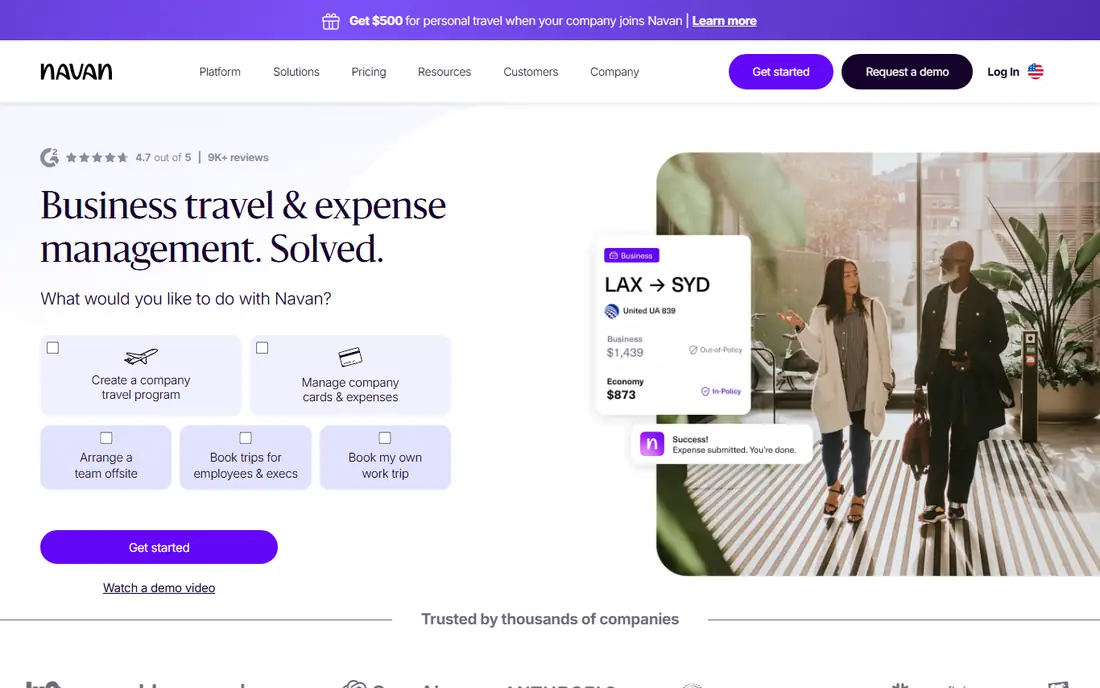
For teams that want a proven route to both app stores, Navan combines travel booking, policy controls, and expense management so a trip, its approval, and its costs stay in one flow. It suits mid-size and larger firms that want travellers to book within policy without separate expense work. The trade is scope, since the full platform suits managed programmes more than a solo traveller who only needs an itinerary. Check the current pricing page and the free tier limits before you commit, since plan details change and the entry tier may cap builds, seats, or usage.
- Booking, policy, and expense capture together
- Modern traveller experience
- Support for changes
- Pricing is quoted for managed plans
- Smaller firms may find setup heavy
- Coverage varies by region
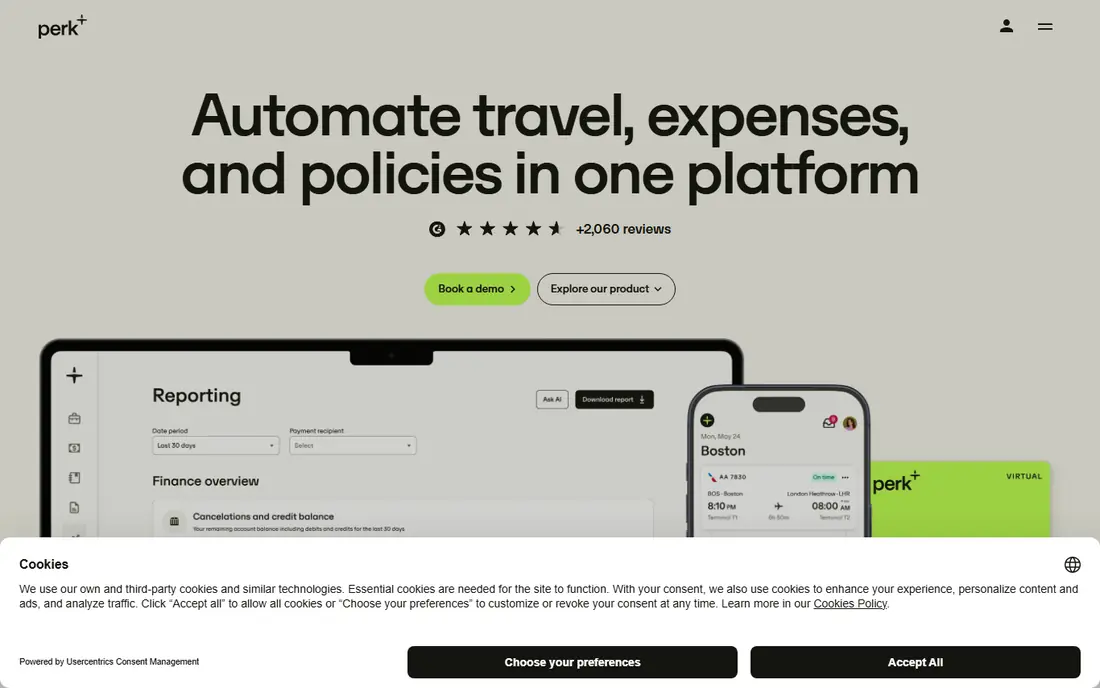
If your team already works in a matching language or stack, TravelPerk offers managed travel booking with flexible cancellation and policy controls for mid-size teams. It suits firms that want travellers to book easily within policy, with support when plans change. The trade is expense depth, since expense and card features are lighter than in travel plus expense platforms, so check finance needs first. Run a small pilot with a real feature from your backlog, and judge it on build time, store submission, and how easy fixes are after release.
- Flexible booking and cancellation options
- Policy controls
- Wide travel inventory
- Pricing model varies by plan
- Expense features are lighter than Navan
- Support tiers differ
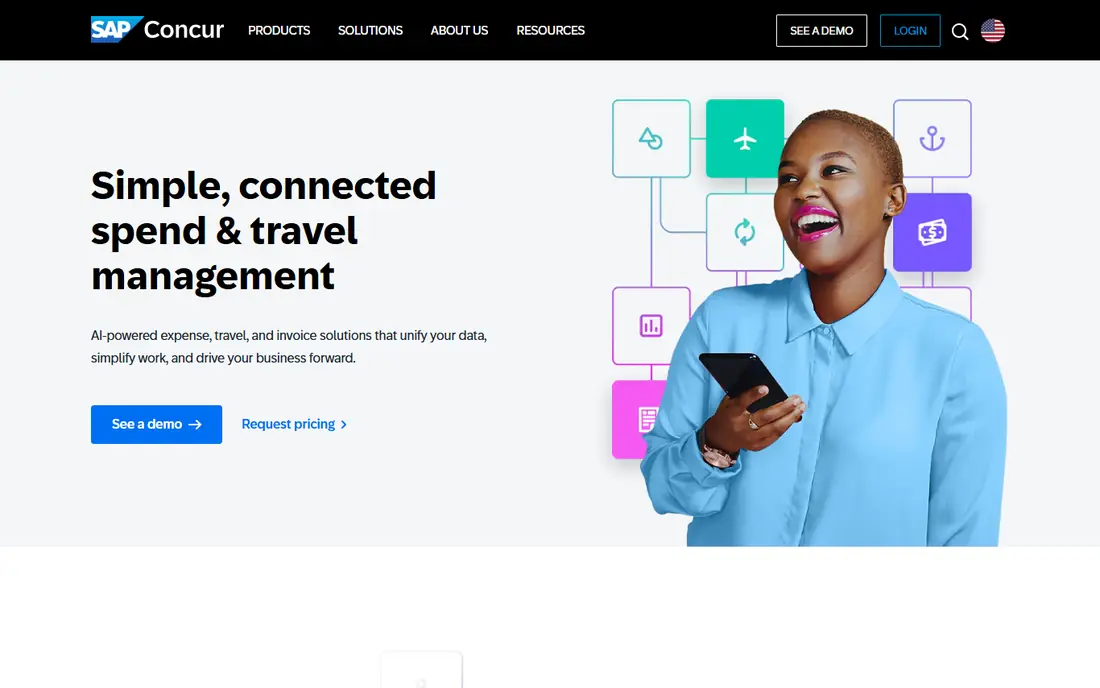
When a single shared codebase matters more than a native look, SAP Concur is the enterprise standard for travel, expense, and invoice work, with deep policy, approval, and finance integration. It suits large firms with complex rules, many entities, and strict compliance needs. The trade is weight, since setup and change management take time, so smaller firms should compare lighter managed tools. Ask who will maintain the project in six months, and pick the option your current team can support without hiring for a new language.
- Deep policy and approval controls
- Expense and invoice links
- Global enterprise coverage
- Implementation can be long
- Interface feels enterprise heavy
- Pricing is quoted
As a practical choice for a first release, TripIt builds one master itinerary from flight, hotel, and car confirmations forwarded by email. It suits frequent travellers who book across several sites and want one clear plan with alerts. The trade is scope, since TripIt organises trips rather than booking them or enforcing company policy. Check the current pricing page and the free tier limits before you commit, since plan details change and the entry tier may cap builds, seats, or usage.
- Master itinerary from forwarded confirmations
- Delay and gate alerts
- Calendar sync
- Booking is not included
- Pro features are paid
- Managed policy control is not offered
For projects where design control is the main concern, Egencia provides enterprise travel booking with service support and reporting for large programmes. It suits firms that want a managed booking service with broad supplier coverage and traveller help. The trade is scale, since the service model fits larger programmes better than a small team with occasional travel. Run a small pilot with a real feature from your backlog, and judge it on build time, store submission, and how easy fixes are after release.
- Enterprise booking inventory
- Traveller support
- Policy and reporting tools
- Pricing is quoted
- Experience suits larger programmes
- Smaller teams may find it heavy
Where speed of setup beats depth of customisation, TravelBank combines travel booking and expense reporting, with rewards when travellers choose under budget options. It suits firms that want to encourage saving without heavy policy enforcement. The trade is depth, since complex enterprise policy and global coverage may need a larger platform. Ask who will maintain the project in six months, and pick the option your current team can support without hiring for a new language.
- Booking plus expense workflows
- Rewards for under budget choices
- Card and receipt handling
- Coverage and supplier depth vary
- Enterprise policy depth is lighter than SAP Concur
- Pricing needs checking
If you need to reuse web skills for a mobile release, Spotnana offers a modern travel platform built around open booking content and self service tools for travellers and travel teams. It suits firms that want flexible architecture and direct content access rather than a legacy booking flow. The trade is maturity checks, since regional coverage and support depth should be tested for your main routes. Check the current pricing page and the free tier limits before you commit, since plan details change and the entry tier may cap builds, seats, or usage.
- API led booking architecture
- Policy and content from many sources
- Traveller self service
- Pricing is quoted
- Newer platform means checking regional coverage
- Implementation needs planning
For a smaller team that wants to keep maintenance simple, Ramp Travel adds travel booking to a spend platform that already covers cards, expenses, and bill pay. It suits firms already using Ramp for spend who want travel costs visible in the same system. The trade is travel depth, since specialist travel support and inventory may be stronger elsewhere for heavy travel programmes. Run a small pilot with a real feature from your backlog, and judge it on build time, store submission, and how easy fixes are after release.
- Corporate cards plus travel and expenses
- Spend controls
- Automated receipt capture
- Travel depth is newer than specialist platforms
- Pricing and tiers need checking
- Support varies by plan
When the app must reach several device types at once, Expensify focuses on expense capture, with receipt scanning, card sync, and reports that suit business travellers after a trip. It suits firms that need clean expense handling more than managed booking. The trade is booking, since Expensify does not replace a travel booking platform for policy controlled trips. Ask who will maintain the project in six months, and pick the option your current team can support without hiring for a new language.
- Receipt scanning and expense reports
- Card sync
- Simple approval flows
- Booking is not its core
- Travel policy depth is light
- Managed travel needs a partner tool
As an option for teams with a clear existing workflow, Airbnb for Work gives business travellers alternative stays for longer trips, team offsites, and locations where hotels are scarce. It suits firms whose travellers need apartments or houses rather than a standard hotel room. The trade is scope, since it covers stays only, so flights, policy, and expenses still need other tools. Check the current pricing page and the free tier limits before you commit, since plan details change and the entry tier may cap builds, seats, or usage.
- Alternative accommodation for longer stays
- Team trip tools
- Wide stay inventory
- Hotel policy and invoicing depth varies
- Support model differs from hotels
- Not a full travel platform
How we picked these
We compared official feature pages, pricing pages, app store listings, and public reviews for each product, and we kept only products that exist and fit the topic today. Where a price or free tier could not be confirmed on a vendor page, we wrote See website rather than guessing a number. We also weighed fit for different team sizes, since a tool that suits a large enterprise may be a poor fit for a small team, and the reverse is also true. Products that needed a workaround for the core job, or that had closed or changed focus, were left out.
How to choose a business travel app
Separate solo tools from managed tools
A solo itinerary app helps one traveller stay organised. A managed platform controls policy, approvals, and spend for a company. Buying a solo tool for a managed programme, or the reverse, creates workarounds from day one.
Test a disrupted trip, not just a clean booking
Book, change, and cancel a trip during a trial, and check how support, refunds, and rebooking work. Also check offline access to itineraries, since airports and hotels do not always offer reliable connectivity.
Check expense and finance links
Confirm how bookings, receipts, and card charges flow into expenses and finance systems. A travel app that leaves expense work manual will cost finance time every month, even if booking feels fast.
Frequently asked questions
What is the best app for business travel for a small team?
Navan and TravelPerk both suit small to mid-size teams, for different reasons. Navan links travel and expenses closely, while TravelPerk offers flexible booking and a simpler managed setup.
What is the best travel itinerary app for business trips?
TripIt is a strong pick for itineraries, since it builds one master itinerary from forwarded booking confirmations, with alerts for delays, gates, and changes.
Do business travel apps include expense reporting?
Some do, including Navan, SAP Concur, TravelBank, and Expensify linked setups. Others focus on booking or itineraries only, so check expense coverage before buying.
Can business travel apps enforce company policy?
Managed platforms can enforce policy on booking class, hotel caps, approval, and preferred suppliers. Solo itinerary apps cannot, since they do not control booking.
Which business travel app is best for frequent flyers?
Frequent travellers benefit from TripIt for itineraries plus a managed booking platform for policy and support. Check lounge, loyalty, and offline access features during a trial.
Sources we checked (10)

Online Jobs is an independent blog about careers, online work, learning new skills and the tools that help people earn. More about us.
Keep reading
All posts
n8n Alternatives
n8n alternatives compared for 2026, with Zapier, Make, Activepieces, and more, covering visual builders, code steps, self-hosting, and pricing models.

iPhone Alternatives
Looking for iPhone alternatives in 2026? Compare 9 Android phones from Samsung, Google, OnePlus, and more, with cameras, battery life, and honest trade-offs.

eBay Alternatives
Looking for ebay alternatives? We compared 9 marketplaces for sellers on fees, buyer reach, categories and ease of listing, to help you sell with confidence.