Best App to Track Macros in 2026: 8 Apps Compared

How we put this together: we compare official feature and pricing pages, app store listings, privacy policies and public user reviews. Prices change, so check the provider's site before you pay.
Key takeaways
- This is general information, not medical advice, and macro targets should be set with a clinician or dietitian if you have a health condition.
- MacroFactor is the strongest coaching app, but it has no free plan, while MyFitnessPal and Cronometer offer useful free tiers.
- Barcode scanning, custom macro goals and food database quality matter more than a long list of extra features.
- Free tiers differ sharply: some include barcode scanning free, while others lock it behind premium.
- Logging accuracy depends on portion sizes and choosing the right food entry, not just on the app you pick.
Quick comparison
| Name | Who it suits | Starting price | Free option | |
|---|---|---|---|---|
 MyFitnessPal | Largest food database | $19.99 per month | Yes | Visit |
 MacroFactor | Adaptive macro coaching | $11.99 per month | Free trial | Visit |
 Cronometer | Micronutrient depth | $10.99 per month | Yes | Visit |
 Lose It | Simple weight loss tracking | See website | Yes | Visit |
 FatSecret | Generous free tracking | See website | Yes | Visit |
 YAZIO | Recipes and fasting plans | See website | Yes | Visit |
 Lifesum | Diet style plans | See website | Yes | Visit |
 MyNetDiary | No ads free tracking | See website | Yes | Visit |
The best apps to track macros
A macro tracking app should make it easy to log food, set protein, carb and fat targets, and see progress without spending half your day on data entry. We compared official app listings, pricing pages and feature lists, with weight given to food database quality, barcode scanning, custom goals and free tier limits.
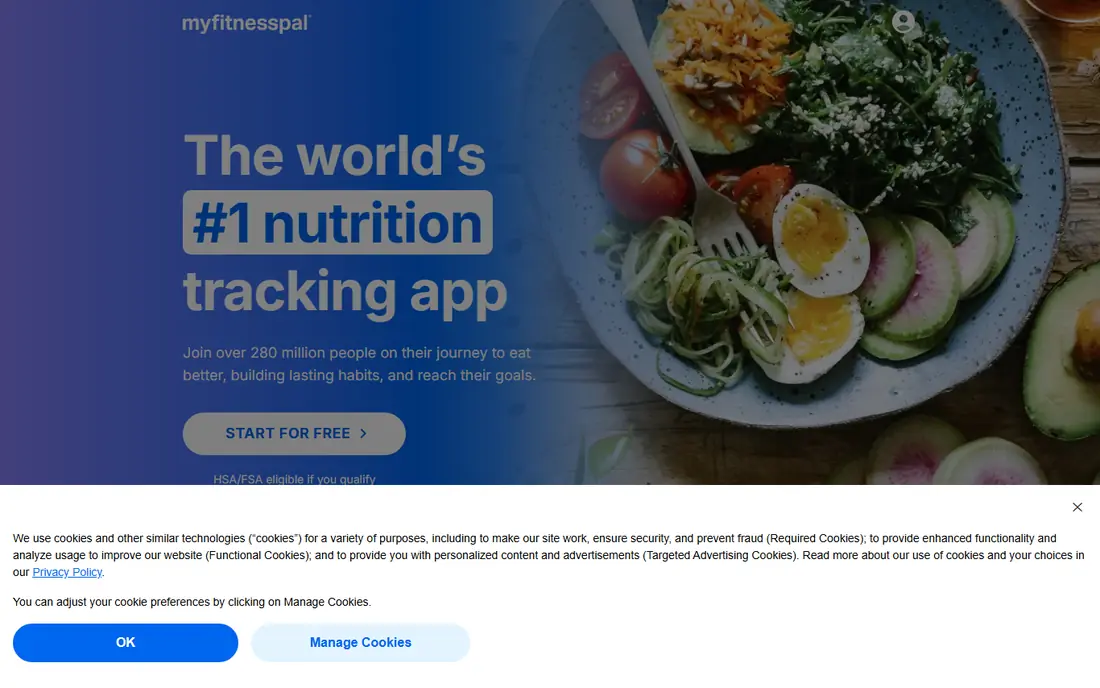
MyFitnessPal remains the default macro app for many people, mainly because its food database is so large. Restaurant dishes, branded products and common meals are easy to find, which makes logging faster than on smaller apps. Its integrations with wearables and other health apps also help, because activity and weight data flow into one place.
The free tier is less generous than it once was. Barcode scanning, custom macro goals and several logging shortcuts are premium in current listings, so a serious macro tracker will likely need Premium. Monthly Premium is expensive, while the annual plan lowers the monthly equivalent cost. If database size matters most to you, MyFitnessPal is still a strong pick, but check the premium features you actually need before paying.
- Very large food database and restaurant entries
- Wide wearable and app integrations
- Familiar logging flow
- Barcode scanning and custom macro goals are premium in current listings
- Free tier includes ads
- Premium price is high monthly
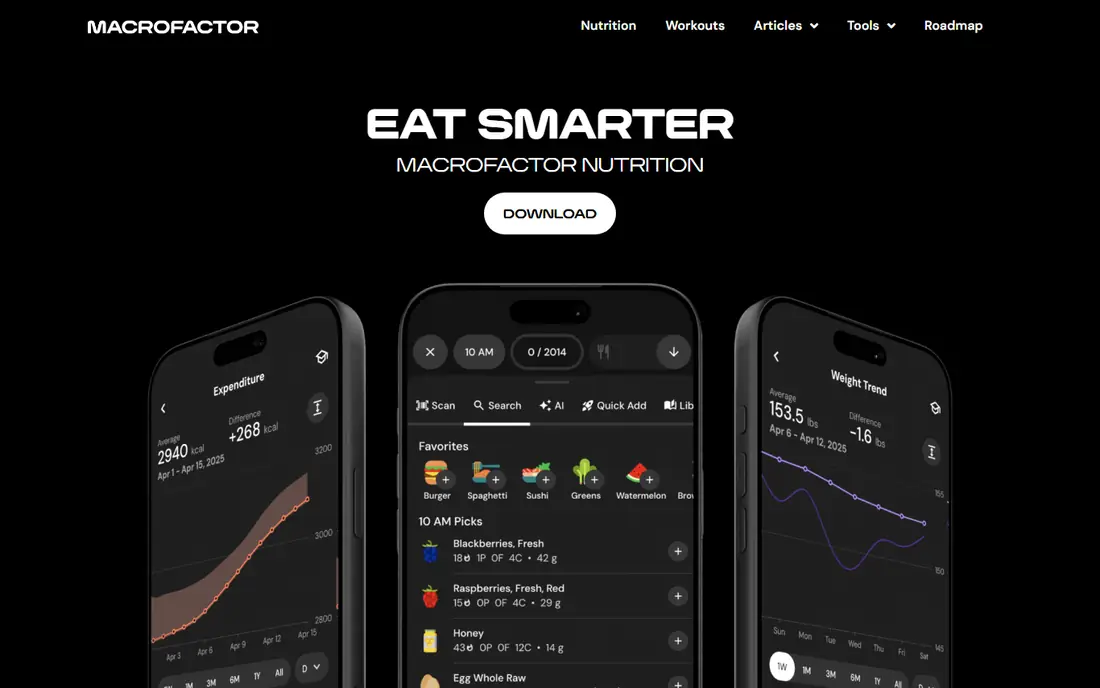
MacroFactor is our pick for people who want coaching, not just a diary. It uses your logged food and weight trend to adjust calorie and macro targets over time, rather than leaving you on a fixed target that may stop working. Trend weight smooths daily water and food fluctuations, which helps you see real progress without reacting to every scale jump.
The catch is price and access. MacroFactor has no free plan, only a seven day trial in past listings, so you must pay to use it beyond the trial. That is a barrier for casual trackers, but for committed users the coaching and the lack of ads justify the cost. If you want a free app, look at Cronometer or FatSecret. If you want adaptive targets, MacroFactor leads this list.
- Adaptive coaching that adjusts targets based on progress
- Trend weight that smooths daily fluctuations
- No ads and a clean interface
- No free plan, only a trial
- Higher annual cost than some rivals
- Less micronutrient depth than Cronometer
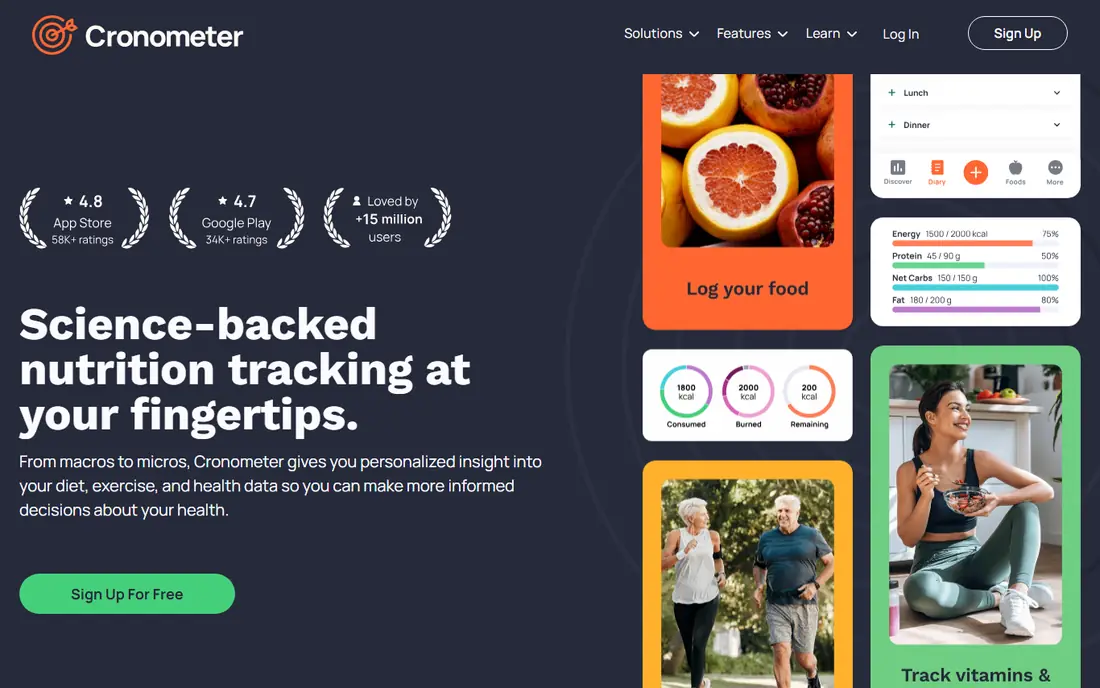
Cronometer is the pick for detail lovers. It tracks macros plus a wide range of micronutrients, from vitamins and minerals to amino acids, using verified entries where possible. That depth helps people who care about nutrient quality, not just protein, carbs and fat, and its free tier includes barcode scanning, which MyFitnessPal now locks behind premium.
The database is smaller than MyFitnessPal, so a niche restaurant dish may be harder to find, and you may need to create custom foods more often. Gold adds photo and voice logging, fasting features and extra history. If you want the most complete nutrition picture on a free tier, Cronometer is the best value here.
- Tracks up to 84 nutrients in past listings
- Free barcode scanning
- Verified food entries and device sync
- Food database is smaller than MyFitnessPal
- Photo and voice logging need Gold
- Interface is more detailed than casual apps
Lose It suits beginners who want a simple tracker without a steep learning curve. Logging is quick, the food database is large, and the app gives a clear calorie budget and weight plan. For weight loss focused users who also want macro totals, Lose It gives enough detail without overwhelming them with micronutrient charts.
Macro depth is the limit. Custom macro goals, detailed breakdowns and some logging shortcuts sit behind Premium in many listings, and the exact premium price varies by app store. If you need adaptive coaching, MacroFactor is better. If you need micronutrient depth, Cronometer is better. For simple, consistent tracking, Lose It is easy to stick with.
- Simple, clear logging flow
- Large food database
- Weight logging and community support
- Barcode scanning is premium in some listings
- Macro depth is less than MacroFactor or Cronometer
- Premium features vary by store listing
FatSecret is the best free first app for macro tracking. Its free tier includes barcode scanning, macro goals, a recipe builder and a web dashboard, which many rivals charge for. That makes it a strong pick for students, beginners and anyone who wants to test macro tracking without paying.
The trade off is polish and database curation. FatSecret includes ads on its free tier, and some food entries are user created and less verified than Cronometer entries. Premium adds meal plans and extra headings, but the core tracking is already free. If budget is your main concern, start with FatSecret and only pay if you want a cleaner interface elsewhere.
- Free barcode scanning, macro goals and recipe builder
- Web dashboard and community
- No need to pay for core tracking
- Interface includes ads on free tier
- Premium features are modest
- Food database quality varies by entry
YAZIO suits people who want recipes and structure alongside macro tracking. Its meal plans, recipes and intermittent fasting tools help turn macro targets into actual meals, rather than leaving you to plan every day from scratch. The interface is clean, and macro breakdowns are easy to read at a glance.
Free limits matter here. Barcode scanning and AI photo logging have required Pro in past listings, so a free user will log by search and manual entry. Premium pricing also varies by promotion and region, so check the current app store price for your country. If you want a plan led app with fasting support, YAZIO is a good fit.
- Recipes, meal plans and fasting tracking
- Clear macro breakdowns
- Good for structured eating plans
- Barcode and AI photo logging need Pro in past listings
- Free tier is basic
- Premium price varies by region and promotion
Lifesum is a lifestyle app that includes macro tracking, rather than a pure macro tool. It offers diet style plans, recipes and tips for keto, Mediterranean and other eating patterns, which helps people who want guidance on food choices, not just numbers. Free barcode scanning in past listings also makes basic logging easier than on MyFitnessPal free.
The plans are general wellness guidance, not medical nutrition therapy, so talk to a clinician or dietitian if you have diabetes, kidney disease, an eating disorder history or another health condition. Premium pricing varies with promotions, so compare the annual price you are actually offered. For a friendly, plan led tracker, Lifesum is a solid choice.
- Diet style plans including keto and Mediterranean
- Free barcode scanning in past listings
- Recipes and lifestyle tips
- Premium price varies widely with promotions
- Diet plans are general, not medical advice
- Macro customization is less deep than MacroFactor
MyNetDiary is a quiet standout for free tracking. Its free tier has included barcode scanning, macro tracking and a wide nutrient range with no ads, using staff verified foods that reduce the guesswork of user entries. For a tracker who wants a clean, reliable free app without constant upgrade prompts, MyNetDiary is appealing.
The community is smaller than MyFitnessPal, so social features and shared recipes are less rich, and premium adds features such as detailed analysis and extra customization. That is a fair trade for a free tier this generous. If you want a no fuss, no ads tracker, MyNetDiary deserves a trial alongside Cronometer and FatSecret.
- Free barcode scanning and macro tracking with no ads in past listings
- Staff verified foods
- Up to 108 nutrients in past listings
- Smaller community than MyFitnessPal
- Premium features need a paid plan
- Interface is functional rather than flashy
How we picked these
We compared official app listings, pricing pages and feature lists, and we favored apps that are still operating, that state free tier limits plainly, and that offer custom macro goals or a clear coaching model. We did not claim hands on testing, and we did not treat a food database size claim as proof of accuracy, because logging accuracy depends on portion size and entry choice.
We also added a health disclaimer because macro targets affect nutrition and health. This guide compares tools, but it does not set your targets, and anyone with a health condition should get professional advice before changing their diet.
What to check before you choose
Check what is free, not just what is advertised
Barcode scanning, custom macro goals, photo logging and fasting tools sit behind paywalls on some apps and are free on others. List the three features you will use daily, then check whether each is free or premium on your shortlist. That check alone often decides the pick.
Test logging speed on a real day
Log a full day of real meals, including a restaurant dish, a homemade meal and a snack with no barcode. Time how long it takes, and see how often you must create custom foods. An app that is fast on day one but slow on day seven will be abandoned, no matter how good its charts look.
Set targets carefully and review them
Start with a target from a reputable calculator or a professional, then review it every few weeks based on weight trend, energy, hunger and training. MacroFactor adjusts targets automatically, while other apps need manual review. Do not chase a very low calorie target without professional guidance, because extreme restriction carries health risks.
Weigh database size against entry quality
A huge database helps you find foods quickly, but user created entries can be inaccurate. Prefer verified entries where possible, check portion sizes, and use the barcode scanner for packaged foods. A smaller verified database can be more accurate than a huge unverified one.
Frequently asked questions
What is the best app to track macros for free?
Cronometer, FatSecret and MyNetDiary offer the strongest free macro tracking, with free barcode scanning in past listings. MyFitnessPal free is usable for basic logging, but barcode scanning and custom macro goals are premium in current listings. Try a free app for two weeks before paying for premium.
What is the best app to track macros for muscle gain?
MacroFactor is a strong pick for muscle gain, because its adaptive coaching adjusts targets as weight and intake change, and it tracks protein clearly. MyFitnessPal and Cronometer also work if you set protein targets manually and log consistently. Consistency matters more than the app brand.
Can I track macros without paying?
Yes. Cronometer, FatSecret and MyNetDiary offer free macro tracking with barcode scanning in past listings, and Lose It and YAZIO offer free basic tracking. Premium adds convenience features, but core macro totals are available free on several apps here.
How accurate is macro tracking?
Accuracy depends on portion sizes, food entry choice and honest logging, more than on the app itself. Weighing food, using barcode entries and choosing verified foods improves accuracy. Estimates for restaurant meals and homemade dishes will always be less precise than packaged foods.
Do I need a dietitian to set macro targets?
Not everyone does, but you should seek professional advice if you have diabetes, kidney disease, heart disease, an eating disorder history, are pregnant, or take medication affected by diet. A dietitian can set safe targets for your health, activity and goals, while an app can then help you track them.
What is the difference between MacroFactor and MyFitnessPal?
MacroFactor offers adaptive coaching that changes your targets based on progress, with no free plan beyond a trial. MyFitnessPal offers a larger food database and a free tier, but barcode scanning and custom macro goals are premium. Choose MacroFactor for coaching, MyFitnessPal for database size.
Sources we checked (8)

Online Jobs is an independent blog about careers, online work, learning new skills and the tools that help people earn. More about us.
Keep reading
All posts
Best workout apps for women
Compare the best workout apps for women in 2026, from free guided classes to structured strength plans, with current prices, free plans and honest trade-offs.

Best Yoga App
Find the best yoga app for home practice in 2026, with verified prices, free options, class styles, trials and honest limits for 10 yoga apps compared.
Best Workout Tracker App
We compared the best workout tracker app options for gym, home, and running training, checking prices, free plans, and logging tools in detail. See inside.