Best Apps to Learn Russian in 2026: 9 Apps Compared

How we put this together: we compare official feature and pricing pages, app store listings, privacy policies and public user reviews. Prices change, so check the provider's site before you pay.
Key takeaways
- Duolingo is the best free starting point for daily Russian habit building, with a free tier and short gamified lessons.
- Babbel suits learners who want clear grammar explanations beside vocabulary, rather than pattern-only practice.
- Rosetta Stone suits immersion-style learners who want to hear and repeat Russian without heavy English translation.
- Pimsleur suits audio-first learners who study while driving, walking, or doing chores.
- No app alone creates fluency in Russian, so pair an app with speaking practice, reading, and listening to real Russian.
Quick comparison
| Name | Who it suits | Starting price | Free option | |
|---|---|---|---|---|
 Duolingo | Free daily habit building | Free | Yes | Visit |
 Babbel | Grammar and structured lessons | See website | No | Visit |
 Rosetta Stone | Immersion-style learning | See website | No | Visit |
 Pimsleur | Audio-first learning | See website | No | Visit |
 Busuu | Community feedback | See website | Yes | Visit |
 Memrise | Vocabulary with native speaker video | See website | Yes | Visit |
 italki | Live lessons with tutors | See website | No | Visit |
 LingQ | Reading and listening | See website | No | Visit |
 Mondly | Short daily lessons with speech help | See website | No | Visit |
The best apps to learn russian
Russian has a Cyrillic alphabet, noun cases, and verb aspects that make structured practice matter. A good app should teach the alphabet early, explain cases in small steps, and give speaking and listening practice beside reading. The apps below differ in method, so the best pick depends on how you learn and how much time you study each day.
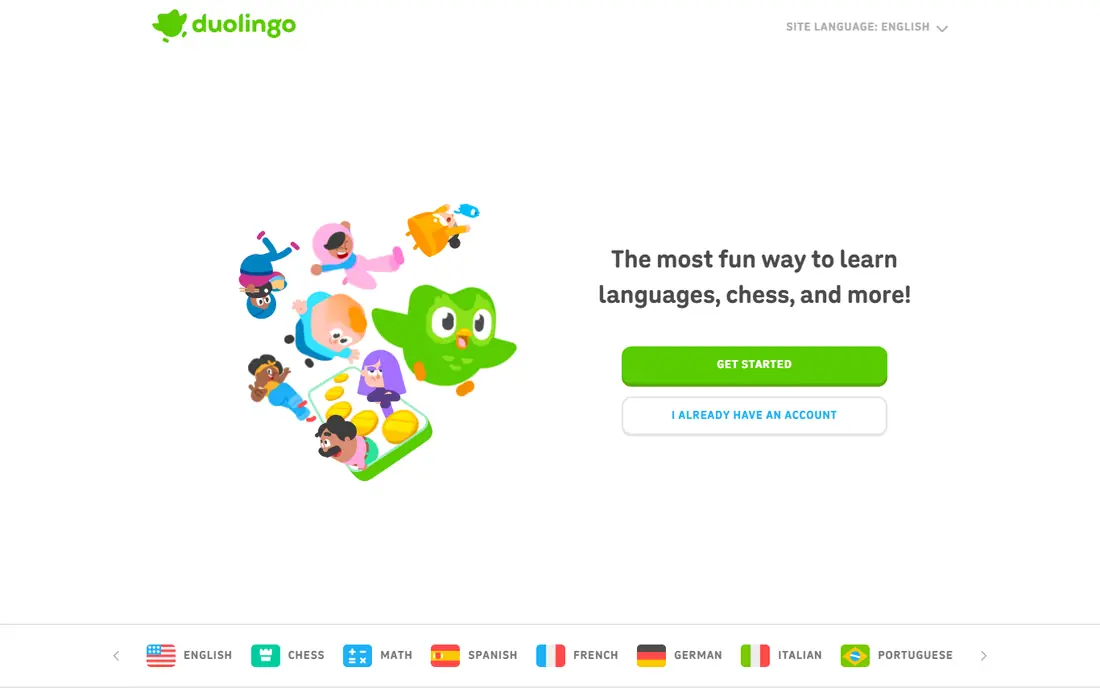
Duolingo is the easiest place to start Russian for free. Lessons are short, gamified, and easy to fit into a daily routine, which helps beginners build a habit before tackling cases and verb forms in depth. The course introduces Cyrillic letters early, so reading practice starts alongside vocabulary rather than waiting until later units.
The limit is depth. Duolingo teaches patterns through practice more than through detailed grammar explanations, so learners who want to understand why a case ending changes may need a grammar guide beside it. Ads and energy limits can also interrupt free study. As a free daily starter, though, Duolingo is hard to beat.
- Free tier with full core lessons
- Short gamified lessons
- Cyrillic alphabet introduced early in the course
- Grammar explanations are thinner than Babbel
- Free tier includes ads and energy limits in some versions
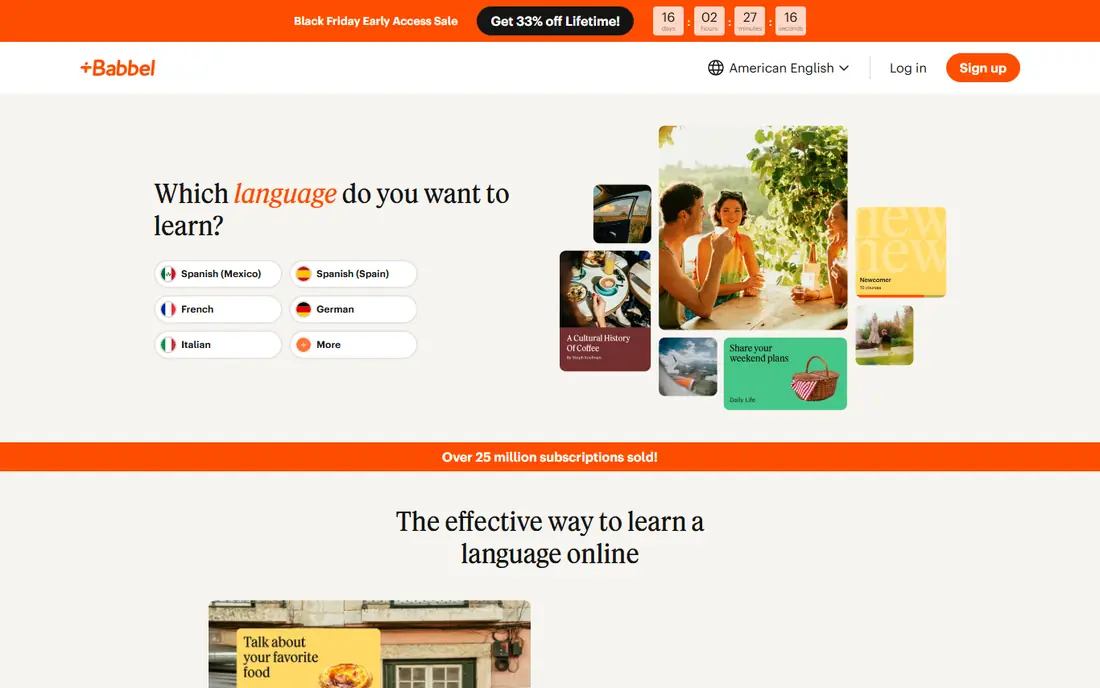
Babbel suits learners who get frustrated when an app shows a pattern without explaining it. Lessons are built by linguists, with grammar notes that explain cases, verb forms, and sentence structure in plain steps. That structure helps Russian learners, since case endings change word forms in ways that pure repetition can hide.
Babbel is a paid app, with only limited free content, so learners should try the first lesson and check the subscription price before committing. It is also less game-like than Duolingo, which some learners will miss. For learners who want to understand Russian grammar as they go, Babbel is a strong core app.
- Clear grammar explanations from linguists
- Structured lessons for beginners
- Review and speaking practice built in
- No full free tier, only a first lesson free in many cases
- Less gamification than Duolingo
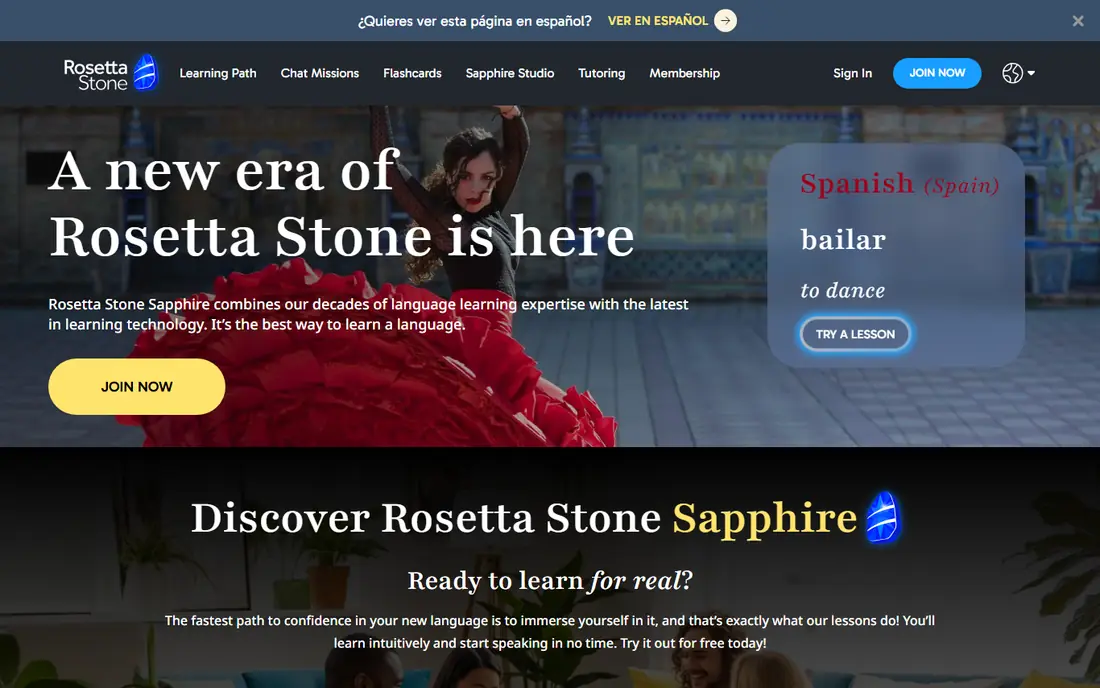
Rosetta Stone takes an immersion approach, teaching Russian through images, audio, and repetition rather than translation into English. That method suits learners who want to think in Russian from the start and who enjoy listening and repeating. Speech recognition gives pronunciation feedback, which helps with Russian sounds that do not exist in English.
Beginners who want clear grammar rules may find the lack of English explanation frustrating, especially for cases. Rosetta Stone also costs more than free or low-cost rivals, though a lifetime option can suit long-term learners. For immersion-style study, Rosetta Stone remains a classic choice.
- Immersion method with images and audio
- Speech recognition for pronunciation
- Lifetime option for long-term learners
- Little English explanation, which can confuse beginners
- Subscription or lifetime price is higher than some rivals
Pimsleur is built for learners who study by ear. Audio lessons teach phrases through listening and speaking, with spaced repetition that brings back words just as they start to fade. That method suits commuters, walkers, and anyone who wants to speak Russian before reading long texts.
Reading and writing get less attention than in Duolingo or Babbel, so learners who want Cyrillic reading practice should pair Pimsleur with a reading app or course. The monthly price is also higher than many app subscriptions. For speaking confidence and listening, Pimsleur is one of the best tools here.
- Audio lessons for hands-free study
- Spaced repetition for phrases
- Strong speaking and listening focus
- Less reading and writing practice than app-based courses
- Monthly price is higher than Duolingo or Babbel
Busuu stands out for feedback. Learners can submit writing and speaking exercises for correction by native Russian speakers in the community, which gives real-world notes on mistakes that automated checks miss. Structured courses cover grammar and vocabulary in a clear order, with a free tier for basic lessons.
The free tier is limited, and community feedback depends on other users being active, so corrections may not arrive instantly. Paid plans add more lessons and features. For learners who want human feedback without paying for a tutor yet, Busuu is a useful middle step.
- Free tier for basic lessons
- Community corrections from native speakers
- Grammar and vocabulary in structured courses
- Free tier is limited
- Feedback speed depends on community activity
Memrise suits learners who want to build Russian vocabulary fast and hear how words sound from native speakers. Short video clips show real speakers using words and phrases, which helps with listening and pronunciation. Spaced repetition schedules reviews so vocabulary sticks better than cramming alone.
Memrise is less strong as a full grammar course, so learners who need case explanations should pair it with Babbel or a grammar book. The course path can also feel less linear than Babbel or Rosetta Stone. As a vocabulary companion beside a core app, Memrise is excellent.
- Native speaker video clips for real pronunciation
- Spaced repetition for vocabulary
- Free tier for core lessons
- Grammar depth is thinner than Babbel
- Course structure is less linear than some rivals
italki is the best step when app practice alone stops being enough. Learners book live lessons with Russian tutors, choosing price, schedule, and focus, from conversation to grammar to exam preparation. Speaking with a real person exposes learners to natural speed, corrections, and cultural notes that no app fully reproduces.
Costs vary by tutor and lesson length, since italki charges per lesson rather than a flat subscription. Tutor quality also varies, so trial lessons with two or three tutors are worth the time. For learners ready to speak Russian regularly, italki gives the most direct progress in this guide.
- Live one-to-one lessons with Russian tutors
- Flexible scheduling and price by tutor
- Conversation practice that apps cannot match
- No subscription, so costs vary by lesson
- Quality varies by tutor, so trial lessons matter
LingQ suits learners who have the alphabet and basic grammar and want to read and listen to real Russian. Its library includes stories, news, and conversations at different levels, with vocabulary tracking that saves unknown words as you read. Learners can also import their own texts, articles, or transcripts to study.
Absolute beginners may find LingQ less structured than Duolingo or Babbel, since it assumes some base knowledge. The interface also takes a little learning. For intermediate learners who want to move from app lessons to real Russian content, LingQ is a strong bridge.
- Large library of Russian reading and listening content
- Vocabulary tracking as you read
- Import your own texts
- Less structured for absolute beginners
- Interface takes time to learn
Mondly suits learners who want short, daily Russian lessons with a focus on useful phrases. Lessons cover travel, daily life, and common situations, with speech recognition to practise pronunciation. The daily lesson format helps busy learners keep a streak without long study sessions.
Grammar depth is limited, so Mondly works best as a companion app rather than a sole grammar course. Free content is also limited, with fuller courses behind a subscription. For a quick daily top-up beside Babbel or Duolingo, Mondly is a friendly addition.
- Short daily lessons
- Speech recognition for pronunciation
- Themed vocabulary for travel and daily life
- Grammar explanations are limited
- Free content is limited beside paid plans
How we picked these
We compared official app and pricing pages, course structure, grammar depth, speaking and listening practice, and free versus paid access for apps that teach Russian. We kept only apps with a current Russian course, and we favoured apps that cover distinct learning styles, from gamified lessons to live tutoring. Where pricing varies by billing period, we advise checking the current vendor page.
How to choose an app to learn russian
Start with your level and study time. Absolute beginners should pick one core app, such as Duolingo or Babbel, and study daily for at least a few weeks before adding a second app. Adding too many apps at once splits attention and slows progress in cases and vocabulary alike.
Learn the alphabet first
Cyrillic looks daunting, but most letters can be learned in a week or two of short daily practice. Pick an app that teaches the alphabet early, practise reading simple words aloud, and do not rely on transliteration for long. Reading Cyrillic directly makes every later lesson faster, from vocabulary to grammar notes.
Pair an app with speaking and listening
Apps build vocabulary and grammar, but fluency needs real input and output. Add listening through Russian podcasts, shows with subtitles, or LingQ content at your level, and add speaking through italki, Busuu community feedback, or a language exchange. Even one short conversation a week changes how quickly phrases become usable.
Set a realistic daily routine
Fifteen to thirty minutes a day beats two hours once a week for language learning. Set a fixed time, review old vocabulary before new lessons, and track cases and verb forms in a simple notebook or flashcard app. When progress stalls, change the mix, such as adding speaking practice, rather than switching core apps every week.
Frequently asked questions
What is the best app to learn russian for beginners?
Duolingo is the best free starting point for beginners, with short lessons and early Cyrillic practice. Babbel is a stronger paid core app for learners who want clear grammar explanations. Start with one, study daily, and add speaking practice after a few weeks.
What are the best apps to learn russian for speaking?
Pimsleur and italki are best for speaking, since Pimsleur trains listening and speaking by audio, while italki gives live conversation with tutors. Busuu community feedback also helps, but live lessons give faster, more personal corrections.
What is the best app for learning russian grammar?
Babbel gives the clearest grammar explanations among app courses in this guide, with lessons built around cases and verb forms. Pair Babbel with a grammar reference or tutor lessons for the trickiest case patterns, since Russian cases reward steady, structured practice.
What is the best russian learning app for vocabulary?
Memrise is a strong vocabulary app, with native speaker video and spaced repetition. Duolingo also builds vocabulary through daily lessons, while LingQ tracks vocabulary as you read real Russian texts. Use one vocabulary tool consistently rather than several at once.
Can I learn Russian with only an app?
An app can build a strong base in alphabet, vocabulary, and basic grammar, but fluency needs listening, reading, and speaking beyond app lessons. Pair a core app with real Russian content and conversation practice, and expect steady progress over months, not days.
Sources we checked (9)

Online Jobs is an independent blog about careers, online work, learning new skills and the tools that help people earn. More about us.
Keep reading
All posts
Best Udemy Alternatives
Explore the best Udemy alternatives for 2026, including Coursera, Skillshare, and LinkedIn Learning, with pricing, certificates, and who each platform suits.
Best Tools for Virtual Tutoring
Compare the best tools for virtual tutoring, from one-to-one tutor marketplaces to free self-paced learning, with pricing, subjects and honest limits.
Best Study Apps for Young Children
Compare the best study apps for young children in 2026, from Khan Academy Kids and ABCmouse to Reading Eggs, Starfall, Duolingo ABC and PBS Kids, with prices.