Best Apps to Learn Portuguese in 2026: 8 Apps Compared

How we put this together: we compare official feature and pricing pages, app store listings, privacy policies and public user reviews. Prices change, so check the provider's site before you pay.
Key takeaways
- Duolingo is the easiest free start, but its Portuguese course is Brazilian, so Portugal-bound learners need extra European listening practice.
- Babbel and Busuu suit learners who want structure and a visible level, while Pimsleur suits audio-first learners.
- Live tutors on italki fill the gap no app fills alone: real conversation, correction, and choice of Portuguese variety.
- Free plans are useful for testing a style, but full courses, offline access, and tutor time usually sit behind paid plans.
Quick comparison
| Name | Who it suits | Starting price | Free option | |
|---|---|---|---|---|
 Duolingo | daily habit building | Free | Yes | Visit |
 Babbel | structured conversation lessons | $17.99 per month | Free trial | Visit |
 Pimsleur | audio-first learning on the move | $19.95 per month | Free trial | Visit |
 Rosetta Stone | immersion without translation | $11.99 per month | Free trial | Visit |
 Memrise | vocabulary and native speaker video | Free | Yes | Visit |
 Busuu | structured progress with feedback | $13.99 per month | Yes | Visit |
 Mondly | quick daily lessons and chat practice | $9.99 per month | Yes | Visit |
 italki | live lessons with human tutors | See website | No | Visit |
The best apps to learn Portuguese
Portuguese has two major varieties, Brazilian and European, and the variety you learn matters for pronunciation, vocabulary, and everyday phrases. The apps below all teach Portuguese today, but they do not all teach the same variety, and they do not all go to the same depth. We compared them on course structure, speaking practice, price, and how well each one fits a stated goal, so you can pick by variety and learning style rather than by popularity alone.
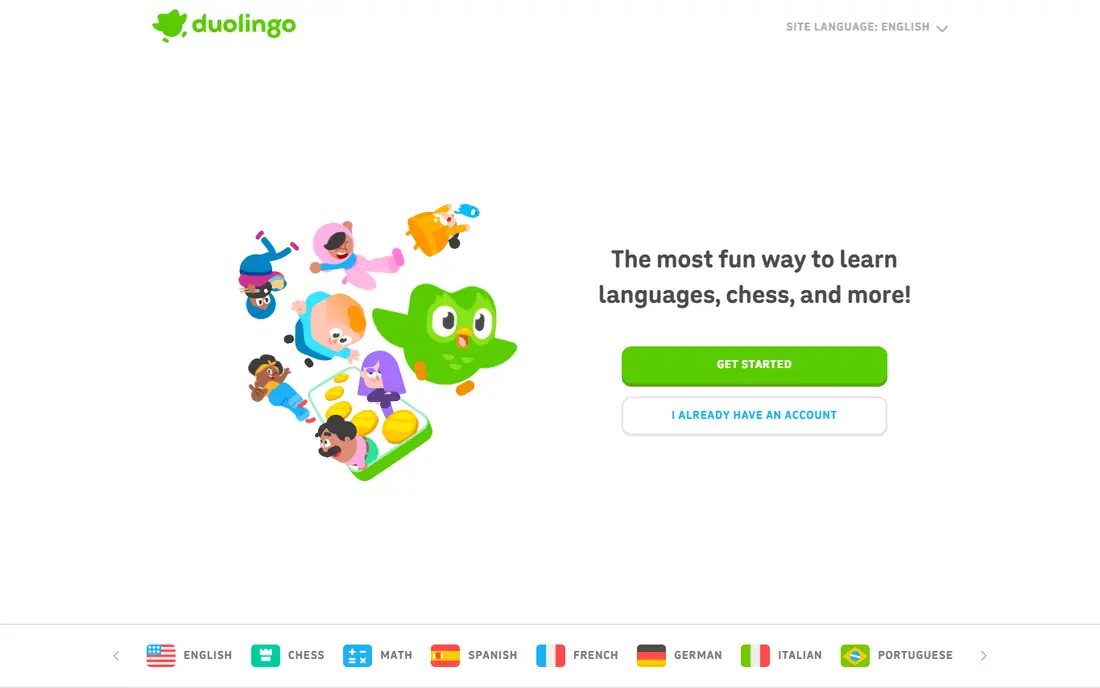
Duolingo turns short daily practice into a habit, with bite-size lessons that fit into a commute or a lunch break. The free course covers a wide range of everyday vocabulary and sentence patterns, and the app structure makes it easy to return each day. We would pair it with a clear weekly routine rather than relying on the tool alone to carry progress.
The main catch is variety: the Portuguese course focuses on Brazilian Portuguese, so learners heading to Portugal will need extra listening practice for European pronunciation and words. Pricing also deserves a careful check before you commit, because the headline price and the price for the features you actually need can differ. We suggest starting on the free option or the shortest paid term where one exists, testing it with real work for two weeks, and only then deciding whether a longer plan makes sense.
- Free full course
- Short gamified lessons
- Streaks keep practice regular
- Brazilian Portuguese only
- Limited depth past intermediate
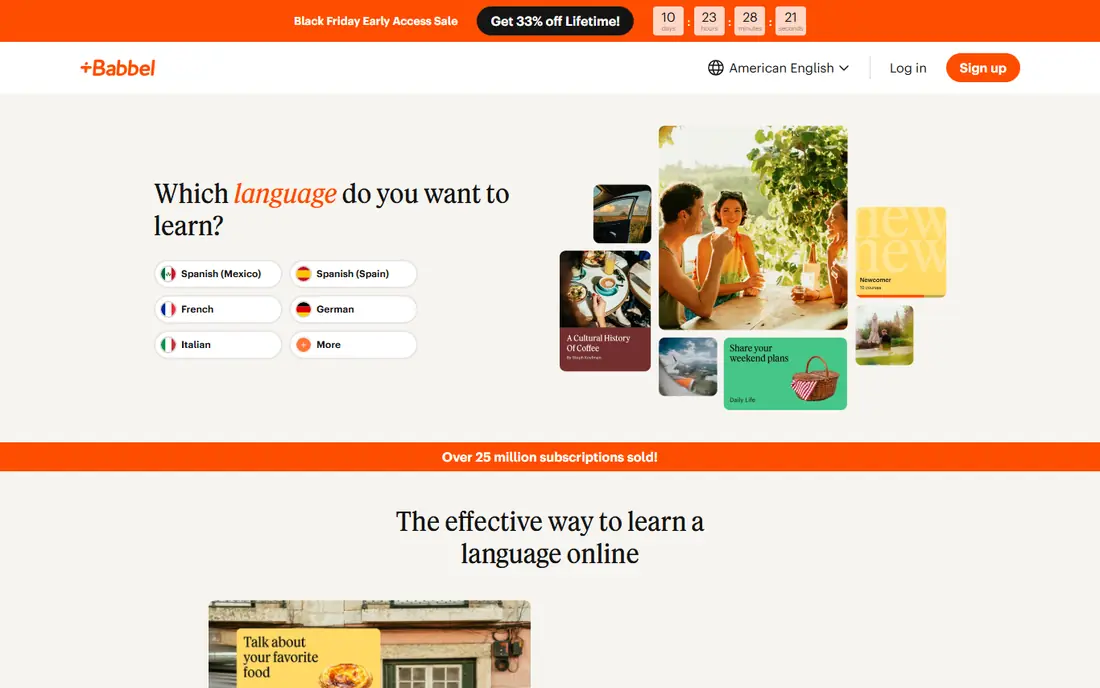
If your main goal is structured conversation lessons, Babbel deserves a close look. Babbel gives learners a clear path through conversation topics, from greetings and travel to work and daily life. Each lesson explains why a phrase works the way it does, which helps learners reuse patterns instead of only memorizing set sentences. We would pair it with a clear weekly routine rather than relying on the tool alone to carry progress.
The catch is scope and price: the course is Brazilian Portuguese, and the best value comes from longer plans, so check the total cost before signing up. Pricing also deserves a careful check before you commit, because the headline price and the price for the features you actually need can differ. We suggest starting on the free option or the shortest paid term where one exists, testing it with real work for two weeks, and only then deciding whether a longer plan makes sense.
- Lessons built around real conversations
- Clear grammar explanations
- Speech recognition for pronunciation
- Brazilian Portuguese focus
- Monthly price rises on short plans

Pimsleur stands out for learners and teams who want audio-first learning on the move. Pimsleur is built for people who learn by listening and speaking, with 30-minute audio lessons that suit driving, walking, or chores. The method repeats new words in new sentences, so learners start forming their own phrases rather than only repeating fixed lines. We would pair it with a clear weekly routine rather than relying on the tool alone to carry progress.
The catch is balance: reading, spelling, and grammar detail get less attention, so many learners later add a reading app or a tutor. Pricing also deserves a careful check before you commit, because the headline price and the price for the features you actually need can differ. We suggest starting on the free option or the shortest paid term where one exists, testing it with real work for two weeks, and only then deciding whether a longer plan makes sense.
- Audio lessons build speaking confidence
- Spaced repetition aids recall
- Lessons work fully offline
- Little reading or writing practice
- Slower pace for visual learners
For many people, Rosetta Stone is the practical choice for immersion without translation. Rosetta Stone teaches through pictures, audio, and matching tasks instead of translation drills. That immersion style suits learners who want to think in Portuguese from the start and who enjoy visual cues. We would pair it with a clear weekly routine rather than relying on the tool alone to carry progress.
The catch is clarity: when a rule is unclear, there is no quick written explanation, so some learners pair it with a grammar reference. Pricing also deserves a careful check before you commit, because the headline price and the price for the features you actually need can differ. We suggest starting on the free option or the shortest paid term where one exists, testing it with real work for two weeks, and only then deciding whether a longer plan makes sense.
- Image-based immersion builds intuition
- Pronunciation tool gives feedback
- Offline lessons on paid plans
- No English explanations can frustrate beginners
- Progress can feel slow
Start with what Memrise does well. Memrise focuses on words and phrases you will actually hear, with short videos of native speakers saying them in context. That video-first approach helps learners connect spelling, sound, and mouth movement in a way text alone cannot. We would pair it with a clear weekly routine rather than relying on the tool alone to carry progress.
The catch is depth: it works best as a vocabulary companion to a fuller course, not as the only path to fluent conversation. Pricing also deserves a careful check before you commit, because the headline price and the price for the features you actually need can differ. We suggest starting on the free option or the shortest paid term where one exists, testing it with real work for two weeks, and only then deciding whether a longer plan makes sense.
- Native speaker clips show real pronunciation
- Spaced repetition for words
- Free core content
- Course depth varies by language
- Advanced grammar is thin
Busuu organizes learning into levels that match a widely used European framework, so learners can see where they stand. Written and spoken exercises can receive corrections from native speakers in the community, which adds a human check to app practice. We would pair it with a clear weekly routine rather than relying on the tool alone to carry progress.
The catch is the free tier: it covers only part of the course, and full access, including offline lessons, needs Premium. Pricing also deserves a careful check before you commit, because the headline price and the price for the features you actually need can differ. We suggest starting on the free option or the shortest paid term where one exists, testing it with real work for two weeks, and only then deciding whether a longer plan makes sense.
- CEFR-aligned levels show progress
- Native speaker corrections on exercises
- Offline mode on Premium
- Free tier is limited
- Some advanced content is thin
There is a clear reason Mondly keeps appearing on shortlists for quick daily lessons and chat practice. Mondly keeps lessons short and varied, mixing vocabulary, phrases, and a chatbot that lets learners practise replies without pressure. Daily lessons, a weekly quiz, and monthly challenges give a light structure that suits busy schedules. We would pair it with a clear weekly routine rather than relying on the tool alone to carry progress.
The catch is depth: learners who want detailed grammar or long conversation practice will likely need a second resource as they advance. Pricing also deserves a careful check before you commit, because the headline price and the price for the features you actually need can differ. We suggest starting on the free option or the shortest paid term where one exists, testing it with real work for two weeks, and only then deciding whether a longer plan makes sense.
- Short daily lessons
- Chatbot conversation practice
- Wide language choice in one account
- Depth is lighter than specialist courses
- Some phrases feel formal
Consider italki first if live lessons with human tutors matters most to you. italki connects learners with tutors for one-to-one video lessons, which is the fastest way to practise real conversation. Learners can pick a tutor who teaches European or Brazilian Portuguese, focus on travel, work, or exams, and get corrections in the moment. We would pair it with a clear weekly routine rather than relying on the tool alone to carry progress.
The catch is planning: tutor prices vary, and learners get the most from lessons when they arrive with topics and questions prepared. Pricing also deserves a careful check before you commit, because the headline price and the price for the features you actually need can differ. We suggest starting on the free option or the shortest paid term where one exists, testing it with real work for two weeks, and only then deciding whether a longer plan makes sense.
- Choose Brazilian or European Portuguese tutors
- Lessons fit your level and goals
- Pay per lesson
- Price varies by tutor
- No fixed course path without planning
How we picked these
We compared official feature pages, pricing pages, and app store listings for each product, and we checked privacy policies and public reviews where they clarified limits such as free tiers, offline access, and variety. We gave weight to course depth, speaking practice, and honest pricing, and we treated a free tier as useful only where it covers real lessons rather than a short demo. Where a price could not be confirmed on the vendor site at the time of writing, we used See website rather than repeating a third-party figure.
What to check before you pay for a Portuguese app
Start by choosing your variety. If you plan to live in, work in, or travel often to Portugal, look for European Portuguese material or a tutor who teaches it, and test listening with European audio before you commit to a long plan. If your focus is Brazil, most major apps will fit, and the choice turns on method: audio, structured lessons, or conversation. Next, try the free tier for a full week and judge it on speaking, not just streaks. Can you say a new sentence on your own, understand a short reply, and recall words the next day. Then check the total cost of the plan length you actually want, whether offline access matters for travel, and whether you can cancel easily. A good plan pairs one core app with one speaking outlet, such as a tutor, a conversation group, or regular voice practice, because reading and tapping alone rarely build confident speech.
Frequently asked questions
What is the best app to learn Portuguese for beginners?
Duolingo is a strong free start for beginners because lessons are short and the habit system keeps practice regular. Babbel or Busuu may suit beginners who want more grammar explanation and a clearer course path. Learners who want speaking from week one should add Pimsleur or a tutor.
What are the best apps to learn Portuguese for European Portuguese?
Most large apps teach Brazilian Portuguese, so European learners should check variety before paying. italki lets learners choose a tutor who teaches European Portuguese, and specialist European courses and audio can fill the gap. Test European listening early, since pronunciation and some everyday words differ.
What is the best app for learning Portuguese while commuting?
Pimsleur is the clearest commuting choice because lessons are audio-first and work offline on paid plans. Memrise videos also work for short listening sessions, though they need a screen. Audio learners should still add reading practice later.
What is the best software to learn Portuguese for structured study?
Babbel and Busuu offer the most structured paths in this list, with lessons grouped by topic and level. Rosetta Stone offers structure through immersion, without translation. Structured software helps when self-directed apps feel scattered.
Can I learn Portuguese free with an app?
Yes, Duolingo offers a full free course with ads, and Memrise and Mondly offer free core content. Free plans usually limit offline access, advanced lessons, or tutor feedback. A free start is a good test, but most learners pay later for depth or speaking practice.
Sources we checked (8)

Online Jobs is an independent blog about careers, online work, learning new skills and the tools that help people earn. More about us.
Keep reading
All posts
9 Best Apps to Learn Italian for Travel, Study and Conversation
Compare the best apps to learn Italian, from Duolingo and Babbel to italki and Pimsleur, with free options, speaking practice and travel tips included.

n8n Alternatives
n8n alternatives compared for 2026, with Zapier, Make, Activepieces, and more, covering visual builders, code steps, self-hosting, and pricing models.

eBay Alternatives
Looking for ebay alternatives? We compared 9 marketplaces for sellers on fees, buyer reach, categories and ease of listing, to help you sell with confidence.