Best App to Learn German in 2026: 9 Apps Compared

How we put this together: we compare official feature and pricing pages, app store listings, privacy policies and public user reviews. Prices change, so check the provider's site before you pay.
Key takeaways
- Duolingo is the best free starting point for German, with a full free tier and a Super plan that removes ads.
- Babbel is our pick for structured learning, with short lessons that explain German grammar in plain terms, from 8.95 dollars per month on the annual plan.
- Busuu adds native-speaker feedback on your writing and speaking, with German courses from A1 to B2 and a free basic tier.
- German cases and word order need explanation, which is why immersion-only apps like Rosetta Stone suit German less well than structured courses.
- No app alone takes you to fluency: pair an app with real conversation, through Lingoda classes, italki tutors or a language exchange.
Quick comparison
| Name | Who it suits | Starting price | Free option | |
|---|---|---|---|---|
 Duolingo | Building a daily habit for free | Free | Yes | Visit |
 Babbel | Structured grammar and conversation | $8.95 per month | Free trial | Visit |
 Busuu | Native-speaker feedback | $4.17 per month | Yes | Visit |
 Rosetta Stone | Immersion-style vocabulary | See website | No | Visit |
 Memrise | Vocabulary with native-speaker video | $22.99 per month | Yes | Visit |
 Pimsleur | Audio learning on the go | $14.95 per month | Free trial | Visit |
 Lingoda | Live small-group classes | See website | Free trial | Visit |
 italki | One-to-one lessons with a tutor | See website | No | Visit |
 DW Learn German | Free courses from a public broadcaster | Free | Yes | Visit |
The best app to learn German
German rewards learners who get its grammar explained, not just memorized. Cases change word endings, verbs move around in sentences, and guessing from pictures alone leaves most learners stuck. We compared official pricing pages, course descriptions and public user reviews, favoring apps that teach German structure clearly and honestly state their level range.
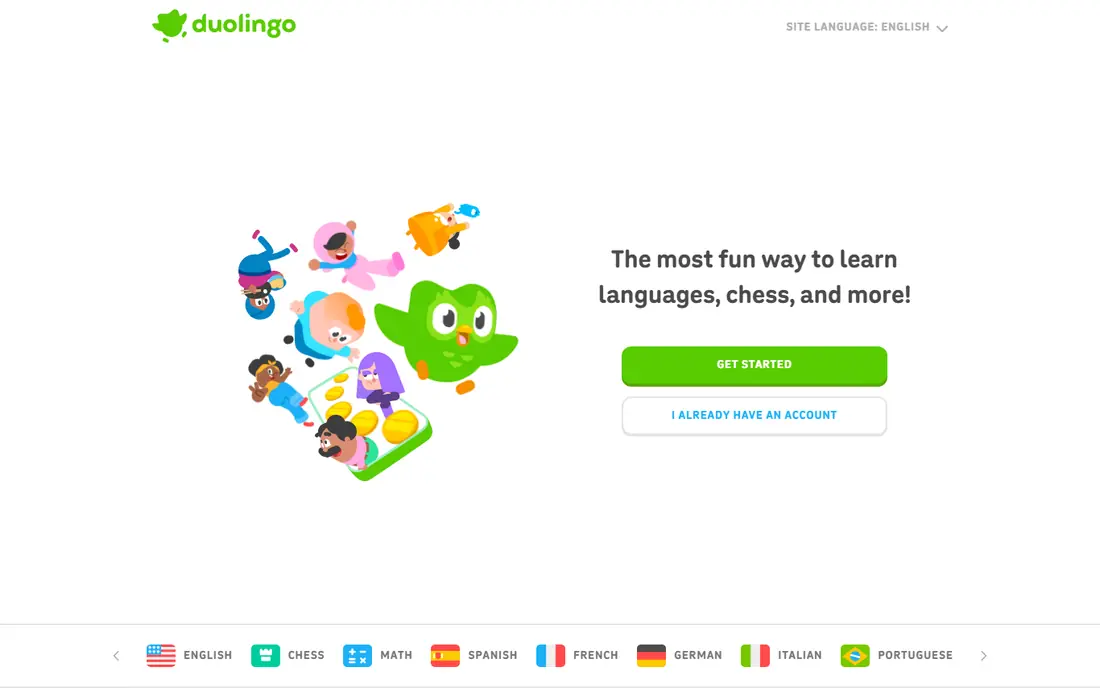
Duolingo is where most people should start learning German, because it costs nothing and it works at building a habit. Short lessons mix vocabulary, listening and speaking, and the streak system keeps you coming back. The German course covers the basics well, from greetings and food to travel phrases and everyday verbs, and the app runs on phones, tablets and the web.
The limits show up as you progress. Grammar is taught implicitly rather than explained, which is a problem for German cases and sentence structure, and the course will not carry you to confident conversation on its own. Super, at around 7 dollars per month billed annually, removes ads and limits. Use Duolingo as your daily foundation, then add a structured course or conversation practice when you are ready for more.
- Completely free core course
- Streaks and game elements keep practice daily
- Covers reading, writing, listening and speaking basics
- Grammar explanations are light
- German course tops out below conversational fluency
- Free version has ads and limited hearts
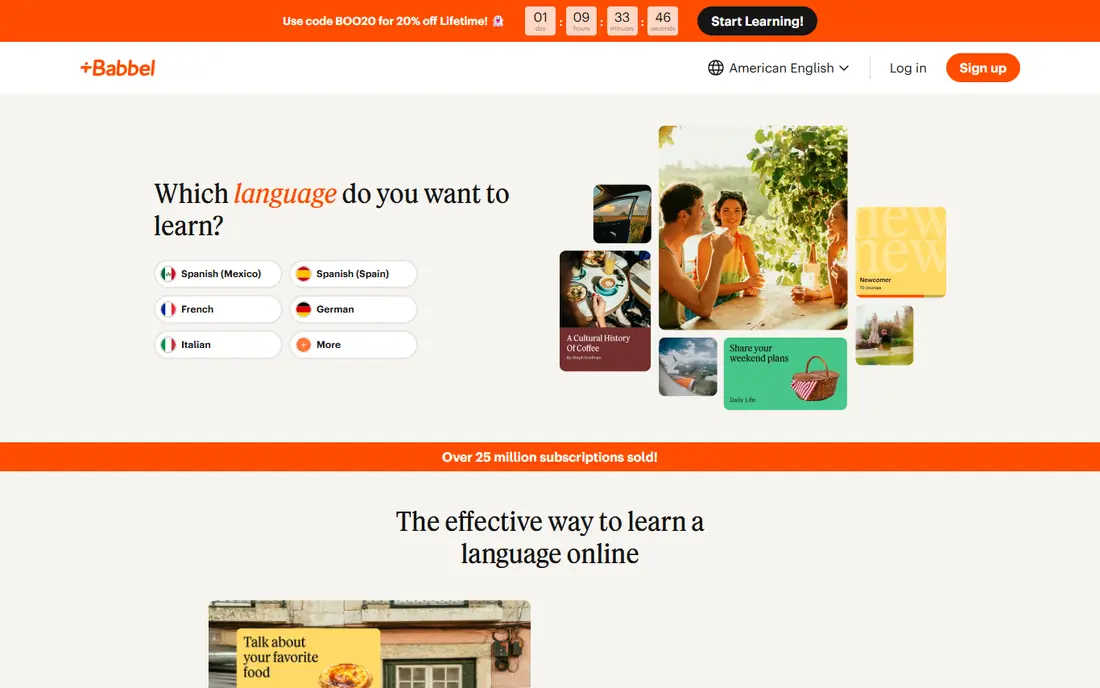
Babbel is our pick for learners who want to understand German rather than just collect vocabulary. Lessons run 10 to 15 minutes, explain grammar rules as you meet them, and focus on phrases you would actually say, from ordering food to handling a doctor visit. The German course follows the CEFR scale from A1 upward, and review sessions use spaced repetition to lock in words.
Pricing starts at 8.95 dollars per month on the 12-month plan, with a lifetime option also listed. Babbel Live classes, which add real teachers, start much higher, around 99 dollars per month. Babbel alone will not make you fluent, since its courses top out around the intermediate level, but as a structured foundation it is the strongest self-study app on this list.
- Grammar explained in plain language
- Lessons built around real conversations
- Courses aligned to CEFR levels up to B1 and beyond
- No permanent free tier
- Content caps below advanced fluency
- Live classes cost much more than self-study
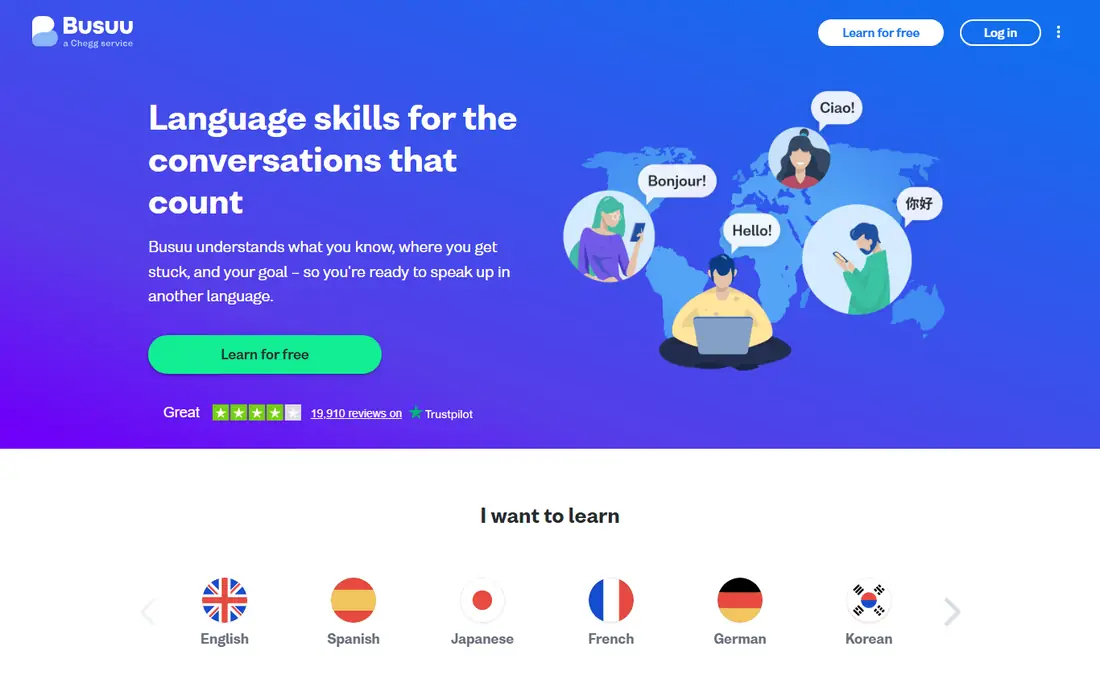
Busuu stands out because real people correct your work. You complete writing and speaking exercises, and native German speakers review them and suggest improvements, which catches mistakes that automated apps miss. The German course runs from beginner A1 to upper intermediate B2, with a dedicated grammar review section and video clips of native speakers.
Premium starts at 4.17 dollars per month on the annual plan, rising with shorter billing periods, and a free basic tier covers some content. The lessons can feel gentle if you already know the basics, and Busuu alone will not carry you to fluency. For learners who want human feedback without paying for a tutor, it is an excellent middle ground.
- Writing and speaking exercises reviewed by native speakers
- German courses from A1 to B2
- Dedicated grammar review section
- Premium price is shown in the app rather than on the public pricing page
- Lessons can feel easy for advanced learners
- Reaching fluency needs outside practice
Rosetta Stone teaches by immersion: pictures, audio and text in German, with no translations and no grammar explanations. That approach builds vocabulary intuition and works well for languages close to English, but German is a harder fit. Cases, genders and word order need explanation, and learners often report feeling stuck rather than progressing when the rules are never stated.
Pricing varies by plan length and is not fully published upfront, so we list it as See website, with a lifetime option for all languages also available. If you already know German grammar and want vocabulary practice, Rosetta Stone can help. As a first German app, a structured course like Babbel will serve you better.
- Long track record and polished app
- Image-based learning builds vocabulary intuition
- All 25 languages included in one plan
- No grammar explanations, a real problem for German cases
- Higher price than structured rivals
- Some learners find the method repetitive
Memrise is built around memory science and real speech. Short video clips show native German speakers saying words and phrases in context, which helps you recognize natural pronunciation and rhythm. The app uses spaced repetition to schedule reviews, and a chatbot feature lets you practice speaking in low-pressure conversations.
The free version covers limited vocabulary lessons, while Pro starts at 22.99 dollars per month, with annual and lifetime options that work out cheaper. Memrise dropped community-made courses and offline lesson downloads, which some long-time users miss. As a vocabulary booster alongside a grammar course, it is strong. As your only German app, it is too narrow.
- Thousands of short videos of native speakers
- Memory techniques built into reviews
- Free version covers core vocabulary
- Monthly price is high compared with rivals
- Community courses were removed
- Offline downloads are no longer offered for lessons
Pimsleur teaches German by ear. Each 30-minute lesson has you listen, repeat and answer prompts, building speaking confidence from day one. The method suits commuters, drivers and anyone who learns better by listening than by staring at a screen, and the voice coach feature checks your pronunciation as you go.
The trade-off is breadth. Reading, writing and grammar study are thin, and vocabulary grows more slowly than in visual apps. All Access pricing starts around 14.95 dollars per month, with a 7-day free trial. Pair Pimsleur with a reading app if you want balanced skills, or use it alone if speaking is your priority.
- 30-minute audio lessons fit commutes and walks
- Speaking from the first lesson
- Voice coach gives pronunciation feedback
- Audio-only approach means weak reading and writing
- Price is shown at checkout rather than on the pricing page
- Slower vocabulary growth than app-based courses
Lingoda is the closest thing on this list to a real language school. Certified teachers run live small-group classes online, following a structured curriculum from A1 through advanced levels, with classes available at many times of day. That structure helps learners who drift with self-study apps, and speaking with a teacher corrects errors that apps cannot catch.
Pricing is not published as a single figure and varies by plan, so we list it as See website. Group classes also mean you share speaking time with classmates, and you need to show up at scheduled times. If you want accountability and real conversation, Lingoda is worth the cost. If your schedule is irregular, italki tutoring may fit better.
- Real teachers in live online classes
- Structured CEFR curriculum up to advanced levels
- Class times run around the clock
- Pricing is quote-based and varies by plan
- Group classes mean less individual speaking time
- Needs a fixed schedule commitment
Italki connects you with German tutors and professional teachers for one-to-one video lessons. You pick a tutor by price, availability, specialty and reviews, then book lessons when it suits you. That flexibility is ideal for exam preparation, business German or conversation practice on specific topics, and the one-to-one format gives you far more speaking time than group classes.
The catch is consistency. There is no fixed curriculum, so progress depends on your tutor, and finding a good match can take a few trial lessons. Prices vary by tutor and are paid per lesson, so frequent sessions add up. Used alongside an app for daily practice, italki is the fastest route to real speaking confidence.
- Choose from many German tutors at different prices
- One-to-one attention
- Flexible scheduling and lesson topics
- No set curriculum, so quality varies by tutor
- Pay per lesson, which adds up with frequent sessions
- You must find the right teacher yourself
DW Learn German, from German public broadcaster Deutsche Welle, is the best free German course most learners have never tried. The Nicos Weg video course takes you from A1 to B1 with a proper story, and audio courses and placement tests cover levels up to C1. The content is professionally produced and genuinely structured, not a collection of random videos.
What it lacks is the polish of paid apps: no streaks, no game elements and no tutor feedback. Self-discipline matters more here. If you want a free, serious German course and you can motivate yourself, DW Learn German beats every free tier on this list except Duolingo, and it pairs well with either.
- Completely free, professionally made courses
- Levels from A1 to C1
- Video series and audio courses included
- No app-based gamification or streaks
- Less interactive than paid apps
- No tutor feedback on your work
How we picked these
We compared official pricing pages, course descriptions, level ranges and public user reviews for apps and courses that teach German today. We favored products that explain German grammar clearly, state their CEFR levels honestly, and are available to US learners. Where a vendor does not publish a price before signup, we wrote See website rather than guessing, and we noted where prices differ between the vendor site and review sources.
What to check before you choose
Start with your goal and your level. A complete beginner who wants a habit should start free with Duolingo or DW Learn German. A learner who wants to understand grammar should pick Babbel or Busuu. A learner preparing for a move, a job or an exam should add live practice through Lingoda or italki.
Next, test the free tier or trial before paying. A week of real lessons tells you whether the teaching style fits you, and most paid apps here offer a trial or a free version. Check the level ceiling too: an app that stops at B1 will not serve you for long if you plan to keep going.
Finally, plan for conversation. Apps build vocabulary and grammar, but speaking needs people. Budget time each week for a tutor, a class or a language exchange, even if it is only thirty minutes, and your progress will be faster than any app alone can deliver.
Frequently asked questions
What is the best app to learn German for free?
Duolingo and DW Learn German are the two best free options. Duolingo is better for daily habit building with game elements, while DW Learn German offers a more serious, structured course with video and audio up to advanced levels. Busuu also has a free basic tier with some content.
What are the best apps for learning German as a beginner?
Babbel is the strongest structured beginner app, since it explains grammar in short lessons. Duolingo is the easiest free start, and Busuu adds native-speaker feedback on your early writing and speaking. Most beginners do well combining Duolingo for habit with Babbel for structure.
Can I learn German for free with an app?
Yes. Duolingo covers the basics at no cost, DW Learn German offers full free courses from A1 to C1, and Busuu and Memrise both have free tiers. Free apps will not give you tutor feedback or advanced conversation practice, but they cover a real foundation.
Is Babbel or Duolingo better for German?
Babbel is better for understanding German grammar and holding real conversations, since its lessons explain rules and focus on practical phrases. Duolingo is better for building a free daily habit and learning vocabulary. Many learners use both: Duolingo daily, Babbel for structured study.
How long does it take to learn German with an app?
With daily practice of 15 to 30 minutes, most learners reach basic conversational level, around A2 to B1, within six to twelve months. Reaching confident fluency takes longer and needs real conversation practice beyond any app. Consistency matters more than the specific app you choose.
What is the best German learning app for speaking practice?
Lingoda and italki are best for real speaking, since both connect you with teachers. Among self-study apps, Pimsleur focuses most on speaking, and Busuu lets native speakers review your spoken exercises. For daily speaking drills without a teacher, Pimsleur is the practical pick.
Sources we checked (9)

Online Jobs is an independent blog about careers, online work, learning new skills and the tools that help people earn. More about us.
Keep reading
All posts
Best Tools for Virtual Tutoring
Compare the best tools for virtual tutoring, from one-to-one tutor marketplaces to free self-paced learning, with pricing, subjects and honest limits.
Best Study Apps for Young Children
Compare the best study apps for young children in 2026, from Khan Academy Kids and ABCmouse to Reading Eggs, Starfall, Duolingo ABC and PBS Kids, with prices.
Best Study Apps for Kids
Looking for the best study apps for kids? We compare Khan Academy Kids, ABCmouse, Prodigy, IXL and more on age, safety, price and subjects for home learning.