Best App Monetization Platforms in 2026: 9 Platforms Compared

How we put this together: we compare official feature and pricing pages, app store listings, privacy policies and public user reviews. Prices change, so check the provider's site before you pay.
Key takeaways
- No single ad network fills every impression well, so many apps use mediation to combine several networks.
- Subscriptions and in-app purchases often beat ads for apps with loyal users, while ads suit high-traffic free apps.
- Check payout terms, supported ad formats, and privacy rules before you integrate any network.
- Small apps should start with one or two networks and add mediation only when traffic justifies the extra setup.
- Revenue claims in marketing pages are not a promise for your app, because results depend on audience, region, and format.
Quick comparison
| Name | Who it suits | Starting price | Free option | |
|---|---|---|---|---|
 Google AdMob | Mobile ads for Android and iOS | Free | Yes | Visit |
 AppLovin | Ad mediation and growth | Free | Yes | Visit |
 Unity Ads | Ads in mobile games | Free | Yes | Visit |
 ironSource | Game monetization and mediation | Free | Yes | Visit |
 Chartboost | Game ads and direct deals | Free | Yes | Visit |
 InMobi | Global mobile advertising | Free | Yes | Visit |
 Appodeal | Mediation for indie apps | Free | Yes | Visit |
 Liftoff Vungle | Video ads for games and apps | Free | Yes | Visit |
 RevenueCat | Subscriptions and in-app purchases | Free | Yes | Visit |
The best app monetization platforms
We compared these platforms by ad formats, mediation, payout model, and fit for games versus non-game apps. Most ad networks are free to join and take a share of ad revenue, while subscription tools charge a fee or a revenue share above a threshold. Confirm current terms on the vendor site, because payout thresholds and fees change.
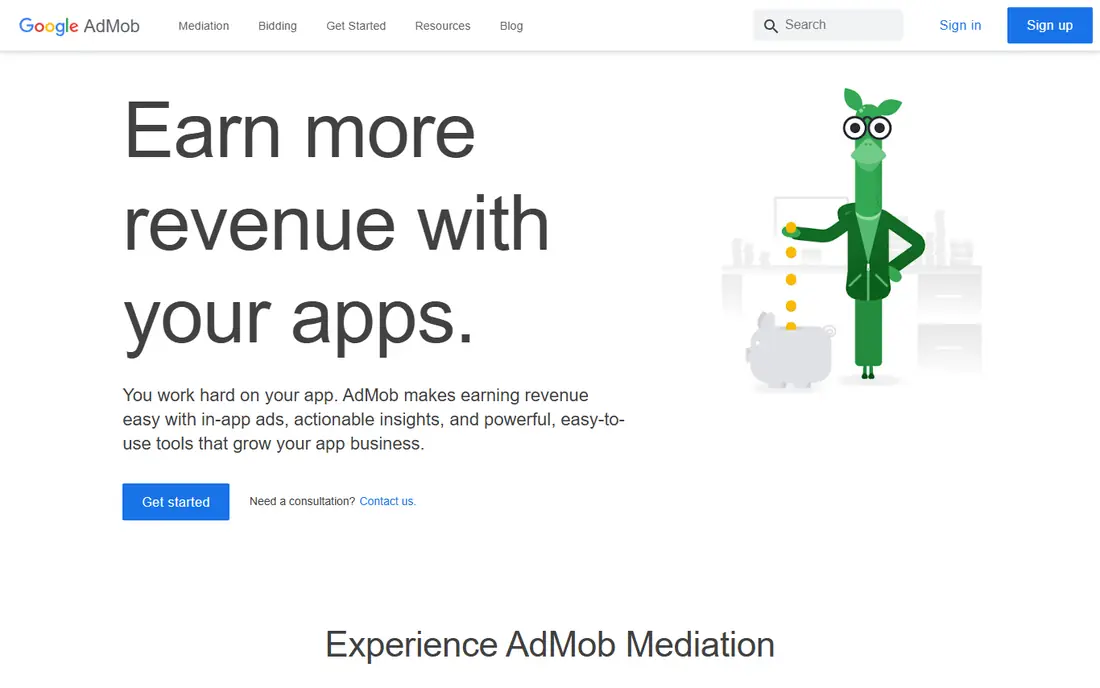
AdMob is our default pick for a first ad network, because it is widely used, supports the main mobile ad formats, and offers mediation to add other networks later. Rewarded ads, where users watch a video for an in-app benefit, work well in games and in free apps with repeat use. The strength is demand and tooling, including reporting and policy guidance. The catch is policy risk. AdMob enforces placement and content rules strictly, and violations can limit or suspend an account, so read the policies before you place ads near buttons or in ways that encourage accidental clicks.
- Large advertiser demand
- Banner, interstitial, rewarded, and native formats
- Mediation with other networks
- Policy enforcement can be strict
- Earnings vary widely by audience and region
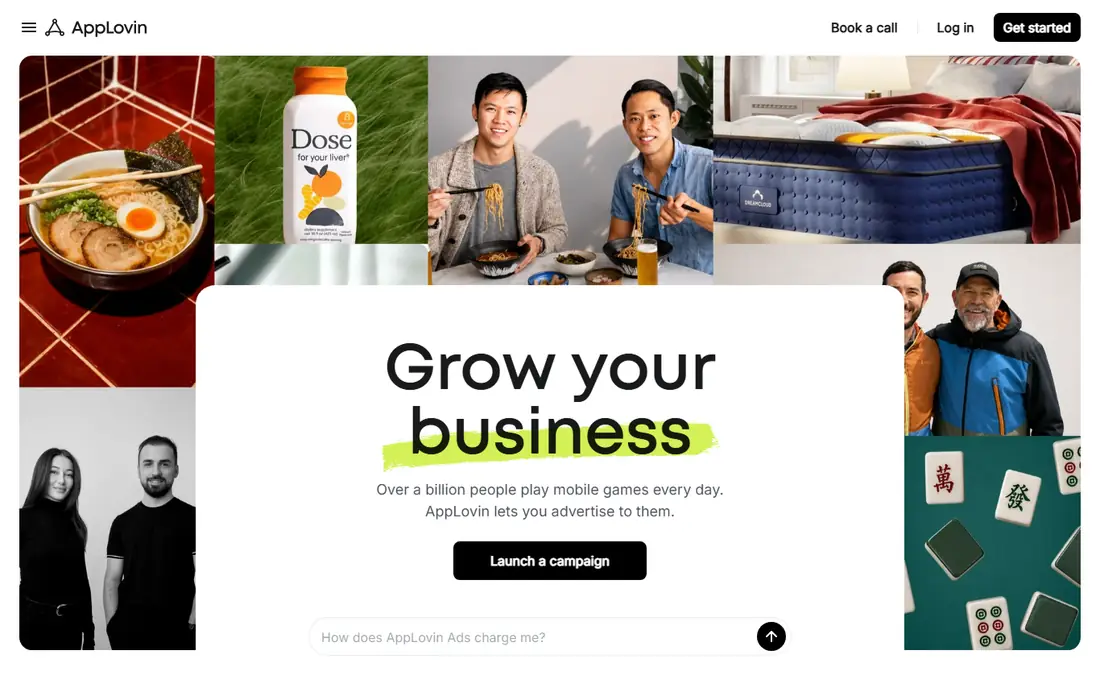
AppLovin suits apps, especially games, that want mediation plus growth tools in one place. Its MAX mediation platform lets you combine several ad networks and compete for each impression, which can raise fill and revenue compared with a single network. It also offers user acquisition tools, so teams can link spending and revenue in one view. The trade-off is complexity. Small apps with low traffic may not see the full benefit, and mediation setup takes time to tune. Start with AppLovin when you have enough traffic to test networks against each other.
- Mediation across many networks
- Strong game ad demand
- Tools for user acquisition alongside monetization
- Best results need scale
- Setup is more involved than a single network
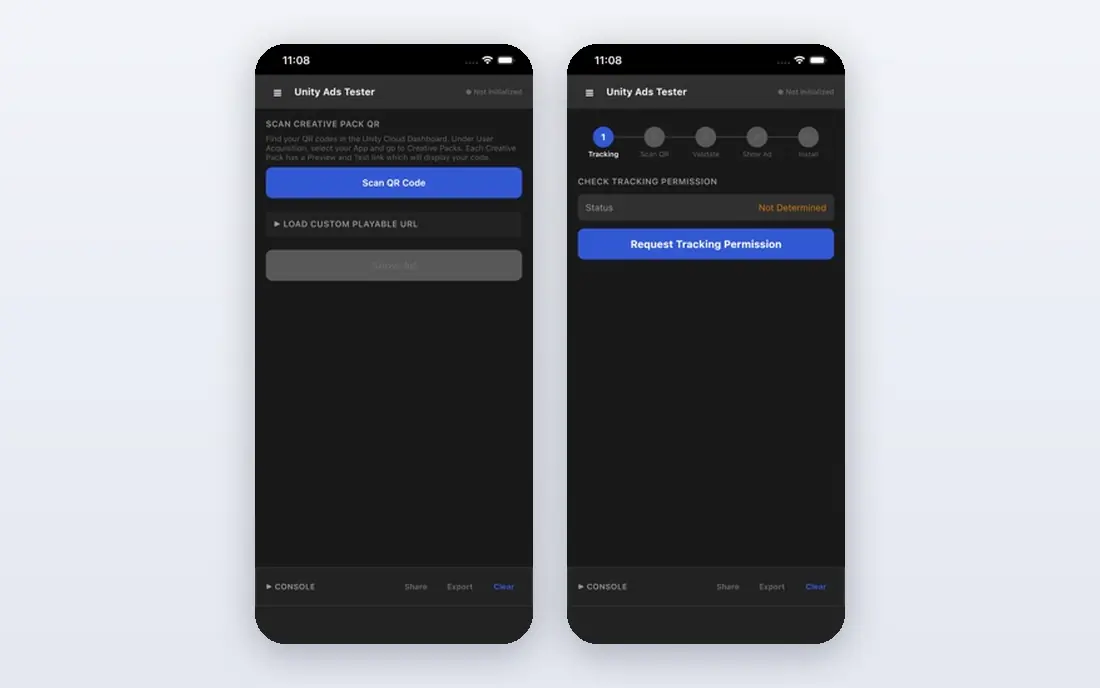
Unity Ads is the natural choice for games built in Unity, because integration is straightforward and rewarded video fits game loops well. Players can watch an ad for extra lives, currency, or hints, which monetizes without forcing a purchase. That format keeps free players engaged while still earning revenue. The limitation is scope. Non-game apps will find AdMob or AppLovin more useful, and game earnings vary a lot by genre, region, and session length. Test rewarded placements carefully so ads help retention rather than pushing players away.
- Built for Unity games
- Rewarded video and interstitial formats
- Simple integration for Unity developers
- Less relevant outside games
- Earnings depend on game genre and player base
ironSource, now part of Unity, offers mediation, rewarded video, interstitials, and offerwalls for mobile games. Offerwalls let players complete tasks for in-game rewards, which can monetize players who never buy, while mediation helps fill impressions across networks. That mix suits mid-size and larger games that need more than one revenue stream. The catch is focus. ironSource is game-first, so non-game apps should look elsewhere, and product pages may use Unity branding, so confirm the current product name on the vendor site before you integrate.
- Mediation and ad formats for games
- Offerwall and rewarded options
- Detailed reporting
- Now part of Unity, so product naming can confuse
- Best for games with scale
Chartboost suits game developers who want interstitial and rewarded ads, plus direct deals with advertisers in some cases. It has a long history in mobile games, and it can work as a mediated network alongside AdMob or AppLovin. That makes it useful as a second or third network rather than a sole source of ads. The weakness is scale for general apps. If your app is not a game, advertiser demand may be lower, and you should test fill rates in your main countries before relying on it.
- Interstitial and rewarded formats for games
- Direct deals with advertisers
- Mediation support
- Smaller demand than AdMob for non-game apps
- Results depend on game audience
InMobi is worth testing if your audience is global, especially in Asia, where its advertiser base is strong. It offers video, native, and interstitial formats, and it can join a mediation stack to compete for impressions. That global reach helps apps whose users sit outside the US and Europe, where some networks fill less well. The trade-off is variability. Fill and earnings can differ sharply by country, so measure results by region rather than looking at a global average, and keep a second network in mediation for regions where InMobi is weaker.
- Strong global reach, including Asia
- Video and native formats
- Mediation support
- Performance varies by region
- Setup and support can feel enterprise focused
Appodeal is built for indie developers who want mediation without building it themselves. One SDK can connect several ad networks, and the dashboard shows performance across them, which saves time for small teams. That simplicity is its main draw, especially for first-time monetization. The catch is terms. Appodeal takes a share or charges under certain models, so read the current pricing page and compare net revenue after fees with a direct mediation setup. For many indies, the time saved is worth the fee, but check the numbers for your traffic level.
- Mediation designed for indie developers
- Multiple networks in one SDK
- Reporting across networks
- Revenue share and terms need checking
- Smaller team support than larger networks
Liftoff Vungle, formerly Vungle, focuses on video ads, which suit games and apps where users already watch short videos. Rewarded video and interstitial video can earn more per impression than banners in the right app, and Vungle offers tools to optimise creative and placement. That video focus is both strength and limit. If your app relies on banners or native ads, Vungle alone will not cover you, so use it in mediation alongside a broader network. Test video placements for user experience, because forced video at the wrong moment can hurt retention.
- Video ad expertise
- Rewarded and interstitial video
- Performance tools for games
- Video-focused, so banner demand is limited
- Best for apps with video-friendly audiences
RevenueCat is different from the rest of this list, because it monetizes through subscriptions and in-app purchases rather than ads. It handles receipt validation, subscription status, paywalls, and analytics across stores, which removes a large amount of billing code and edge cases. That makes it a strong pick for apps with loyal users who will pay for premium features, content, or removal of ads. The catch is cost at scale. The free tier covers early revenue, but paid plans apply once you pass a threshold, so model that cost against your subscription revenue. Many apps combine RevenueCat for purchases with an ad network for free users.
- Manages subscriptions across iOS, Android, and web
- Paywalls and analytics
- Handles receipt validation
- Free tier has limits
- Paid plans apply above a revenue threshold
- Not an ad network
How we picked these
We compared official vendor pages for ad formats, mediation, payout models, and supported platforms, and we separated ad networks from subscription tools so readers can compare like with like. We favoured platforms with current documentation, active publisher support, and real use by indie and mid-size apps, and we left out networks that have shut down or that no longer accept new publishers. We did not rely on revenue promises, because earnings depend on audience and placement.
How to choose a monetization mix
Start with how users actually use your app. If most users open it briefly and rarely return, ads may be the only viable path, and rewarded or interstitial formats will matter more than subscriptions. If users return daily and value premium features, subscriptions or one-time purchases will usually earn more per user and keep the experience cleaner. Many successful free apps combine both: ads for free users, and a paid tier that removes ads and adds features.
Next, test one format at a time and watch retention, not just revenue. A new interstitial that raises daily revenue but cuts seven-day retention is a bad trade, because lost users cannot earn later. Use mediation once you have enough impressions to compare networks fairly, and keep payout thresholds in mind, because a network that pays only after a high threshold can leave small publishers waiting months. Finally, respect privacy rules in your markets, get consent where required, and avoid ad placements that trick users into clicks, because policy violations can end an account faster than low earnings.
Frequently asked questions
What is the best monetization platform for a small app?
AdMob is a safe first network for small apps, with RevenueCat added if you offer subscriptions or purchases. Add mediation through AppLovin or Appodeal only when traffic is high enough to compare networks fairly.
What are the best app monetization software options for games?
Unity Ads, ironSource, AppLovin, and Chartboost lead for games, because they focus on rewarded video, interstitials, and mediation for game audiences. Test rewarded placements first, because they usually protect retention better than forced interstitials.
What is the best app monetization platform for non-game apps?
AdMob and InMobi suit non-game apps with broad audiences, while RevenueCat suits apps with premium features. Choose based on whether your users will pay, watch ads, or do neither, and test both paths if you are unsure.
How do the best monetization platforms pay publishers?
Most ad networks pay on a net revenue share after a payout threshold, with monthly cycles that vary by network. Subscription tools such as RevenueCat charge a fee or revenue share above a free threshold, while stores also take their own share of purchases, so check all three layers.
What are the best platforms for monetization without ads?
RevenueCat for subscriptions and in-app purchases is the clearest ad-free path, alongside direct sales, sponsorships, and paid app pricing. Ad-free monetization needs loyal users who value premium features, so it suits productivity, fitness, and content apps more than casual games.
Which is the best software monetization platform for indie developers?
Appodeal and AdMob are strong indie starting points, because they are free to join and easy to integrate. Appodeal helps with mediation in one SDK, while AdMob gives broad advertiser demand, and many indies use both together.
Sources we checked (9)

Online Jobs is an independent blog about careers, online work, learning new skills and the tools that help people earn. More about us.
Keep reading
All posts
n8n Alternatives
n8n alternatives compared for 2026, with Zapier, Make, Activepieces, and more, covering visual builders, code steps, self-hosting, and pricing models.

ZoomInfo Alternatives
The best ZoomInfo alternatives in 2026, compared on price, free plans, data coverage, and which tool fits small teams or large sales teams best in detail.
Yotpo Alternatives
Find cheaper alternatives to Yotpo for reviews and loyalty, with Judge.me, Loox, Stamped, and more compared for Shopify stores in 2026, all in one guide.